
 English
 Polski
 Deutsch
 Nederlands
 Svenska
 Norsk
 Dansk
 Français
 Italiano
 Español
 Português
 Slovenčina
 Suomi
 Gaeilge
The Riskiest Houseplants for Homes with Children and Pets
Many people choose houseplants mainly by looks or by how easy they are to grow. In practice, though, it’s not enough to think only about decorative impact and care requirements. Some commonly sold species contain substances that can be dangerous for young children and household pets. In a home where natural curiosity is part of everyday life, it pays to be cautious when choosing plants.
A plant in a child’s room doesn’t have to be a bad idea. On the contrary, it can show a child how caring for a living organism works and encourage routine and responsibility. At the same time, not every green decoration is suitable for that kind of space. If there’s a chance a child will touch the leaves, snap a stem or taste part of the plant, problems can follow.
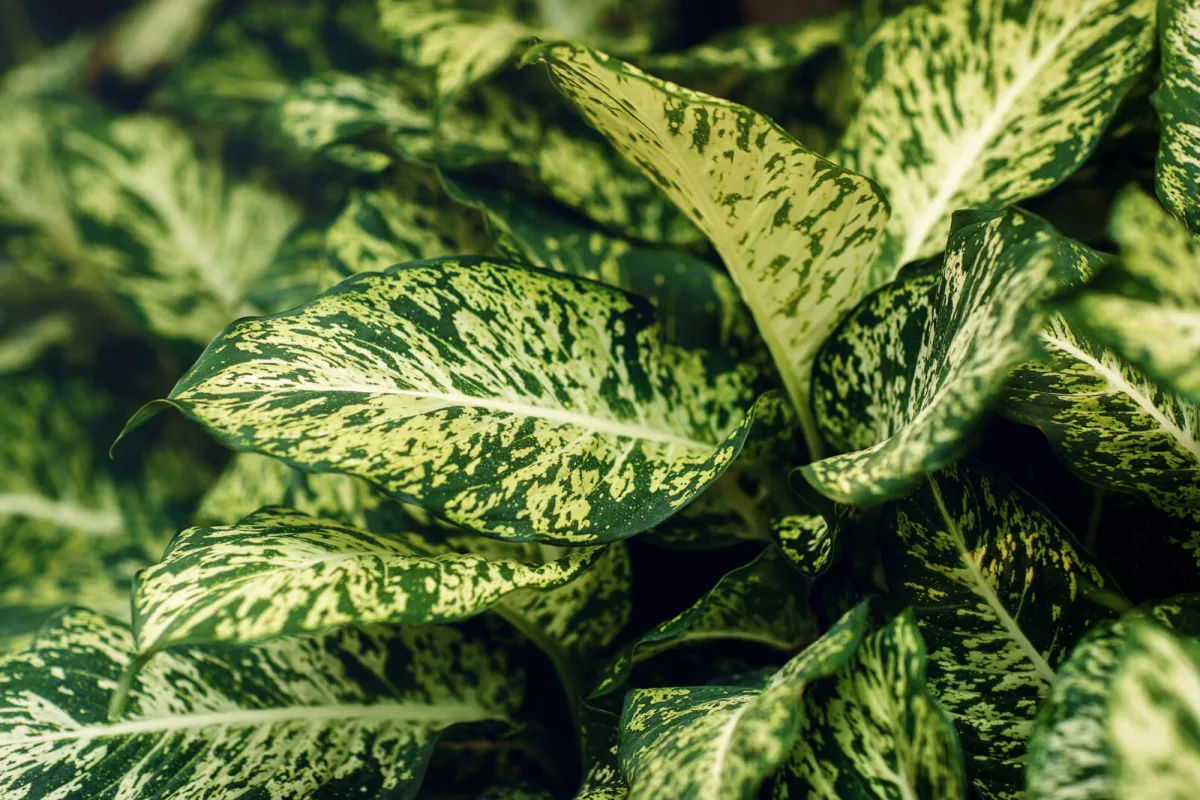
Dieffenbachia is among the riskiest houseplants
Dieffenbachia is valued for its striking leaves with light variegation and is often recommended as an attractive statement plant for the home. Its appearance is undeniably impressive and, in the right conditions, it can grow to a considerable height. That’s exactly why many people choose it for living rooms, bedrooms and other parts of the flat.
But behind the good looks lies a significant risk. The stems and leaves of this plant contain calcium oxalate crystals. On contact with skin, they can cause irritation, itching, or even blistering. An even more serious situation arises if the plant is ingested. Symptoms may include intense burning in the mouth and throat, swelling of the tongue, irritation of mucous membranes, nausea, vomiting and diarrhoea.
With small children or pets, it doesn’t take much. A tiny piece of leaf, or contact with sap released after breaking a stem, can be enough. If something like this happens, it’s best not to wait and to seek professional help. In more sensitive individuals, the reaction can be very unpleasant and rapid.
Monstera isn’t harmless just because it’s trendy
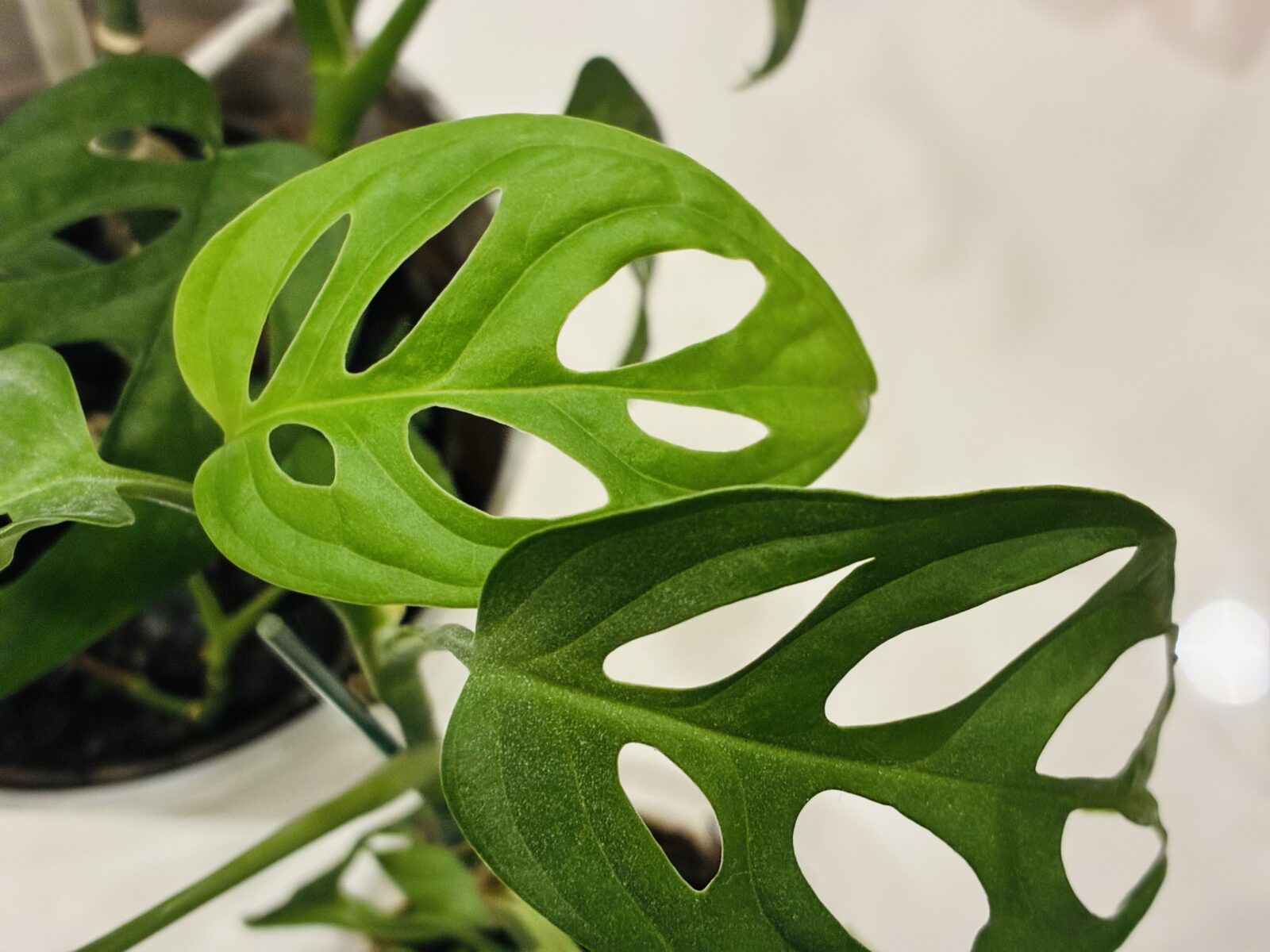
Monstera has become a symbol of the modern interior. Its large, deeply cut leaves look exotic and bring a strong natural accent into a room. It has won over not only experienced growers, but also people who want an eye-catching houseplant without complicated care.
Even so, this plant is not suitable within reach of small children and pets. Like dieffenbachia, it contains insoluble calcium oxalate crystals. If ingested, it can cause burning in the mouth, throat irritation, nausea and, in certain circumstances, more serious issues. The fact that monstera is commonly found in homes doesn’t mean it is completely safe.
A plant’s popularity should never be the main reason for placing it in a child’s room. In environments where children or pets are present, it’s better to choose species that won’t trigger a toxic reaction from touch or accidental nibbling.
The comeback of snake plant also calls for caution
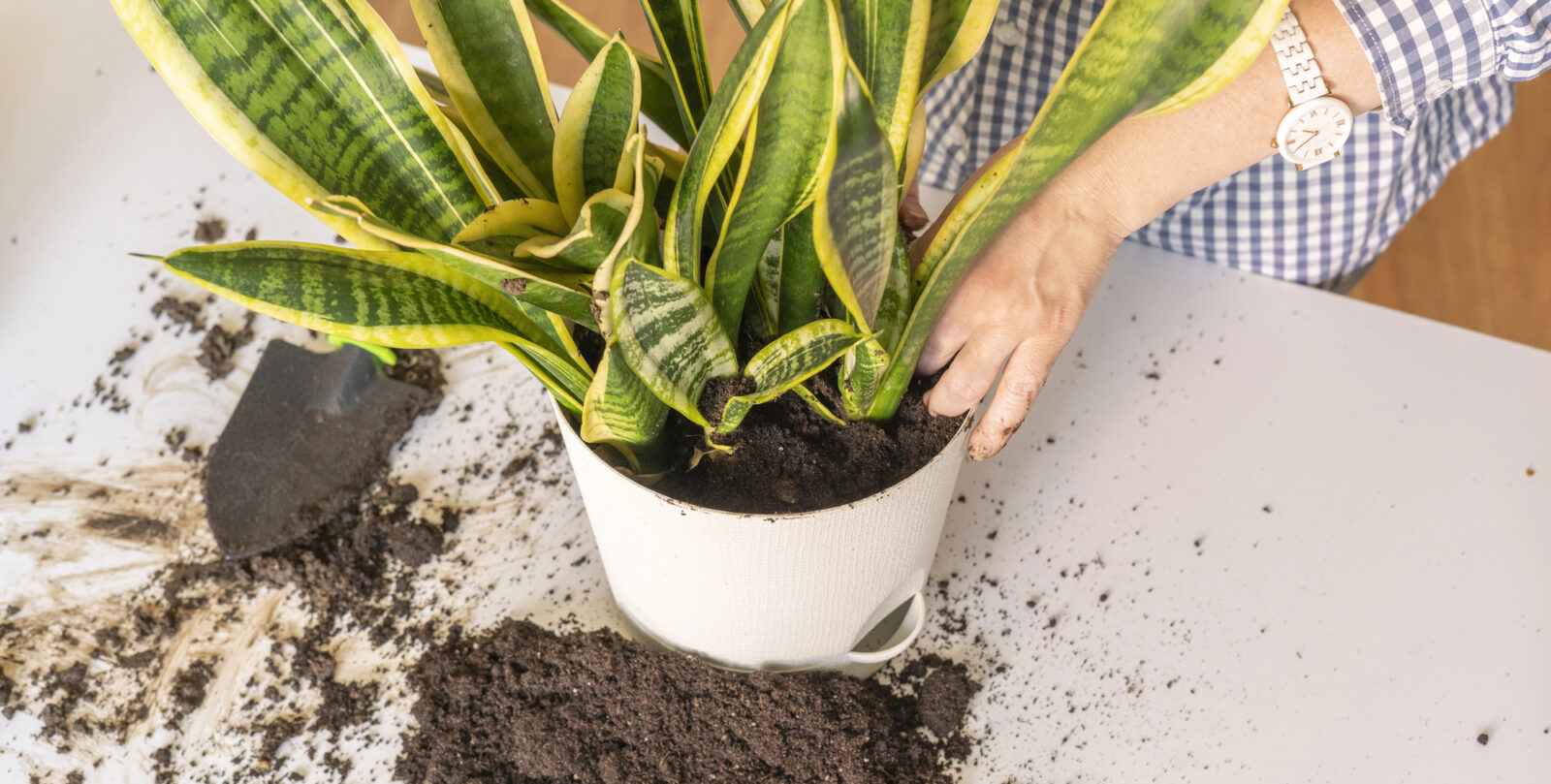
Snake plant has been making a comeback in Czech interiors after years away from the spotlight. People value it mainly for its toughness. It tolerates drier air, irregular watering and lower light, making it ideal for those who don’t want to spend much time on plant care. It also looks clean and elegant, so it fits well into modern flats.
Even with this plant, caution is wise. It contains steroidal saponins that may cause nausea, headaches or digestive upset. Other compounds can irritate the skin, which matters especially when repotting, dividing or propagating the plant. So the risk isn’t only from ingestion, but also from handling.
Always check a plant’s properties before you buy
There are more potentially dangerous houseplants, and many of them are sold completely routinely. That doesn’t automatically mean they don’t belong in the home, but it does mean you need to think about where to place them and who might come into contact with them. In a household with children and pets, it should be standard practice to check in advance whether a particular species is toxic.
If you don’t want to give up a favourite plant, at least keep it out of reach of little hands and curious paws. An even better option is often to choose a safer alternative. With houseplants, it’s not only about looks, but also about peace of mind and the assurance that your home remains a truly safe place for everyone in the household.
Source: Gardenia, Pro ženy, Deník, Pestrazahrada.cz

A lover of nature, gardens, and everything that moves, blooms, or grows. He literally grows everything, from herbs to rare species, and he enjoys caring for animals just as much. In his work, he connects modern technology with tried-and-tested grandmotherly methods and is happy when both paths lead to the same goal.
Related articles
You Can’t Do Everything on Your Own Garden Four Situations Where Simple Neglect Becomes a Costly Mistake
A garden may feel like a private world, but it still comes with legal responsibilities. Neglected weeds, burning green waste, invasive plants, or unmanaged boundary trees can all lead to complaints and hefty fines.
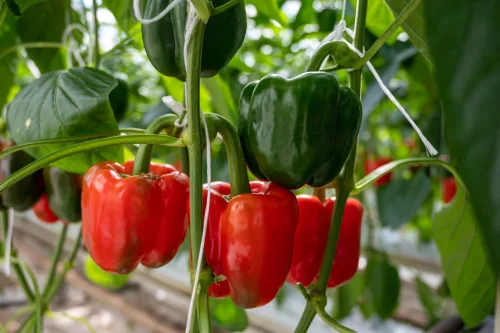
Ten smart companion plants for peppers that naturally boost healthy growth and higher yields
Sweet or hot peppers thrive with the right neighbours. Companion planting can reduce pest pressure, support healthier growth, and often deliver a heavier harvest—without relying on unnecessary chemicals.

Cutting Down Thuja in Your Own Garden You Could Face a Fine of Tens of Thousands if You Don’t Check One Key Detail
Many homeowners assume they can remove trees and hedging on their own land without restrictions. But even common thuja can fall under rules that require notification or a permit, and the fines for getting it wrong can be steep.
Comments (0)
Be the first to comment.