
 English
  Polski
  Deutsch
  Nederlands
  Svenska
  Norsk
Norsk  Dansk
Dansk  Français
  Italiano
  Español
  Português
  Slovenčina
  Suomi
Suomi  Gaeilge
 You Can Protect Strawberries From Pests Without Chemicals and Still Harvest Delicious Fruit
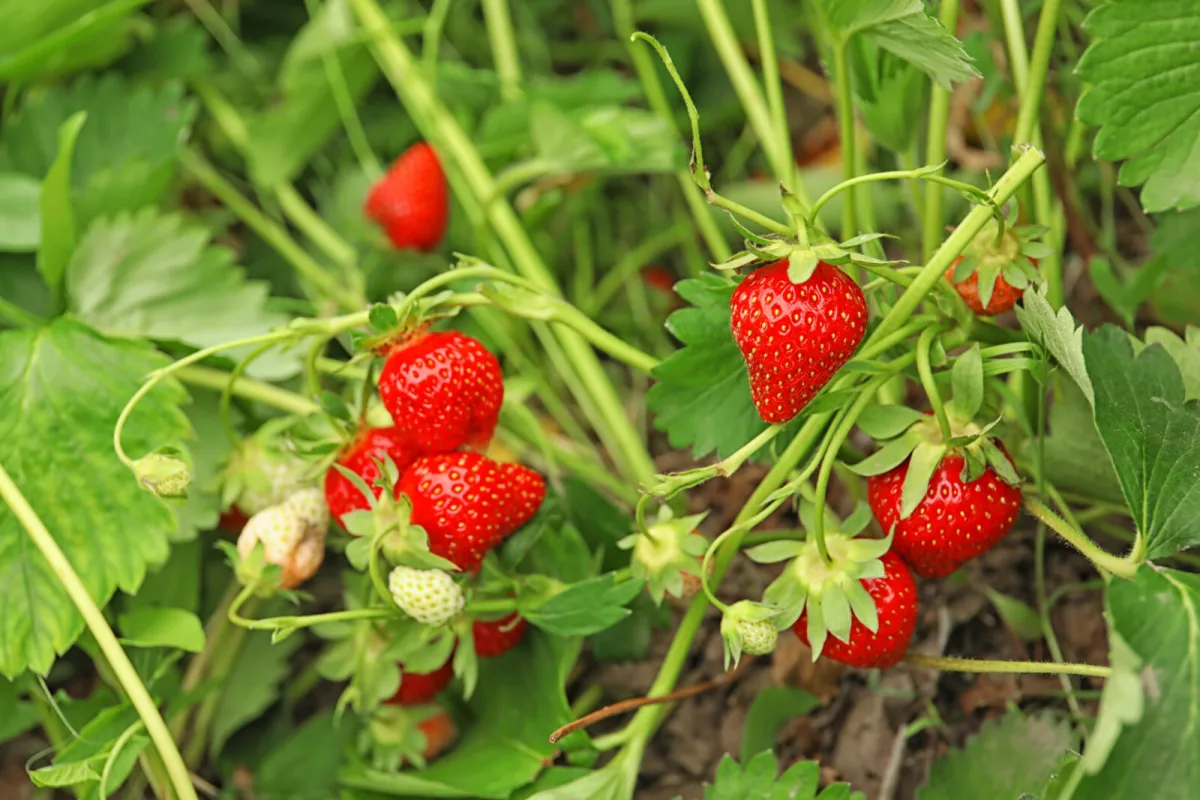
Strawberries are among the most popular fruits in home gardens, but they’re also one of the most commonly attacked crops. They grow close to the ground, have tender tissue, and produce sweet, fragrant fruit that attracts insects, slugs and birds. The trouble is that damage often starts out of sight: on the undersides of leaves, inside the flowers, or right in the soil around the roots. By the time you notice the first holes in the fruit or misshapen berries, some of the damage may already be done.
Another complication is that some pests don’t just cause chewing damage. Aphids and other sap-suckers weaken the plant, reduce fruit set, and can spread viral diseases. Slugs and snails, in turn, open the door to fungal infections because wounded flesh rots easily. Protecting strawberries isn’t about one “miracle” spray, but about layered prevention, regular monitoring and quick intervention without unnecessary chemicals.
The six most common strawberry pests
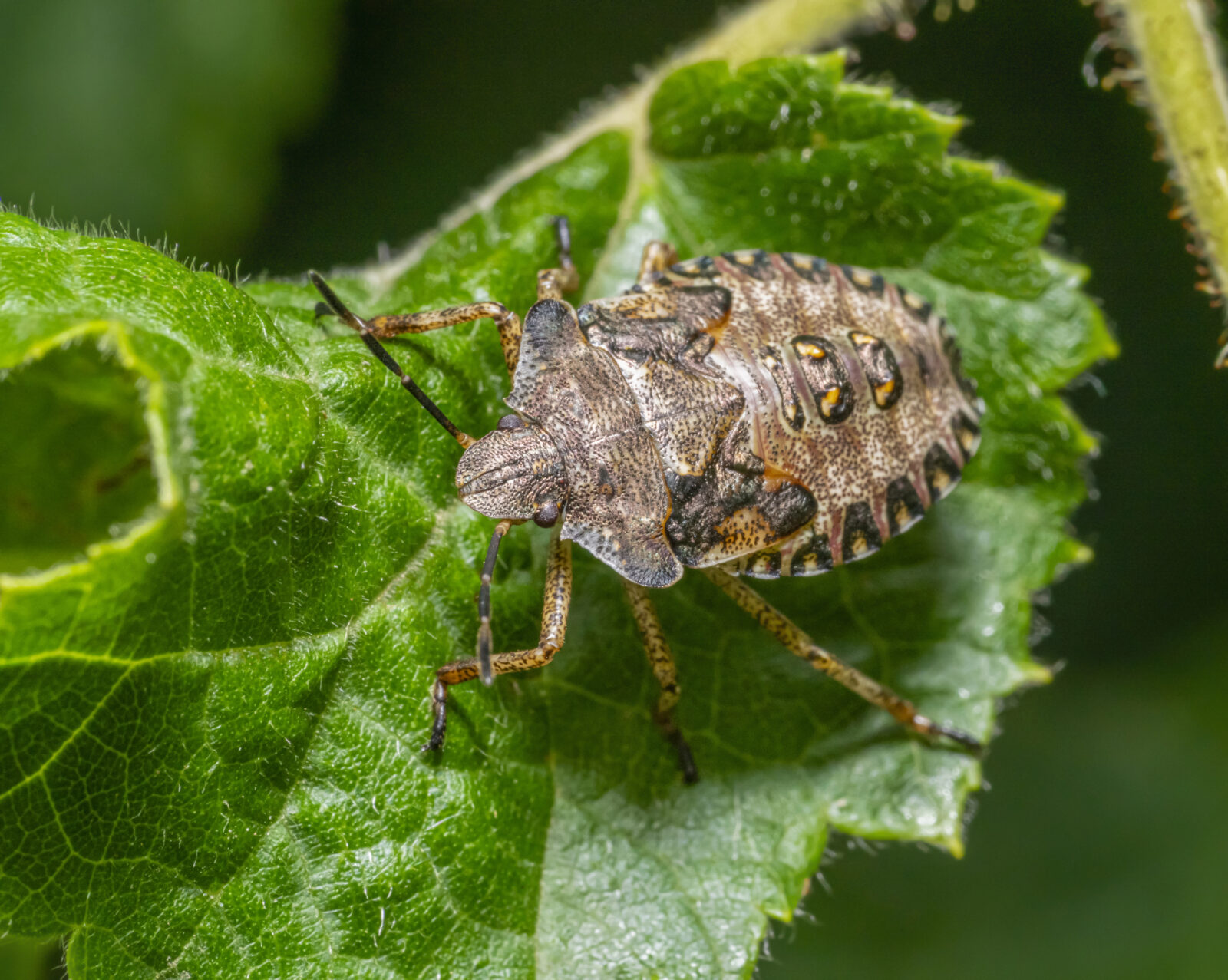
1. Shieldbugs and plant bugs that deform fruit
Various true bugs can appear on strawberries, feeding on flowers and young fruit. The result is often hard, misshapen berries with sunken patches, and sometimes even bud drop. A typical frustration is that the plant looks “healthy,” but the harvest is poor quality.
Thorough tidiness in and around the bed helps, because these pests overwinter in plant debris and weeds. A very effective option is a physical barrier: lightweight horticultural fleece or a crop cover put on during the bud and flowering stage, then lifted temporarily for pollination. In smaller plantings, early-morning shaking and hand-picking works too, because the insects are sluggish in cool temperatures.
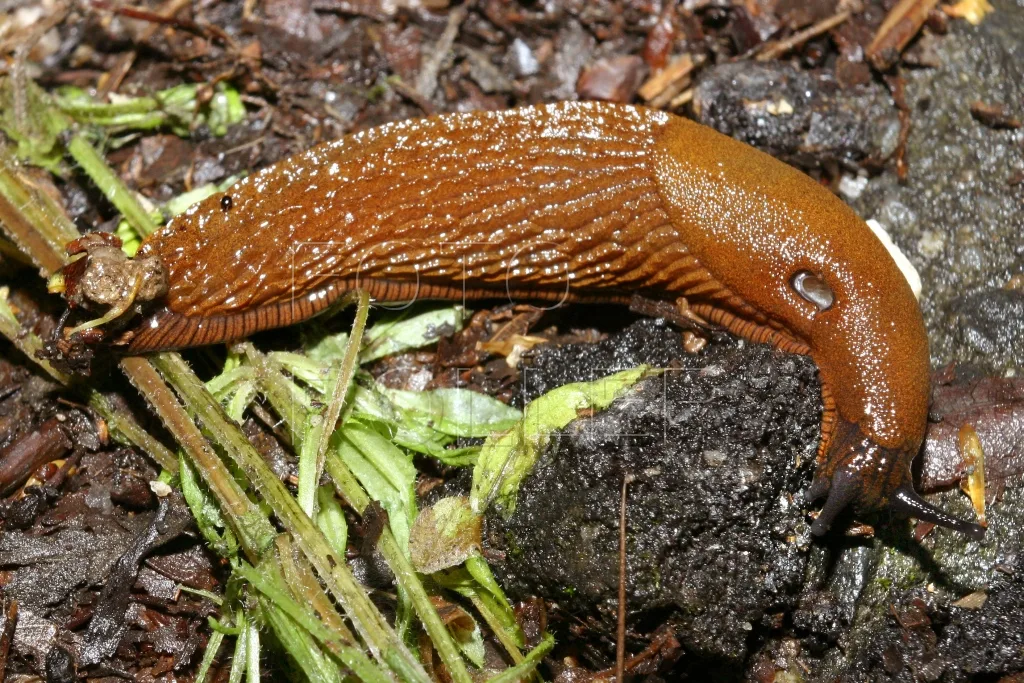
2. Slugs and snails: the quiet night-time menace
Slugs love moisture, thick mulch and shade. On strawberries you’ll recognize their work by irregular holes in the fruit, chewed leaves, and silvery slime trails. The worst damage usually happens overnight, especially after rain or with frequent watering.
The best results come from combining several steps. Avoid keeping mulch constantly wet right up against the crown, and keep the space under the foliage open and airy. As a physical barrier, copper tape on the edges of raised beds or around containers is reliable, as slugs dislike contact with copper. Hand-picking at dusk and early morning helps too, along with simple beer traps sunk to soil level. If you use diatomaceous earth, apply it only in dry conditions and reapply after rain, otherwise it loses effectiveness.
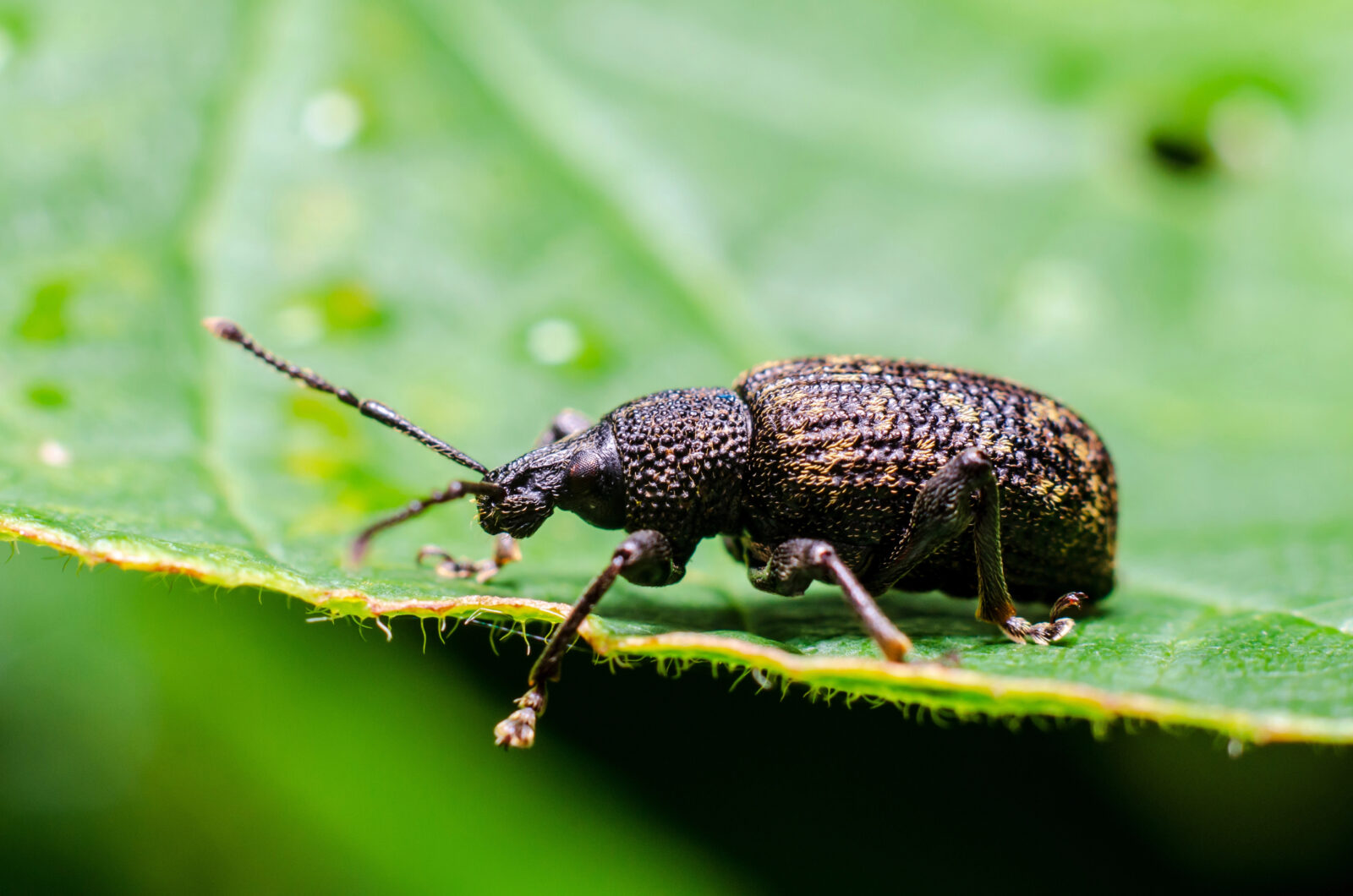
3. Vine weevil and larvae that destroy roots
Some weevil species, commonly referred to as vine weevil, cause damage in two ways. Adults make the characteristic semicircular notches along leaf edges, but the greater danger is the larvae in the soil, which chew roots and weaken whole clumps. Plants then wilt even when there’s enough water and produce fewer berries.
In organic practice, beneficial nematodes applied to the soil work well by parasitizing the larvae. Site rotation is also important: don’t keep strawberries in the same spot for too long, because the pest persists in the soil. In small beds, you can collect adults at night with a torch when they’re active, and by day remove hiding places such as boards and dense plant debris.
4. Birds and rodents: when the berries start to redden
As soon as fruit begins to ripen, the next “harvest crew” shows up. Birds often peck just the tip, while rodents can carry off whole berries and sometimes even scratch mulch away from the plants. The result is nibbled fruit, missing berries and a messy bed.
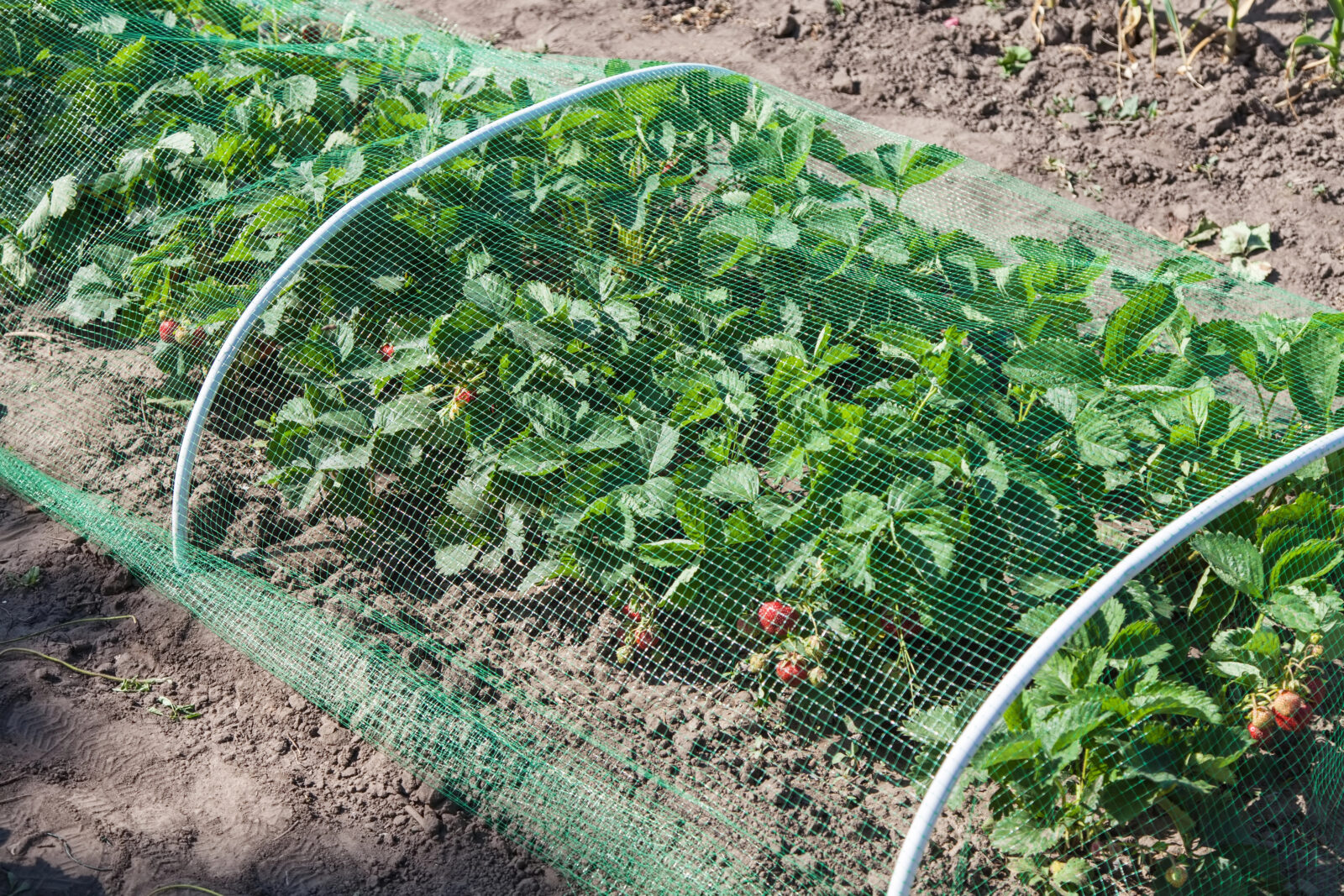
The foundation is timely physical protection. Fine bird netting stretched over the bed is usually the most reliable, because you’re not gambling on whether deterrents happen to work today. For rodents, keep the area around the bed free of dense weeds and hiding places, pick overripe fruit promptly, and minimize the “buffet” on the ground. In some gardens, surprisingly, more frequent morning picking helps too, because the temptation simply disappears before visitors get bold.
5. Aphids and sticky leaves full of life
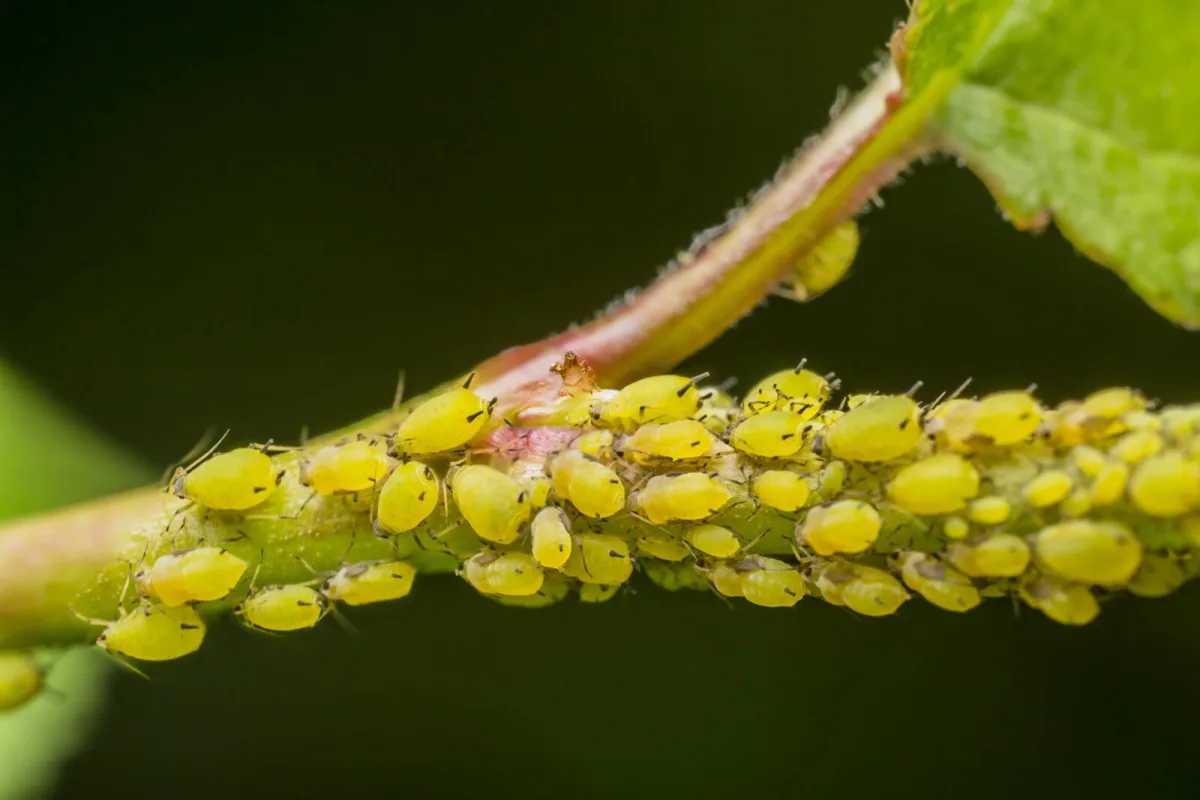
Aphids cluster on young shoots and the undersides of leaves. Leaves curl, the plant weakens, and sticky honeydew appears, attracting ants. Ants protect aphids because they “farm” the honeydew, which speeds the problem along.
At the first signs, a strong jet of water can wash colonies off. If aphids return, use insecticidal soap or a gentle horticultural oil applied outside pollinator flight times. Long-term, it’s highly effective to encourage natural enemies such as ladybirds, lacewings and hoverflies. In practice, it also helps not to overdo nitrogen, because aphids love overly soft, fast-growing tissue.
6. Spider mites: when leaves speckle and dry out
Spider mites are tiny and often go unnoticed until leaves show pale speckling, bronzing, and fine webbing on the undersides. They thrive in hot, dry conditions, typically in summer or under polytunnels.
The essentials are regular checks of leaf undersides and a fast response. Spraying the plants down can disrupt colonies mechanically, and improving the microclimate helps too: less dust, better airflow and steadier humidity. With heavier infestations, you can use gentle oil or soap-based products, or introduce predatory mites if you grow under cover and want a biological solution.
General prevention that almost always works
With strawberries, the winner is the gardener who stays one step ahead. A strong plant tolerates sucking and chewing better and is less prone to rots. Keep adequate spacing so leaves dry quickly after rain, and water at the base rather than over the foliage. Improve soil with compost, as balanced nutrition supports firmer tissue. Don’t let weeds run wild nearby, as they often act as a “bridge” for pests into the strawberry patch.
Crop hygiene matters just as much. Remove rotting or damaged fruit and old leaves as you go, since they shelter slugs and provide overwintering sites for many species. If you grow strawberries for several years, consider renewing the bed and rotating sites, because some pests remain in the soil and gradually build up.
The most important habit: observe and act early
The best strawberry protection doesn’t start with spraying, but with a morning check of leaves, flowers and the soil around each clump.
Set aside a few minutes several times a week, ideally in the morning. Look under the leaves, into the crown, and at the soil around the plants. Early detection of aphids, the first slugs, or the start of spider mites means you can stick to mechanical measures and gentle products. And if things aren’t going well, don’t be afraid to return to the basics: tidy up, use barriers, support beneficial insects, and harvest regularly. Your strawberries will reward you with a bowlful of sweet fruit.
Final tip: If it feels like pests “come out of nowhere,” watch the weather. After rain, slug pressure rises; in dry heat, spider mites take off; and during flowering is the most sensitive period for pests that deform fruit. If you learn to anticipate these waves, protection becomes much easier.
Source: The Grounded Homestead, BHG, Wikipedia, Pestrazahrada.cz
Related articles
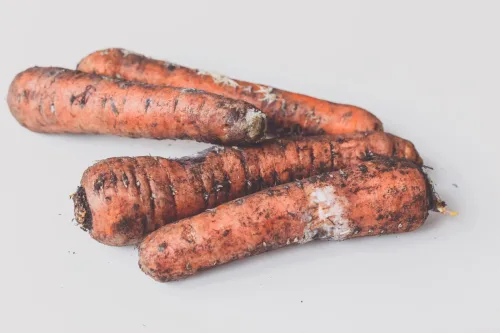
Next year you can harvest better if you don’t sow carrots where they won’t thrive
Carrot root fly can ruin carrots, parsley and celery from the inside out, often without obvious warning until harvest. Better site choice, rotation, later sowing and simple physical barriers can dramatically cut damage next season.
How to Propagate Roses from Cuttings at Home and Fill Your Garden with Blooms Almost for Free
Want more roses without paying for new plants? With a few healthy cuttings and a simple plastic-bottle mini greenhouse, you can root new bushes at home in just a few weeks.
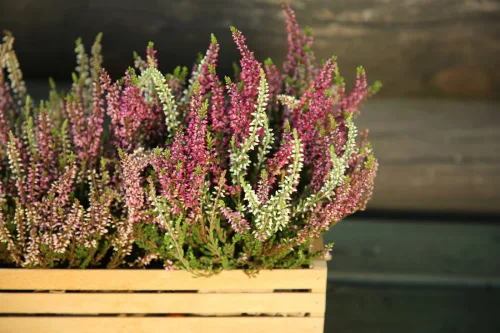
Heathers can cope where other plants won’t, but one soil detail decides everything
Heathers and heaths are tough evergreen shrubs that can flower across the seasons when you choose the right types. Success hinges on matching the plant to your soil pH and ensuring free drainage.
Comments (0)
Be the first to comment.