
 English
  Polski
  Deutsch
  Nederlands
  Svenska
  Norsk
Norsk  Dansk
Dansk  Français
  Italiano
  Español
  Português
  Slovenčina
  Suomi
Suomi  Gaeilge
 Peonies Love Routine Learn the Care That Keeps Them Blooming Every Year
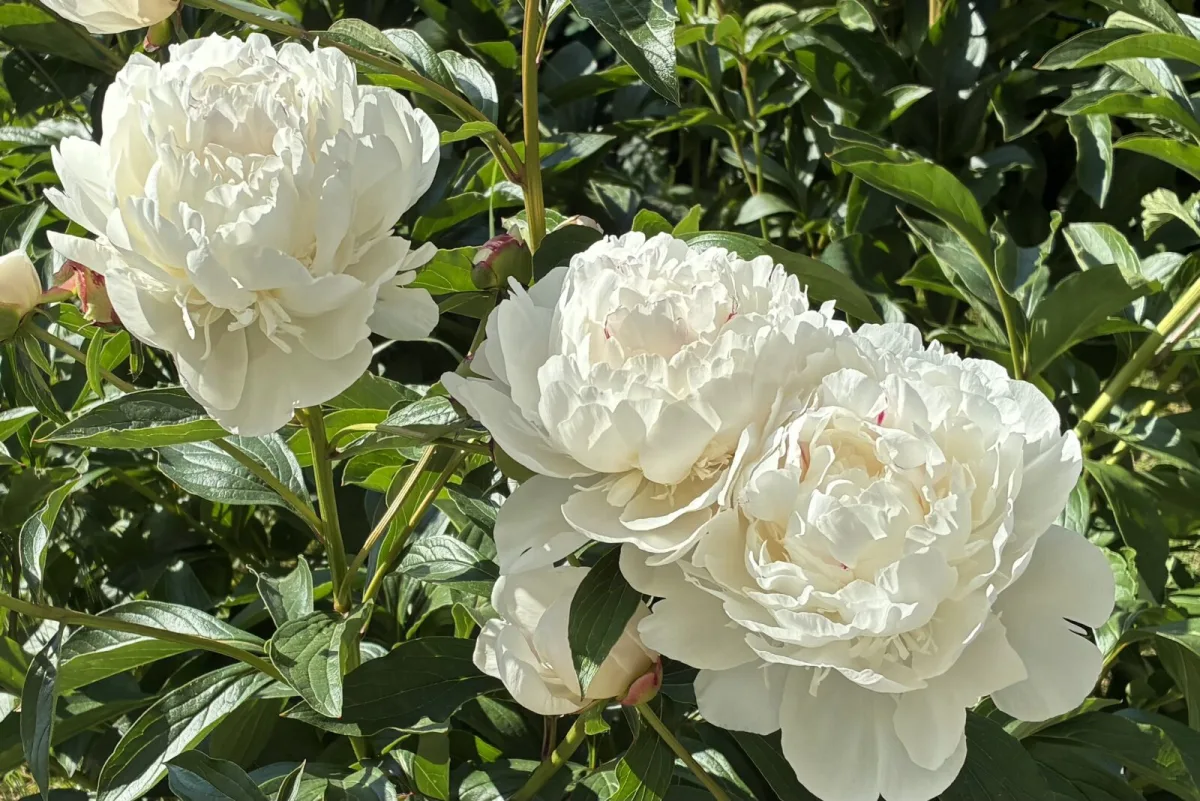
Peonies (Paeonia spp.) are among the most beloved herbaceous perennials. When their big, ruffled blooms open in late spring and early summer, the garden feels instantly celebratory, and the fragrance of many cultivars can evoke roses, citrus, or sweet spice. Their appeal isn’t only about the flowers: after blooming, they form a compact clump of glossy foliage that stays attractive all summer and often colours up in purples or golden tones in autumn. A properly planted peony can thrive in one spot for decades, and it typically blooms better with age.
Where peonies grow best
The key rule is simple: choose the site as if it were “forever”. Peonies dislike disturbance, handle transplanting worse than most perennials, and after moving they often conserve energy for several seasons. You’ll get the heaviest flowering in full sun, ideally 6 to 8 hours of light a day. In warmer areas or heat-trap spots, a little afternoon shade helps so the blooms don’t wilt too quickly.
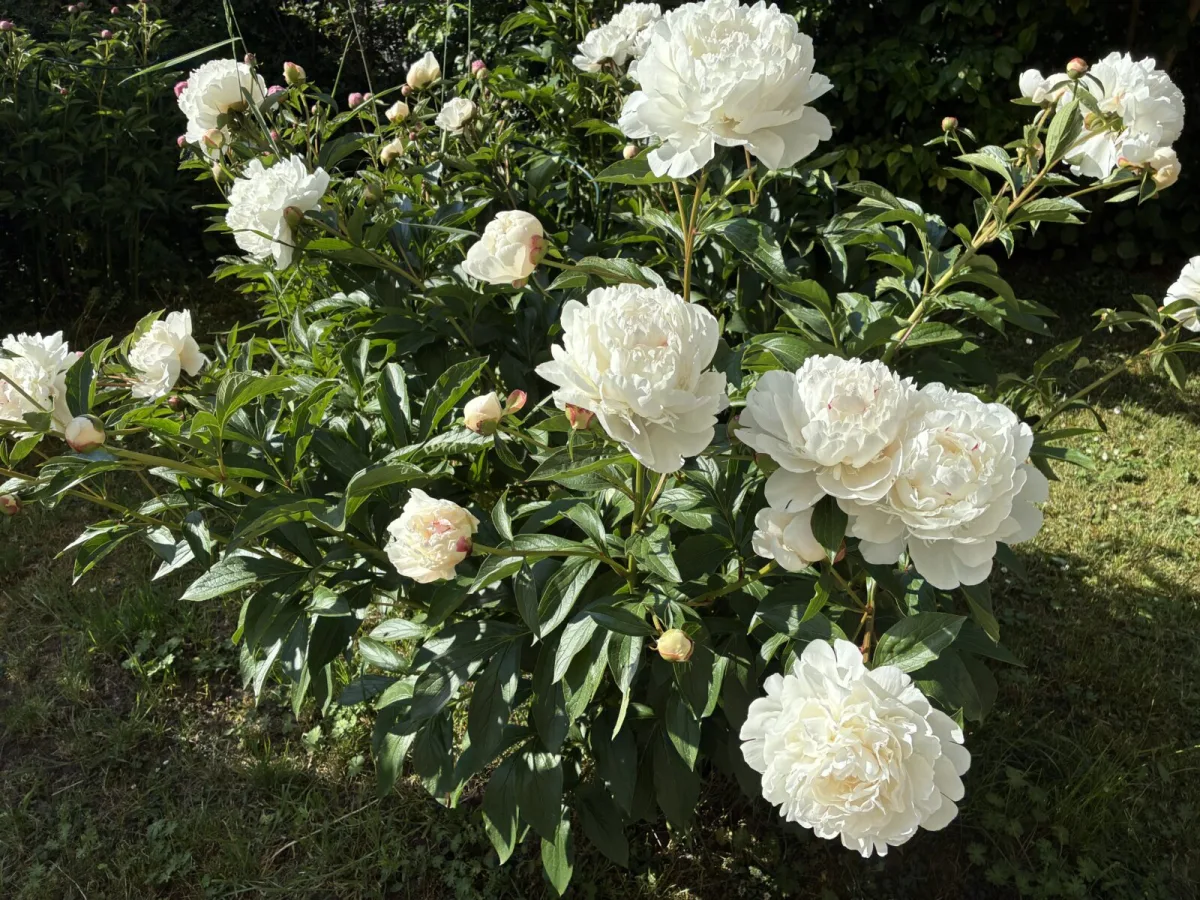
Shelter from strong wind matters too. Heavy flowers can overload the stems, so in exposed gardens it’s wise to plan for support. Don’t plant peonies tight against trees and large shrubs: competition for moisture and nutrients leads to lush leaves but weaker buds. Soil should be deep, humus-rich, fertile, and above all well drained; consistently waterlogged ground is a common cause of rot and loss. Peonies prefer neutral soil; very acidic beds are best corrected in advance.
When to plant peonies and why autumn is best
The best planting window is autumn, typically from late September into October, or even until the ground begins to freeze. Roots have time to settle, and in spring the plant gets a head start. Spring planting is possible, but peonies usually lag by about a year: instead of flowers, they put energy into rooting. If you need to move an older clump, do it only in autumn after the foliage has died back, when the plant is dormant and stress risk is lowest.
Proper planting, step by step
Peonies are often sold as divided roots with several “eyes” (buds). Planting isn’t complicated, but one detail determines whether you’ll get flowers: depth. Prepare a generous hole roughly 50–60 cm deep and about as wide, so the soil is loosened deeply and the roots have room to grow. Improve the backfill with compost or well-rotted manure; in heavy soils, add material to improve structure so water won’t sit.
Set the root so the eyes face upward and, once covered, sit only about 2.5 to 5 cm below the surface. Planting too deep is the most common reason peonies make beautiful foliage but hardly bloom. After backfilling, firm the soil lightly and water thoroughly. Container-grown plants follow the same rule: don’t plant them deeper than they were in the pot. Leave about 90–120 cm between plants for good airflow and to give mature clumps space over the years.
When they bloom and how to extend the peony season
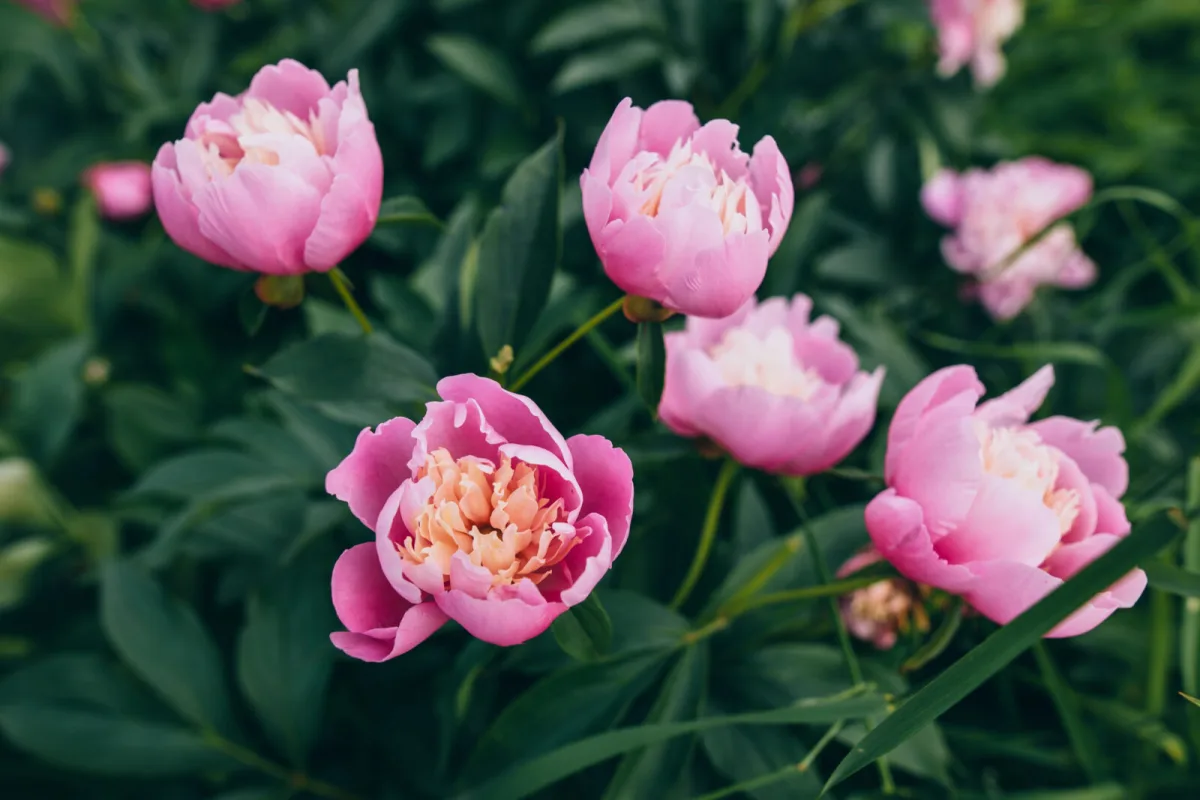
Peonies bloom from late spring into early summer, depending on the cultivar and the season’s weather. For the longest display, combine early-, mid-, and late-season varieties. In that way, your garden can roll from one wave of flowers to the next for several weeks. Beyond colour (white, pink, red, purple, yellow), there are also different flower forms, from single through Japanese and anemone types to fully double and “bomb” forms, which tend to be the heaviest and most likely to need support.
Year-round care that pays off
Peonies are perennials that prefer calm, consistent care rather than too much fussing. Be patient after planting: the first year is often flowerless, the second can be modest, and the plant typically reaches full bloom after about 2 to 3 years. Water mainly during dry spells, especially in spring as growth starts and as buds are forming. The soil should be evenly moist, not waterlogged.
Go easy on feeding. If you incorporated compost at planting time, that will carry peonies for quite a while. In poorer soils, add compost or well-rotted manure after flowering, or use a balanced slow-release fertiliser. Avoid excessive nitrogen, which pushes leafy growth at the expense of flowers and increases susceptibility to disease. Deadhead spent blooms as you go, making the cut down to a strong leaf; the plant won’t look stripped and it manages its energy better.
Supports and stem stability
With double-flowered varieties, it pays to put supports in place early in spring, before the stems elongate. Circular supports or wire frames let the plant grow up through the middle so the support isn’t obvious. In rainy weather you’ll appreciate that the flowers won’t sprawl on the ground and rot.
Autumn cut-back and bed hygiene
After the first frosts the foliage dries down, and it’s time to cut the plant back close to the ground. This step is also important as prevention: old stems and leaves can overwinter as a source of fungal disease. Use mulch only lightly and loosely so the crown isn’t buried; too thick a layer over the buds can reduce flowering.
Dividing and transplanting, only when it’s truly necessary
Although peonies generally don’t need dividing, sometimes a clump becomes overcrowded, flowers less, or you want to share a piece. The best time is, again, autumn. Dig the plant with as large a root ball as possible, gently remove the soil, and locate the eyes. Each division should have roughly 3 to 5 eyes and plenty of sturdy roots; smaller pieces may survive, but they can take longer to reach their first proper bloom. When replanting, watch the depth again, because even a perfectly healthy division set too deep will make leaves only.
Most common problems and how to prevent them
Peonies are generally tough and often avoid the pests that trouble other ornamentals. Still, fungal diseases can appear, especially in dense plantings and where air movement is poor. Prevention rests on three pillars: adequate spacing, well-drained soil, and autumn clean-up of the stems and leaves. If leaf spot shows up, or grey mould appears on buds and stems, prompt removal of affected parts and improved conditions help the foliage dry quickly after rain.
Ants on buds are not a reason to panic
You’ll often notice ants gathering on closed buds. They aren’t damaging the flowers; they’re attracted by sweet nectar on the bud surface, and in many cases they help by discouraging small pests. There’s no need to spray or otherwise control them.
Why a peony doesn’t bloom
The most common cause is planting too deep. Other reasons include too little sun, too much nitrogen, removing foliage too early in summer, or a mild winter without enough chilling, which peonies need for bud formation. Sometimes buds fail as well, turning brown and drying up; then it’s worth checking moisture, nutrition, and the overall vigour of the clump.
Peonies as cut flowers and how to keep them in a vase
Peonies are among the most rewarding flowers for a vase and often last more than a week. Cut them in the morning, when stems are well hydrated, ideally at the “soft marshmallow” stage: the bud is still closed but yields slightly to the touch. Use sharp, clean snips and cut above healthy leaves so the plant can keep photosynthesising. At home, recut stems on an angle and place them in a clean vase with lukewarm water, changing it regularly. If you want to time the display, buds can be stored briefly in the fridge wrapped in damp paper; once placed in water, they will open gradually.
Why it’s worth growing at least one peony
Once a peony settles in, it can be happy in the garden for generations, adding beauty with every passing year.
Peonies combine exceptional looks with surprising ease. If you provide a sunny position, well-drained soil, and above all the correct planting depth, they will reward you with dependable flowering that feels luxurious without demanding complicated care. It’s precisely this mix of elegance and longevity that makes them one of the best investments for an ornamental garden.
Source: Almanac, Rhs , Pestrazahrada.cz
Related articles
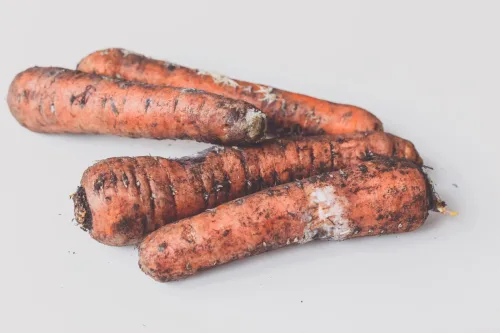
Next year you can harvest better if you don’t sow carrots where they won’t thrive
Carrot root fly can ruin carrots, parsley and celery from the inside out, often without obvious warning until harvest. Better site choice, rotation, later sowing and simple physical barriers can dramatically cut damage next season.
How to Propagate Roses from Cuttings at Home and Fill Your Garden with Blooms Almost for Free
Want more roses without paying for new plants? With a few healthy cuttings and a simple plastic-bottle mini greenhouse, you can root new bushes at home in just a few weeks.
Heathers can cope where other plants won’t, but one soil detail decides everything
Heathers and heaths are tough evergreen shrubs that can flower across the seasons when you choose the right types. Success hinges on matching the plant to your soil pH and ensuring free drainage.
Comments (0)
Be the first to comment.