
 English
  Polski
  Deutsch
  Nederlands
  Svenska
  Norsk
Norsk  Dansk
Dansk  Français
  Italiano
  Español
  Português
  Slovenčina
  Suomi
Suomi  Gaeilge
 Onions shine in the kitchen but can fail in the garden try a smart baking soda trick
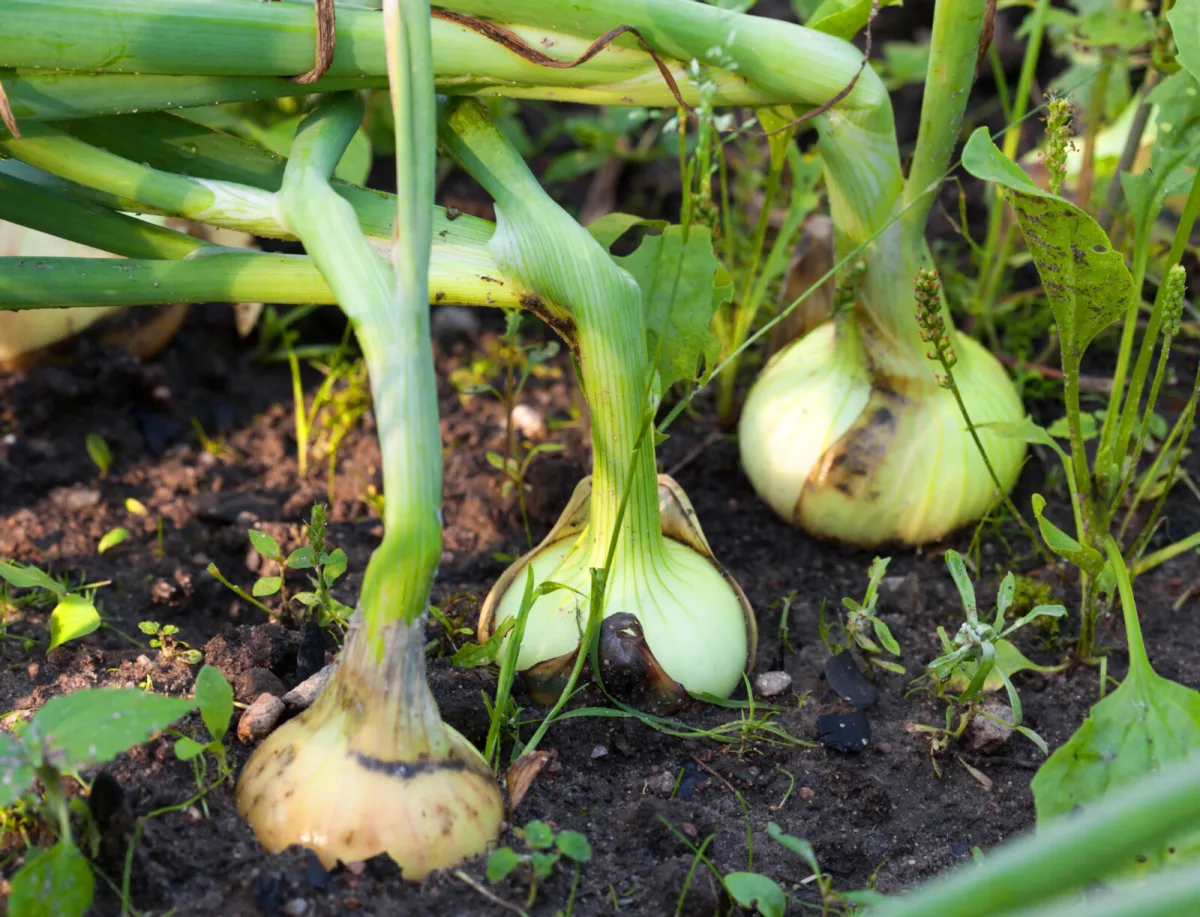
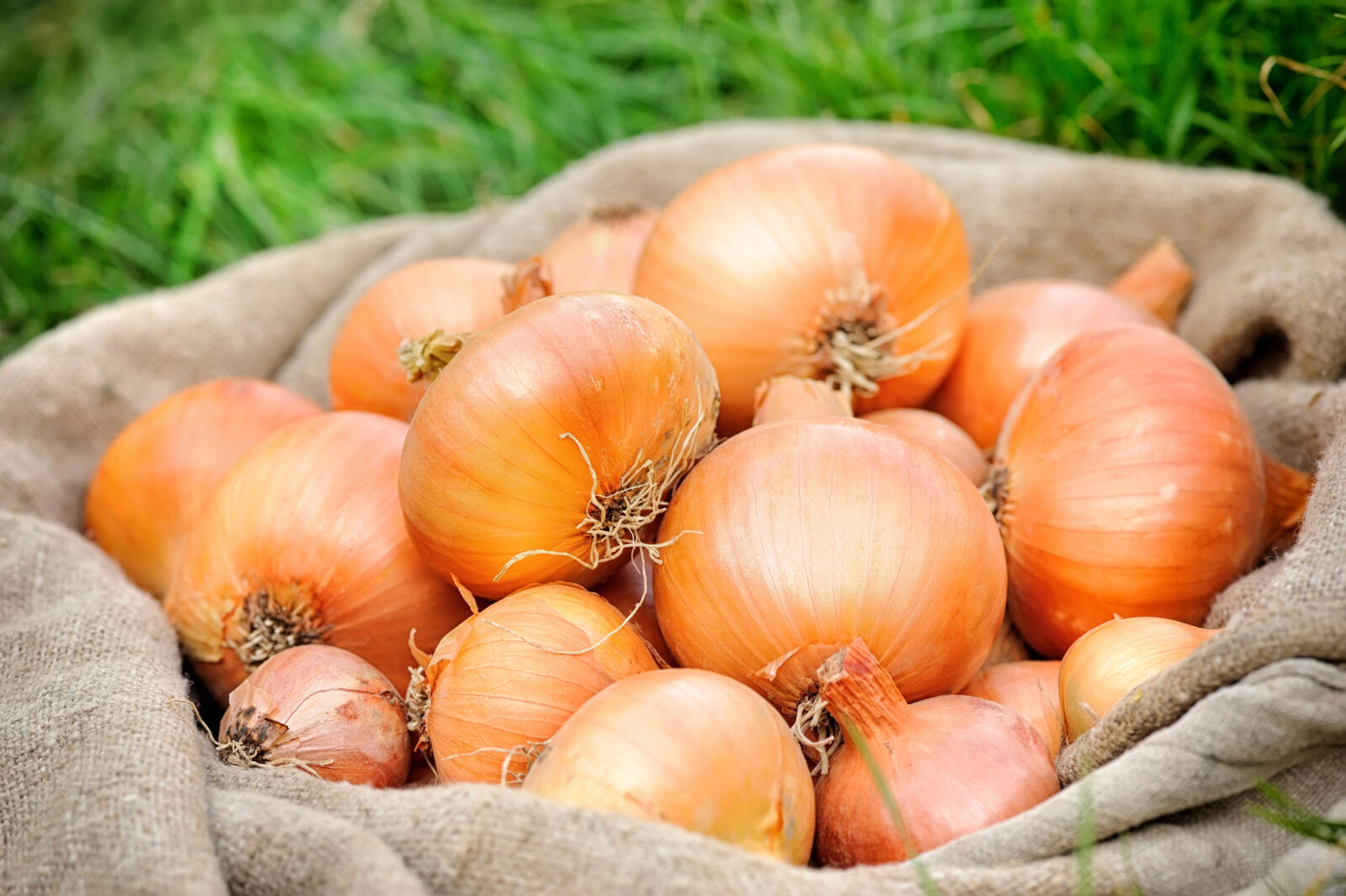
Onions are among the most-used ingredients in the home, but growing firm, healthy bulbs that store well isn’t always a given. It often happens that you invest time and care in the bed, and yet the harvest is weakened by mildew, fungal diseases, or pests. If you don’t want to rely on harsh sprays, you can start gently right at planting time. One traditional, inexpensive approach is to use baking soda, which most people already have at home.
Why baking soda can benefit onions
Baking soda, or sodium bicarbonate, isn’t just a kitchen helper. In the garden, it’s mainly useful because it can slightly influence the environment around plants. Onions generally prefer soil that’s close to neutral, or only mildly acidic. If the soil in the bed is too acidic, growth can be slower and plants tend to be more prone to problems. Baking soda can gently balance such conditions, although it doesn’t replace proper liming or a soil test.
Even more important is its practical role: baking soda is traditionally used as support against mildew and other fungal issues. It creates conditions that some pathogens don’t like as much. Gardeners also often mention that a short soak of onion sets before planting helps kick-start rooting. When onions have a strong foundation underground, they cope more easily with weather swings and disease pressure.
A step-by-step soak for onion sets
Preparing the solution is easy and takes almost no time. Dissolve one teaspoon of baking soda in 1 litre of warm water. Temperature matters: the water should be roughly 45 to 60 °C. Stir well so the baking soda fully dissolves, then put the onion sets into the solution.
About thirty minutes of soaking is usually enough. To keep the solution from cooling too quickly, you can insulate the container with a blanket, for example, or place it somewhere warm. The goal is a brief cleanse and preventive protection against issues that may only show up after planting. After the bath, let the sets drain and you can plant them straight away.
How to plant sets correctly so the protection actually helps
Soaking alone won’t help if you plant onions into unsuitable conditions. Choose a bed in full sun; onions need about six to eight hours of direct light per day. Shade and a spot that stays wet for long periods increase the risk of disease and weaker growth. The soil should be free-draining, reasonably fertile, and enriched with mature compost or well-rotted manure, ideally added in advance.
Pay attention to planting depth. The tip of the set should point upward and sit about 1 cm below the surface. Spacing is just as important. When sets are crammed too tightly, air moves poorly between the leaves, the bed dries more slowly, and that’s exactly when mildews spread fastest. It’s better to give plants room than regret losses later.
Simple tricks that can improve your results
Growing onions together with carrots works very well. The scent of onions can confuse pests that attack carrots, and carrots, in turn, can partly disrupt the orientation of onion pests. Mixed planting is especially practical if you want to limit chemicals while supporting a more natural balance in the bed.
Some gardeners also follow traditional advice based on the moon phase and plant onions during the waning moon, so they’re less inclined to bolt and focus their energy on building bulbs. And if your onions tend to soften or rot soon after harvest, it helps to leave them to dry for a few days right on the bed, as long as the weather is settled and rain-free. The neck tightens, and the onions usually store better.
Most common questions about using baking soda for onions
Why soak onions in a baking soda solution before planting
The most common reason is prevention against fungal diseases and supporting a healthy start for the sets. The solution can also slightly adjust the micro-environment, making it harder for pathogens to thrive.
How long should sets stay in the solution
About thirty minutes in a warm bath is typically recommended. A longer time isn’t necessary; the right temperature and a well-mixed solution matter more.
What conditions are best for onions
Onions do best in full sun, in lighter, free-draining soil with plenty of nutrients. Sensible spacing is essential too, so the foliage dries quickly and is less prone to mildews.
Source: Patilkulkarni Farms, DIY Garden Growing Hacks, Pestrazahrada.cz

A lover of nature, gardens, and everything that moves, blooms, or grows. He literally grows everything, from herbs to rare species, and he enjoys caring for animals just as much. In his work, he connects modern technology with tried-and-tested grandmotherly methods and is happy when both paths lead to the same goal.
Related articles
Next year you can harvest better if you don’t sow carrots where they won’t thrive
Carrot root fly can ruin carrots, parsley and celery from the inside out, often without obvious warning until harvest. Better site choice, rotation, later sowing and simple physical barriers can dramatically cut damage next season.
How to Propagate Roses from Cuttings at Home and Fill Your Garden with Blooms Almost for Free
Want more roses without paying for new plants? With a few healthy cuttings and a simple plastic-bottle mini greenhouse, you can root new bushes at home in just a few weeks.
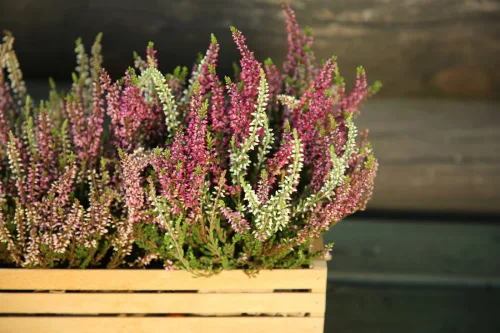
Heathers can cope where other plants won’t, but one soil detail decides everything
Heathers and heaths are tough evergreen shrubs that can flower across the seasons when you choose the right types. Success hinges on matching the plant to your soil pH and ensuring free drainage.
Comments (0)
Be the first to comment.