
 English
  Polski
  Deutsch
  Nederlands
  Svenska
  Norsk
Norsk  Dansk
Dansk  Français
  Italiano
  Español
  Português
  Slovenčina
  Suomi
Suomi  Gaeilge
 Natural Potato Beetle Control Without Chemicals in Practice
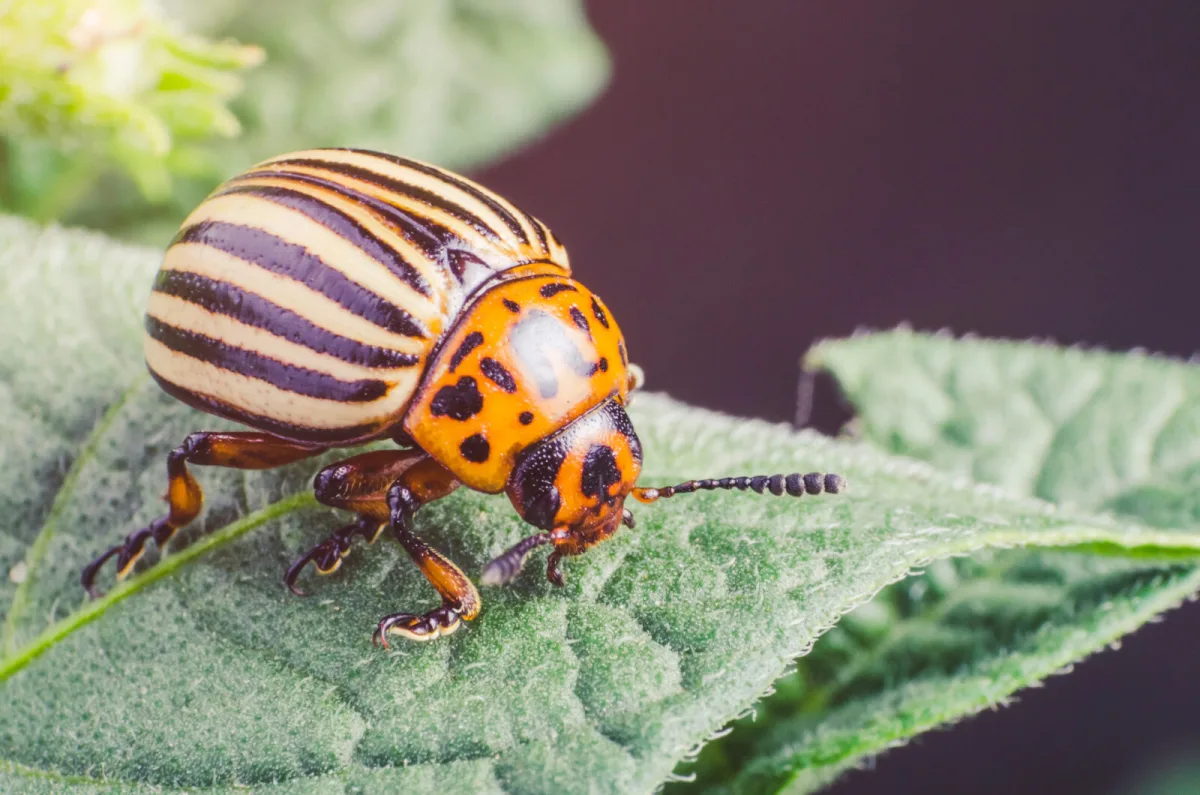
The Colorado potato beetle is one of the most troublesome pests on potatoes, and it often doesn’t stop there. It will also attack other plants in the nightshade family, so the damage can spread quickly across the whole garden. Many growers reach for chemical products, but these can burden the environment, harm beneficial insects, and with repeated use upset the balance in the soil. That’s why it makes sense to try approaches that are simpler, cheaper, and at the same time kinder to what’s around you.
The good news is that in a home garden there are several natural ways to reduce beetle numbers and lower the risk of losing your foliage and, with it, your yield. One of the most accessible options is a salt solution applied as a fine mist. Alongside it, you can also use aromatic herbs and regular hands-on checking of the crop.
Salt water as a simple homemade spray
A salt spray is one of the quickest remedies to mix up, because it relies on something almost everyone has at home. You don’t need any special equipment—just a basic spray bottle and accurate measuring so the solution doesn’t harm the plants.
What to prepare and how to mix the solution
You’ll need 2 to 3 tablespoons of salt, 1 litre of water, and a clean spray bottle. Tip the salt into the water and stir thoroughly until it has completely dissolved. Once the solution is clear and free of crystals, pour it into the sprayer so it can be applied easily and evenly.
Correct application to the leaves
Use the solution selectively on infested plants, ideally where you can actually see the beetles. It’s important to treat not only the upper surface of the leaves but also the undersides, because that’s where larvae often hide and where clusters of eggs may be found. It’s best to spray regularly, and always again after rain or heavy watering, because water will wash the active layer off.
How the salt solution affects the beetle and what to watch out for
Salt water can help by disrupting eggs and larvae and slowing further reproduction. It works best when you act early—before larvae spread through the haulm and start stripping leaves quickly. At the same time, salt is a double-edged sword. At higher concentrations it can stress the plant, damage foliage, and with long-term overuse worsen soil condition.
Before using the solution across the patch, test it first on a small part of the plants and watch for a few days to make sure the leaves don’t react with damage.
Caution is also important with frequency. If you see the plant yellowing after application or scorched edges appear on the leaves, dilute the spray or choose another method. The point of natural protection is to weaken the pest while not damaging your own crop, which needs to recover and keep growing.
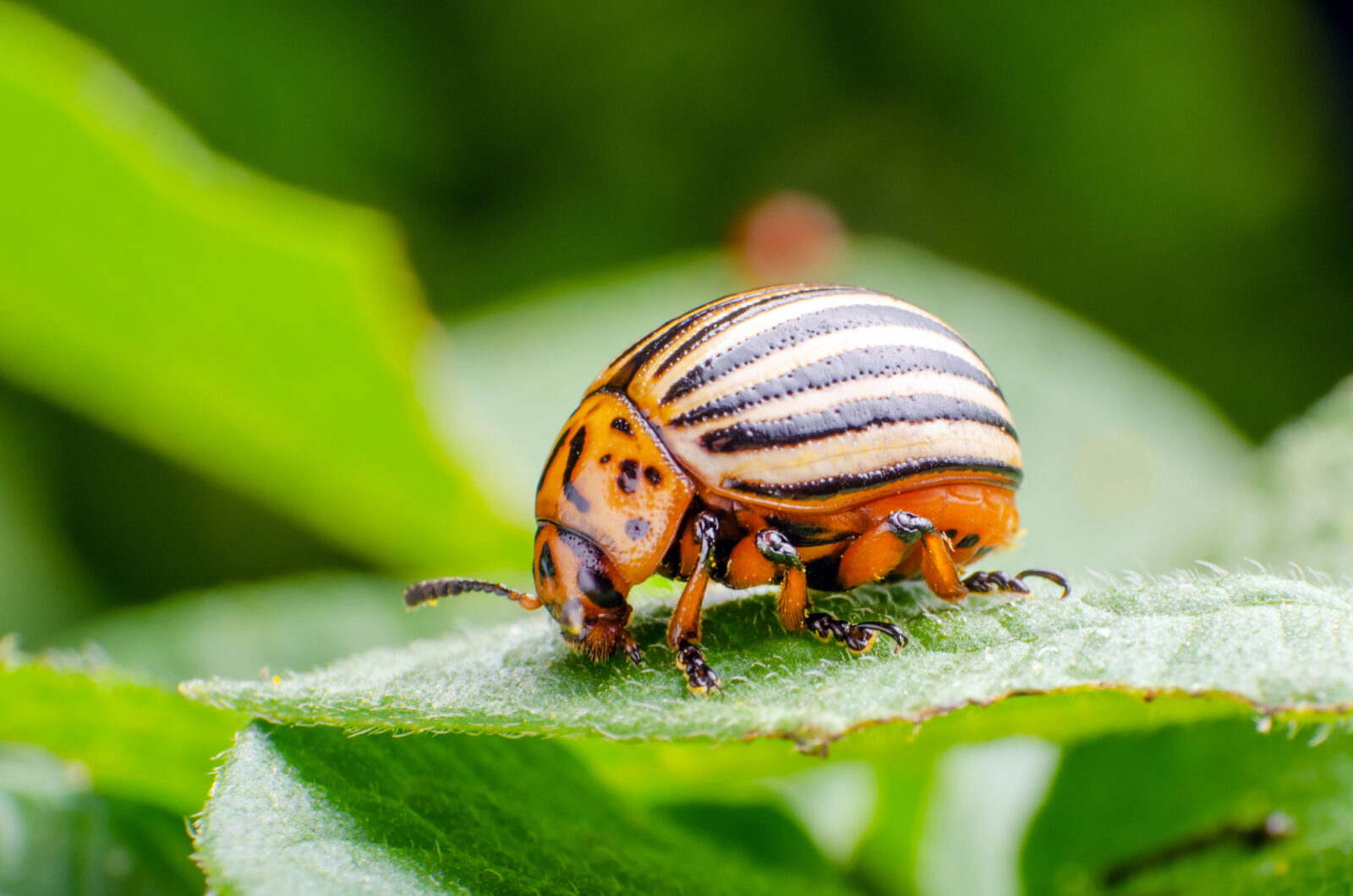
Herbs and essential oils as a natural repellent
In addition to a salt solution, you can also use the power of scents the beetle doesn’t like. A repellent effect is often attributed to rosemary, peppermint, lavender, or thyme, for example. You can grow these plants near your potatoes, or use essential oils to make an aromatic spray.
How to make an herbal oil spray
Add a few drops of the chosen essential oil to water and mix. Then apply to the leaves much like the salt solution, including the undersides. The effect tends to be more repellent and supportive, so it’s best to repeat the spray regularly—especially during the period when the pest appears most often in your garden.
With more sensitive plants, it’s sensible here too to test on a small part of the crop. Some oils can irritate leaf tissue at higher concentrations, especially if applied in strong sun. For that reason, it’s practical to spray in the morning or evening, when evaporation isn’t so rapid and the leaves aren’t overheated.
Physical inspection as the most reliable foundation
No homemade method is as dependable as regular crop checks. Hand-picking is labour-intensive, but for smaller plantings it’s one of the most effective options because it removes adults and larvae immediately. If you start early and stay consistent, you can significantly reduce pest pressure without any risk to the soil.
How to dispose of the beetles safely
As you walk the beds, pick beetles and larvae directly from the leaves. It helps to keep a bowl of soapy water to drop them into. The soapy water disables them quickly and you don’t have to figure out what to do with them. Check repeatedly, because beetles can return and their development happens in waves.
How to combine methods for a better result
The best results usually come from combining approaches. Hand-picking works as the basic immediate intervention, while a salt spray or herbal aroma can help limit further development and reduce the number of larvae. The key is to monitor plant condition, act early, and avoid overdoing concentration or frequency so the protection doesn’t become another problem for your potatoes.
If you inspect the garden regularly, step in at the first signs, and choose gentle methods with a bit of common sense, you can keep the Colorado potato beetle under control even without harsh chemicals.
Source: Plant Voice, Larabine Jardin, Pestrazahrada.cz

A lover of nature, gardens, and everything that moves, blooms, or grows. He literally grows everything, from herbs to rare species, and he enjoys caring for animals just as much. In his work, he connects modern technology with tried-and-tested grandmotherly methods and is happy when both paths lead to the same goal.
Related articles
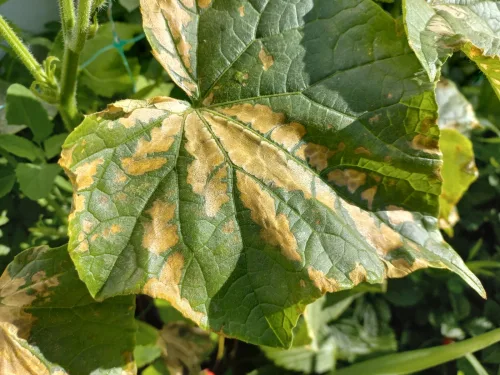
Yellowing cucumber leaves have a clear cause and with the right response plants recover quickly
Cucumber leaves turn pale and yellow when the plant is under stress—most often from watering mistakes, nutrient imbalance, or sudden temperature swings. Spot the pattern early and you can restore growth and protect your harvest fast.
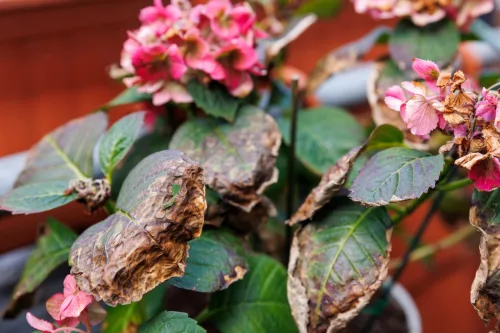
How to Get Browning Hydrangeas Back on Track Without Chemicals
Brown leaf edges or spots on hydrangeas usually point to a simple mismatch in light, watering, or airflow rather than a lost cause. Learn how to read the symptoms and restore your shrub quickly with gentle, practical fixes.
Turn Ground Cinnamon Into a Secret Weapon for Stronger, Tougher Plants
Ground cinnamon isn’t just for baking—it can help protect houseplants and garden plants from mould and fungal issues, support cuttings, and even act as quick first aid for minor wounds. Used lightly, it’s an affordable, gentle, natural add-on to good growing practice.
Comments (0)
Be the first to comment.