
 English
  Polski
  Deutsch
  Nederlands
  Svenska
  Norsk
Norsk  Dansk
Dansk  Français
  Italiano
  Español
  Português
  Slovenčina
  Suomi
Suomi  Gaeilge
 Most Common Mistakes When Growing Root Vegetables and How to Avoid Them
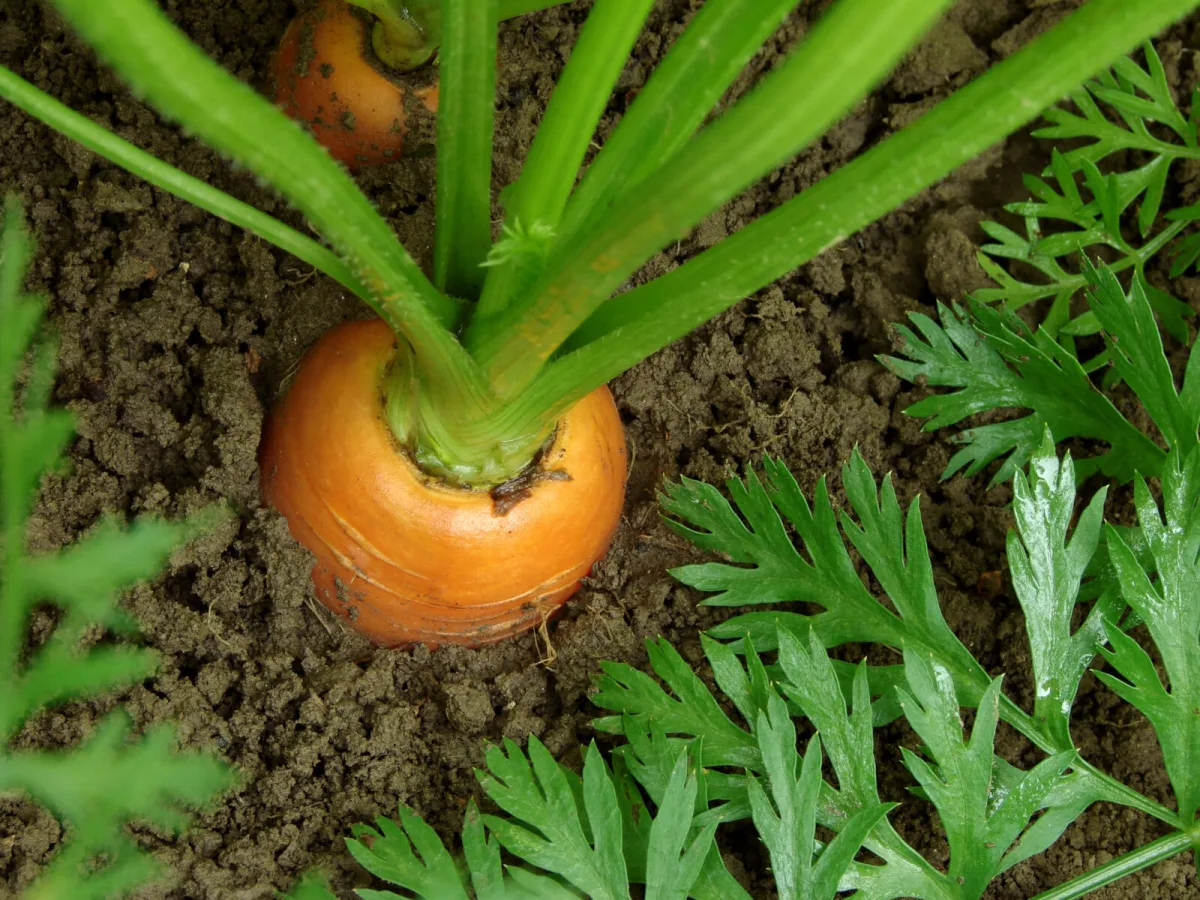
Growing carrots, beetroot, radishes, parsnips or even swedes is often more demanding than crops that get going quickly and establish easily. Root crops are usually sown straight into the bed, germinate more slowly, and any mistake with soil, moisture or spacing shows up in both the shape and size of the roots. But when it goes well, you’ll harvest a staple crop that stores for a long time and tastes fantastic. The recommendations below come from professional growers’ experience and are easy to apply even in a small garden.
The right timing determines flavour and colour
Most root vegetables develop best in cooler conditions. For an autumn harvest, sowing in July or August often pays off, as the plants mature into more comfortable temperatures. In cooler soil, root colours also tend to deepen, and flavour is usually fuller. In spring, choose early, quick-maturing varieties, while for summer sowings intended for autumn harvest and storage, go for slower, more robust varieties.
Sow most types directly where they’ll grow
Root crops generally need direct sowing so the root develops straight from the beginning, without interruption. Transplanting can cause distortion and slow growth. Beetroot is an exception and can be transplanted with gentle handling if you get the timing right. Some growers also try starting other types under cover to gain an advantage over weeds, but for the typical home garden, the safest approach is a well-prepared bed and direct sowing.
Enough sun is essential for good roots
Choose a sunny spot. In too much shade, plants struggle, make weaker tops, and the roots tend to be thinner and mature less well. If you have a choice, prioritise full sun, or at least a site that gets most of its light earlier in the day.
Careful soil preparation improves shape and yield
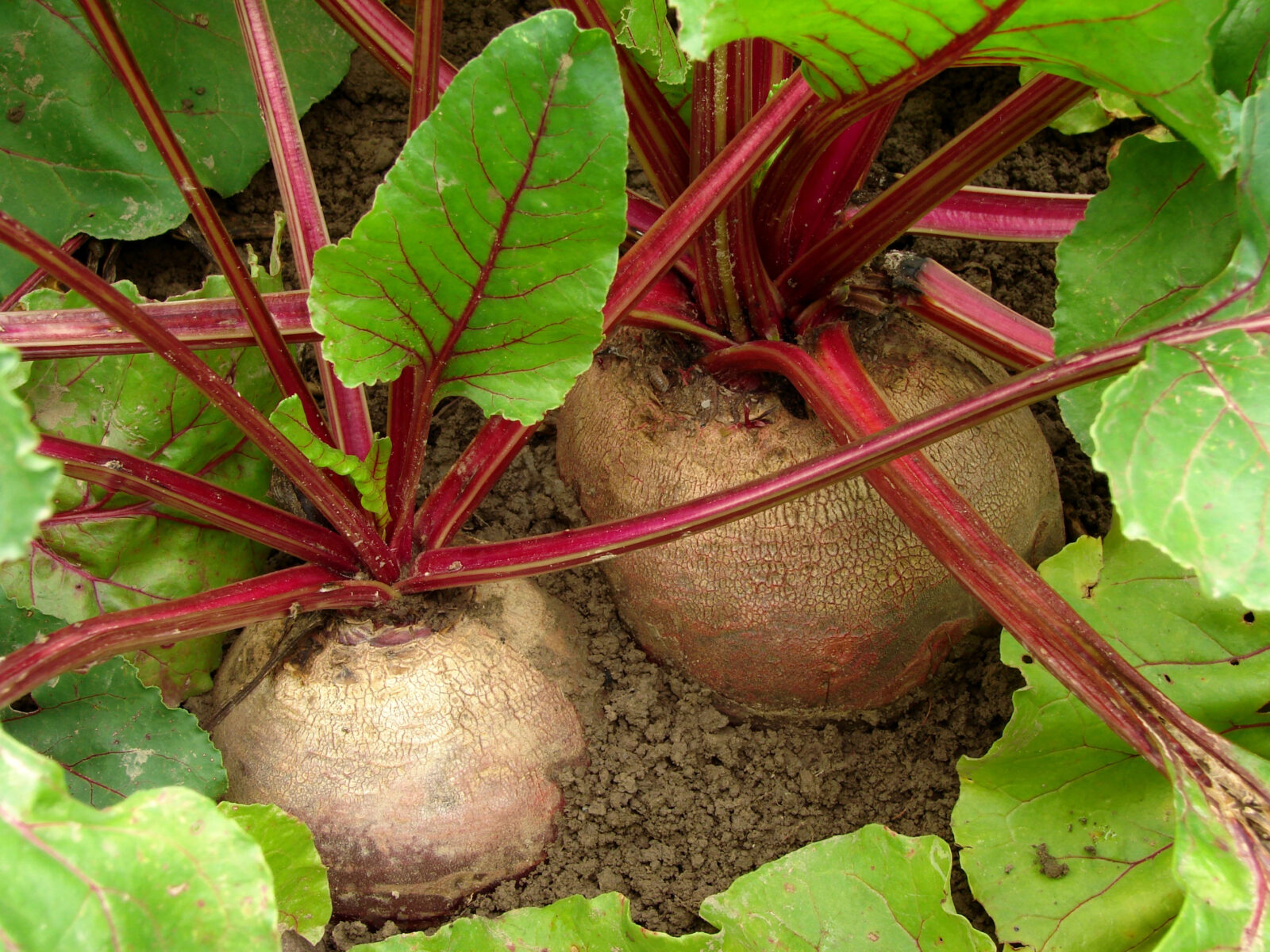
Roots need soil that’s loose but also evenly settled. First, loosen it thoroughly and remove stones and hard clods that would force roots to grow sideways or branch. Then lightly firm the bed before sowing so the seed has good contact with the soil. If you sow into soil that’s too fluffy, it will settle over time, which can bend or slow root growth. In heavier soils, a raised bed often helps, because the structure is easier to manage and the soil warms up faster.
Reduce weeds before you sow
Young root-veg seedlings are small at first and weeds can quickly overtake them. That’s why it pays to reduce weed pressure in advance. Covering the bed with a tarp or using another method of excluding light can help, as can repeated shallow hoeing and destroying emerging weeds for two to three weeks before sowing. It can also be useful to water the bed once to encourage weed seeds to germinate so you can remove them before you sow your crop.
Moisten the seedbed before sowing and keep moisture even
Root-crop seed germinates best in consistently moist soil. A practical trick is to water the bed well before sowing, then after sowing keep to smaller but more frequent waterings. One heavy watering can create a crust or wash seed out. To hold moisture until germination, you can cover the row with lightweight fleece, or another breathable material that helps retain water without overheating the soil.
Get spacing right at sowing and you’ll save work later
With root vegetables, spacing has a big impact on both size and uniformity of the harvest. It’s tempting to sow thickly because it’s quick, but then you’re faced with time-consuming thinning. If you take the trouble to get close to the recommended spacing at sowing, you’ll make subsequent care much easier. Pelleted seed can help too, as it’s easier to dispense and place more evenly.
For higher yields, choose varieties that tolerate closer spacing and give them time
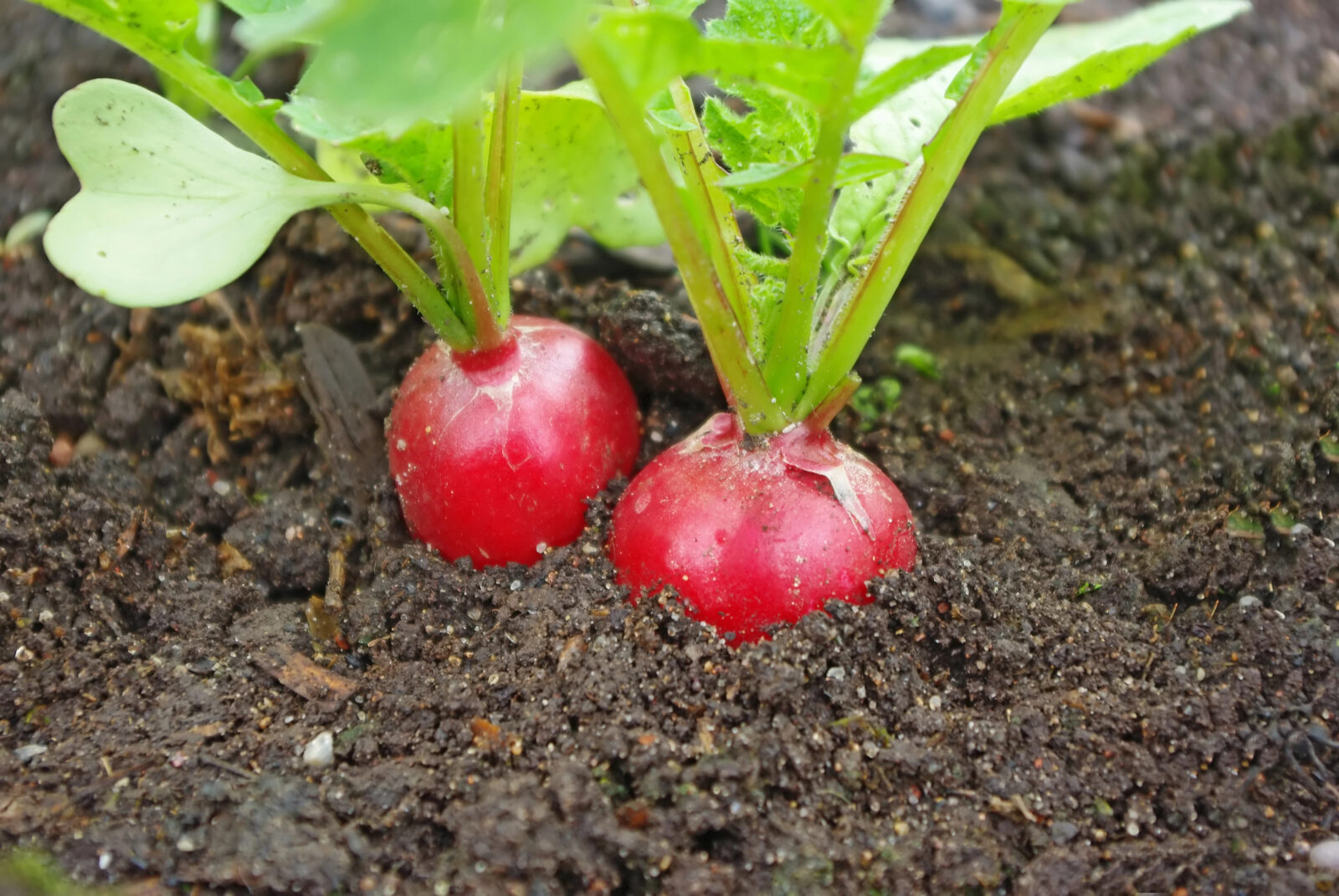
Some varieties of carrots, beetroot or radishes handle tighter spacing better than others. This is especially useful where you can’t keep ideal spacing or where you want to maximise harvest from a small area. But the closer the roots are to each other, the more slowly they reach harvest size. With denser sowings, plan for a longer growing period and don’t rush to harvest.
Time thinning according to the crop and seedling size
Even with careful sowing, you often won’t avoid thinning. The best time is when seedlings are large enough to grasp easily and pull without unnecessary damage to neighbours. Some crops, such as rutabaga and swede, can be more sensitive to crowding early on and benefit from space sooner so the root can start swelling well. Radishes and beetroot can be thinned as soon as the first true leaves appear. With carrots and parsnips, it’s better not to hurry too much, because they germinate slowly and with premature thinning you can accidentally clear a spot where more seedlings haven’t yet emerged. Wait until the seedlings are more obvious and sturdier.
Once roots start bulking up, don’t let them dry out
Regular watering always matters, but it’s most critical when the root starts to visibly thicken. Fluctuating moisture can lead to cracking, woodiness, or poorer flesh quality. Aim for even moisture without extremes, especially in light soils that dry out quickly. A steady watering routine usually results in smoother roots and a more consistent harvest.
Root vegetables as a growing milestone
A well-grown carrot or parsnip is, for many growers, proof that they’ve mastered the basics of soil, moisture and timing. Harvesting then feels like digging up little treasures.
Root crops can be more demanding at the start than, say, tomato plants you’ve already raised as strong transplants. But if you fine-tune sowing time, prepare a barrier-free soil and keep moisture steady, they’ll reward you with vegetables that store easily and serve you for a large part of the year.
Source: Roots and Refuge, Laidback Gardener, Pestrazahrada.cz

A lover of nature, gardens, and everything that moves, blooms, or grows. He literally grows everything, from herbs to rare species, and he enjoys caring for animals just as much. In his work, he connects modern technology with tried-and-tested grandmotherly methods and is happy when both paths lead to the same goal.
Related articles
Next year you can harvest better if you don’t sow carrots where they won’t thrive
Carrot root fly can ruin carrots, parsley and celery from the inside out, often without obvious warning until harvest. Better site choice, rotation, later sowing and simple physical barriers can dramatically cut damage next season.

How to Propagate Roses from Cuttings at Home and Fill Your Garden with Blooms Almost for Free
Want more roses without paying for new plants? With a few healthy cuttings and a simple plastic-bottle mini greenhouse, you can root new bushes at home in just a few weeks.
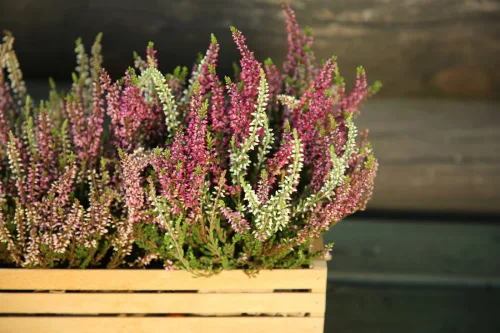
Heathers can cope where other plants won’t, but one soil detail decides everything
Heathers and heaths are tough evergreen shrubs that can flower across the seasons when you choose the right types. Success hinges on matching the plant to your soil pH and ensuring free drainage.
Comments (0)
Be the first to comment.