
 English
  Polski
  Deutsch
  Nederlands
  Svenska
  Norsk
Norsk  Dansk
Dansk  Français
  Italiano
  Español
  Português
  Slovenčina
  Suomi
Suomi  Gaeilge
 Invasive Asian hornet spotted in Bohemia as officials search for a nest
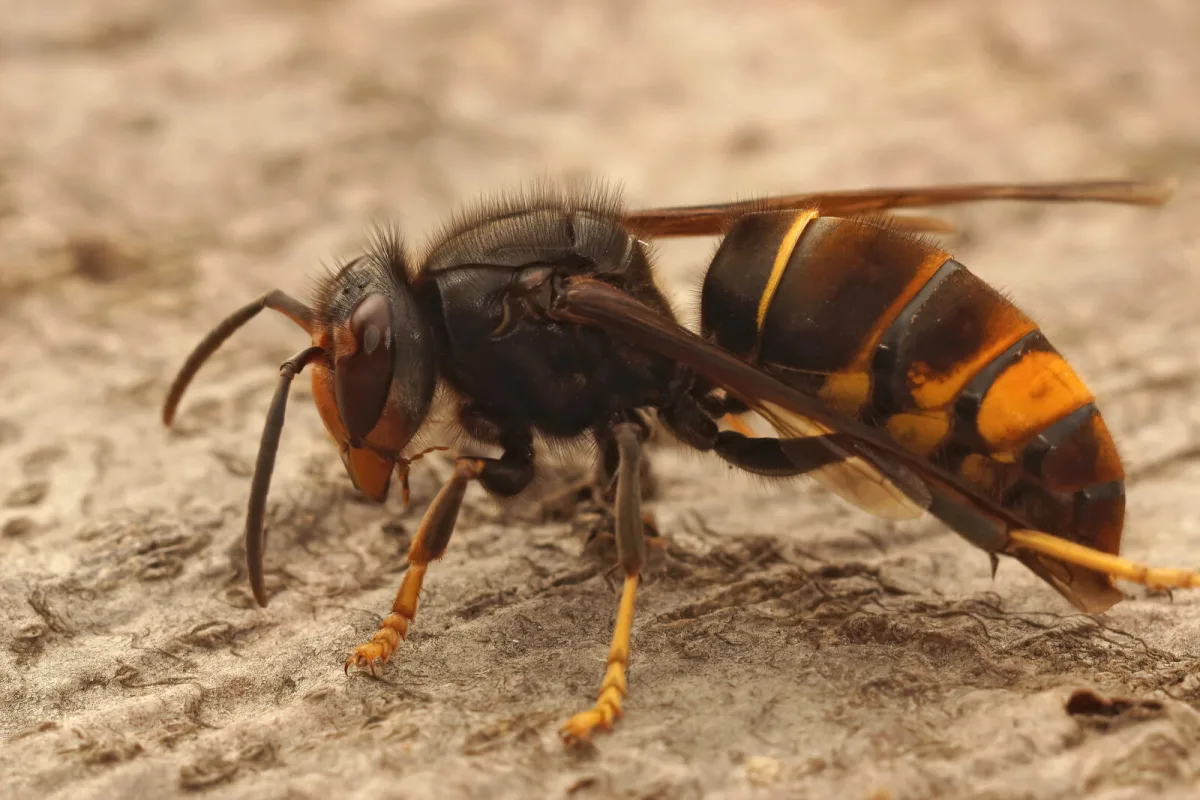
In Liběchov in the Mělník area, a single Asian hornet has been spotted repeatedly during July and in early August. It is a non-native invasive species that can seriously threaten honey bee colonies in particular, as well as other wild insects. So far, experts have not been able to confirm whether there is a nest in the surrounding area, or whether it was just a lone individual that reached the area, for example with a shipment of goods.
The agency is asking the public for help
The Czech Nature Conservation Agency is urging people to report any suspicious sightings. According to experts, a rapid response is crucial, because the most effective defence is to find and remove the nest early. The Asian hornet was first recorded in the Czech Republic in 2023, and in several cases the presence was detected in time and the nests were subsequently destroyed.
A mild winter can make spread easier
Milder winters can favour invasive species, because a larger proportion of individuals survive into the next season. That increases the likelihood that the Asian hornet will appear more often and in more places across the Czech Republic if timely action is not taken.
How to recognise the Asian hornet and why a hunch isn’t enough
The Asian hornet spread into Europe from Southeast Asia and has been present on the continent since 2004. Compared with the European hornet, it is usually distinguished by its darker body colouring and striking yellow leg tips. Even so, a simple sighting can be misleading, which is why a photograph is very important when reporting, as it allows identification to be verified.
Where to look and when you’re most likely to spot one
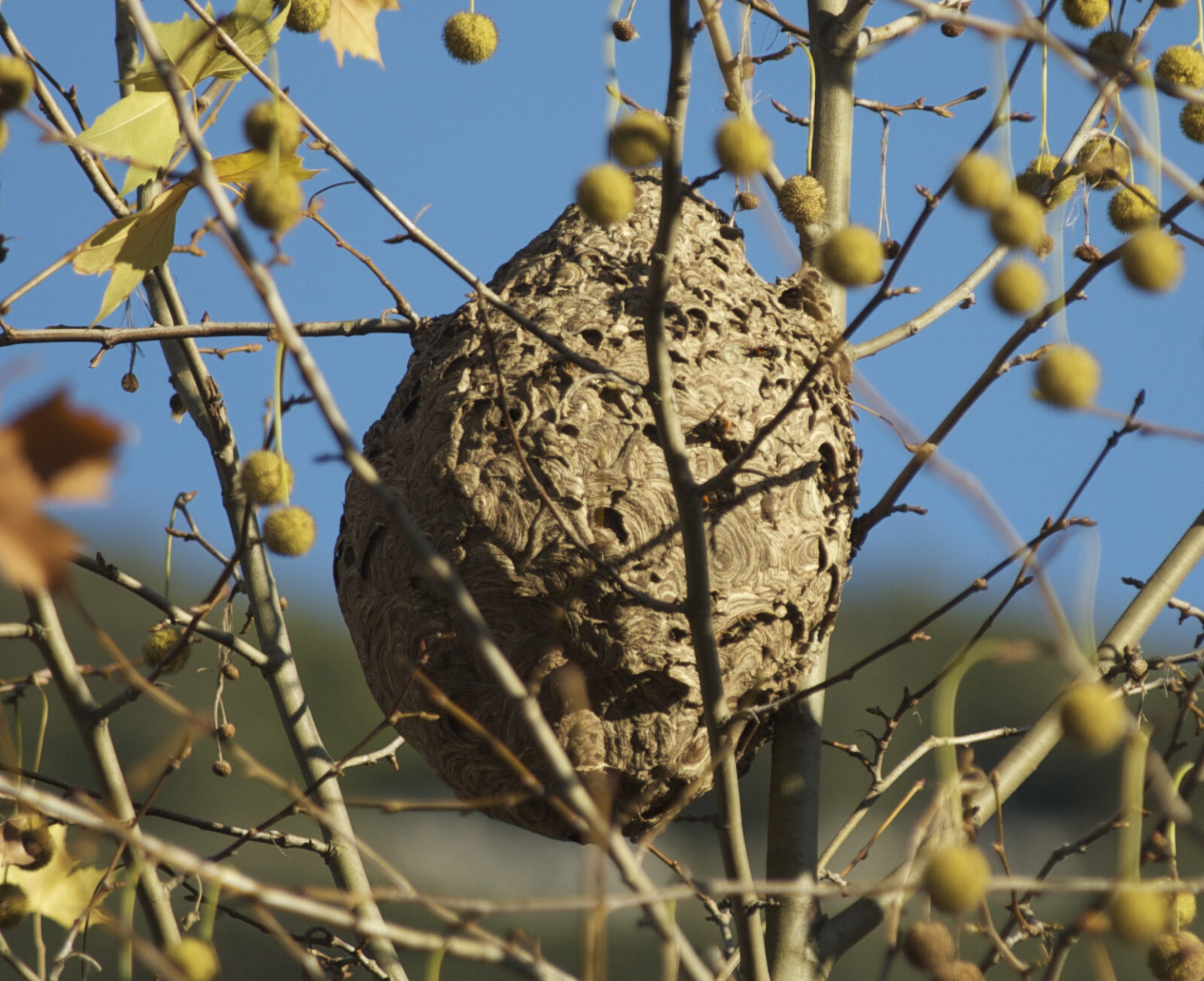
Nests are often high in the tree canopy, but they can also appear on buildings. At this time of year, there’s a better chance of seeing hornets and wasps on ripe fruit, for example pears. Experts note that searching in the field is difficult and, without information from the public, it’s like looking for a needle in a haystack.
What to do if you find one and what to avoid
People should keep a safe distance and should not try to catch or kill the hornet. If possible, take the sharpest photograph you can and note the location as precisely as possible. Sightings can be reported by email at [email protected], via the Nahlas sršeň app, or through the Najdi.je platform.
Do not approach the nest and do not attempt to remove it yourself. The response should be handled by specialists.
What the nest looks like and how to tell it apart
Towards the end of the season, nests can be very large, often spherical to pear-shaped, and can reach several tens of centimetres; the largest can be more than half a metre across. A typical feature is the entrance hole positioned on the side of the nest. If someone comes across a similar structure, it is important to document it only from a safe distance and pass the information on to experts.
Source: Agentura ochrany přírody a krajiny ČR, Seznam Zprávy, Blesk, Pestrazahrada.cz

A lover of nature, gardens, and everything that moves, blooms, or grows. He literally grows everything, from herbs to rare species, and he enjoys caring for animals just as much. In his work, he connects modern technology with tried-and-tested grandmotherly methods and is happy when both paths lead to the same goal.
Related articles

Three Mistakes When Packing Cabbage into a Crock That Can Turn Your Winter Stores into Waste
Traditional crock-fermented sauerkraut keeps for months and stays wonderfully crisp—if you avoid a few common missteps. Here are the three mistakes that most often lead to soft, grey, foul-smelling cabbage and how to prevent them.
One Rat in the Garden Can Quickly Turn Into a Colony How to Prevent It Without Chemicals
A rat on your property is a warning sign that your garden is offering food and shelter. With a few practical, chemical-free changes, you can make the area far less attractive and stop a bigger infestation taking hold.
Garden robotics and automation save time but one thing surprises owners after purchase
Robotic mowers, smart irrigation and garden sensors can take over routine tasks and improve day-to-day plant care. The catch is that the real cost and upkeep often become clear only after you’ve bought in.
Comments (0)
Be the first to comment.