
 English
  Polski
  Deutsch
  Nederlands
  Svenska
  Norsk
Norsk  Dansk
Dansk  Français
  Italiano
  Español
  Português
  Slovenčina
  Suomi
Suomi  Gaeilge
 If You Have Snakes in Your Garden, One Small Mistake May Be to Blame
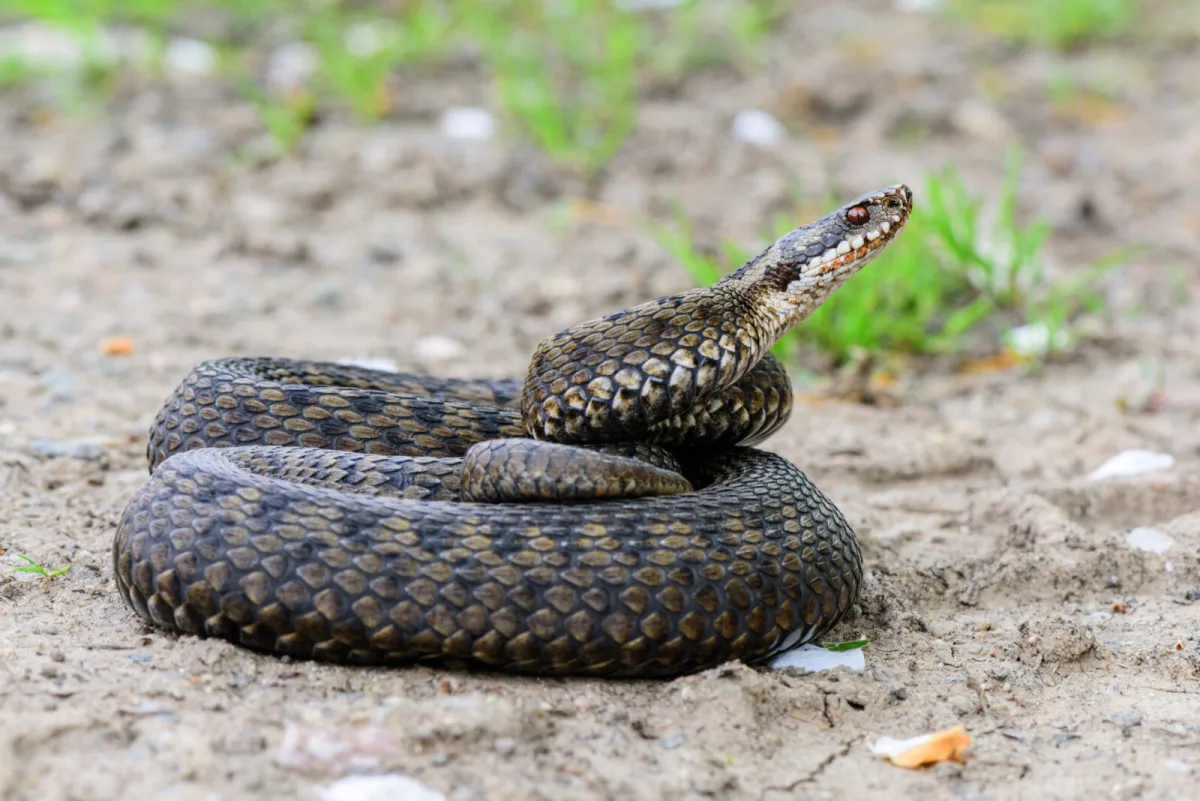
Snakes are a natural part of the ecosystem and, in most cases, they prefer to avoid people. Even so, it’s not pleasant to run into one on your own property, especially if children or pets are using the garden. The good news is that snake sightings are often linked to the conditions we unknowingly create. If you drop a few typical habits, you’ll reduce the likelihood that they choose your plot as a hiding place or hunting ground.
Mistake one: tall grass left uncut for too long
Long, rank growth is ideal for snakes. It gives them cover from predators and from people, and it also lets them move quietly while searching for food. Regular mowing, then, isn’t just about looks. It’s a simple preventative step that makes the garden less attractive, because there are fewer places to hide easily.
Mistake two: piles of wood, leaves and garden waste
Stacked firewood, heaps of leaves, prunings, larger stones, or general clutter left after jobs create cooler, safer hiding places. Snakes use them as shelter from sun, rain, and everyday disturbance in the garden. If you want to limit visits, it pays to keep things tidy and either remove these piles or at least store them so they don’t form hollows and crevices that invite animals to tuck themselves away.
Mistake three: a surge in rodents
Mice, rats and other small rodents are natural prey for many snakes. When a garden provides plenty of food, the chance of a predator turning up increases too. As soon as you notice gnawed remnants, droppings, burrows, or regular rodent activity, it’s better to act early. By reducing rodents, you also remove one of the main reasons snakes would find it worthwhile to come onto the property and stay.
Mistake four: feeding dogs and cats outdoors
Leftover kibble and tinned food, or bowls left out permanently on a patio or by a kennel, can attract rodents. And where they appear, a snake may follow. If possible, feed pets indoors. If that’s not an option, put bowls away straight after feeding and don’t leave food accessible. Proper storage of pet food in well-sealed containers is also important, so pests can’t get to it even overnight.
Mistake five: overwatering and permanently wet soil
Overly frequent watering keeps soil damp for long periods. In that kind of environment, earthworms and other small creatures thrive, and an entire food chain builds around them. While snakes don’t typically hunt earthworms, increased activity among small garden wildlife can indirectly support the presence of species that are suitable prey for snakes. Water sensibly, according to the weather and your soil type, and avoid unnecessary waterlogging of both beds and lawn.
How to make your garden less appealing to snakes
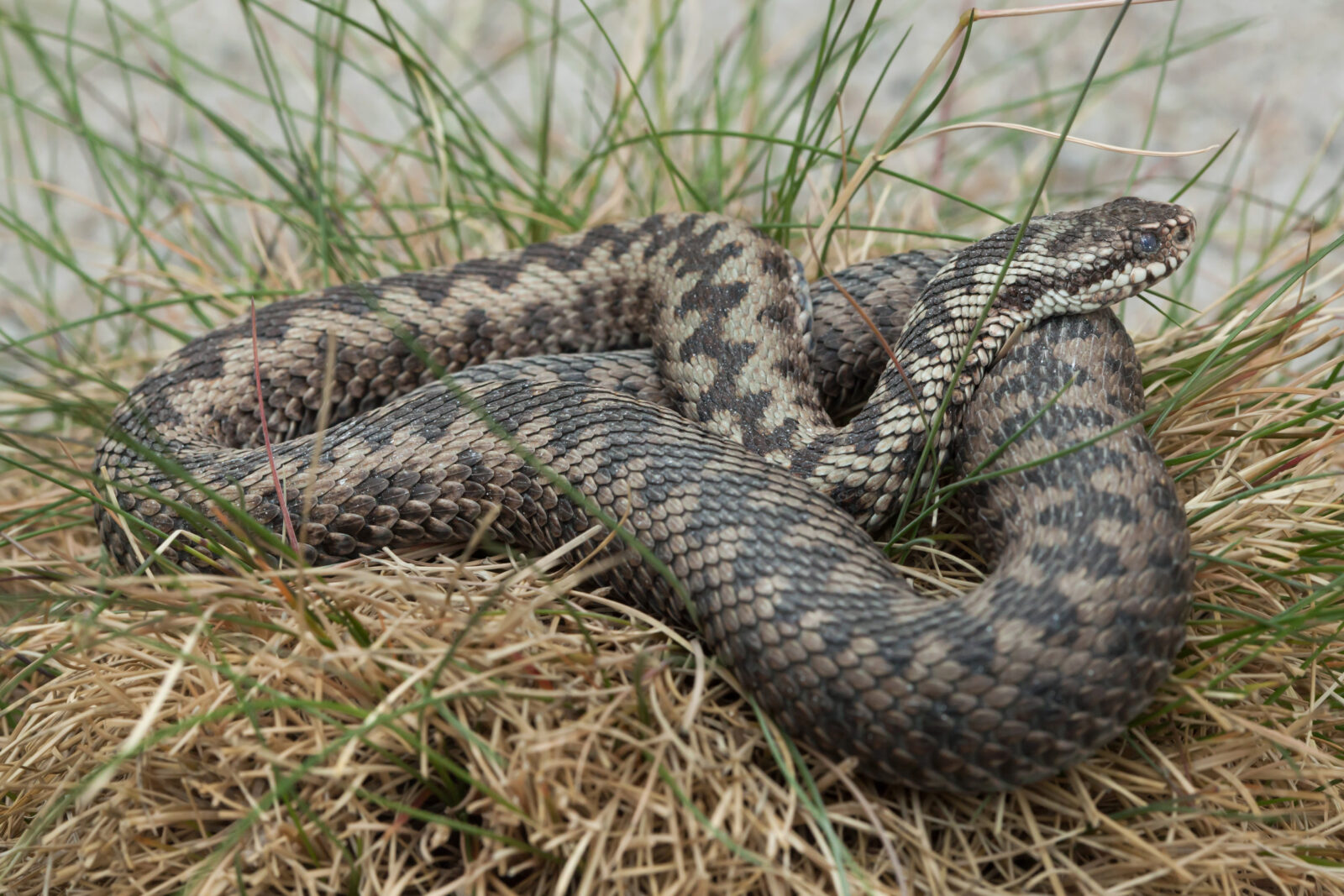
The most effective approach is regular upkeep. A closely maintained lawn, shrubs kept open and not overgrown into dense pockets, waste piles removed, and fewer hiding places overall turn the garden into a place where snakes find it harder to rest and hunt. At the same time, take care when tidying. If you’re moving wood, leaves, or stones, do it slowly and from a safe distance, because that’s exactly where an animal may be hidden.
What to do if you actually see a snake on your property
If you spot a snake, don’t try to catch it or move it yourself. The safest option is to stay calm, keep your distance, and leave it a clear escape route so it can slip away on its own. If it’s in a place where it could pose a risk to people or pets, contact the relevant emergency services or specialists who can deal with the situation safely. That protects both you and the animal.
Source: Záhrada, RHS, Pestrazahrada.cz

A lover of nature, gardens, and everything that moves, blooms, or grows. He literally grows everything, from herbs to rare species, and he enjoys caring for animals just as much. In his work, he connects modern technology with tried-and-tested grandmotherly methods and is happy when both paths lead to the same goal.
Related articles
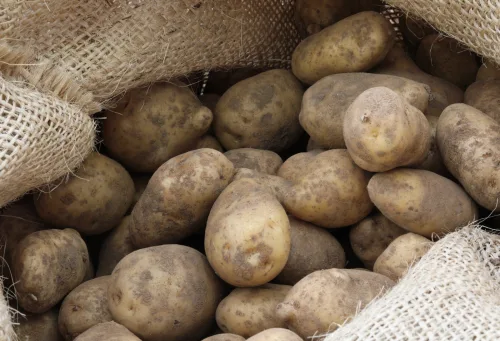
How to Choose a Sack for Storing Potatoes So They Don’t End Up in the Compost in a Few Weeks
The right storage sack helps protect potatoes from light and excess moisture, two common reasons they spoil. Learn when to choose a jute sack or a paper sack and how to keep your crop sound for months.
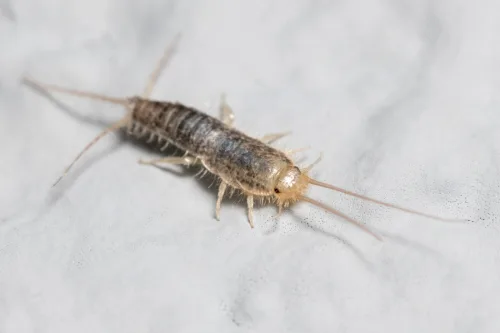
Silverfish Appear at Night and Vanish into Cracks Get Rid of Them with One Change Not a Spray
Silverfish thrive in dark, damp corners and often show up only at night. Long-term control comes from drying the space and removing hiding places, not just spraying chemicals.
How to Safely Tell Czech and Chinese Garlic Apart in the Shop by Taste, Appearance and Quality
Czech and Chinese garlic can look similar at first glance, but they differ noticeably in flavour, aroma, bulb structure and keeping quality. Learn the quick visual and kitchen tests that help you choose the better bulb with confidence.
Comments (0)
Be the first to comment.