
 English
  Polski
  Deutsch
  Nederlands
  Svenska
  Norsk
Norsk  Dansk
Dansk  Français
  Italiano
  Español
  Português
  Slovenčina
  Suomi
Suomi  Gaeilge
 How to store potatoes so they last until spring without rotting
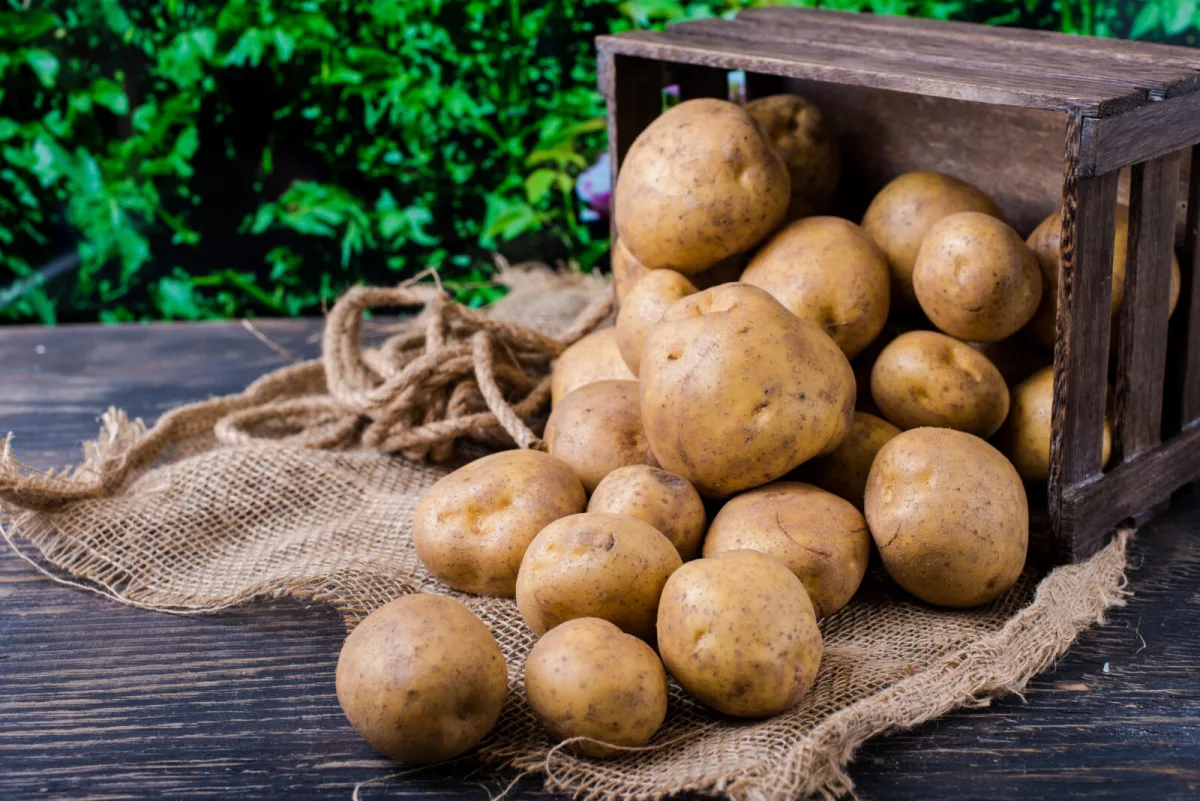
In autumn you carry firm, healthy-looking potatoes down to the cellar, yet over the course of winter some still disappoint. Some go soft, others start to sprout, and others gradually develop rot. Often it’s not that the harvest was bad. The outcome is frequently decided by small storage habits that are easy to forget. The old rule is simple: potatoes should go into storage dry, properly mature, and able to breathe.
After harvest, don’t rush them straight into the cellar
Freshly lifted potatoes need a short preparation period. Before you store them for winter, leave them for about 10 to 14 days in a dark, well-ventilated place. During this time the skin surface dries and minor scrapes have a chance to seal over. This step significantly reduces the risk of wet patches and rot appearing later. Move them to the cellar only once they’re truly dry.
Separate damaged tubers with no compromises
Potatoes that have been nicked by a spade, badly bruised, soft, or already showing suspicious spots don’t belong in long-term stores. A single rotting tuber can gradually spoil the surrounding ones because the problem spreads easily. For storage, choose only mature, firm potatoes with intact skins. Set the damaged ones aside and use them as soon as possible.
Not washing means less moisture and a lower risk of spoilage
If the potatoes are simply soil-covered, there’s no reason to wash them before storing. Just gently rub off larger clumps of dry soil. Washing adds unnecessary water to storage and increases the chance of mould and rot. If you have washed them, they must be allowed to dry completely before storing, otherwise you’ll carry the problem into the cellar from day one.
Cool and dark are essential heat and light are the enemies
For long-term storage, the most important factors are steady cool temperatures, darkness, and sensible humidity. A temperature of roughly 4 to 7 °C is often recommended, although it can vary slightly depending on the variety and how you plan to use them. In a space that’s too warm, potatoes sprout faster, lose water, and gradually shrivel, so their quality drops.
Light is just as risky. Potatoes exposed to light can turn green because the level of glycoalkaloids increases. Strongly greened tubers are not suitable to eat, so protect them from light consistently during storage.
Potatoes need air and must not sweat
Long-term stores don’t belong in airtight containers. Tightly sealed buckets or non-breathable plastic boxes encourage sweating and the problems that follow. Potatoes need air circulation, so crates with gaps, breathable sacks, or other packaging that allows airflow are a better choice.
Humidity matters too. If the air is too dry, the tubers shrivel and dehydrate. At the same time, you must avoid condensation and a persistently damp surface, because that creates ideal conditions for rot. The goal is balance: potatoes should stay firm, but not wet.
Regular checks decide whether they make it to spring
Even if you maintain the right conditions, it doesn’t pay to leave potatoes unattended all winter. Every so often, go through your stores and remove any tubers that look suspect. Watch especially for unpleasant odours, wet patches, softening, and early rot. As soon as you find a problem tuber, remove it as quickly as possible so spoilage doesn’t spread further.
Simple rules that work better than random tricks
Reliable storage doesn’t depend on complicated methods, but on a few core principles. Store only healthy, undamaged potatoes, give them around two weeks to cure in darkness with good airflow after harvest, don’t wash them unnecessarily before storing, and keep them out of the light. Maintain cool conditions roughly between 4 and 7 °C and use containers that allow ventilation. By keeping an eye on condensation and checking your stores regularly, you’ll achieve far more than with unproven tips. When tubers are dry, in the dark, kept cool, and have airflow, good-quality potatoes will easily last for many months and reach spring in decent condition.
Source: The Kitchn, GrowVeg, Pestrazahrada.cz

A lover of nature, gardens, and everything that moves, blooms, or grows. He literally grows everything, from herbs to rare species, and he enjoys caring for animals just as much. In his work, he connects modern technology with tried-and-tested grandmotherly methods and is happy when both paths lead to the same goal.
Related articles
How to Safely Tell Czech and Chinese Garlic Apart in the Shop by Taste, Appearance and Quality
Czech and Chinese garlic can look similar at first glance, but they differ noticeably in flavour, aroma, bulb structure and keeping quality. Learn the quick visual and kitchen tests that help you choose the better bulb with confidence.
Three Mistakes When Packing Cabbage into a Crock That Can Turn Your Winter Stores into Waste
Traditional crock-fermented sauerkraut keeps for months and stays wonderfully crisp—if you avoid a few common missteps. Here are the three mistakes that most often lead to soft, grey, foul-smelling cabbage and how to prevent them.
One Rat in the Garden Can Quickly Turn Into a Colony How to Prevent It Without Chemicals
A rat on your property is a warning sign that your garden is offering food and shelter. With a few practical, chemical-free changes, you can make the area far less attractive and stop a bigger infestation taking hold.
Comments (0)
Be the first to comment.