
 English
  Polski
  Deutsch
  Nederlands
  Svenska
  Norsk
Norsk  Dansk
Dansk  Français
  Italiano
  Español
  Português
  Slovenčina
  Suomi
Suomi  Gaeilge
 How to Restore Outdoor Paving to Clean Condition Without Damage or Costly Mistakes
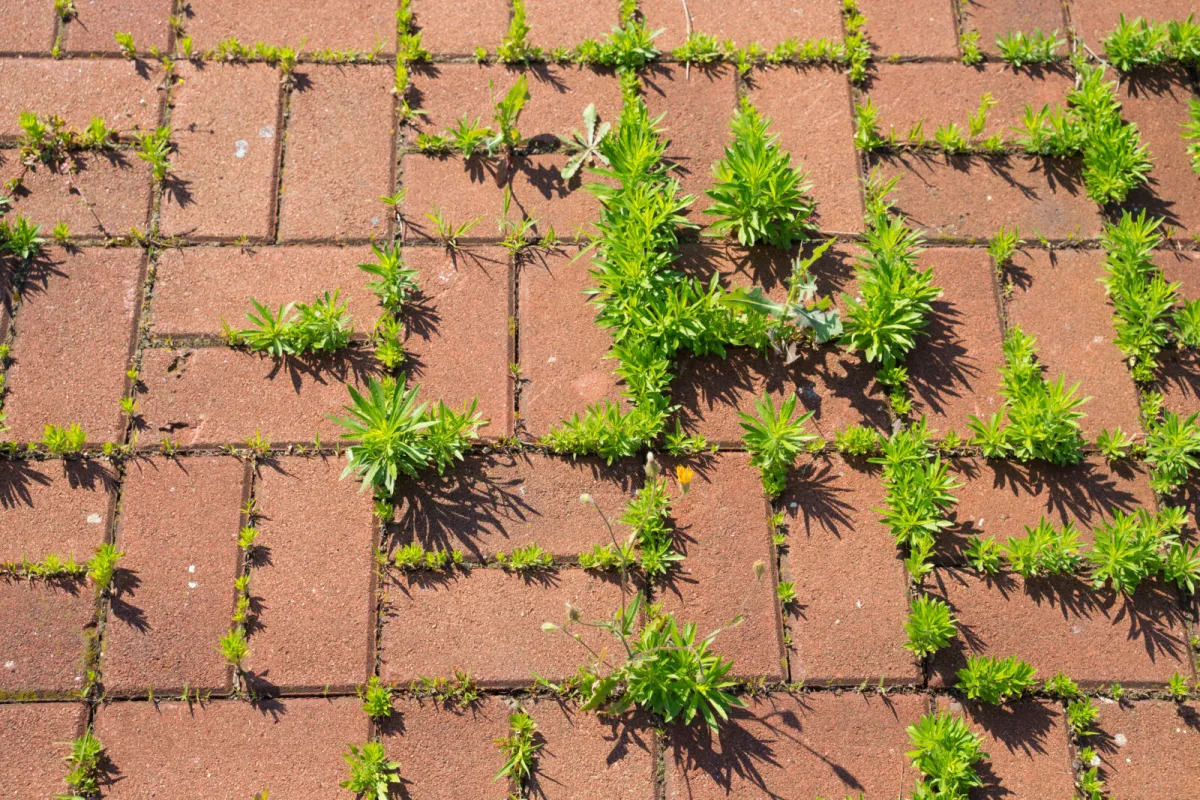
Winter may be over, but paths, patios and driveways often hold on to a mix of mud, dust, grit, moss and greasy stains. In spring there’s so much to do in the garden and around the house that paving easily gets pushed down the list. The longer dirt sits on the surface and in the joints, the harder it is to remove—and the more the material suffers. The good news is there are several approaches, from the gentlest to the quickest. The key is to choose a method to suit the surface type, and above all to avoid mistakes that can quietly destroy your paving.
The most common mistakes people make every spring
The biggest issue is being too aggressive. Many people reach straight for high pressure, aim directly into the joints and work too close, washing out the jointing sand and disturbing the bedding layer. Another common mistake is using the wrong chemicals without testing on a small area first, which can leave tide marks or pale patches. Follow-up care for the joints is often underestimated too, because after cleaning they can be left empty—and weeds then have ideal conditions. With more sensitive materials, especially natural stone, an unsuitable product can change the colour or etch the surface.
Hand cleaning with a brush and water as the gentlest option
If you want a low-risk approach and don’t mind spending the time, use a stiff brush and water. It’s a minimal-cost method that’s kind to joints and suitable even for more delicate outdoor surfaces. For everyday dirt, warm water with a little washing-up liquid is usually enough. Just bear in mind that old stains, ingrained grime or heavier moss will shift slowly, and the job can easily take hours.
Targeted cleaners work, but require caution
If you don’t want to scrub on your knees, choose specialist cleaners for concrete or block paving. They can tackle grease, rust and deeper soiling, and the principle is usually simple: apply, leave to work, then rinse thoroughly. What matters most is compatibility with the material. Some types of natural stone can react badly to acidic products—and the result won’t be a cleaner surface, but permanent damage.
Before using any cleaner, test it on a small, inconspicuous area. It can save you an unpleasant surprise in the form of tide marks and etched stains.
Various home remedies can sometimes help with specific stains, but it’s always better to stick to products intended for the surface in question and follow the instructions.
A garden hose as the sweet spot for routine maintenance
For a standard spring rinse, a stronger jet from the hose is often enough. It’s simple, gentle and surprisingly effective on regularly maintained areas. It’s particularly suitable for modern materials such as frost-resistant outdoor porcelain, where dirt doesn’t cling as readily thanks to the smoother surface. The advantage is that a hose stream usually doesn’t wash out the joints as aggressively as pressure washing. With natural stone, a combination of soapy water and rinsing is one of the safest ways to preserve a natural look.
A pressure washer cleans fast, but can cause damage
A pressure washer is quick and effective, and it often uses less water than prolonged rinsing with a hose. That’s exactly why it’s the most popular choice. But it has to be used sensibly. Too much pressure, working too close, or aiming straight into the joints can damage the concrete surface, break down its structure and, most importantly, wash out the jointing material. With brick pavers, you need to be twice as careful, because the surface can literally be “cut away”.
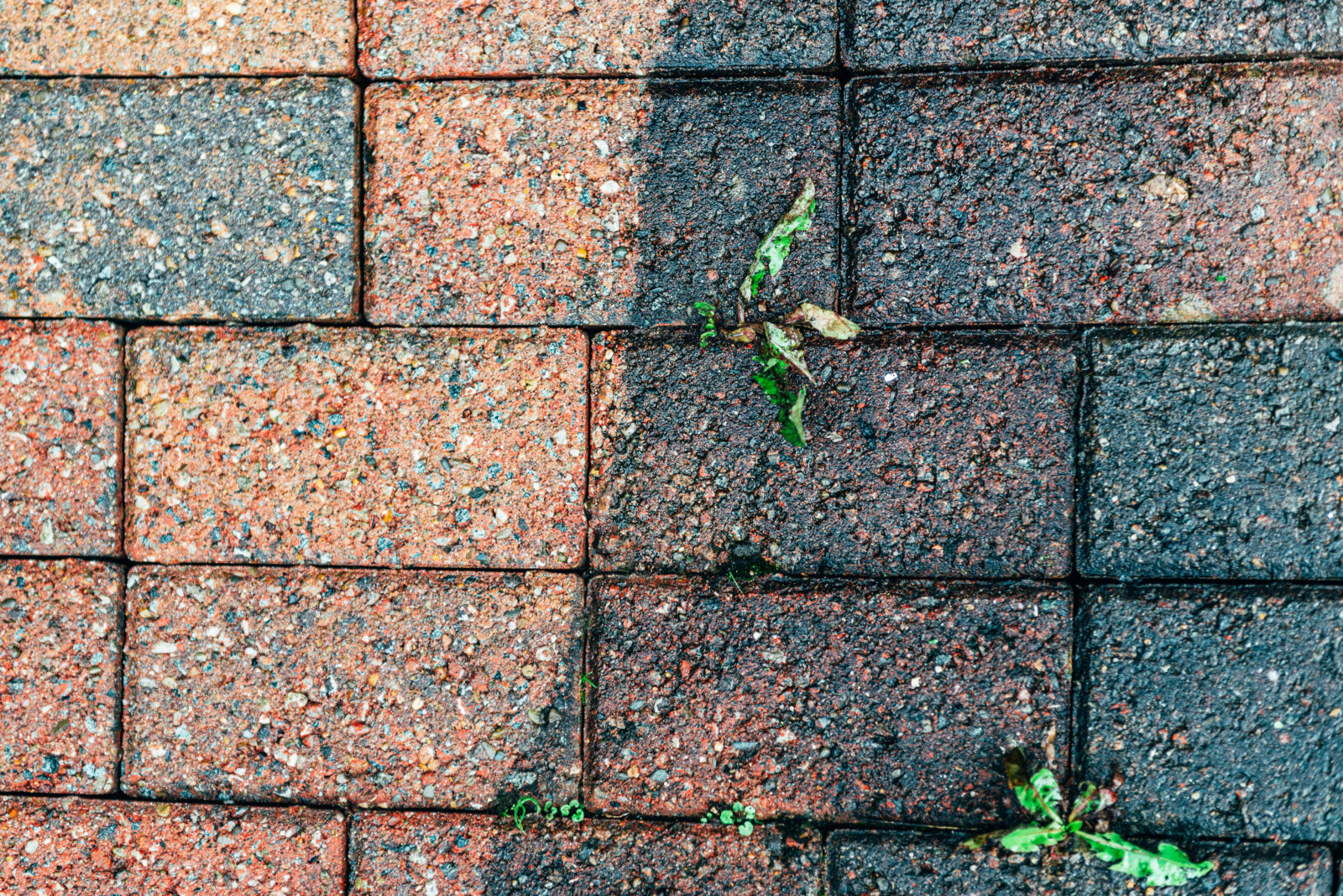
A safer approach is to spray at an angle, ideally around 45 degrees, so the water isn’t driven directly into the joints. When you’re finished, let the area dry and top up the joints. A practical choice is polymeric sand, which hardens after watering, firming up the joint fill and reducing weed growth and ant activity.
Steam cleaning as a compromise—no chemicals and no soaking
Steam cleaning is suitable for anyone who doesn’t want to use chemicals and also doesn’t want to turn the yard into a wet mess. Hot steam loosens dirt, helps eliminate the beginnings of moss and algae even in fine cracks, and can draw grime out of the pores of frost-resistant outdoor porcelain so it looks almost new. The downside is slower work, so a steam cleaner is better for smaller patios, door thresholds or short paths than for large driveways.
How to choose the right approach for your paving type
For routine maintenance, a hose is usually enough, or a brush if needed. For tougher concrete and block paving, pressure washing can be used too—provided the settings are sensible and the joints are refilled afterwards. Natural stone needs a gentler touch and extra care with chemicals. And if you want a deep clean without harsh products, steam is a good option, especially for smaller areas. If you match the method to the material and don’t neglect the joints, your paving will stay clean, stable and free from unnecessary damage for seasons to come.
Source: Novoceran, NC Tiles & Bath, Pestrazahrada.cz

A lover of nature, gardens, and everything that moves, blooms, or grows. He literally grows everything, from herbs to rare species, and he enjoys caring for animals just as much. In his work, he connects modern technology with tried-and-tested grandmotherly methods and is happy when both paths lead to the same goal.
Related articles
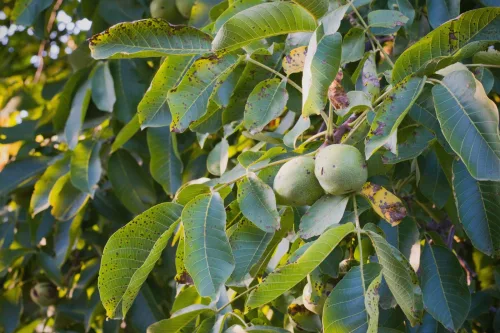
Why the Tree That Feeds a Family for Generations Is Disappearing from Czech Gardens
The English walnut used to be a staple of larger gardens and farmyards, valued for its nutritious nuts and many practical uses. With the right site and variety, it remains one of the most rewarding long-lived trees you can plant.

How to Get Rid of Mice and Rats in the House, Loft and Garden Effectively
Mice and rats don’t leave quietly—scratching sounds, droppings and gnaw marks are clear warnings. A lasting solution comes down to three steps: block entry points, remove food sources, then use traps or professional control.

Two Mistakes When Harvesting Onions Can Cut Your Supply by Months
With good growing and the right handling, onions can turn into a near year-round pantry staple. These simple harvest and curing steps determine whether they keep for weeks or for months.
Comments (0)
Be the first to comment.