
 English
  Polski
  Deutsch
  Nederlands
  Svenska
  Norsk
Norsk  Dansk
Dansk  Français
  Italiano
  Español
  Português
  Slovenčina
  Suomi
Suomi  Gaeilge
 How to Quickly Stop Tomato Leaves Turning Yellow and Restore Vigour and a Heavy Crop
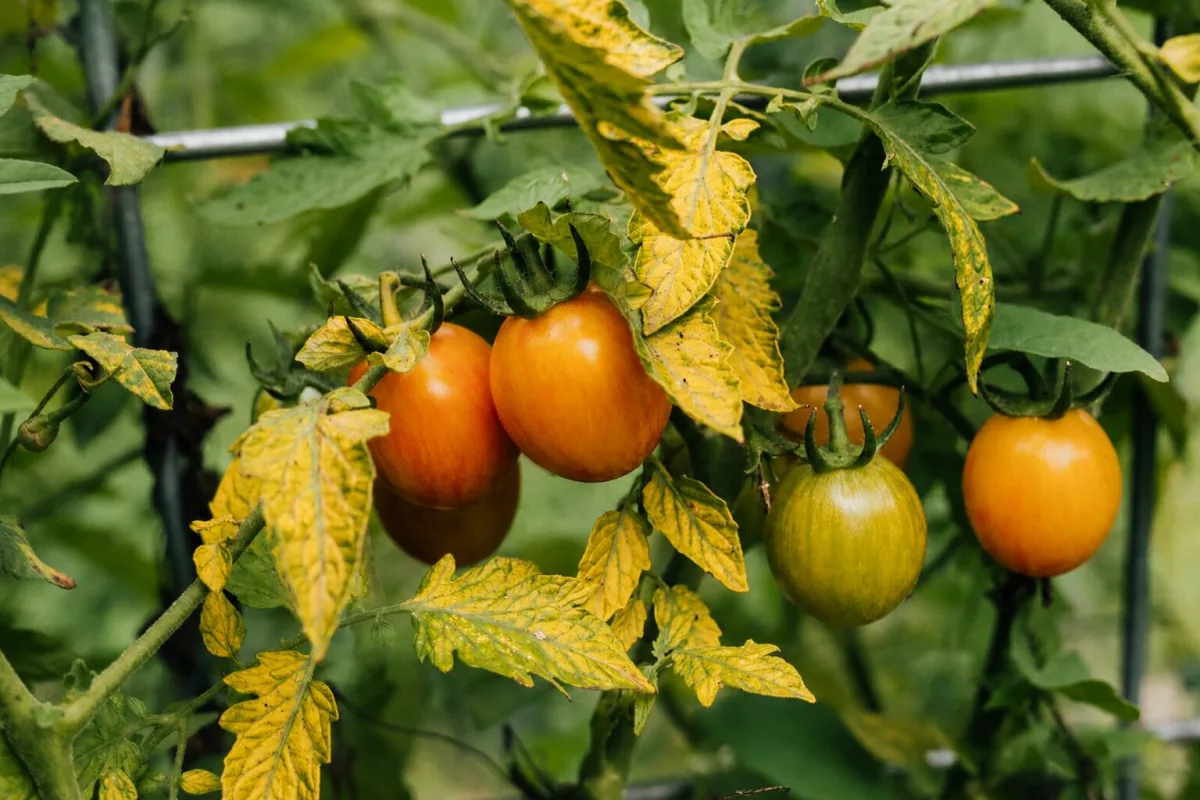
When yellowing leaves show up on tomatoes, many growers immediately fear disease. In reality, the cause is often much simpler. Most commonly it’s a nutrient deficiency, watering mistakes, or soil that doesn’t let the roots breathe properly. If you pinpoint the source of the problem in time, plants can visibly improve within a few days and start pushing out deep-green foliage again.
Leaf yellowing is sometimes referred to as chlorosis. It isn’t one specific fault, but a symptom that the tomato plant isn’t able to take up or use nutrients and water the way it needs to. That’s why it’s important first to notice what the yellowing looks like and where on the plant it starts.
The most common reasons tomato leaves turn yellow
Nitrogen deficiency
Nitrogen is essential for leafy growth. When there isn’t enough, the plant saves what it has for new shoots and pulls it from older leaves. Typically the lower, older leaves yellow first. Growth may also slow and flowering can be weaker, because the plant doesn’t have enough energy to keep developing.
Magnesium deficiency
If the leaves yellow between the veins while the veins stay green, it often points to a lack of magnesium. It shows up first on older leaves, and later the edges may start to dry out. Magnesium is vital for chlorophyll production, and without it the green colour gradually fades from the leaf.
Watering mistakes
Overwatering and underwatering can look very similar. In waterlogged soil, roots don’t get enough oxygen, they take up nutrients poorly, and the leaves start to pale and yellow. In dry conditions, roots can’t deliver nutrients to the top growth, leaves wilt and then change colour. With tomatoes, an even, deeper watering schedule without constantly wetting the surface is usually best.
Compacted soil and poor aeration
In compacted soil, roots struggle to spread and have limited access to air. The plant can then suffer even if you fertilise regularly, because nutrients don’t reach the roots efficiently. Light cultivation, mulch, and an overall more open soil structure help.
Early fungal issues
Prolonged damp, wet leaves, and poor airflow create ideal conditions for fungi. Symptoms often show up on the lower leaves first, initially as yellow spots. If the situation doesn’t improve, the spots can spread and leaves may gradually die back.
Home remedies that can quickly relieve stressed tomatoes
Epsom salt solution for magnesium deficiency
Epsom salt is magnesium sulphate and is one of the quickest ways to top up magnesium. Dissolve 2 tablespoons of Epsom salt in 4 litres of water. Apply the solution to the root zone, or lightly mist it onto the leaves as a foliar spray, where magnesium is absorbed very quickly. Don’t overdo the frequency, so you don’t stress the plant unnecessarily.
Compost tea to boost nitrogen
If the problem looks like a nitrogen deficiency, compost tea can help. Put compost into a bucket, cover with water, and leave it to steep for 2 to 3 days. Then pour the darker liquid around the roots. Tomatoes gain not only nitrogen, but also other beneficial substances and support for soil life.
Potassium humate for stronger roots and better nutrient uptake
Humates are formed as organic matter breaks down, and in the garden they work as a gentle tonic. They support root development, improve nutrient use, and can help a plant cope with stress from heat or inconsistent watering. Add a small amount to water according to the directions of the specific product.
Wood ash for overly acidic soil
If the soil is on the acidic side, tomatoes may struggle to take up certain nutrients. Wood ash contains potassium, slightly adjusts pH, and supports fruiting. Use only clean ash from untreated wood, sprinkle a thin layer around the plant, then water so the nutrients move into the root zone.
Apple cider vinegar as a gentle option when fungus is suspected
If the first spots appear and you suspect a fungal problem, you can try a mild spray. Mix 1 cup of apple cider vinegar with 4 litres of water and lightly mist the leaves. Don’t make the solution stronger, because higher concentrations can damage plant tissue.
How to use home treatments so they actually work
Water mainly at the roots and keep foliage as dry as possible
Wet leaves increase disease risk, especially when it’s warm and there isn’t much airflow through the planting. Aim your watering and any teas at the roots and avoid unnecessary overhead wetting of the foliage.
Morning is best
Morning applications give the plant time to use water and nutrients before midday heat. The surface also dries faster, which reduces pressure from fungal diseases.
Check soil moisture before you water again
A simple check is reliable. Push a finger about 5 cm into the soil. If it still feels moist, wait before watering again. Frequent overwatering is a more common issue than an occasional brief dry spell.
Remove fully yellow and damaged leaves
Leaves that are already completely yellow or look diseased only drain the plant. Carefully cutting them off also improves airflow close to the ground, where problems usually start first.
Don’t combine several remedies at once
Choose one approach, apply it, and watch the response for a few days. If you combine multiple interventions at the same time, it’s easy to miss the real cause and you may overload the plant unnecessarily.
Prevention that often stops yellowing before it starts
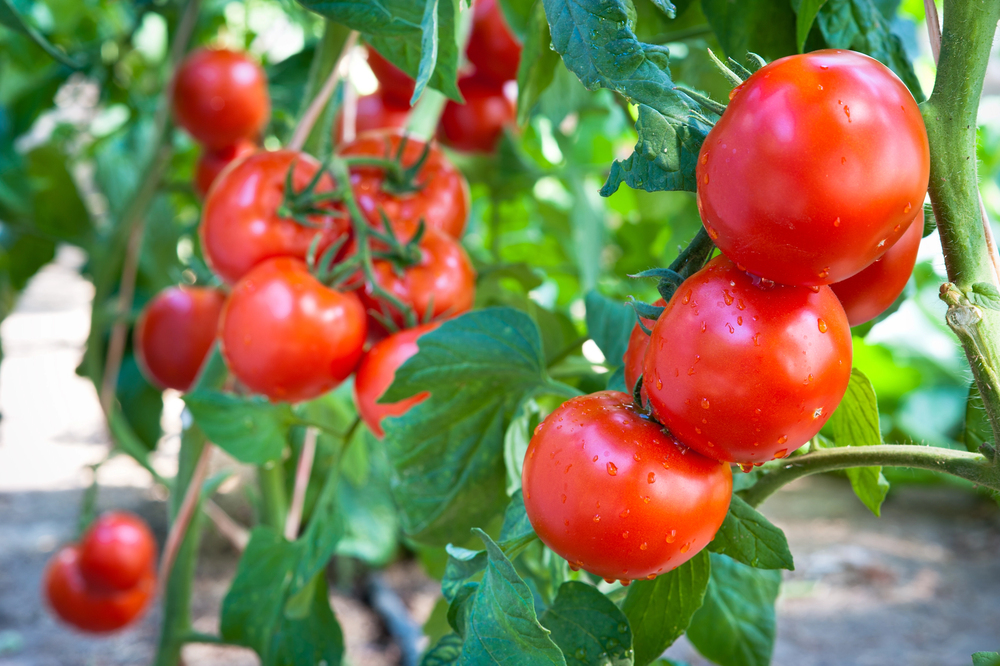
The foundation is consistency. Tomatoes appreciate steady watering, regular feeding with compost, mulch to hold moisture, and adequate spacing between plants. Removing the lowest leaves that touch the soil also helps, because that’s where moisture lingers and pathogens spread easily. With this kind of care, plants stay strong, leaves remain green, and yields are heavy all season.
In most cases, yellow leaves don’t mean the harvest is over, but simply a signal that tomatoes need watering adjusted, nutrients topped up, or soil conditions improved.
Source: Gardening Know How, To je nápad, Pestrazahrada.cz

A lover of nature, gardens, and everything that moves, blooms, or grows. He literally grows everything, from herbs to rare species, and he enjoys caring for animals just as much. In his work, he connects modern technology with tried-and-tested grandmotherly methods and is happy when both paths lead to the same goal.
Related articles
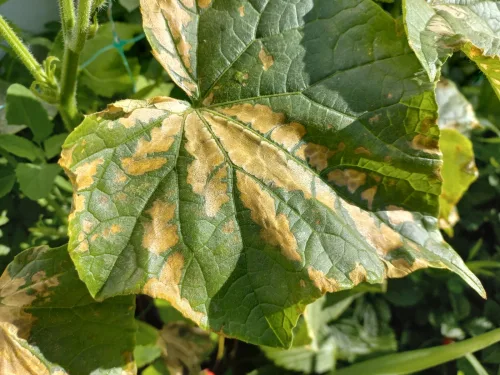
Yellowing cucumber leaves have a clear cause and with the right response plants recover quickly
Cucumber leaves turn pale and yellow when the plant is under stress—most often from watering mistakes, nutrient imbalance, or sudden temperature swings. Spot the pattern early and you can restore growth and protect your harvest fast.
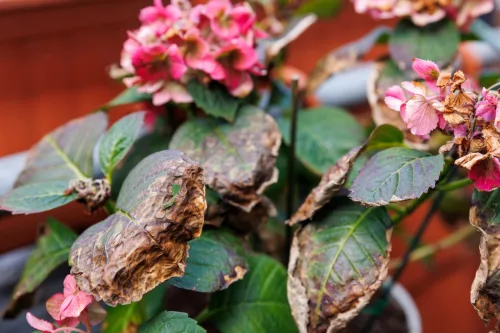
How to Get Browning Hydrangeas Back on Track Without Chemicals
Brown leaf edges or spots on hydrangeas usually point to a simple mismatch in light, watering, or airflow rather than a lost cause. Learn how to read the symptoms and restore your shrub quickly with gentle, practical fixes.
Turn Ground Cinnamon Into a Secret Weapon for Stronger, Tougher Plants
Ground cinnamon isn’t just for baking—it can help protect houseplants and garden plants from mould and fungal issues, support cuttings, and even act as quick first aid for minor wounds. Used lightly, it’s an affordable, gentle, natural add-on to good growing practice.
Comments (0)
Be the first to comment.