
 English
  Polski
  Deutsch
  Nederlands
  Svenska
  Norsk
Norsk  Dansk
Dansk  Français
  Italiano
  Español
  Português
  Slovenčina
  Suomi
Suomi  Gaeilge
 How to Manage Water Wisely in the Garden as the Climate Changes
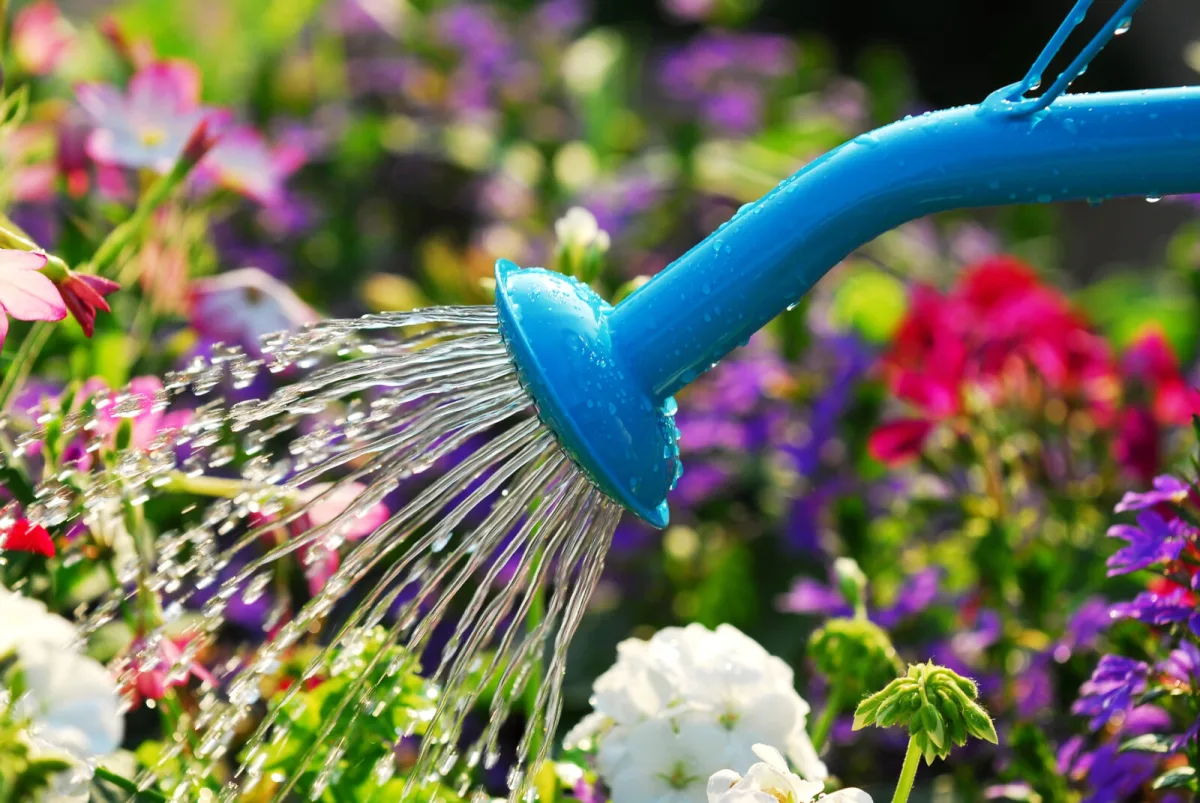
In recent years, managing water has become one of the most important skills for any gardener. It’s not just about when to pick up a watering can or switch on irrigation. Water is becoming a variable—and sometimes scarce—resource that needs more thoughtful handling than it did in the past. The main reason is climate change, which is affecting gardening practice across the seasons.
A garden is also a sensitive system where water is constantly moving—soaking in, evaporating, and changing the availability of nutrients in the soil. Anyone who learns to manage water well will get steadier plant growth, fewer losses during weather extremes, and the ability to garden more sustainably. Sustainability is key here, because saving water usually also means saving energy, reducing soil erosion, and better supporting life in the garden.
Why the water balance is so crucial today
In the past, you could rely on relatively predictable weather and on rainfall arriving through the year in a certain rhythm. Today, however, we are increasingly faced with uneven distribution of water. At one time there is too much in a short period; at another, it is absent for a long time. From a garden’s point of view, both are a problem: a cloudburst can run off quickly, wash out soil and damage plantings, while prolonged drought weakens plants and increases their susceptibility to diseases and pests.
The importance of water management therefore grows along with the pressure that changing conditions place on gardeners. It’s not enough to deal only with day-to-day watering—you need to think ahead. That includes choosing the right water-saving practices, using irrigation more efficiently, and being able to capture water when it is available and use it later when shortages arrive.
How climate change is reshaping rainfall patterns through the year
One of the most noticeable trends is a shift in the character of the seasons. Winters are expected to be warmer more often and also wetter. Summers, by contrast, are likely to be hotter and drier more frequently. For the garden, this means more water may arrive in winter than the soil can safely absorb, while in summer you may need to make every drop count.
On top of that come extremes that appear more often than before. Longer periods without rain may alternate with intense downpours that deliver a large volume of water in a short time. Such swings put stress on lawns, beds and trees. A prepared gardener can significantly reduce the impact through suitable soil improvement, thoughtful water capture, and changes in the planting design itself.
Drought and downpours: two sides of the same problem
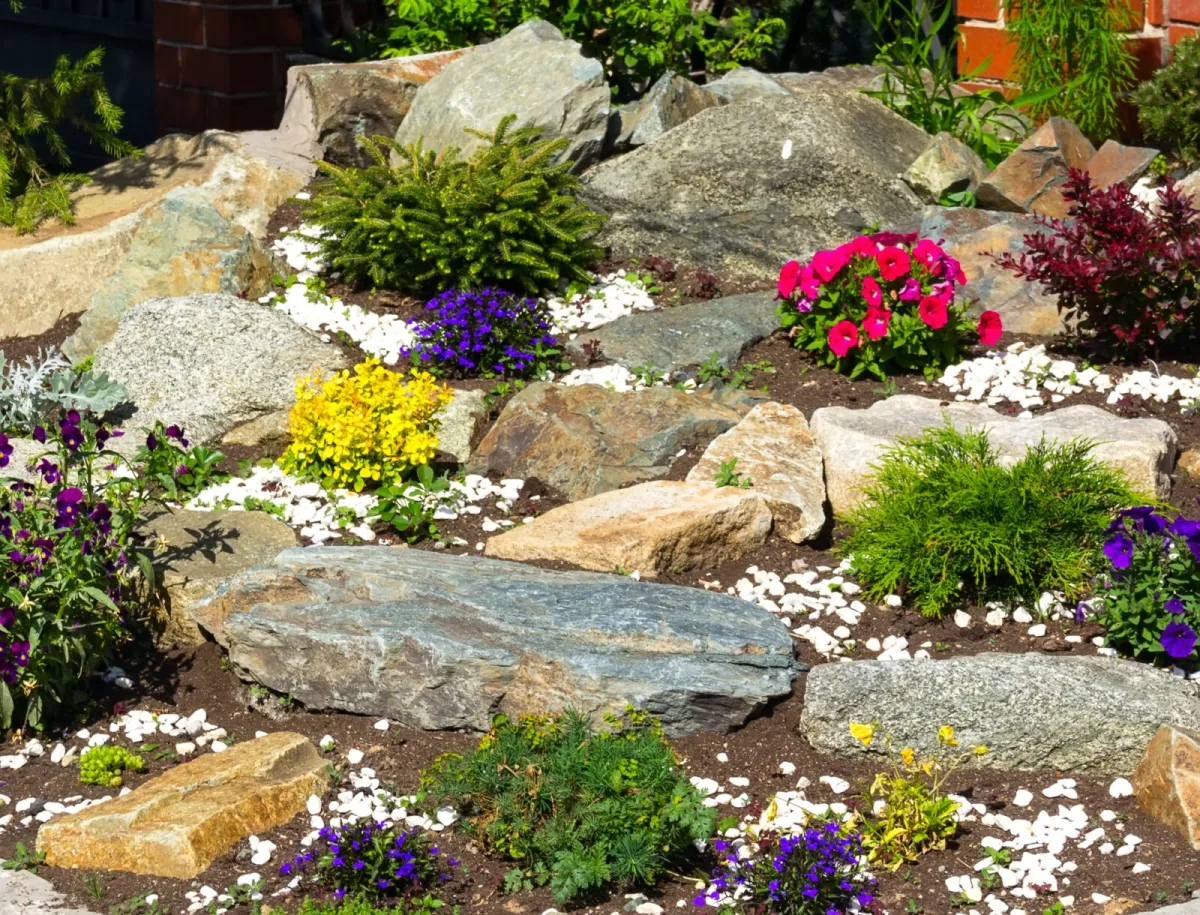
At first glance, it may seem that drought and flooding are unrelated. In reality, what connects them is that in both cases water on the plot isn’t behaving as it should. During prolonged drought, the main challenge is to keep moisture in the soil for as long as possible, reduce evaporation, and water so that moisture reaches the roots rather than just wetting the surface. During extreme rain, the goal is the opposite: slow runoff, encourage infiltration, and prevent water from carrying soil and nutrients away.
It helps to see the garden as a place where water can be held and directed. The better we keep water on site, the more will remain available for later periods. The benefit isn’t only aesthetic or horticultural. A well-set water regime reduces irrigation costs and supports the wider landscape too, because it limits pressure on drainage systems and reduces the risk of local flooding.
Saving water and watering more effectively
The first step is learning to use water thoughtfully. It’s not just about watering less, but watering better. Efficient irrigation means getting water to where the plant will actually use it, at the time when it makes the most sense. In practice, this often leads to watering less frequently but more thoroughly, so water penetrates deeper into the soil and roots are encouraged to grow down into lower layers.
At the same time, it pays to observe how water behaves around your garden. Some areas dry out faster due to wind or full sun, while others hold moisture for longer. When a gardener learns to read these differences, they can adapt care to different parts of the garden and avoid waste. In practice, that also means choosing methods that reduce unnecessary evaporation and improve the soil’s ability to hold water.
Storing excess water from the wetter part of the year
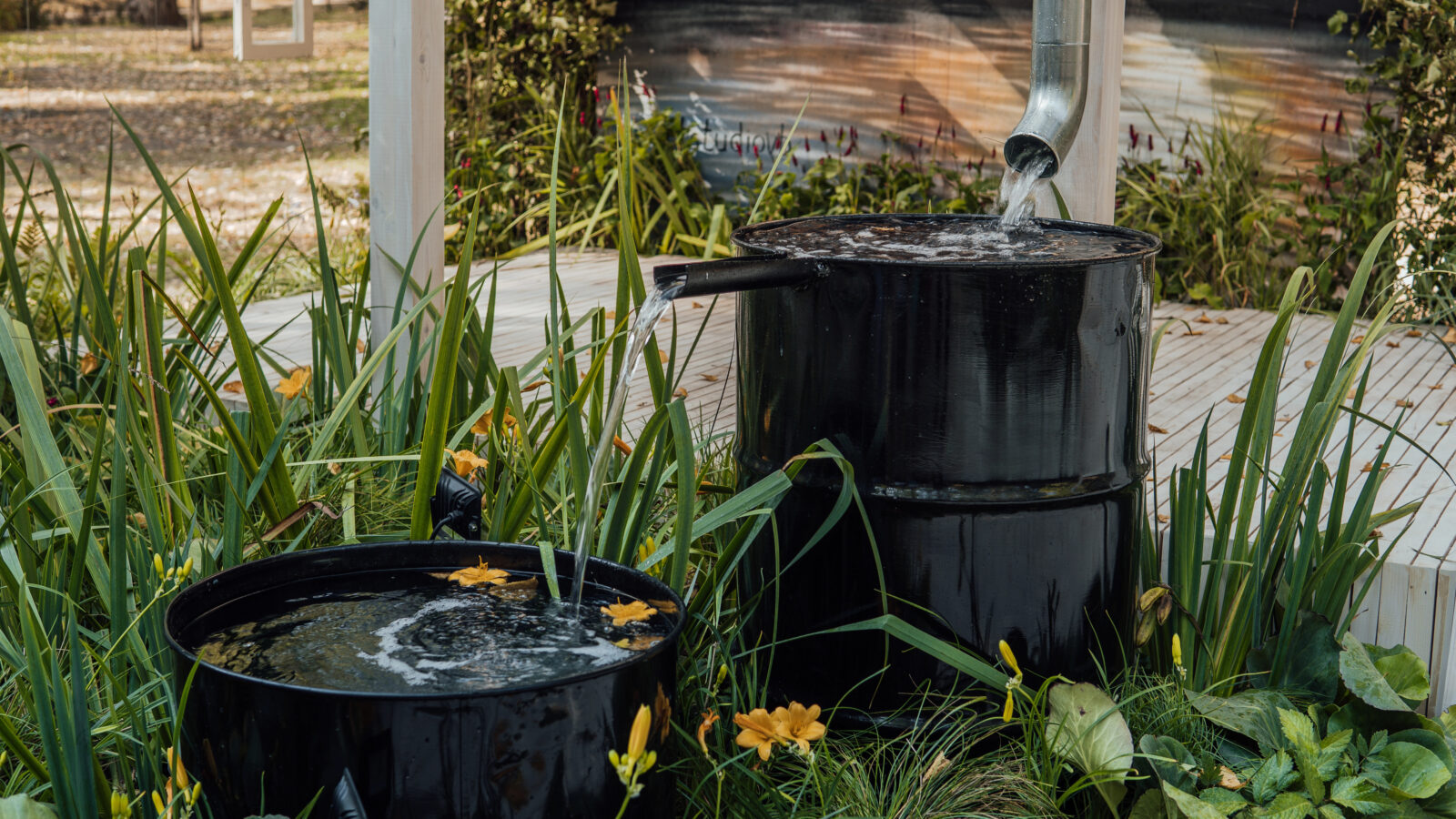
If winter is wetter, it offers an opportunity to capture and store water. The aim is not simply to divert water away, but to use it as a reserve for dry months. Captured water can make summer bed care much easier and help gardens get through periods when rainfall is minimal and high temperatures increase evaporation.
Storing water is also important because it helps balance seasonal fluctuations. A garden that can hold on to some of its winter water is more resilient in summer. Ideally, surplus from the wet season doesn’t become a problem, but a resource that can be used gradually. Thinking of water as a reserve is one of the biggest shifts modern gardening requires.
Designing the garden with water and its impacts in mind
Managing water isn’t only about watering techniques. The way a garden is designed and planted also plays a major role. When you take water into account during planning, it’s easier to reduce the negative effects of weather extremes. That includes placing plantings according to aspect, working with shade, and choosing plants based on their moisture needs.
It’s also important to consider how water can affect the surroundings. During heavy rain, a poorly managed plot can send water away too quickly, increasing erosion risk and washing nutrients out. By contrast, a garden prepared to accept water, slow it down and release it gradually is more stable. This approach usually benefits soil life too, which is essential for plant health.
Water in the garden isn’t just something that falls from the sky or comes from a hose. It’s an element you can manage, store and use so the garden copes better with drought and heavy rain alike.
What to take into everyday practice
The purpose of good water management is to prepare the garden for a reality in which the weather will be less predictable. Warmer spells, uneven rainfall and more frequent extremes put pressure on plants—and on the gardener as well. Even so, the situation can be managed if you combine a few principles: save water, irrigate with purpose, store the surplus from the wetter part of the year, and design the garden so it works with water rather than against it.
The sooner you start seeing water as a strategic part of the garden, the easier it will be to keep plantings healthy and results consistent even in more challenging years.
Source: Rhs, Nkz , Pestrazahrada.cz
Related articles
A Lawn Without Bare Patches Depends on Two Things People Rarely Mention
Sowing a lawn from seed is affordable and flexible, but success hinges on careful soil preparation, the right seed mix, and patient aftercare. Follow proven timing and sowing techniques to get a dense, even sward without bare patches.
September Pruning Can Be Fatal for Shrubs Leave These Types Alone
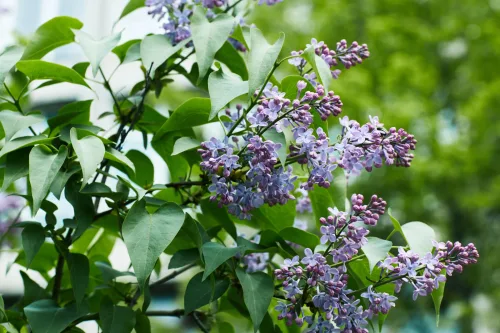
Early autumn can tempt you to tidy shrubs with the secateurs, but September pruning can trigger soft new growth, weaken plants for winter, and cost you next spring’s flowers. For many shrubs, waiting until after flowering or until spring is the safer choice.
September cuttings will save you buying new plants in spring
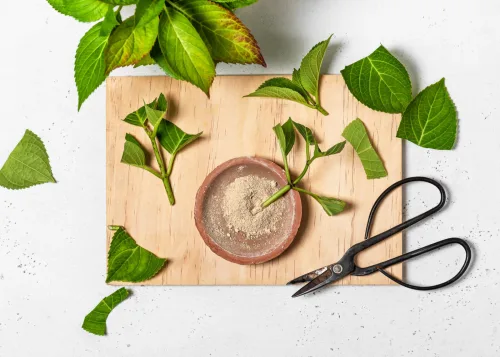
Taking cuttings in September is an easy, low-cost way to raise new plants for beds and containers. Root them under protection through winter and you’ll have sturdy young plants ready to go outside in spring.
Comments (0)
Be the first to comment.