
 English
  Polski
  Deutsch
  Nederlands
  Svenska
  Norsk
Norsk  Dansk
Dansk  Français
  Italiano
  Español
  Português
  Slovenčina
  Suomi
Suomi  Gaeilge
 Homemade Natural Fertiliser for Geraniums That Kick-Starts Blooming for Weeks
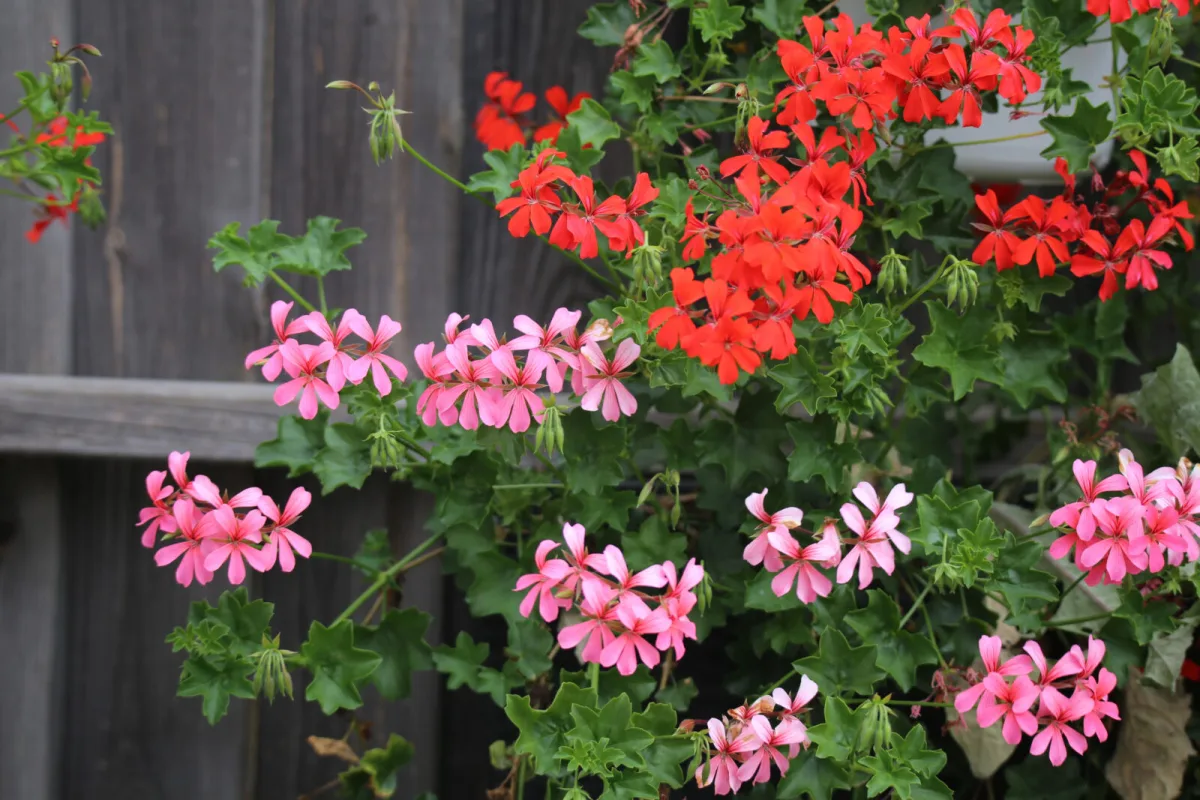
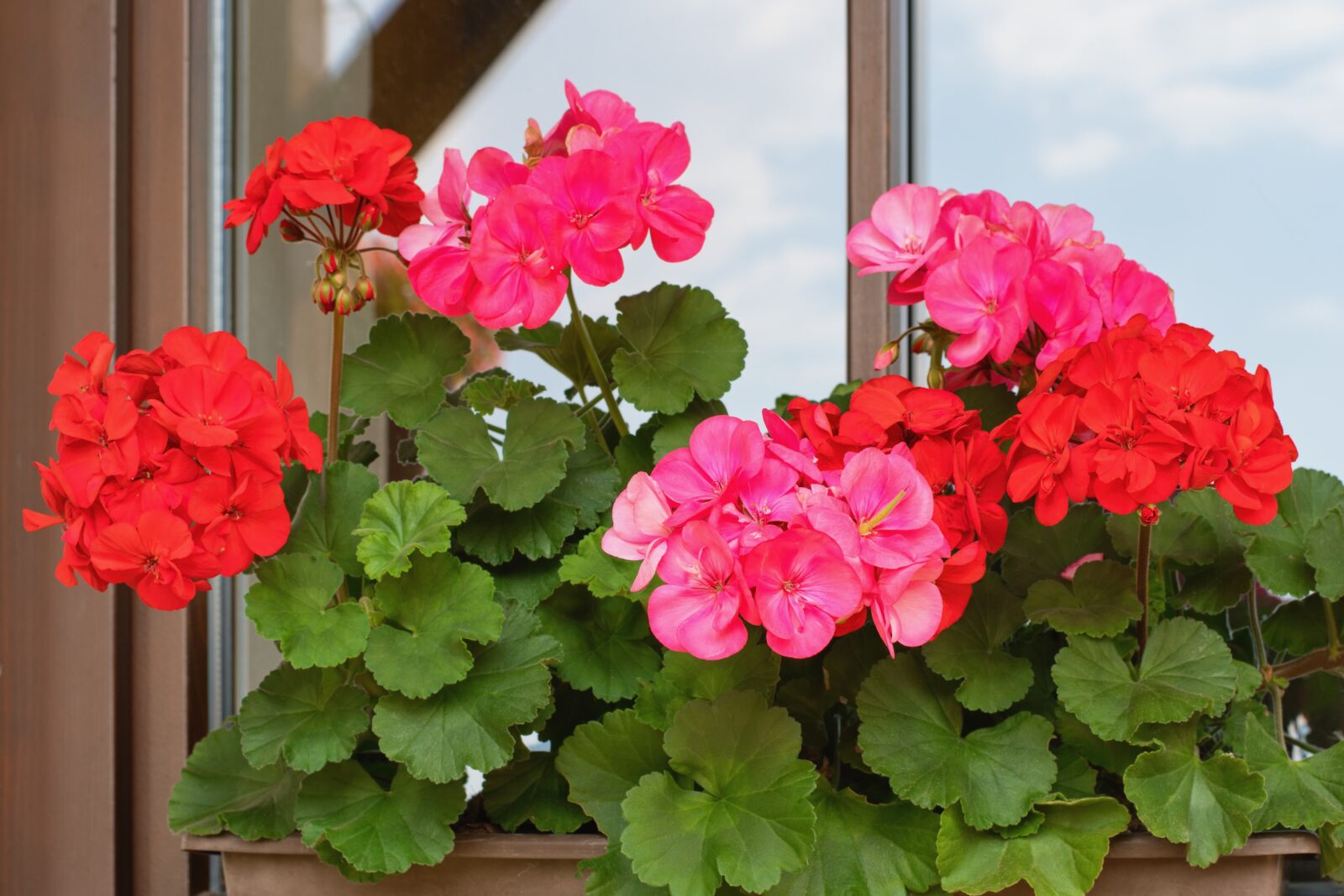
Pelargoniums, commonly known as geraniums, have long been among the most popular plants for window boxes and pots. They can create an unbroken blaze of colour that lifts the mood even on a small balcony. But to keep them flowering really densely and for a long time, an occasional watering isn’t enough. The key is the right nutrition too, which supports bud formation and keeps the plant in good shape throughout the season.
What geraniums need most for steady flowering
Geraniums are generally easy-going, but they do have clear preferences. They do best in a bright, sunny spot where the temperature doesn’t drop below about 12 °C. In those conditions, with good care, they can flower for a very long time—sometimes almost continuously. Free-draining compost is essential, along with a pot that allows excess water to run out, because sitting wet is the most common cause of problems.
Geranium roots cope better with short periods of dryness than with waterlogging. If the compost stays wet for too long, roots can begin to rot and the plant quickly loses vigour. On the other hand, letting them dry out completely isn’t ideal either, especially when they are setting buds. If watering is neglected for longer, buds can shrivel and flowers may drop.
Watering without mistakes during hot days
In summer, when days are very warm, geraniums often benefit from watering even daily. The basic rule is simple: only water again once the top layer of compost has had time to dry. If the surface still feels damp, it’s safer to cut back to around two to three waterings a week, depending on conditions.
You’ll spot overwatering quickly. Leaves tend to droop, look lifeless, and sometimes mould can appear. As soon as you see these signs, reduce watering, check drainage, and, if necessary, loosen compacted compost so it can breathe better.
A yeast elixir as a natural flowering boost
If you want to encourage geraniums to keep producing flowers continuously, you can try a simple homemade fertiliser based on yeast. After fermentation, it creates a solution used in small amounts that provides plants with valuable compounds that support growth and vitality. With regular use, geraniums often reward you with richer flowering and a stronger overall look.
What you’ll need
You’ll need about 2.7 litres of dechlorinated water, 100 g of fresh yeast, and half a glass of granulated sugar. A larger container with a capacity of around 3 litres is helpful too, along with a piece of gauze or other breathable fabric for covering.
Preparation step by step
Pour the dechlorinated water into the container. First dissolve the yeast in a small amount of warm water so it mixes properly, then add it to the water in the container. Add the sugar and stir everything together. Don’t close the container with a lid; cover it with gauze so the solution can breathe. Leave the mixture in a warm place and shake or stir it occasionally.
Once fermentation is complete, the base concentrate is ready. For use, however, it needs diluting. Mix one glass of this concentrate with 10 litres of water. Water each geranium with about one glass of the diluted solution, ideally once every two weeks. Keeping to the interval matters, because even natural feeds can put unnecessary stress on the plant if overdone.
Other nutrition that benefits geraniums
Geraniums respond well to both mineral and organic inputs. When they are actively flowering, feeding that’s geared towards phosphorus and potassium is often recommended. These elements support flower production, firmer tissues, and an overall healthier appearance. With balanced nutrition, blooms are typically more intense and the plant copes better with challenging weather, too.
Iodine water in a careful dose
As an additional option, some people also use water with iodine. The basic ratio is very mild—usually one drop of iodine per 1 litre of water. It’s important not to exceed the dosage and to treat it as an occasional boost rather than an everyday watering routine.
Onion-skin decoction and using it in the compost
Traditional methods also include using onion skins. Growers use them either as a decoction to treat foliage, or they add them to the compost when feeding. The idea is to support plant resilience and provide extra natural components that may help keep geraniums in good condition throughout the season.
How to get the most from these boosts
The best results usually come from combining the right light, sensible watering, and regular but moderate feeding. If you keep an eye on the compost drying at the surface, ensure good drainage, and add the yeast solution once a fortnight, geraniums tend to be much more willing to set new flowers. If you also remove spent blooms as you go, the plant doesn’t waste energy and can focus on further flowering.
Source: To je nápad, Gardening Know How, Pestrazahrada.cz

A lover of nature, gardens, and everything that moves, blooms, or grows. He literally grows everything, from herbs to rare species, and he enjoys caring for animals just as much. In his work, he connects modern technology with tried-and-tested grandmotherly methods and is happy when both paths lead to the same goal.
Related articles
A Simple Autumn Trick Will Protect Your Hibiscus Over Winter and Bring a Flush of Flowers
A thick mulch layer in autumn can be the deciding factor in whether hardy hibiscus comes through winter unscathed. Combine root protection with smarter watering and feeding, and you’ll be rewarded with stronger growth and heavier flowering next season.
Be careful with hydrangeas in autumn or one mistake will cost you blooms
Tidying up hydrangeas in autumn can be tempting, but cutting at the wrong time can remove next year’s flower buds. Everything depends on whether your hydrangea blooms on old wood or new wood.
Raspberries Need Gentle Feeding or You Can Damage Roots and Lose Up to a Third of the Crop
Raspberries have very shallow roots and don’t respond well to heavy, nitrogen-rich feeding worked into the soil. Choose a potassium-forward fertiliser and apply it gently on the surface to protect roots and improve flavour and yield.
Comments (0)
Be the first to comment.