
 English
  Polski
  Deutsch
  Nederlands
  Svenska
  Norsk
Norsk  Dansk
Dansk  Français
  Italiano
  Español
  Português
  Slovenčina
  Suomi
Suomi  Gaeilge
 Gardenia will turn your patio and garden into a place filled with intoxicating fragrance
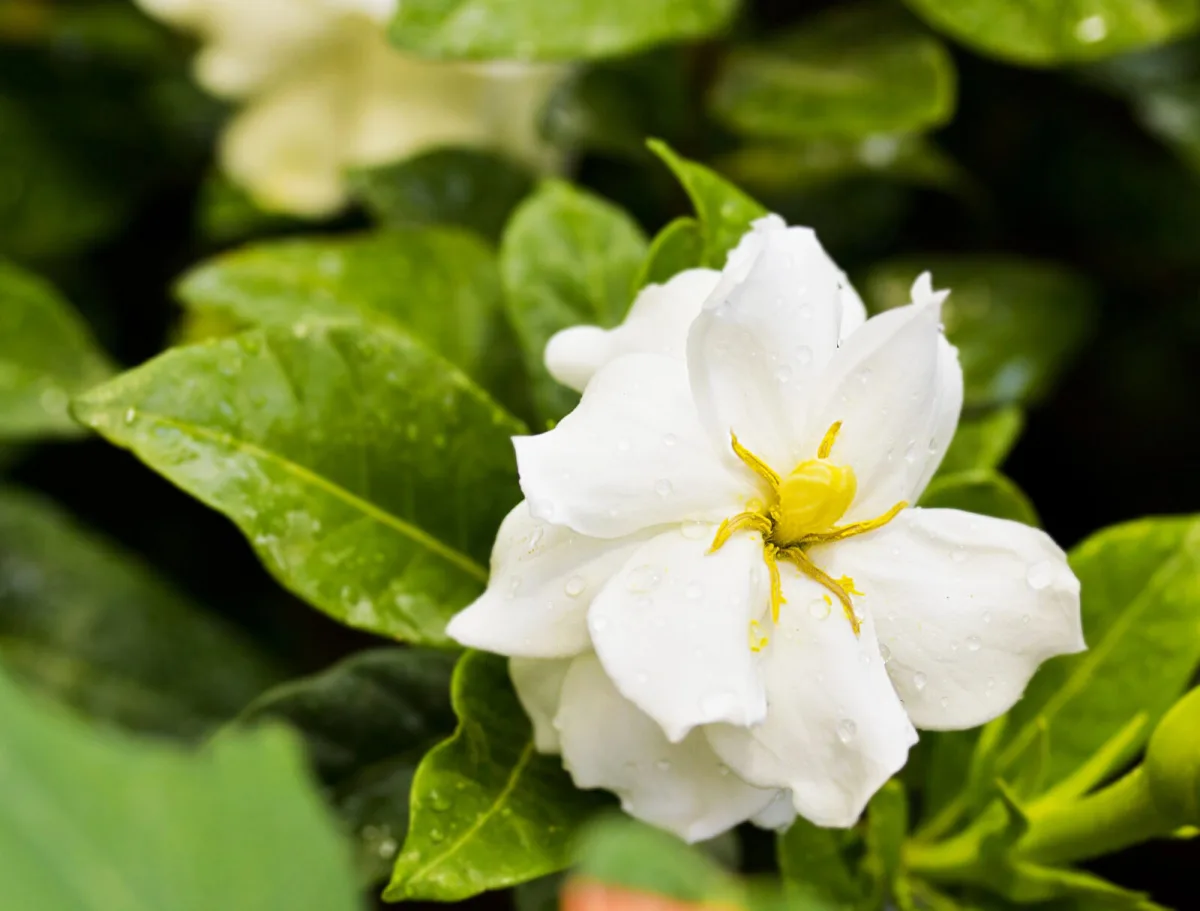
Gardenias are among those ornamental plants people fall for not only because of their glossy, deep-green leaves and elegant flowers, but mainly for their intense, sweet fragrance. When in bloom, they can fill a balcony, patio and even part of the garden with an aroma that feels surprisingly powerful. That very perfume-like scent is also why gardenia flowers are used in perfumery and for producing fragrant oils.
The most commonly grown species, the cape jasmine (Gardenia jasminoides), comes from tropical and subtropical regions, which is why it has a reputation for being a bit temperamental. But if you give it the right conditions, it will reward you with healthy growth and generous flowering.
Species and cultivars you may come across
The gardenia genus includes several species and cultivated forms that differ in shrub size, growth habit and flower size. In practice, you’ll most often encounter a few well-known types.
Cape jasmine (Gardenia jasminoides)
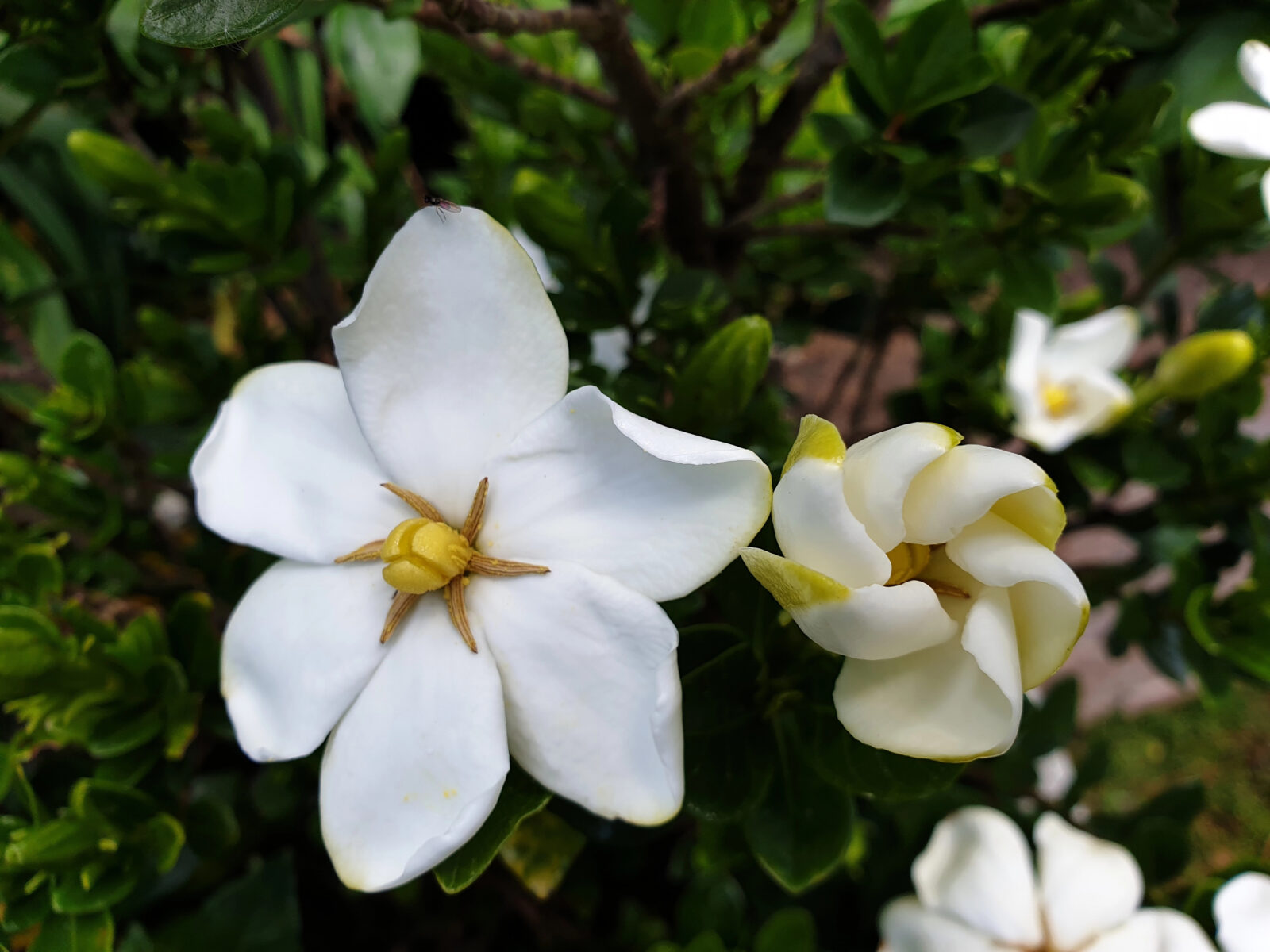
The most popular type for growing indoors and in containers. It has large white to creamy blooms and that unmistakable intoxicating scent. With good care it can reach around 1.5 m tall.
Gardenia thunbergia
Native to South Africa, it grows more as a larger shrub. In good conditions it can reach several metres, and its white flowers tend to last longer on the plant.
Radicans
A compact, low-growing form ideal for pots and for filling space along the front edge of planting. It has a more spreading habit, yet still flowers showily and scents the air very strongly.
Tahitian gardenia
A tropical type known from Polynesia, valued for large creamy blooms and an exotic aroma. It is traditionally used in flower garlands as well.
Interesting facts that go with gardenias
The plant’s name refers to the 18th-century Scottish physician and botanist Alexander Garden. Symbolically, gardenias are often associated with purity, calm and love, which is why they also appear in wedding arrangements.
It’s best to handle gardenia blooms as little as possible, because they’re delicate and frequent touching can make them brown and deteriorate more quickly.
In the past, gardenia also appeared in traditional Chinese medicine, where it was used for various complaints including inflammatory conditions and to support mental well-being.
How to grow gardenia so it thrives and flowers
Bright light without scorching sun
Gardenias need plenty of light, but harsh midday sun can damage them. They do best in bright, filtered light. Indoors, a spot by a window with morning or evening sun works well; outdoors, choose partial shade or light shade.
Acidic, free-draining compost
This is an acid-loving plant, so it’s worth keeping the pH roughly between 5 and 6. A practical choice is an azalea or rhododendron compost. Good drainage is just as important, because gardenia roots hate sitting in water. Containers must have drainage holes, and adding perlite or a drainage material often helps.
Water regularly, but sparingly
The compost should be evenly moist, not waterlogged. Before watering again, let the top layer dry slightly. Letting the pot dry out completely, however, can cause leaves and buds to drop. Water quality matters too, as hard water can gradually reduce nutrient uptake and encourage yellowing leaves. If you can, use soft water or rainwater.
Feed for acid-loving plants
In spring and summer, use a fertiliser formulated for acid-loving plants, typically about once every two weeks according to the manufacturer’s instructions. Keep an eye on iron as well; deficiency often shows as paling and yellowing leaves. In autumn and winter, reduce feeding significantly.
Higher humidity
Dry indoor air, especially during the heating season, is a common reason gardenias struggle. A humidifier helps, or stand the pot on a tray of pebbles and water so the pot sits above the waterline (the base must not be submerged). If you mist, be careful when the plant is flowering, because droplets can mark the blooms and speed up browning.
Stable temperature with no draughts
Gardenias prefer a stable environment of roughly 18 to 24 °C. They don’t like being close to a radiator, air conditioning or cold draughts from windows and doors. Sudden temperature changes are a typical cause of bud and flower drop.
Light pruning after flowering
After flowering you can lightly shape the shrub, shorten overgrown shoots and remove any dry or damaged parts. Regularly removing spent blooms and dry leaves helps keep the plant in good condition.
Most common growing problems
When gardenia won’t flower
If the plant makes leaves but no flowers, the cause is usually too little light, unsuitable compost pH, dry air or irregular watering. Sharp temperature swings make the issue worse. It’s the overall balance of conditions that matters; feeding alone rarely fixes it.
When leaves turn yellow
Yellowing is often linked to overly alkaline compost or iron deficiency. In that case, adjusting the pH, using a suitable fertiliser for acid-loving plants and sometimes adding iron in chelated form can help. Also check whether the compost is constantly wet and the roots have been damaged.
Growing outdoors and winter care
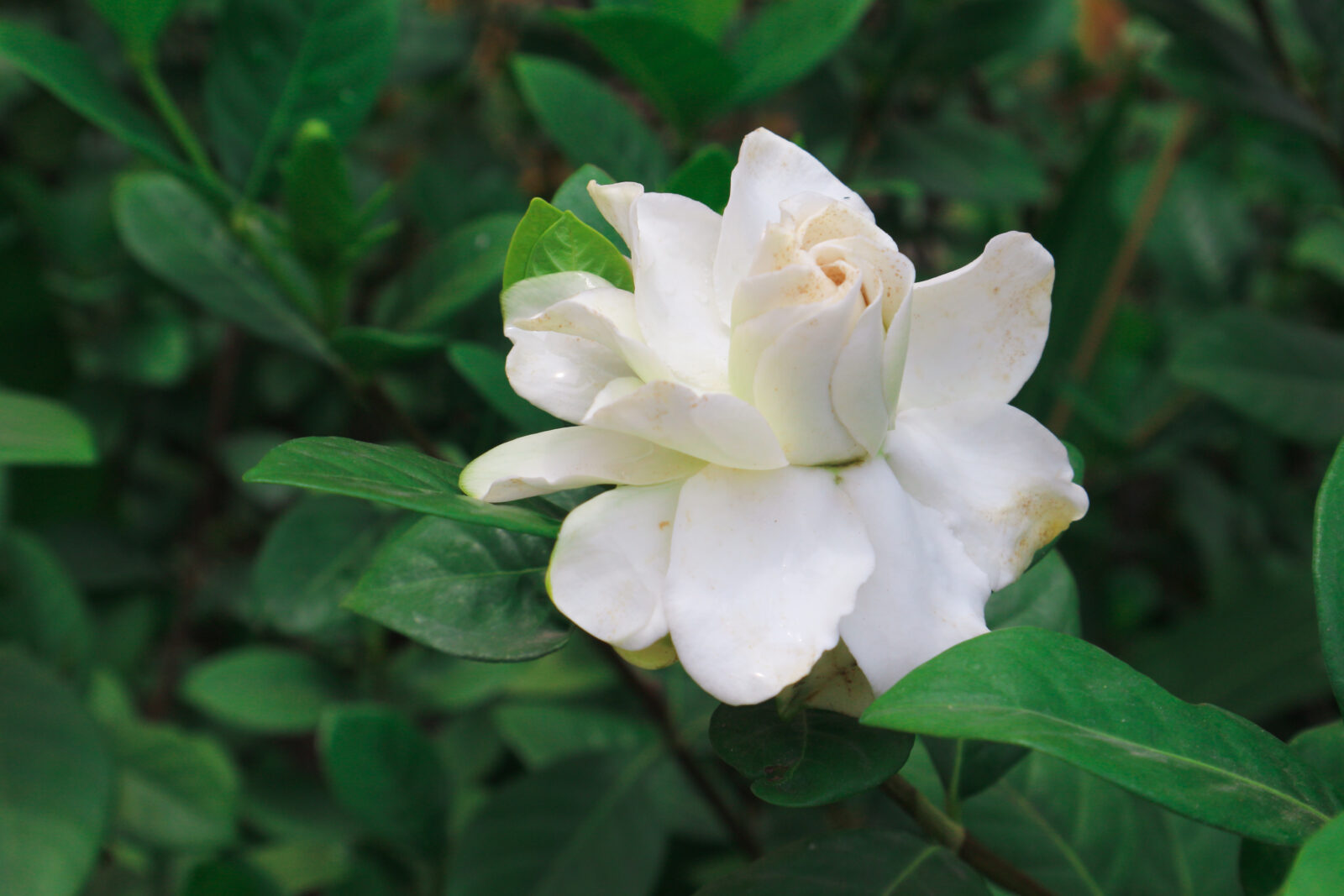
In warmer regions, gardenia can be grown outdoors in a sheltered spot, but in our conditions it’s safer to grow it in a container. Over summer it can sit on a patio or balcony, where it gets plenty of light but isn’t exposed to scorching midday sun. Before the first frosts, it must be brought indoors, because it does not tolerate frost.
In winter, give it as much light as possible and a cooler, stable spot around 16 to 18 °C. Reduce watering, but don’t let the root ball dry out completely. Skip feeding in winter and only resume once spring growth begins.
Fragrance as a reward for careful care
Gardenia is more sensitive than typical balcony plants, but it’s worth the effort. When it has an acidic, airy compost, plenty of filtered light, regular but restrained watering and more humid air, it can become an unmissable feature indoors and on a summer patio. And the moment it opens, its perfume often scents a much larger area than you’d expect.
Source: Gardening Know How, Gardener’s World, To je nápad, Pestrazahrada.cz

A lover of nature, gardens, and everything that moves, blooms, or grows. He literally grows everything, from herbs to rare species, and he enjoys caring for animals just as much. In his work, he connects modern technology with tried-and-tested grandmotherly methods and is happy when both paths lead to the same goal.
Related articles
Drought tolerant fruit trees for Czech gardens that handle heat and winter frosts
Warmer summers and longer dry spells are changing what can be grown in Czech gardens. With the right variety and a sunny, sheltered spot, olives, pomegranates and figs can cope with heat, drought and even winter cold.
Thuja hedges are on the way out gardeners are choosing a shrub that shrugs off frost and drought and never looks dull
Thuja may be a long-standing classic, but today’s hedges are increasingly built from more varied shrubs that look better through the seasons. One standout choice is ninebark, prized for its toughness, colour and easy care.
Autumn planted grapevines bud earlier the most common mistake happens before they even go in the ground
Planting grapevines in November can give them a head start in spring, as roots can still establish in warm soil. Success depends mainly on proper planting depth and reliable winter protection.
Comments (0)
Be the first to comment.