
 English
  Polski
  Deutsch
  Nederlands
  Svenska
  Norsk
Norsk  Dansk
Dansk  Français
  Italiano
  Español
  Português
  Slovenčina
  Suomi
Suomi  Gaeilge
 Four Common Lawn Diseases and How to Prevent Them Without Chemicals
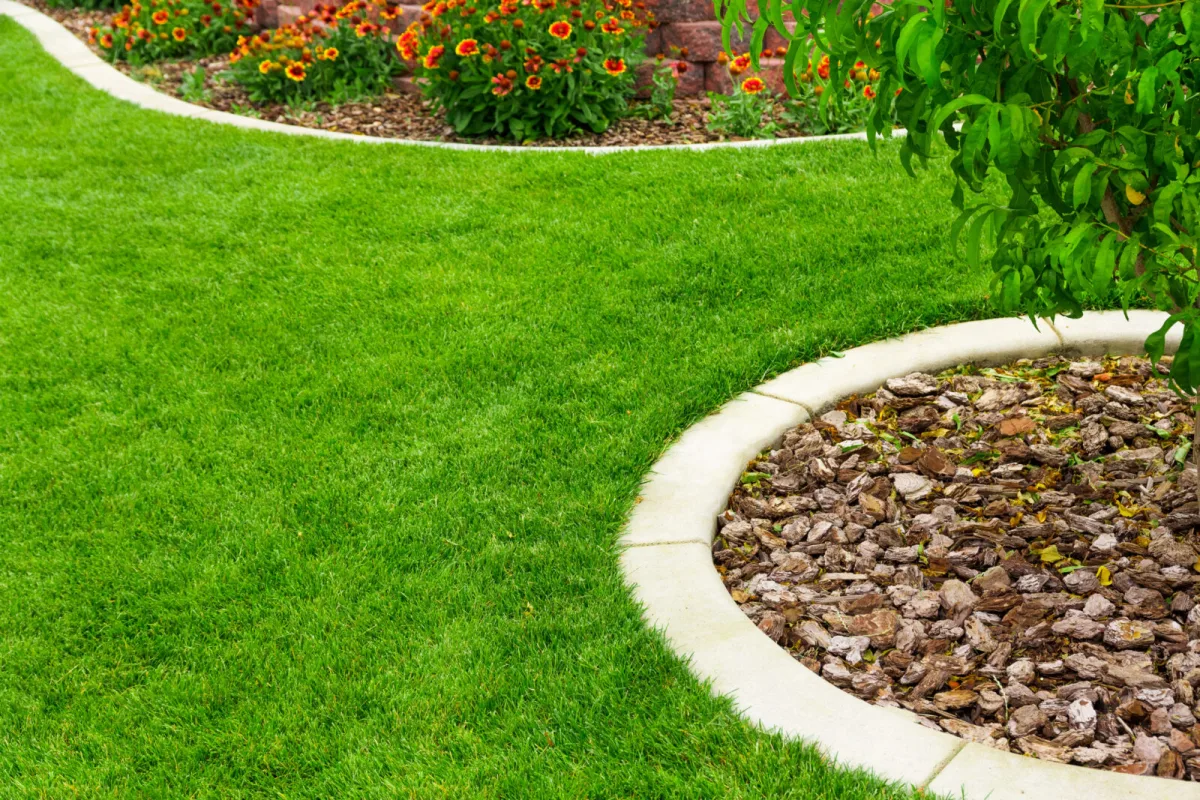
A dense, deep-green lawn is often the hallmark of good care in a family garden. Beyond looks, it has real practical benefits: in summer it cools the area around the house, reduces dust, limits soil erosion and provides a safe surface for play. Even resilient grass seed mixes, however, can be weakened by diseases that you’ll often mistake at first glance for the effects of drought, poor fertilising or incorrect watering.
When it comes to maintenance, most attention usually goes to weeds, but microscopic disease agents play a major role too. In practice these are most often fungal diseases or organisms that behave much like fungi. Prevention is decisive: regular upkeep and correct management of moisture and nutrients. The overview below summarises four typical problems and approaches that help when chemical control isn’t readily available, or when you want to prioritise gentler methods.
Slime moulds as a cosmetic problem after leaf fall
A fairly common phenomenon is a lawn affected by slime moulds, more precisely true slime moulds in the group Myxomycota spp.. They usually won’t kill the turf outright, but they can seriously spoil its appearance. A dense, whitish-blue to grey, slimy coating forms on the blades; it looks unsightly and can temporarily limit photosynthesis.
Where slime moulds come from and how they spread
The slime mould group includes hundreds of species and typically appears where uncleared fallen leaves and other rotting debris are left on the surface. They persist in decomposing organic matter and in spring can easily spread into the surrounding sward. They need plenty of moisture to develop, so they are most active in wet weather in spring and autumn, when their spores disperse best.
What helps in practice
There is generally no widely available effective chemical control, so good turf husbandry is key. At least once a year it’s worth doing scarifying, meaning slicing into the turf to remove thatch. Regular mowing is important, and above all thorough raking up of leaves in late autumn or early spring. Lawn recovery can also be supported by applying beneficial fungi.
Rust diseases when yellow to black patches appear
Significantly more harmful than slime moulds are rust diseases, scientifically Puccinia spp.. They aren’t an everyday sight in lawns, but under the right conditions they can damage large areas and seriously weaken the sward. Typical yellow spots appear on the leaves at first, then gradually darken to brown and even black. The pathogens have a complex life cycle with multiple stages, which makes prevention more challenging.
Alternate hosts and conditions for development
Rusts often alternate between host plants: part of the life cycle takes place on a different plant species before they infect grasses. In lawns, species such as Puccinia poarum or Puccinia poae-nemoralis are most often mentioned; sometimes species known from cereals can also show up. An important alternate host can be, for example, coltsfoot. If it grows in the lawn and becomes infected, the disease can quickly move into the surrounding turf.
Rusts favour higher air humidity and temperatures of around 15 to 26 °C. They most often show up in late summer and early autumn, when mornings are dewy and the lawn stays wet for a long time.
Did you know rust diseases often need alternate host plants to complete their life cycle, and without them the cycle is broken.
Prevention and gentle control
The basics are regular mowing and removing the clippings to reduce moisture within the sward and remove a source of infection. It pays to limit excessive irrigation and not overdo nitrogen, because overly lush, soft growth is more susceptible. Near the lawn it makes sense not to plant species that can act as alternate hosts, such as barberry or Mahonia, and to remove coltsfoot from the area.

Powdery mildew on grass, a white coating in sun and shade
Powdery mildew caused by Blumeria graminis is best known as a disease of cereals, but it can also appear in garden lawns. A typical sign is a white, floury coating on the leaves. Later, tiny black dots form within it—overwintering fruiting bodies called chasmothecia. With heavy infection, the coating spreads over most blades, which then die back.
How infection gets started
A common source of trouble is leaving grass clippings on the surface, creating a suitable microclimate. The fungus can survive as mycelium through mild winters, or as fruiting bodies in harder frosts. For development it needs warmer temperatures, sufficient air humidity and, at the same time, light. A very dense lawn with soft tissues is at higher risk, typically after unbalanced feeding.
What to do if it appears
Clippings from an infected lawn need to be removed thoroughly. As a supportive preventive step, some recommend applying a product from early spring that boosts lawn vitality and helps slow the development of powdery mildew.
Red thread, the bane of acidic soils
Very widespread, though usually less destructive, is red thread caused by the fungus Laetisaria fuciformis. It occurs across virtually all of Europe. The lawn takes on a pinkish to reddish tinge and fine pink threads of mycelium appear at the tips of the blades. Later the blades turn brown and die back, often in irregular patches.
Why it shows up and when it’s worst
The disease typically develops on acidic soils and with a lack of nutrients, when the sward is weakened. The fungus tolerates a wide temperature range, with an optimum often around 20 °C. It is also encouraged by heavy, irregular rainfall that leads to soil compaction and weaker roots, as well as daily irrigation that keeps the turf wet for long periods.
Nutrition and aeration as the foundation of protection
Balanced feeding is the most important factor. Use nitrogen sparingly, because overly fast growth creates soft tissues that are more prone to disease. Regular application of nitrogen fertilisers at roughly seven- to ten-day intervals is recommended, so the lawn has a steady nutrient supply without the risk of overfeeding. Equally important is soil aeration and regular mowing. For red thread, chemical control is generally not used, and the emphasis remains on correct care.
What all these problems have in common
These diseases have different causes, but similar triggers. The same issues recur: excess moisture in the turf, organic debris left on the surface, compacted soil and unbalanced nutrition—especially too much nitrogen. If you mow regularly and remove clippings, clear leaves in autumn, aerate the soil occasionally and water sensibly, you’ll greatly reduce the likelihood of any of these diseases taking hold.
Source: Gardenery, Záhrada, GrowVeg, Pestrazahrada.cz

A lover of nature, gardens, and everything that moves, blooms, or grows. He literally grows everything, from herbs to rare species, and he enjoys caring for animals just as much. In his work, he connects modern technology with tried-and-tested grandmotherly methods and is happy when both paths lead to the same goal.
Related articles
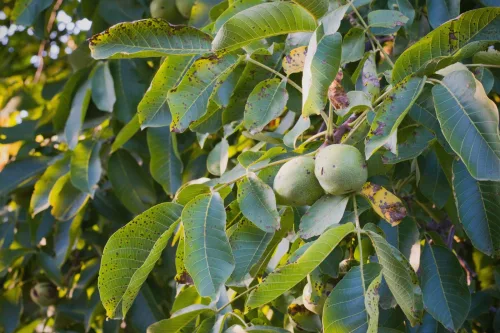
Why the Tree That Feeds a Family for Generations Is Disappearing from Czech Gardens
The English walnut used to be a staple of larger gardens and farmyards, valued for its nutritious nuts and many practical uses. With the right site and variety, it remains one of the most rewarding long-lived trees you can plant.
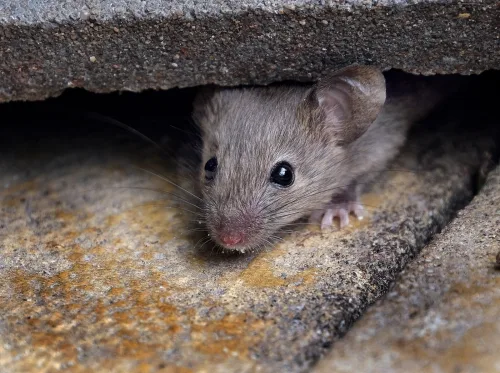
How to Get Rid of Mice and Rats in the House, Loft and Garden Effectively
Mice and rats don’t leave quietly—scratching sounds, droppings and gnaw marks are clear warnings. A lasting solution comes down to three steps: block entry points, remove food sources, then use traps or professional control.
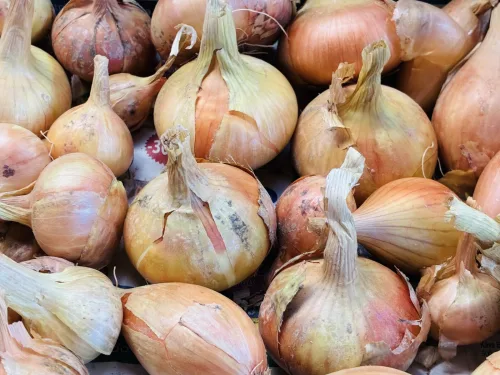
Two Mistakes When Harvesting Onions Can Cut Your Supply by Months
With good growing and the right handling, onions can turn into a near year-round pantry staple. These simple harvest and curing steps determine whether they keep for weeks or for months.
Comments (0)
Be the first to comment.