
 English
  Polski
  Deutsch
  Nederlands
  Svenska
  Norsk
Norsk  Dansk
Dansk  Français
  Italiano
  Español
  Português
  Slovenčina
  Suomi
Suomi  Gaeilge
 Fast Growing Trees for Partial Shade That Will Enhance Any Garden
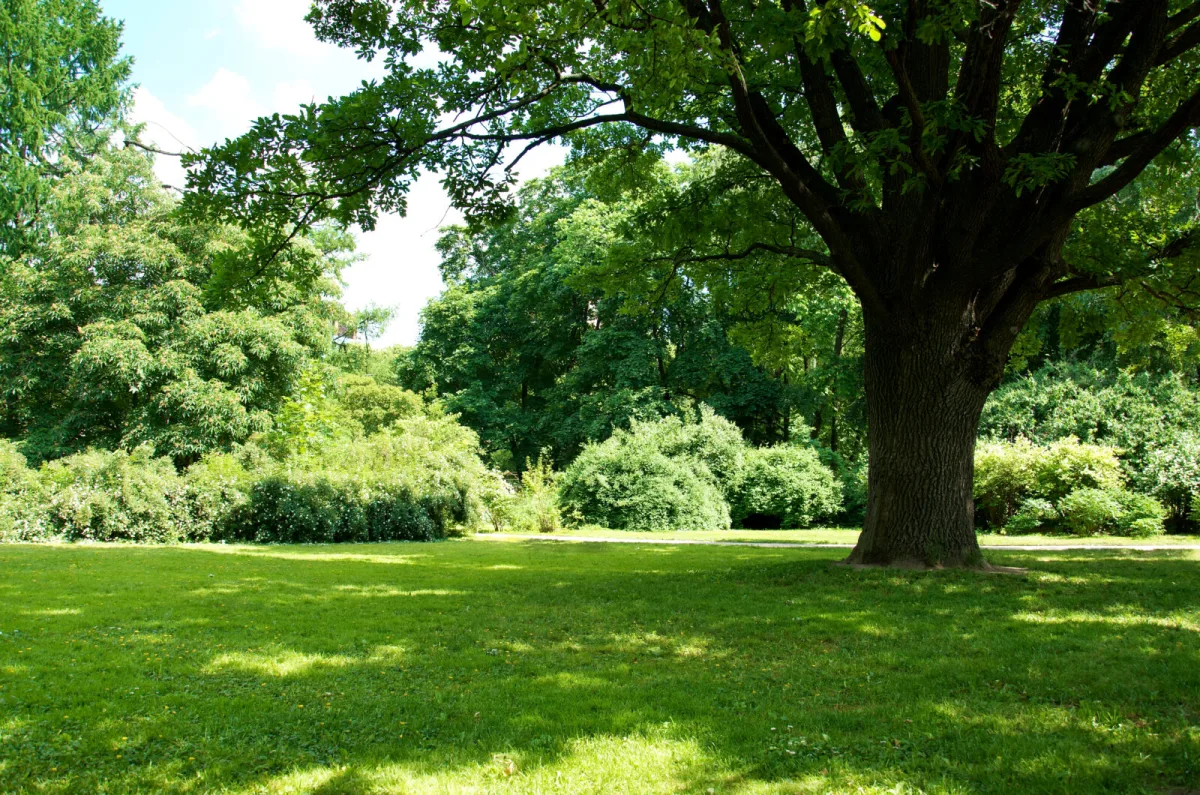
Many fast-growing trees need full sun all day; otherwise they won’t put on height or fill out their canopy as quickly. Even so, there are species that cope well with lower light levels while still giving your garden structure, colour and privacy in a relatively short time. These are often trees that naturally grow as understorey plants or along woodland edges, where the light is dappled.
Even a tree described as “shade-tolerant” usually needs at least part of the day in direct sun. It typically performs best in partial shade, meaning roughly four to six hours of direct light daily. If a spot gets fewer than four hours of sun, it’s often more practical to choose hardy shrubs or smaller woody plants that are truly adapted to shade.
How to choose a tree for shade so it grows well
Before planting, decide whether you want an ornamental tree, a flowering tree, one with edible fruit, or something that will quickly form a screen. Soil matters just as much as light. Some species want rich, evenly moist soil, while others tolerate heavier, wetter ground. It always pays to consider the tree’s eventual size so it won’t later clash with your house, fence or overhead lines.
In the following overview you’ll find woody plants that tolerate partial shade and still grow at least moderately quickly. For each one, it’s essential to provide regular watering and a layer of mulch after planting, because those first few years largely determine how fast the tree establishes and gains strength.
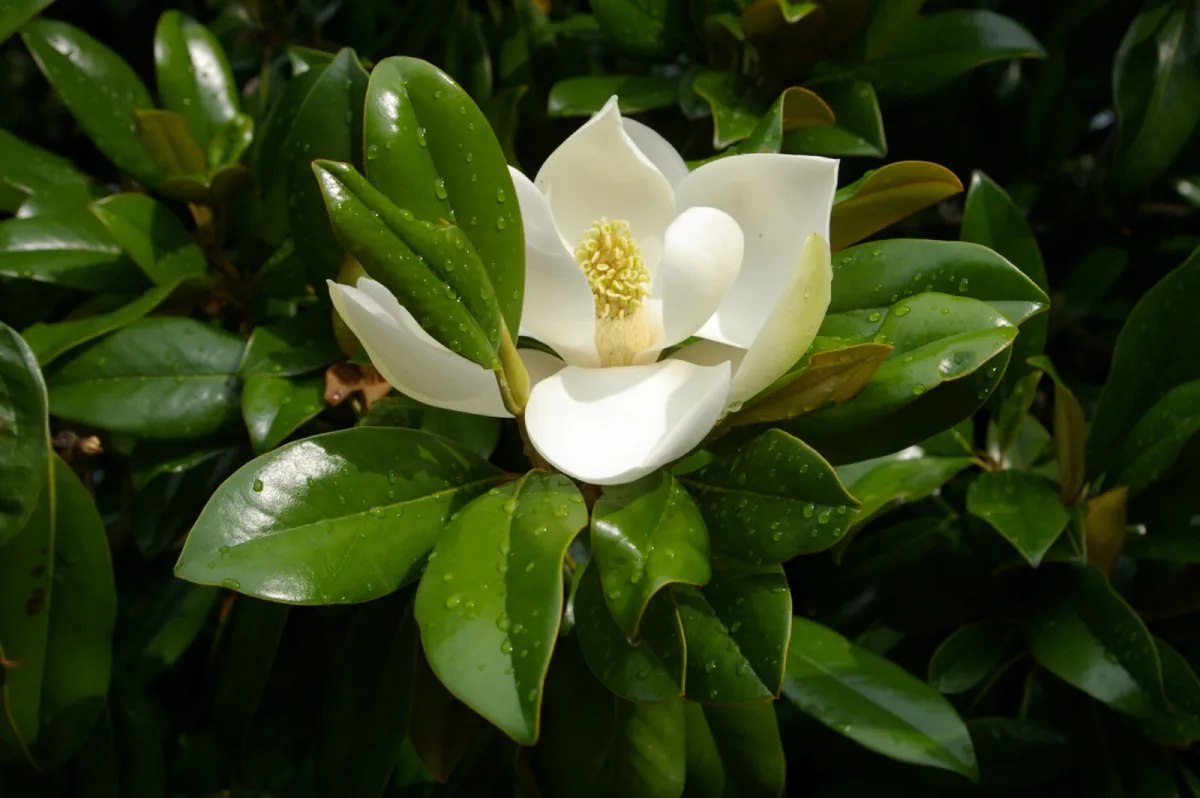
Magnolia ‘Little Gem’: compact and quick to flower
‘Little Gem’ is a smaller alternative to the traditional southern magnolias. Even so, it can grow to over 6 m and looks elegant in a smaller space. It grows at a moderate rate, but a major advantage is that it typically begins flowering just two to three years after planting. It needs fertile, moist yet free-draining soil and copes with sun as well as partial shade.
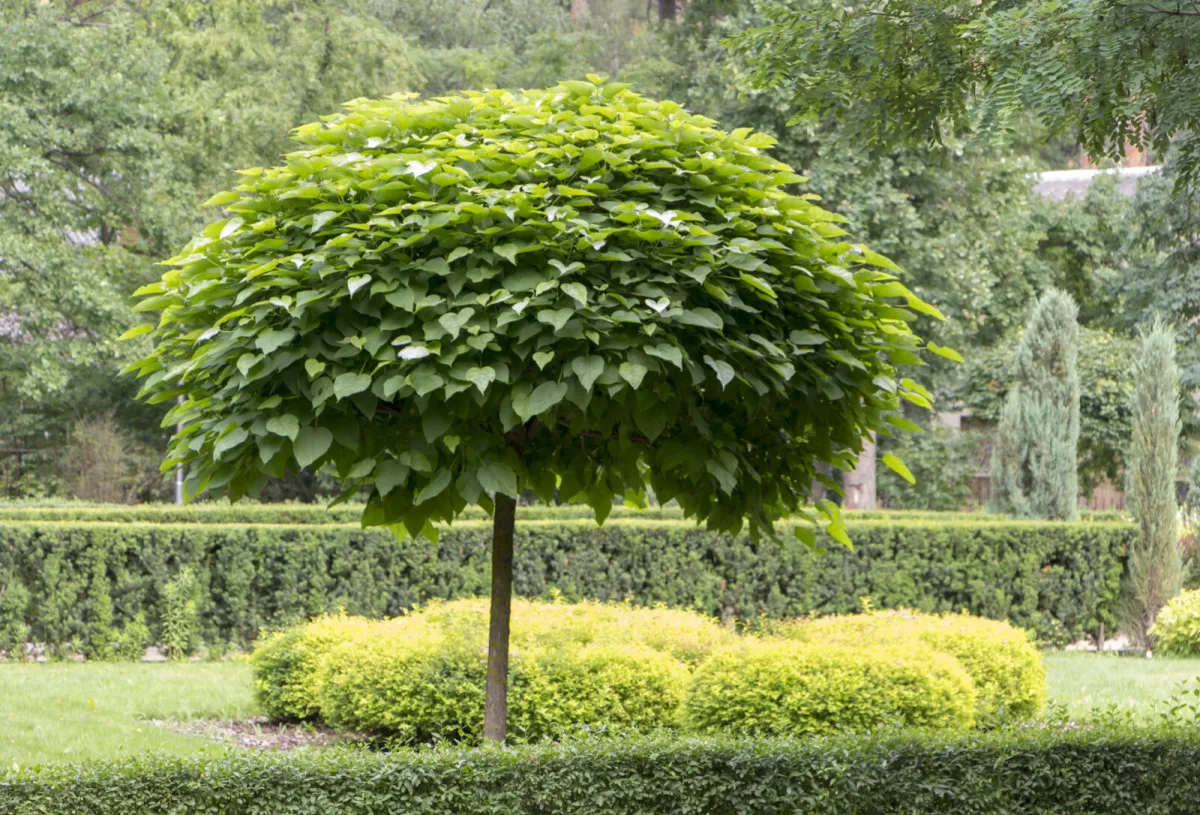
Catalpa: bold leaves and long pods
Catalpa is unmistakable thanks to its large heart-shaped leaves, creamy-white flowers and long, dangling pods that often remain on the tree for an extended period. It’s among the quick growers; in good conditions it can add up to around 60 cm a year and tolerates partial shade. You’ll usually wait five to seven years for the first really showy flowering, though. It does best in moist, well-drained soil.
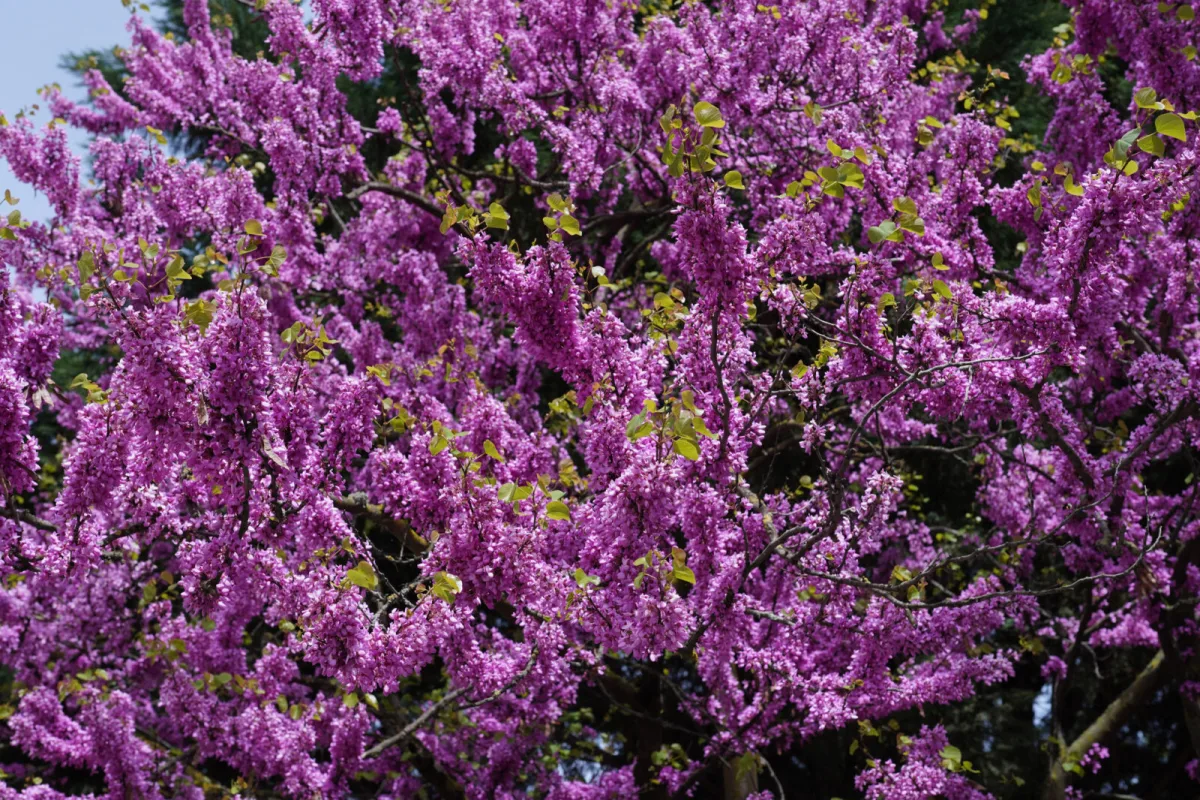
Eastern redbud: spring colour right on the branches
Eastern redbud is a native species that stands out in spring with small flowers in shades of pink to purple. A distinctive feature is that the flowers appear directly on the branches, and often even on the trunk, making the tree highly ornamental. Growth is moderate; when young it commonly manages roughly 30–60 cm per year. It thrives in moist, free-draining soil and does well in full sun or partial shade.
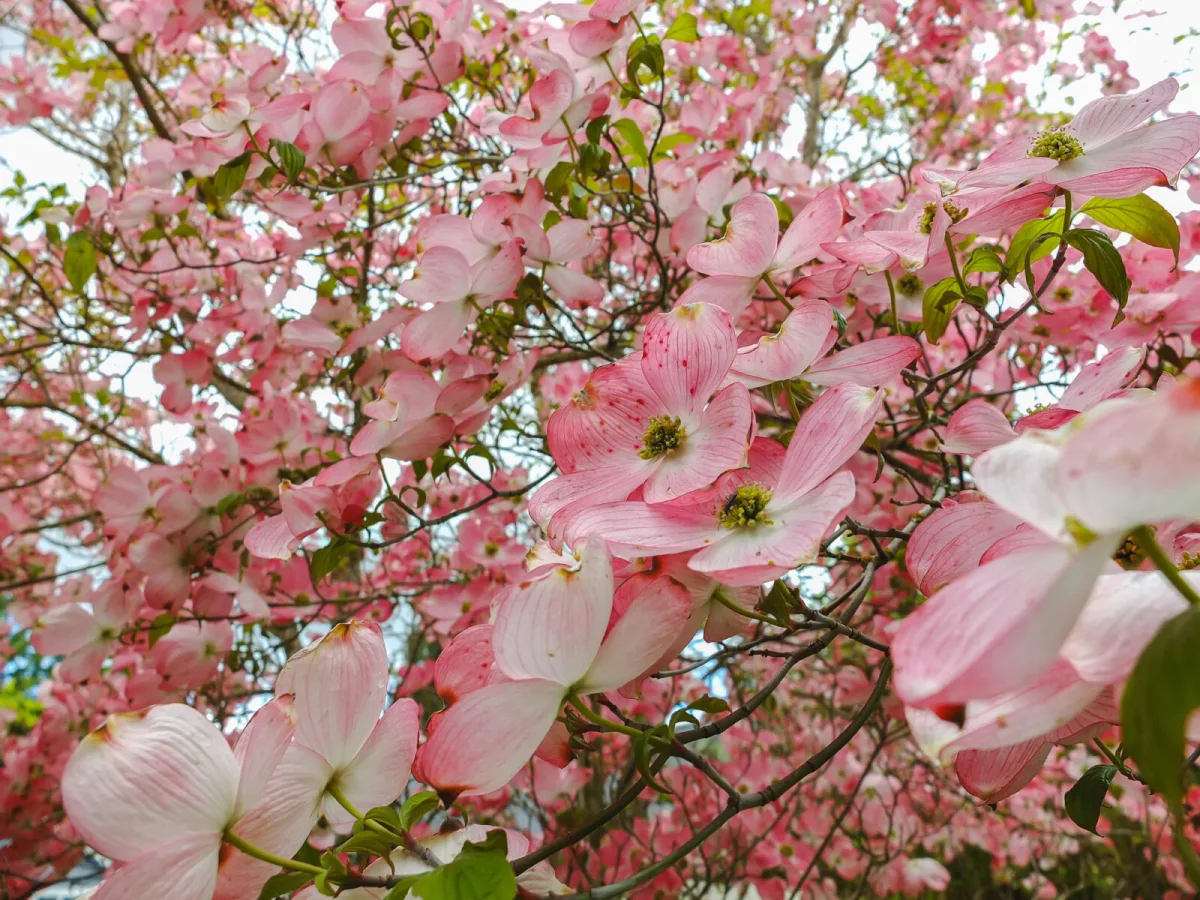
Pink flowering dogwood ideal for underplanting
Pink flowering dogwood is a classic understorey tree. That’s exactly why it suits sites with dappled light, such as beneath taller trees or on the north side of a garden with only brief sun. It grows more steadily, around 30 cm per year, but makes up for it with spectacular bloom and a pleasing crown. It needs slightly moist, well-drained soil and is at its best in partial shade.
Serviceberry: a small tree with edible fruit
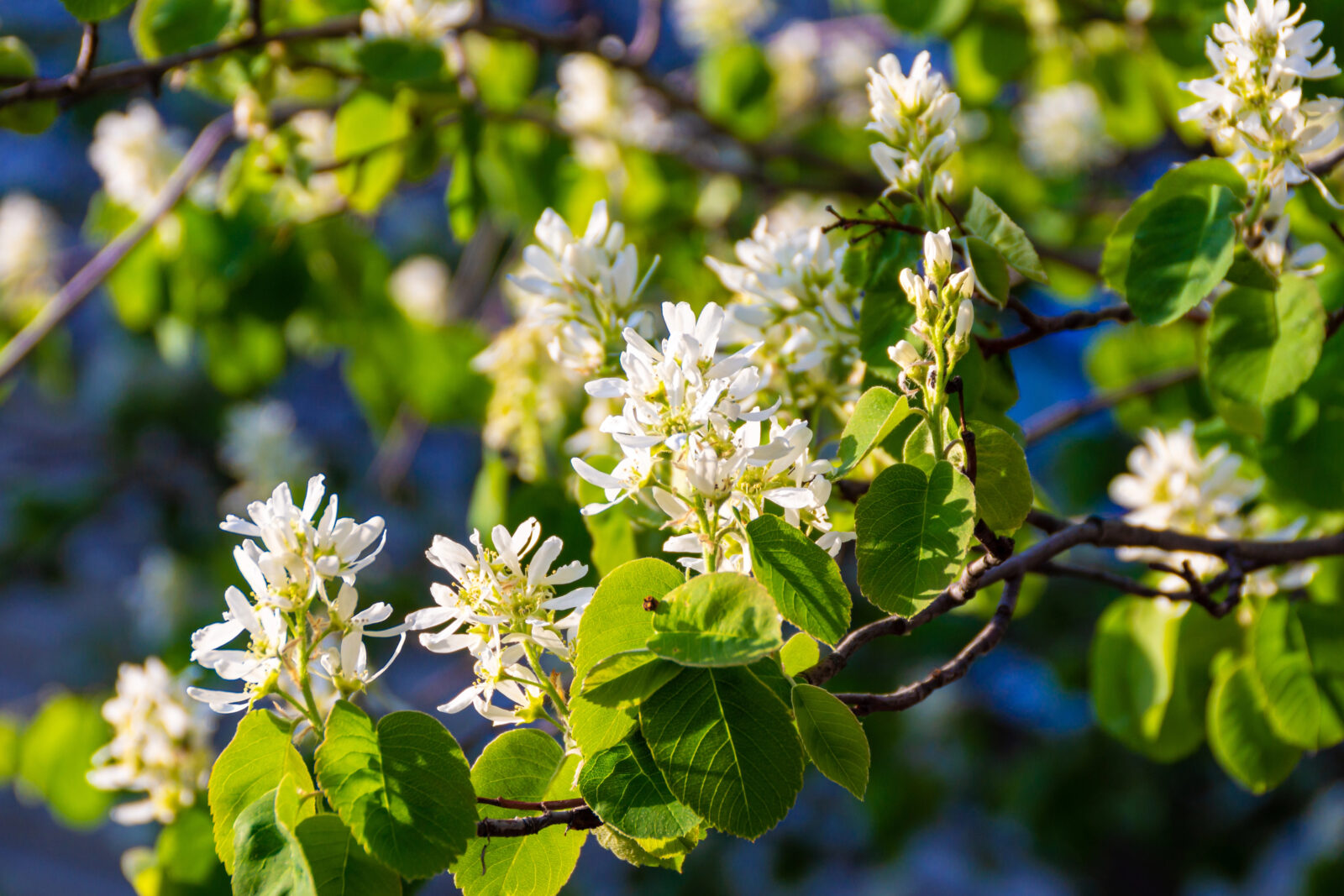
Serviceberry is ideal where you don’t want a huge tree but still want a faster impact. It’s compact, grows at a moderate pace, and in good conditions can add up to around 60 cm per year, while often staying around 3 m tall. In spring it produces white flowers, followed by edible, berry-like fruits that are also attractive to birds. It does well in moist, free-draining soil and tolerates sun or partial shade.
Cornelian cherry dogwood: early blossom and tangy fruit
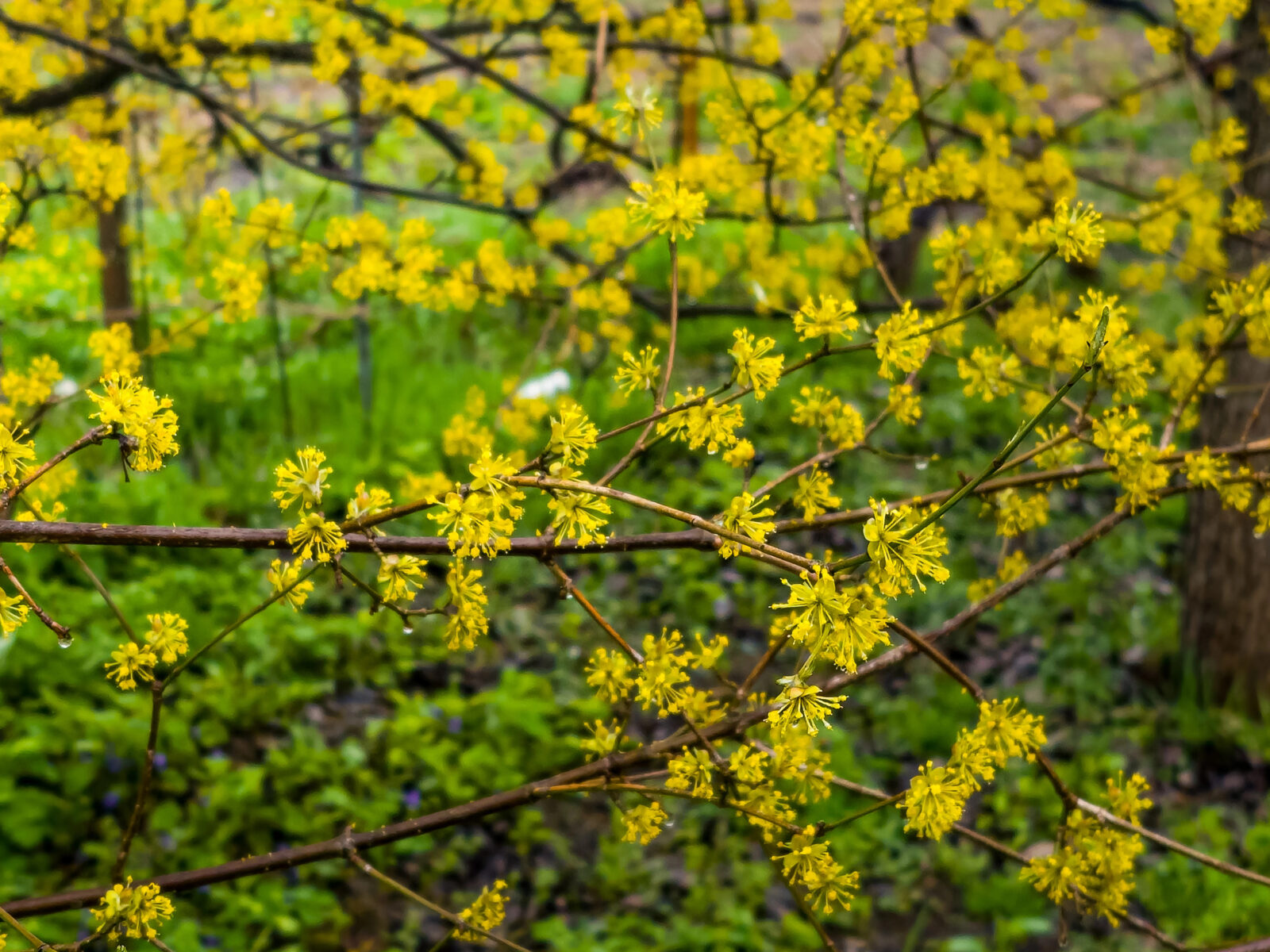
Cornelian cherry dogwood often grows as a large shrub or a small tree. It’s among the earliest spring bloomers, producing small yellow flowers before the leaves emerge. Growth is moderate and can vary with the site. If you choose grafted plants, they may start fruiting quite soon, sometimes within two years of planting. The fruits are edible and distinctly tart, making them excellent for preserving. It prefers well-drained soil and tolerates sun or partial shade.
Tulip tree: a fast-growing giant with unusual flowers
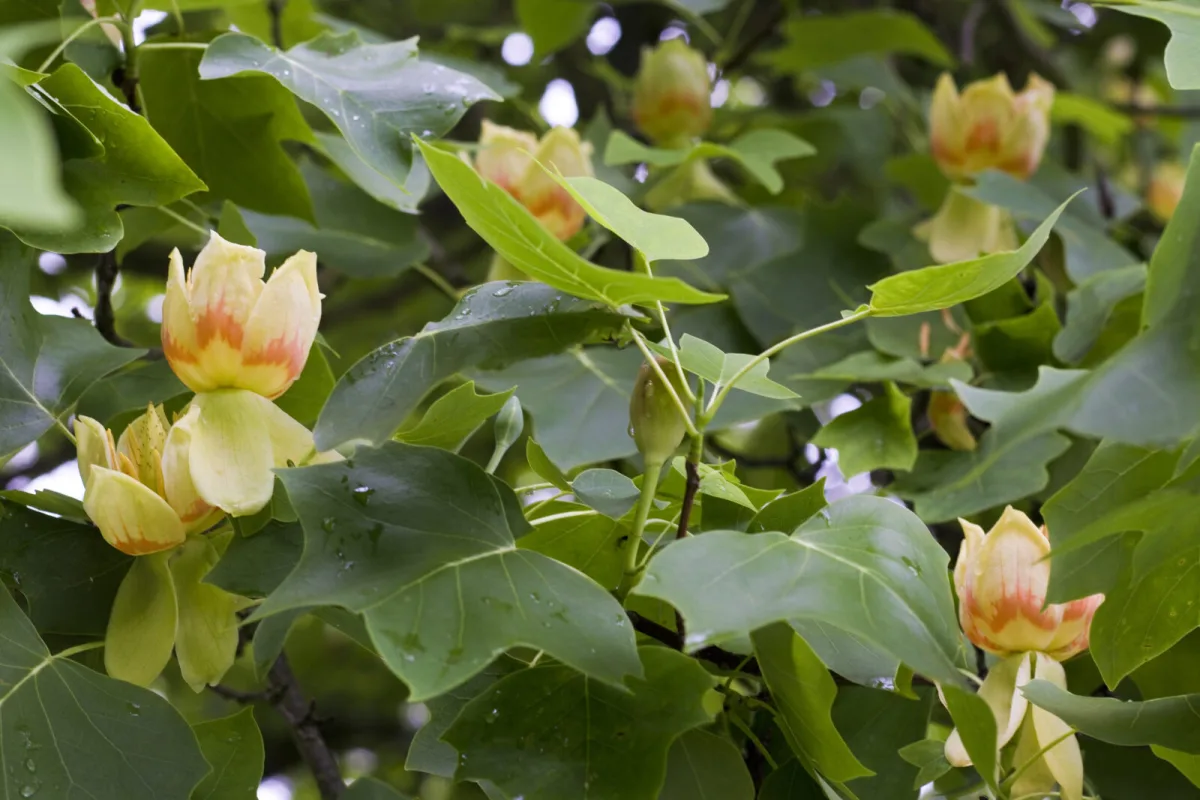
The tulip tree takes its name from its cup-shaped flowers with green-orange colouring that resemble tulips. It’s a tree for larger plots, as it can grow very tall and form a substantial canopy. With the right conditions and plenty of moisture in a free-draining soil, it grows extremely fast, easily 60–90 cm per year. It tolerates sun and partial shade, but for maximum vigour it benefits from more light.
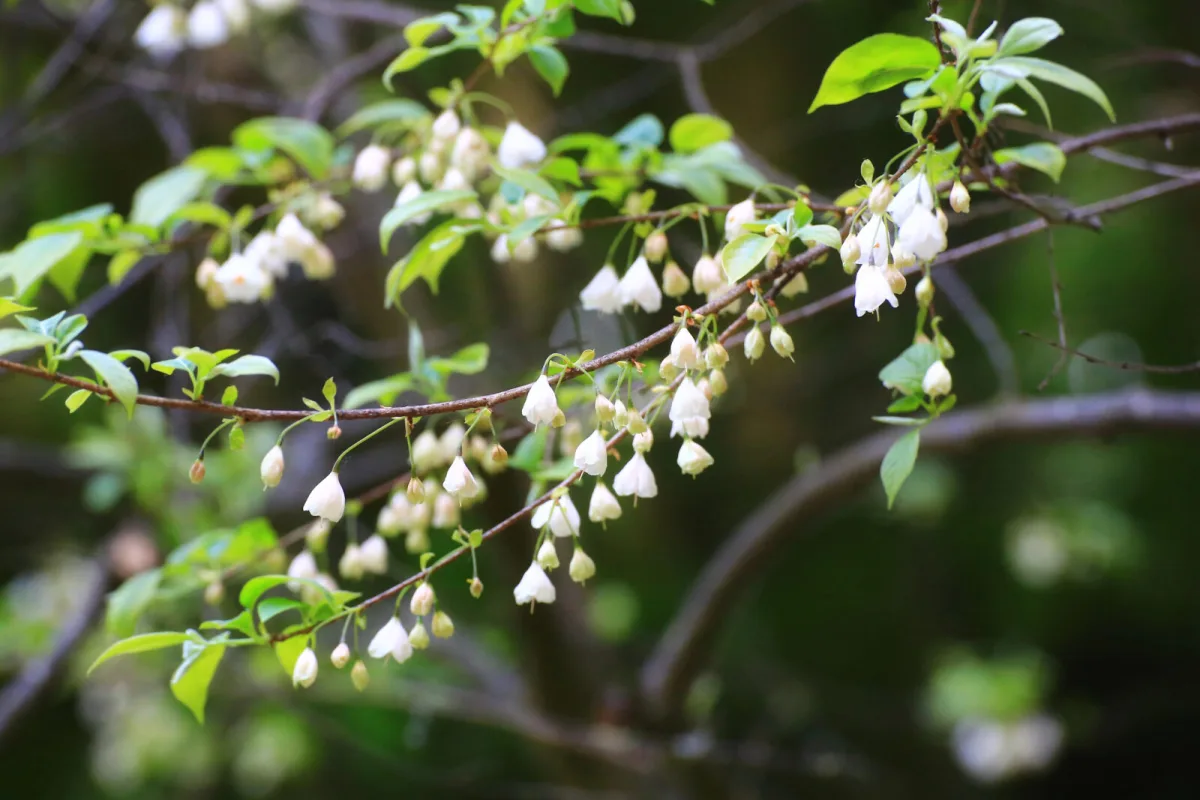
Carolina silverbell: delicate bells in spring
Carolina silverbell is valued for its small bell-shaped flowers, usually white with a faint blush of pink. Its growth is moderate, and its adaptability makes it suitable for ornamental planting in lawns, along boundaries, and in more naturalistic parts of the garden, such as a woodland area or a rain garden. It often starts flowering within a few years of planting. It needs well-drained soil and copes with sun or partial shade.
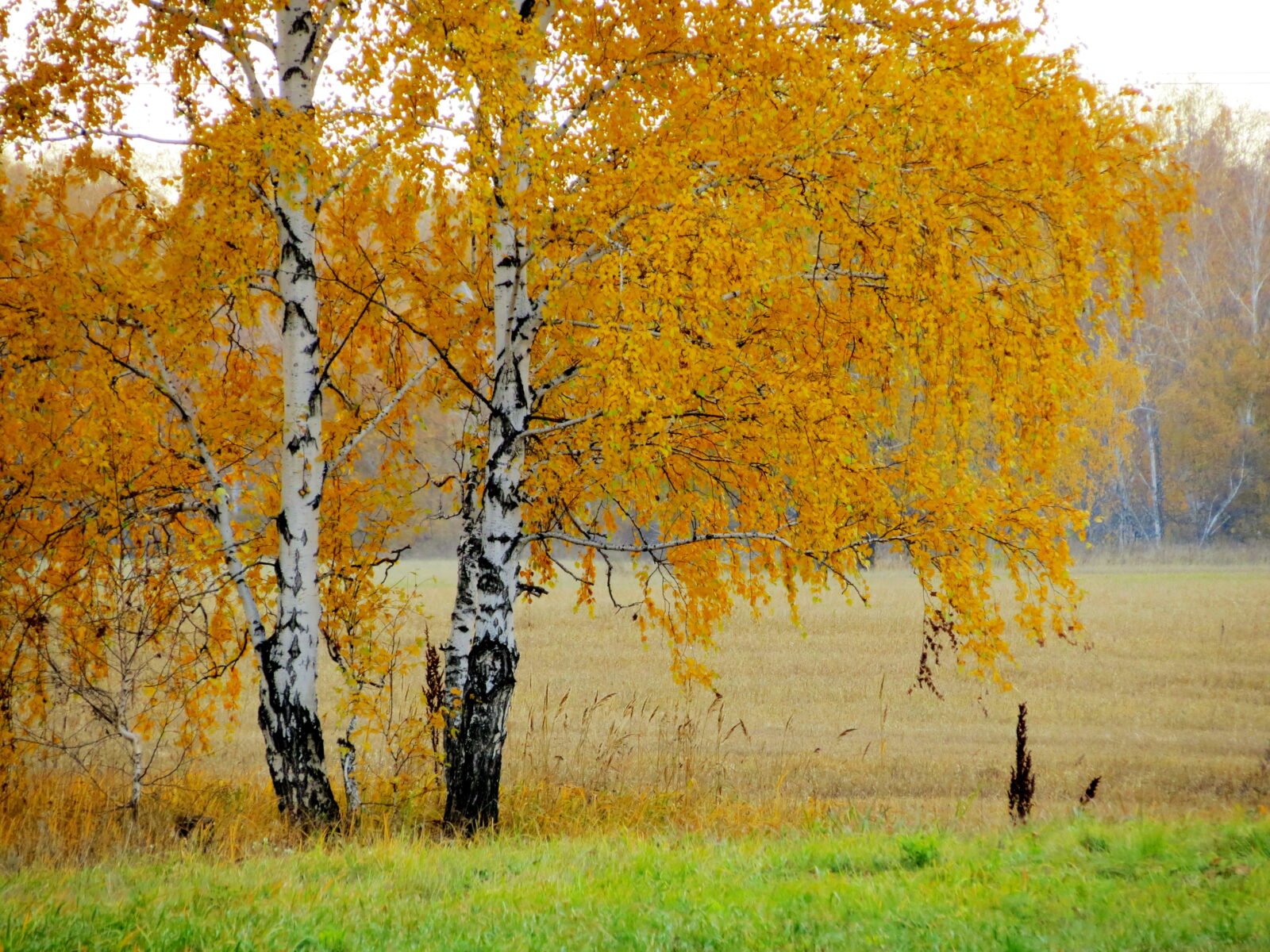
River birch: fast growth even in heavier soils
River birch is among the fastest-growing plants in this selection; in good conditions it can add up to around 1 m per year. It’s known for its decorative peeling bark and fresh green foliage. Although it prefers sunny spots, it also copes with partial shade, especially if it still gets about six hours of sun per day. A major advantage is its tolerance of heavier, poorly drained soils where other trees struggle. It performs best in moist, more acidic ground.
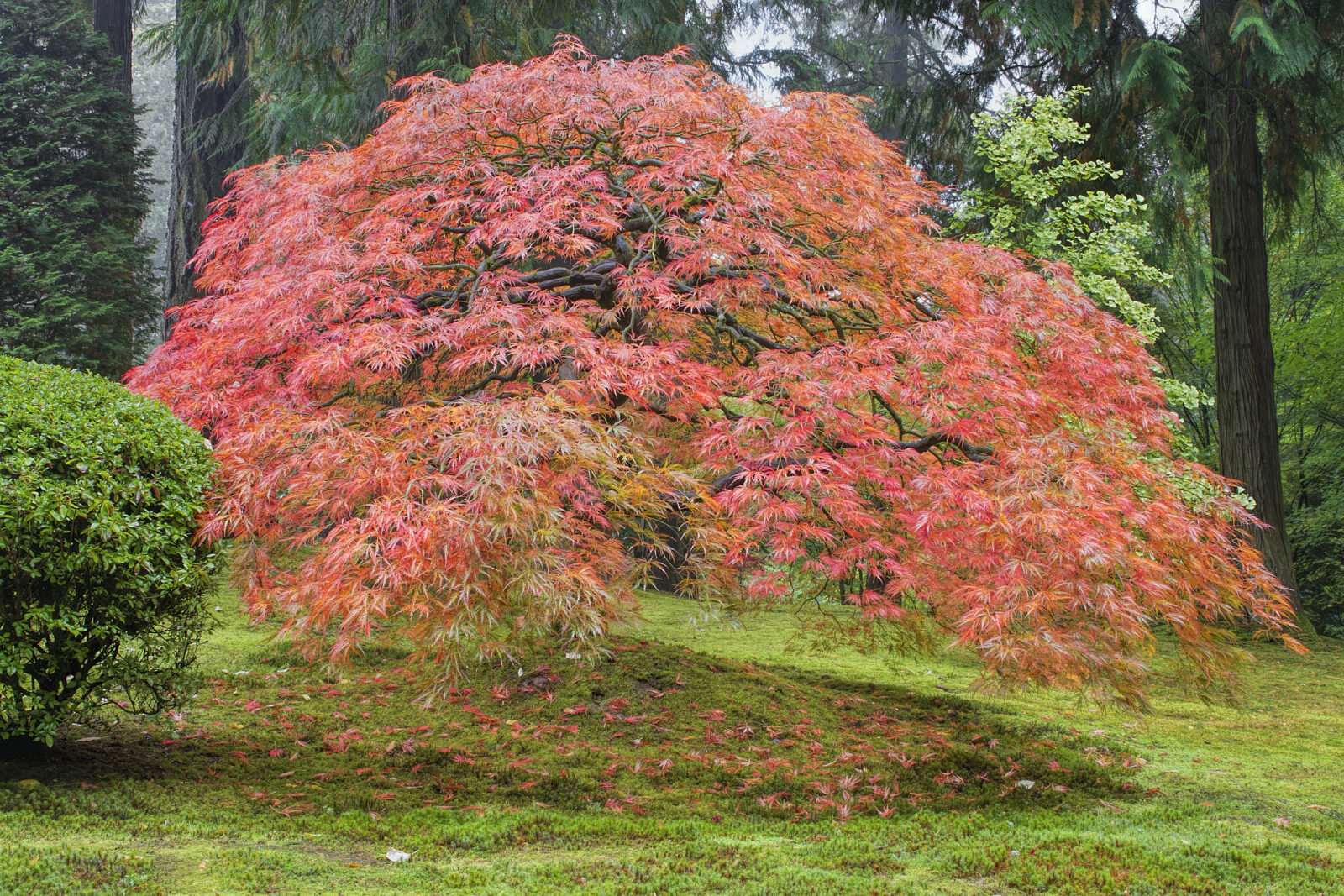
Japanese maple: varied cultivars, even for deeper shade
Japanese maples are popular for their crown shape and finely cut leaves, which colour up beautifully in autumn. Growth is usually moderate, roughly 30–60 cm per year, and depends heavily on the particular cultivar. The eventual size varies as well: some stay small, while others mature into a small tree. Many tolerate partial shade, and some types can even thrive in noticeably shaded conditions. What they typically share is a need for moist, free-draining soil.
Where to place a tree so it thrives in partial shade
The most common mistake with shade-tolerant trees is planting them in full shade with no access to sun. If you want faster growth, choose spots with morning or midday sun and afternoon shade, or under the light canopy of taller trees. In the first few seasons, regular watering and keeping the soil evenly moist really helps, because root competition from surrounding trees can significantly slow a new sapling. When you match light, soil and enough space for the future canopy, you’ll be rewarded with a tree that grows steadily and still looks natural in the garden.
Source: The Spruce, Gardenia , Pestrazahrada.cz
Related articles
Drought tolerant fruit trees for Czech gardens that handle heat and winter frosts
Warmer summers and longer dry spells are changing what can be grown in Czech gardens. With the right variety and a sunny, sheltered spot, olives, pomegranates and figs can cope with heat, drought and even winter cold.
Thuja hedges are on the way out gardeners are choosing a shrub that shrugs off frost and drought and never looks dull
Thuja may be a long-standing classic, but today’s hedges are increasingly built from more varied shrubs that look better through the seasons. One standout choice is ninebark, prized for its toughness, colour and easy care.
Autumn planted grapevines bud earlier the most common mistake happens before they even go in the ground
Planting grapevines in November can give them a head start in spring, as roots can still establish in warm soil. Success depends mainly on proper planting depth and reliable winter protection.
Comments (0)
Be the first to comment.