
 English
  Polski
  Deutsch
  Nederlands
  Svenska
  Norsk
Norsk  Dansk
Dansk  Français
  Italiano
  Español
  Português
  Slovenčina
  Suomi
Suomi  Gaeilge
 When Zucchini Can Be Toxic and How to Spot the Risk Early at Home and in the Garden
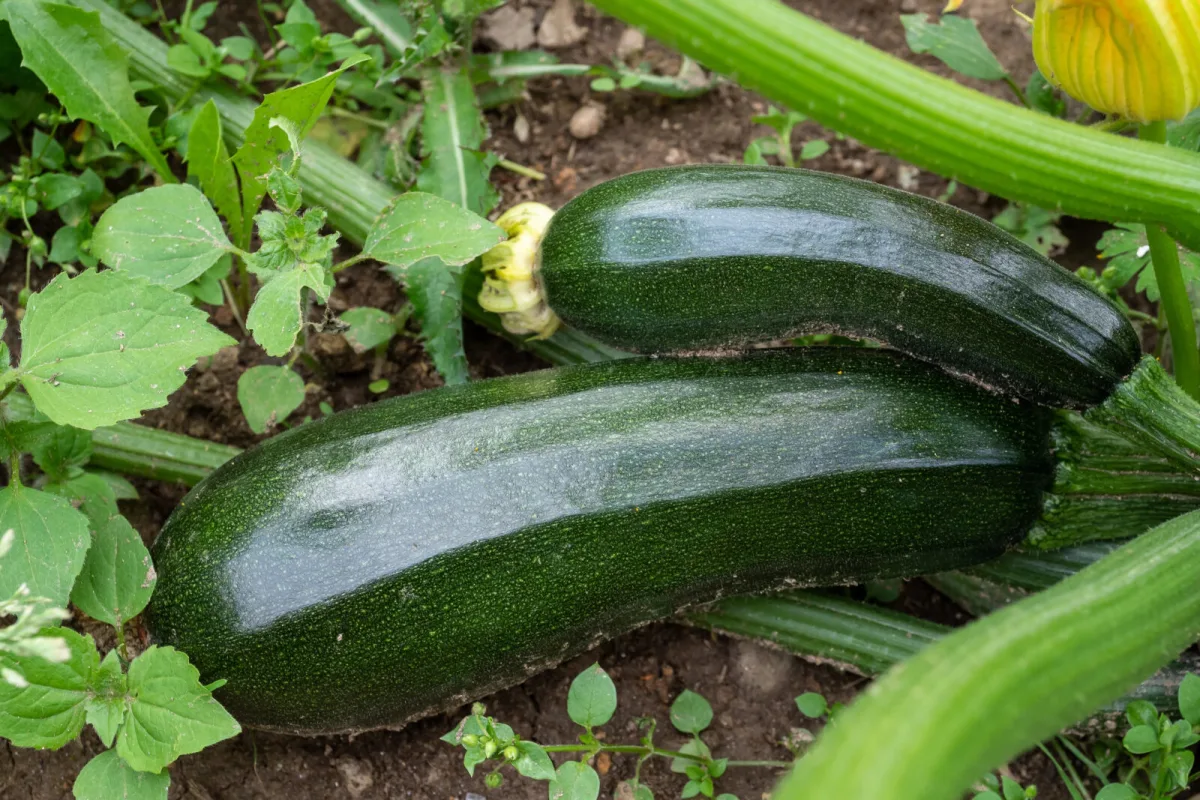
Zucchini in itself isn’t a “poisonous vegetable”. The problem arises when the fruit accumulates natural toxins called cucurbitacins. These are bitter compounds typical of the cucurbit family, and in nature they help protect plants from pests. Modern cultivated varieties bred for eating usually contain very little cucurbitacin, yet under certain conditions they can still appear in zucchini, cucumbers, or pumpkins.
When zucchini is toxic and what causes it
The risk mainly concerns home growing, especially when you repeatedly save seed from your own fruits and varieties cross-pollinate uncontrolled. Cucurbitacins can also increase when the plant is stressed, for example during prolonged drought, irregular watering, extreme heat, or generally poor growing conditions. Another risk factor is overmaturity of the fruit. The longer a zucchini stays on the plant, the more opportunity it has to build up bitter compounds.
Why bitterness is such an important signal
The good news is that our own taste buds usually protect us. Cucurbitacins are distinctly bitter to astringent, and that flavor is hard to miss. If a zucchini tastes unpleasantly bitter, it’s not “just the variety’s flavor” but a warning. In that moment, the safest approach is to discard the fruit without compromise.
How to recognize toxic zucchini while cooking
The most reliable test is simple: carefully taste a tiny piece of raw zucchini before you add it to the dish. You don’t need to eat a whole bite; a quick taste check is enough. If it’s bitter, stop right there.
Bitter zucchini doesn’t belong on the plate even after cooking. Cucurbitacins are not reliably destroyed by boiling, baking, or stewing.
Can you “fix” the bitterness?
A common misconception is that salt, seasoning, cream, or longer cooking will remove bitterness. That may partially mask the taste, but the risk remains. As soon as you hit a bitter piece, it’s sensible to throw away the entire fruit and not take chances.
What cucurbitacin poisoning can cause
Symptoms usually resemble food poisoning. Nausea, abdominal cramps, vomiting, and diarrhea are typical, sometimes along with overall weakness. Severity depends on the amount of toxin and a person’s sensitivity. In rare cases, very severe courses have been reported. If symptoms come on quickly, are intense, dehydration develops, or a child, older adult, or pregnant woman is affected, it’s appropriate to contact a doctor.
Raw zucchini and safety
Raw zucchini is generally safe to eat and is used in the kitchen for salads and as “noodles”. The key is that it must not be bitter. The moment you notice astringency, don’t try to “power through it”. That quick raw taste test is the fastest way to catch the risk before you prepare an entire meal.
How to prevent bitterness in the garden
The best prevention is a combination of sensible cultivation and proper harvest timing. It pays to use purchased, reputable seed and not keep saving seed from your own zucchini year after year, because traits can deteriorate and accidental cross-pollination with other squashes can occur. Water zucchini regularly, especially in hot weather, and harvest young, smaller fruits that haven’t become oversized. Overgrown zucchini with huge seeds may look impressive, but they tend to be poorer in the kitchen and potentially riskier.
Watch out for cucumbers and pumpkins too
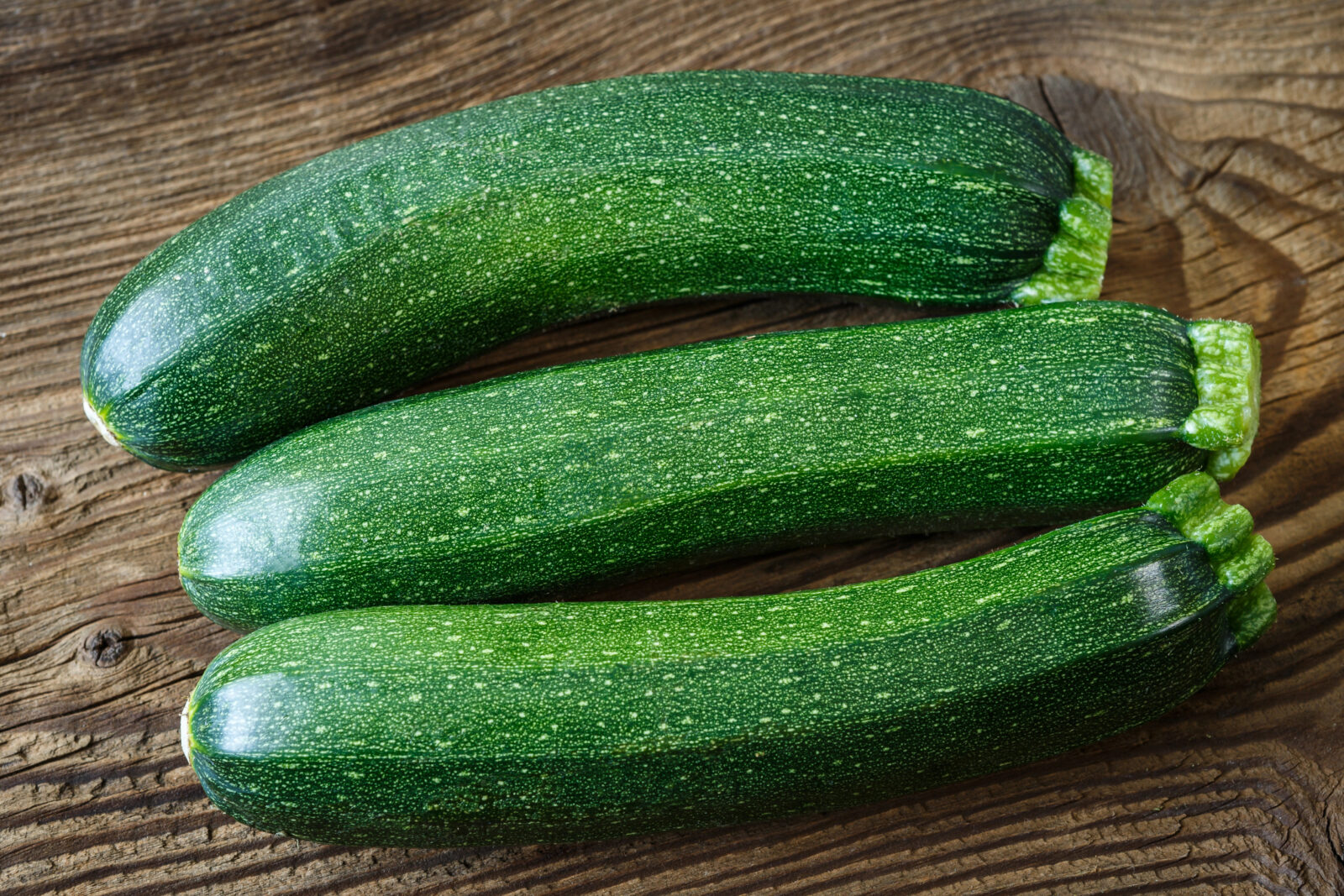
Cucurbitacins aren’t limited to zucchini. They can show up similarly in cucumbers and pumpkins as well. The same rule applies: if the taste is strongly bitter, don’t eat it. With cucurbits in general, bitterness isn’t a “culinary experience” but a signal to be cautious.
What to do with bitter zucchini
The simplest and safest solution is to throw the bitter fruit away, or put it on the compost. Your health matters more than trying to “save it somehow”. Zucchini is a wonderful summer vegetable, but with homegrown fruit one rule is worth sticking to: if it’s bitter, it’s done.
Source: Health, Foo Safety News, Gardening Know How, Pestrazahrada.cz

A lover of nature, gardens, and everything that moves, blooms, or grows. He literally grows everything, from herbs to rare species, and he enjoys caring for animals just as much. In his work, he connects modern technology with tried-and-tested grandmotherly methods and is happy when both paths lead to the same goal.
Related articles
The Most Overlooked Shrub in the Czech Landscape Sloe Feeds Bees Shelters Birds and Bears Fruit Few People Know
Blackthorn (sloe) is an unassuming, thorny shrub that supports wildlife early in the season and yields dark, frosted fruits in autumn. Once touched by frost, its astringent sloes become a valued ingredient for preserves, drinks, and traditional remedies.
How to Choose a Sack for Storing Potatoes So They Don’t End Up in the Compost in a Few Weeks
The right storage sack helps protect potatoes from light and excess moisture, two common reasons they spoil. Learn when to choose a jute sack or a paper sack and how to keep your crop sound for months.
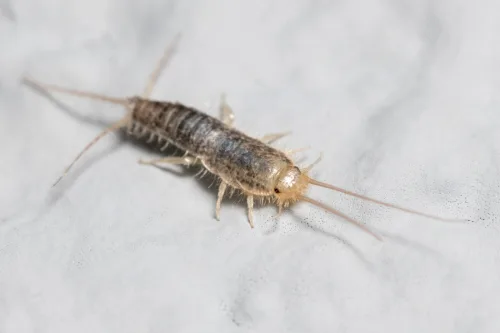
Silverfish Appear at Night and Vanish into Cracks Get Rid of Them with One Change Not a Spray
Silverfish thrive in dark, damp corners and often show up only at night. Long-term control comes from drying the space and removing hiding places, not just spraying chemicals.
Comments (0)
Be the first to comment.