
 English
  Polski
  Deutsch
  Nederlands
  Svenska
  Norsk
Norsk  Dansk
Dansk  Français
  Italiano
  Español
  Português
  Slovenčina
  Suomi
Suomi  Gaeilge
 Beautiful boxwoods to enhance your garden year-round practical planting and care tips
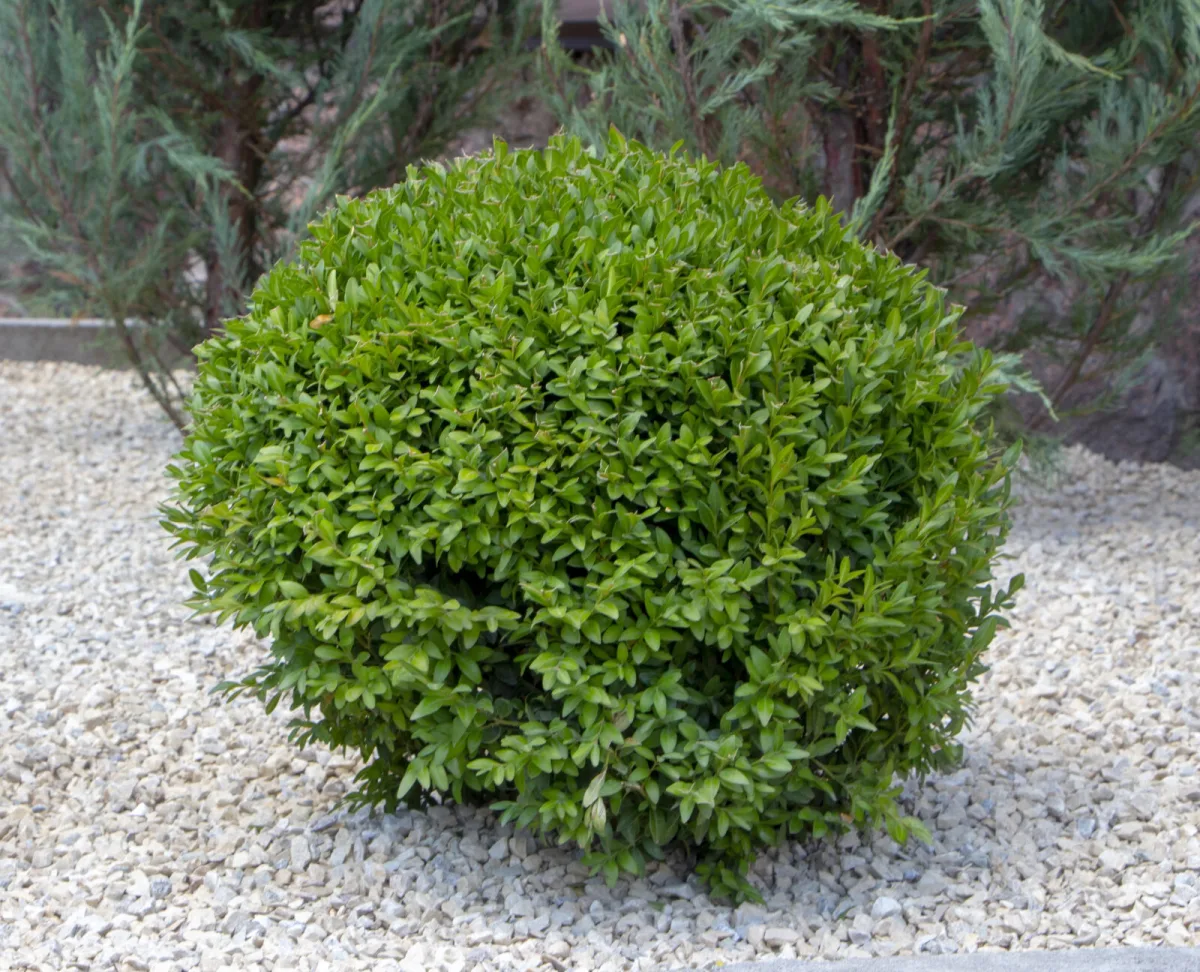
Boxwood (Buxus spp.) is one of the most versatile evergreen shrubs for an ornamental garden. It stands out for holding its shape and colour all year, tolerating clipping, and working equally well in small front gardens and large, formal designs. Its dense, fine foliage creates the garden’s “green architecture”: a backbone that looks good in summer and in winter, when most plants are dormant.
A major advantage of boxwoods is their adaptability. When planted correctly, they cope with a range of soils and positions, and because they grow relatively slowly, they keep their chosen shape for a long time without constant intervention. In many gardens they’re also valued for their relative resistance to browsing, as the leaves contain compounds that animals tend to avoid.
What boxwoods look like and how fast they grow
Depending on the species and cultivar, boxwoods can form low cushions, tight spheres, columns and broader shrubs. In practice, the most commonly used sizes range from a few dozen centimetres to around 2 metres, although some types can grow significantly larger. Growth is generally slow to moderate; dwarf forms put on very little each year, while more vigorous cultivars grow more noticeably, but they’re still far from “fast shrubs”. That’s exactly why boxwoods are so sought-after for low edging hedges and clipped features.
In spring, small yellow-green flowers may appear, but they are not the main ornamental feature. Boxwood is grown primarily for its leaves: leathery, densely packed, and forming a compact mass that’s easy to shape.
Where boxwoods do best
Partial shade or dappled light is the most reliable, ideally with a few hours of direct sun each day. Harsh afternoon sun can cause leaf scorch and bronzing, especially when combined with drought. In deeper shade boxwoods will survive, but they tend to be looser in habit and less richly coloured.
Protection from winter wind is important. Drying, freezing air currents are a common cause of winter damage, which then shows up as browned foliage. If your garden is open and windy, placing plants near a hedge, wall or another naturally sheltered spot will help.
Planting step by step and correct spacing
The best time is usually autumn or early spring, when the soil is neither dried out nor overheated. The basic rule is: boxwood must not sit in water. When planting, drainage and planting depth are what matter most.
Dig a hole about twice as wide as the root ball and only slightly deeper. After removing the plant from its pot, gently tease out any circling roots. Set the shrub so the root flare sits slightly above the surrounding soil level; the soil will settle and the plant will be less likely to suffer from waterlogging. Backfill, firm lightly to eliminate air pockets, and water thoroughly.
If you want a hedge, space plants at roughly half of the mature width of the shrub so they knit together without overcrowding. For specimen plants and topiary, it’s better to leave more room for air movement, which reduces disease risk and makes clipping easier.
Soil, mulch and watering as the foundation of success
Boxwoods are fairly tolerant, but they do require good drainage. The ideal is a free-draining, humus-rich soil that holds moisture without turning boggy. Mulch helps a great deal: a layer of bark or wood chips suppresses weeds, stabilises temperature, and protects shallow roots from overheating and freezing. Don’t pile mulch directly against the stem; leave a small gap.
In the first year after planting, keep the soil evenly moist, not waterlogged. Boxwood has a shallow root system and can struggle quickly in hot, dry spells. In later years it’s usually more resilient, but during prolonged drought it will appreciate a deep soak at the root zone. Water preferably in the morning and onto the soil, not over the foliage, so leaves don’t stay wet for long and fungal disease risk is reduced.
Feeding and nutrition without overdoing it
For typical garden conditions, a spring application of an all-purpose fertiliser for shrubs is enough. The goal is to support new leaf growth and overall vigour, not to force soft, sappy, overlong shoots. In more sensitive situations, a modest dose is better than frequent overfeeding, because boxwood roots are shallow and can be easily damaged. If you grow boxwood in a container, it pays to use a high-quality potting mix and feed a bit more regularly, but still sparingly.
Clipping and shaping when and how for a dense shrub
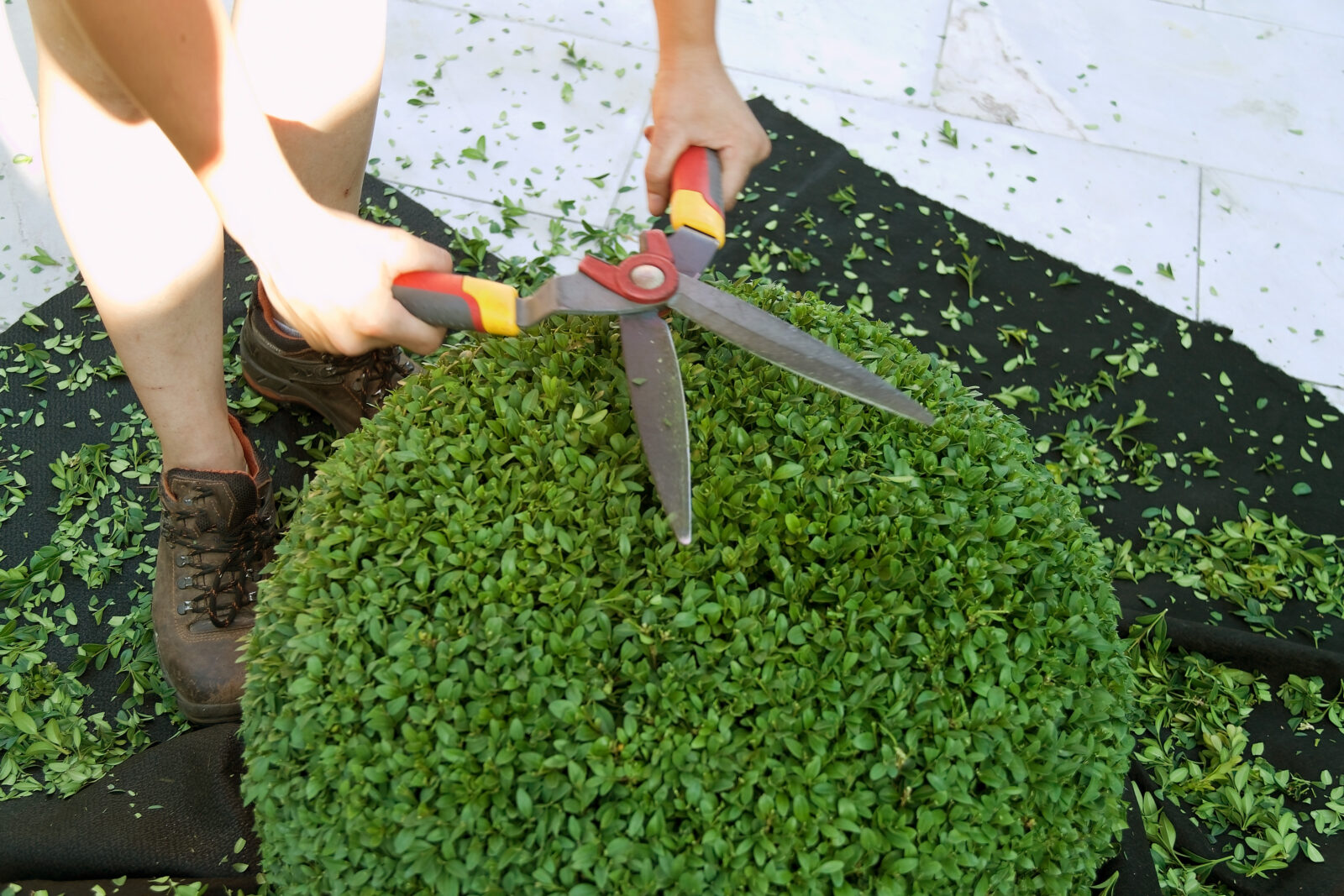
Regular light clipping keeps boxwood compact and encourages thickening. Shaping is best done from late spring into summer. Late autumn and winter clipping is not recommended, because fresh growth can be damaged by frost and the shrub is needlessly weakened.
Alongside “cutting to shape”, thinning is important too. An overly tight outer shell can block airflow and light, causing the interior to dry out. From time to time, remove a few older twigs from inside the shrub and cut out any dead or diseased parts. After summer clipping, water the plant to reduce drying through fresh cuts.
Most common problems yellowing and winter damage
Yellowing or bronzing leaves can have several causes. Often it’s drought stress, root damage, waterlogging followed by rot, or winter desiccation from wind. If brown patches appear after winter, don’t rush into a hard renovation cut; wait for spring growth to show the true extent of damage, and only then adjust with pruning.
Prevention comes down to correct planting in free-draining soil, mulching, watering during dry periods, and winter protection in windy sites. For young or exposed shrubs, a simple hessian screen can reduce drying winds.
Diseases and pests and why air circulation matters
Boxwoods can be troubled by sap-sucking pests and caterpillars, and in some areas also by serious fungal diseases. A frequent common factor behind problems is foliage that stays wet for long periods and plantings that are too dense. That’s why it’s important to space plants properly, water at the roots, and keep shrubs reasonably open and airy.
The best “spray” is prevention: free-draining soil, watering without wetting the leaves, and plenty of air inside the shrub.
Using boxwoods in garden design
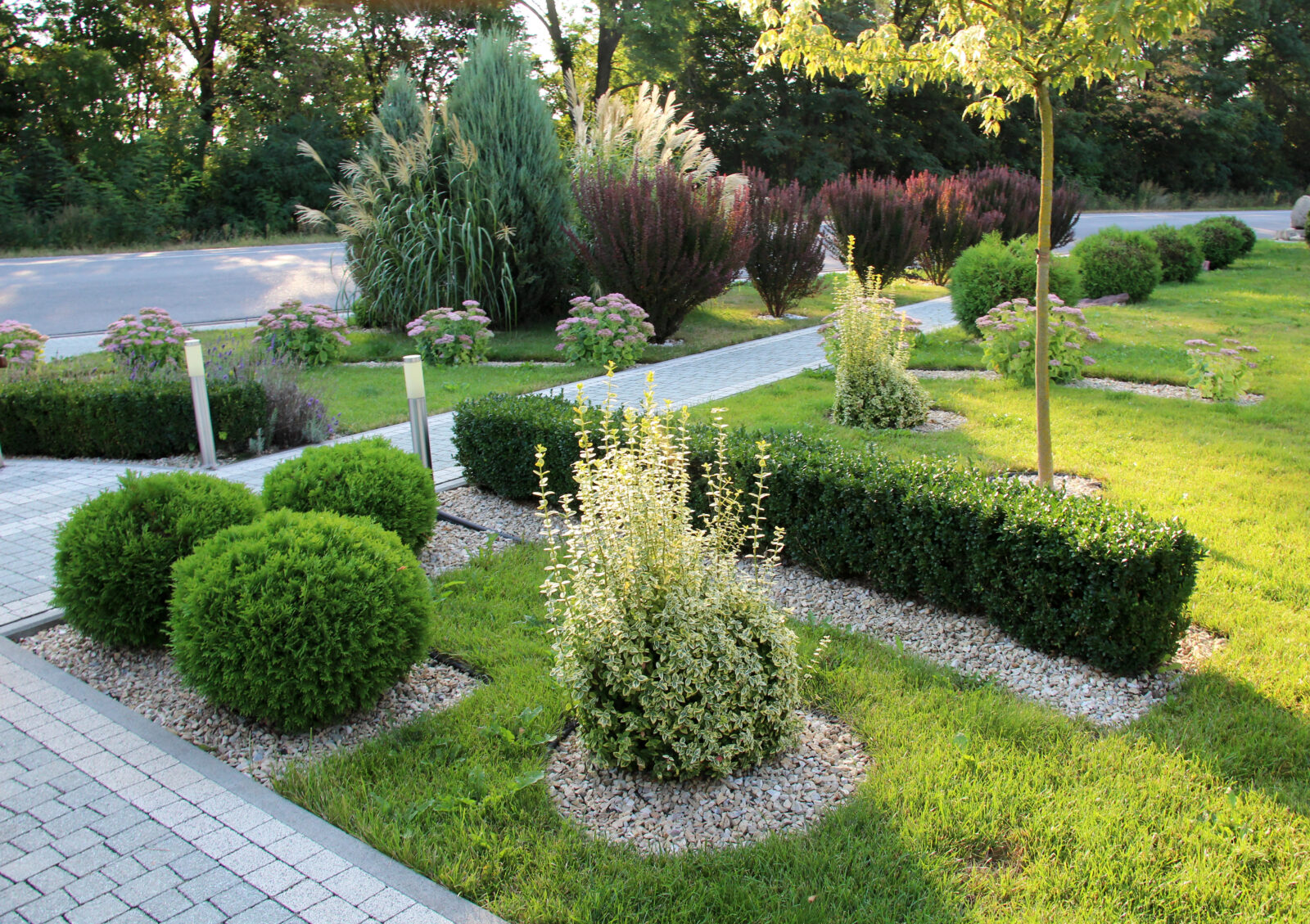
Boxwoods are ideal for low bed edging, living borders along paths, defining garden “rooms”, and planting near the house. They also work beautifully in containers by an entrance, creating a year-round, smart framework. Thanks to their neutral green colour, they highlight flowering perennials, bulbs and ornamental shrubs; they act as a calm backdrop that holds the whole composition together.
Safety and pets
It’s worth knowing that boxwood contains compounds that can be toxic if ingested by people and some pets. In gardens where small children play or where dogs are prone to chewing plants, consider placing shrubs out of reach or choose a different evergreen with a similar effect. When working with boxwood, the sap can irritate sensitive skin, so wearing gloves is sensible.
How to choose the right boxwood for your purpose
For low edging and finer shaping, slower-growing, compact cultivars are the best choice, as they hold their form with minimal maintenance. For taller hedges, choose more vigorous types with naturally upright growth. In colder regions, hardier forms are better suited to winter fluctuations. When buying, ask about hardiness for your area and prioritise healthy plants with dense foliage and no spotting.
What to remember for long-lived, beautiful boxwoods
Success comes down to three points: free-draining soil with no standing water, sensible watering especially in the first few years, and protection from weather extremes, particularly winter wind and summer scorch. Add gentle shaping and occasional thinning, and you’ll have a dependable evergreen shrub that serves the garden for many years as a living edge, an elegant ball, or a neatly clipped hedge.
Source: Gardendesign, Proven Winners , Pestrazahrada.cz
Related articles
The Christmas Amaryllis That Can Bloom for Years but Most People Throw It Away After Flowering
Hippeastrum is a spectacular winter-blooming bulb that, with the right care, will flower again year after year. Learn how to plant it correctly, look after it after flowering, and bring it into dormancy so it reliably reblooms.
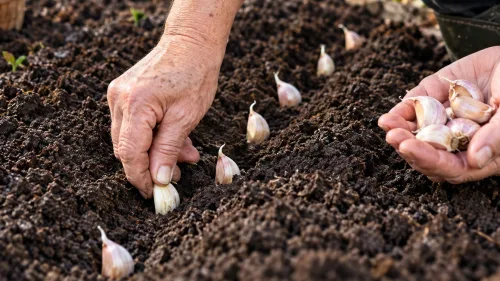
How to Grow Winter Garlic for a Much Bigger Harvest
Autumn planting is the key to strong, healthy winter garlic, but the details make all the difference. With the right timing, bed choice, seed-clove treatment and a simple bicarbonate trick, you can noticeably boost yield.
A tree or shrub planted properly in autumn can outpace spring stock and improve fruiting
Many fruit trees and soft-fruit shrubs establish better when planted in autumn, because roots keep growing while the top is dormant. Done well, this head start means stronger spring growth, less watering, and a healthier first year.
Comments (0)
Be the first to comment.