
 English
  Polski
  Deutsch
  Nederlands
  Svenska
  Norsk
Norsk  Dansk
Dansk  Français
  Italiano
  Español
  Português
  Slovenčina
  Suomi
Suomi  Gaeilge
 An August sowing of dill keeps fresh fronds coming until the first October frosts
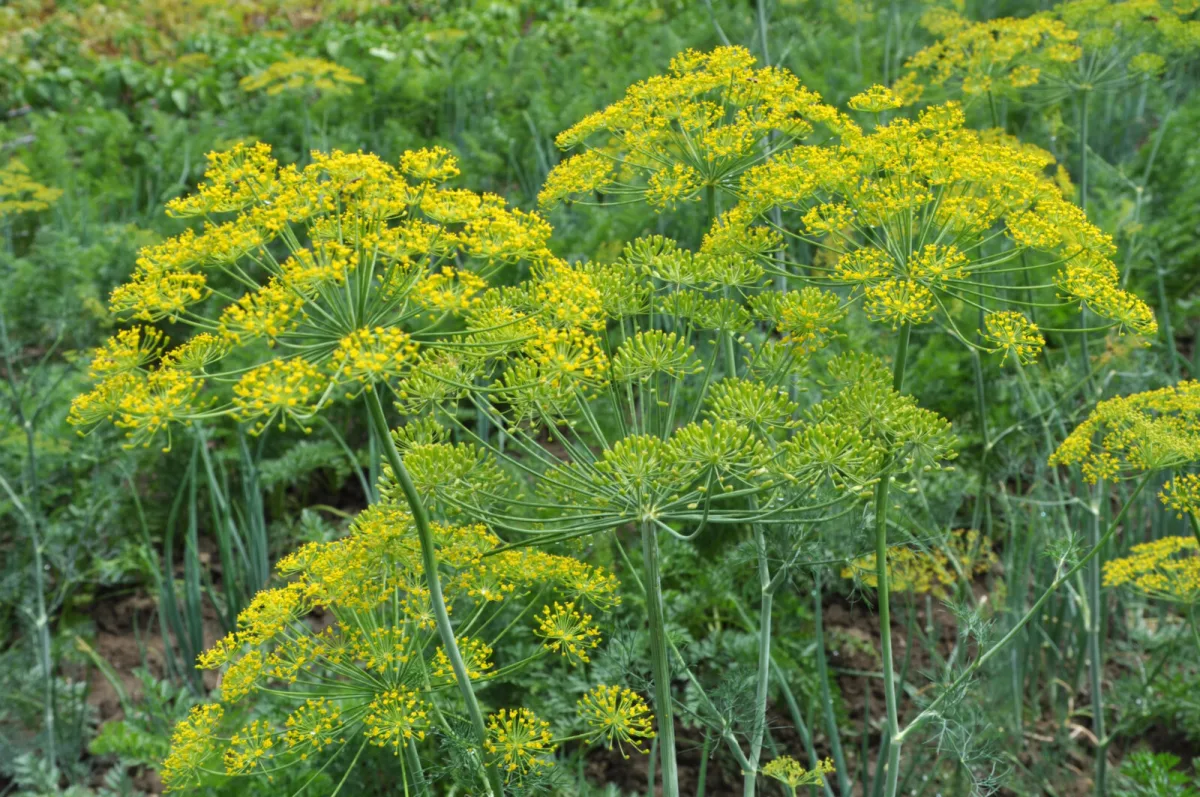
In August, once early crops have been harvested, beds begin to free up—but the gardening season is far from over. That’s exactly when it makes sense to sow another batch of dill. If you give it the right conditions, you can harvest young, tender, strongly fragrant fronds through September and often into October, until harder frosts arrive.
Dill doesn’t require much space or complicated care. The basics are loose soil, regular moisture, and a sensibly timed sowing so the plants have time to build plenty of leafy growth.
Why dill thrives at the end of summer
Dill doesn’t enjoy long spells of draining heat. Toward the end of summer, nights gradually cool and the days shorten, which usually suits the production of tender fronds better than hot July weeks. That’s why an August sowing can be more reliable, with a more delicate harvest.
For an autumn harvest, it pays to choose early to mid-early varieties bred for leaf production. Types grown mainly for large flower heads and seed aren’t always as practical if your goal is quick autumn foliage.
Where to sow dill and how to prepare the soil
You don’t need to start a brand-new large bed just for dill. Spots left after early potatoes, onions, garlic, peas, or other early vegetables work perfectly. Simply loosen the soil, remove weeds, and level the surface so the seed can be sown evenly.
If the soil is light and poor, you can improve it slightly with well-rotted compost before sowing. On the other hand, don’t add fresh manure under dill—late in the summer the plants don’t need it, and a gentle, already-decomposed organic matter is a better fit.
A trick for faster seed germination
Dill seeds contain essential oils that can slow water uptake. That’s why germination sometimes takes longer and the first seedlings appear later than you expect.
You can encourage germination by soaking the seeds in water for about 24 hours before sowing. During soaking, it’s a good idea to change the water a few times. Then let the seeds dry briefly so they’re easier to handle and don’t stick together.
Even more important than soaking is keeping the bed moist. The August sun can dry the soil surface quickly, and even high-quality seed may emerge poorly if the soil repeatedly dries out completely after sowing.
How to sow dill properly so it’s strong and tender
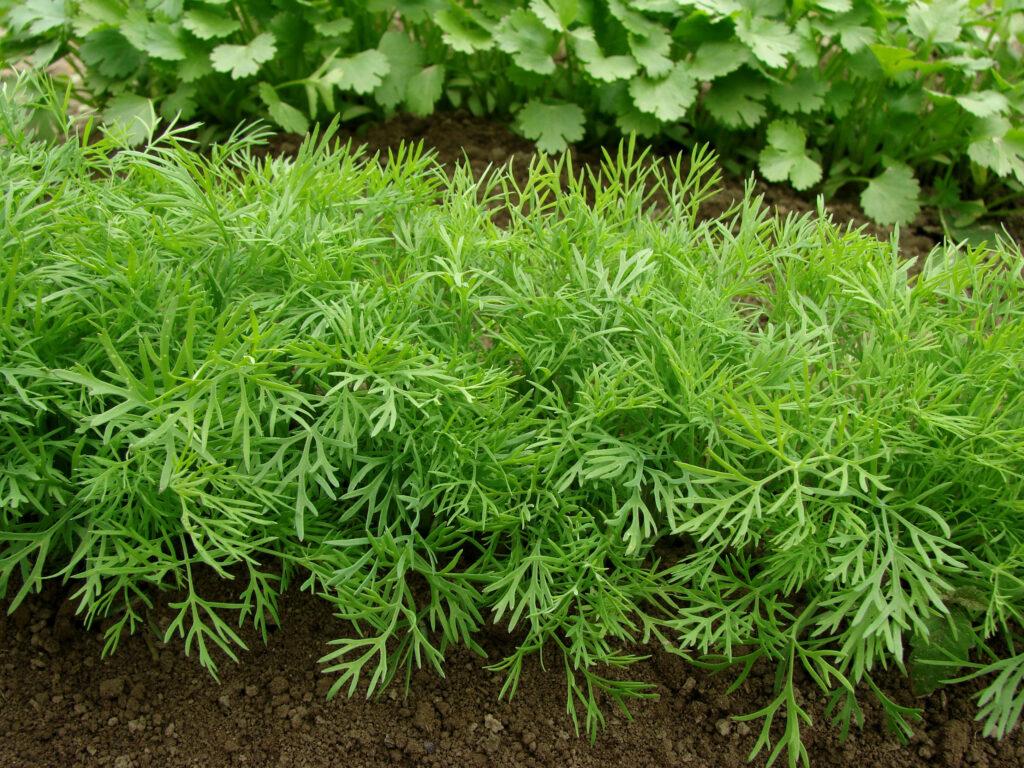
Make shallow drills about 1 to 2 cm deep. Before you add the seed, water the drills thoroughly. Only then scatter the seed and cover it with a thin layer of loose soil or fine compost.
You can gently firm the surface with your palm so the seed has better contact with the soil. But don’t overdo the sowing density. In an overly crowded stand, plants compete for light, water, and nutrients, become lanky, and the fronds are weaker. If the dill comes up too thickly, thin the young seedlings carefully to give them space.
Want fronds right into autumn? Sow in succession
Instead of one large sowing, succession sowing works best. Sow a small batch straight away and another about 10 to 14 days later. That way, not all the plants mature at the same time and the harvest naturally spreads out.
While you’re already snipping fronds from the first sowing, the second batch will still be growing on. In a home garden, this approach is often more practical than a single big bed that gives you more dill at once than you can use.
Watering is decisive in August
With a summer sowing, water plays the key role. Until the first seedlings appear, check regularly that the top layer of soil stays moist. Water gently—ideally with a fine rose—because a heavy stream can wash tiny seeds out or push them too deep.
After emergence, keep watering regularly, especially during dry spells. A lack of water often leads to coarser fronds and causes the plant to bolt sooner, which is undesirable if you want a steady supply of tender leaves.
Harvesting without pulling up the plant extends the crop
You don’t have to harvest dill by pulling the whole plant. In most cases it’s better to snip young fronds as needed and leave part of the plants to keep growing. This ensures a continuing supply of fresh dill and extends the time you can harvest from the bed.
If you also want dill for preserving or pickling, you can later let some plants flower and form seed heads.
How much space it needs and what spot to choose
One of the main advantages of an August sowing is how little space it takes. Dill can be tucked in among other vegetables or used to fill gaps after early crops. The important things are a sunny position and soil that holds reasonable moisture but doesn’t stay waterlogged.
Fresh autumn fronds straight from the garden
Sowing dill in August is a simple way to get another harvest from the garden just as summer starts to wind down. If you use newly freed beds, sow in stages, and keep an eye on moisture, you can have fragrant green fronds for much of autumn. They’re perfect in salads, with potatoes, with meat, and in hot soups—so the season pleasantly continues well after the main summer harvest.
Source: To je nápad, Gardening Know How, GrowVeg, Pestrazahrada.cz

A lover of nature, gardens, and everything that moves, blooms, or grows. He literally grows everything, from herbs to rare species, and he enjoys caring for animals just as much. In his work, he connects modern technology with tried-and-tested grandmotherly methods and is happy when both paths lead to the same goal.
Related articles
Autumn planted grapevines bud earlier the most common mistake happens before they even go in the ground
Planting grapevines in November can give them a head start in spring, as roots can still establish in warm soil. Success depends mainly on proper planting depth and reliable winter protection.
Ten Crops to Sow Before Winter for an Earlier Spring Harvest
Autumn sowing lets hardy vegetables and herbs root in before frosts, so they spring into growth as soon as temperatures rise. With the right timing and bed preparation, you can harvest noticeably earlier in the new season.
Planting Garlic Has One Rule Most Gardeners Break Right at the Start
Autumn is the ideal time to plant garlic, but timing it by soil and air temperature matters more than the calendar. Planting once temperatures stay below 9 °C and using good cloves in well-prepared soil sets you up for a strong spring start and a better harvest.
Comments (0)
Be the first to comment.