
 English
 Polski
 Deutsch
 Nederlands
 Svenska
 Norsk
 Dansk
 Français
 Italiano
 Español
 Português
 Slovenčina
 Suomi
 Gaeilge
Are You Storing Pumpkins Properly One Mistake Can Cut Their Shelf Life by Months
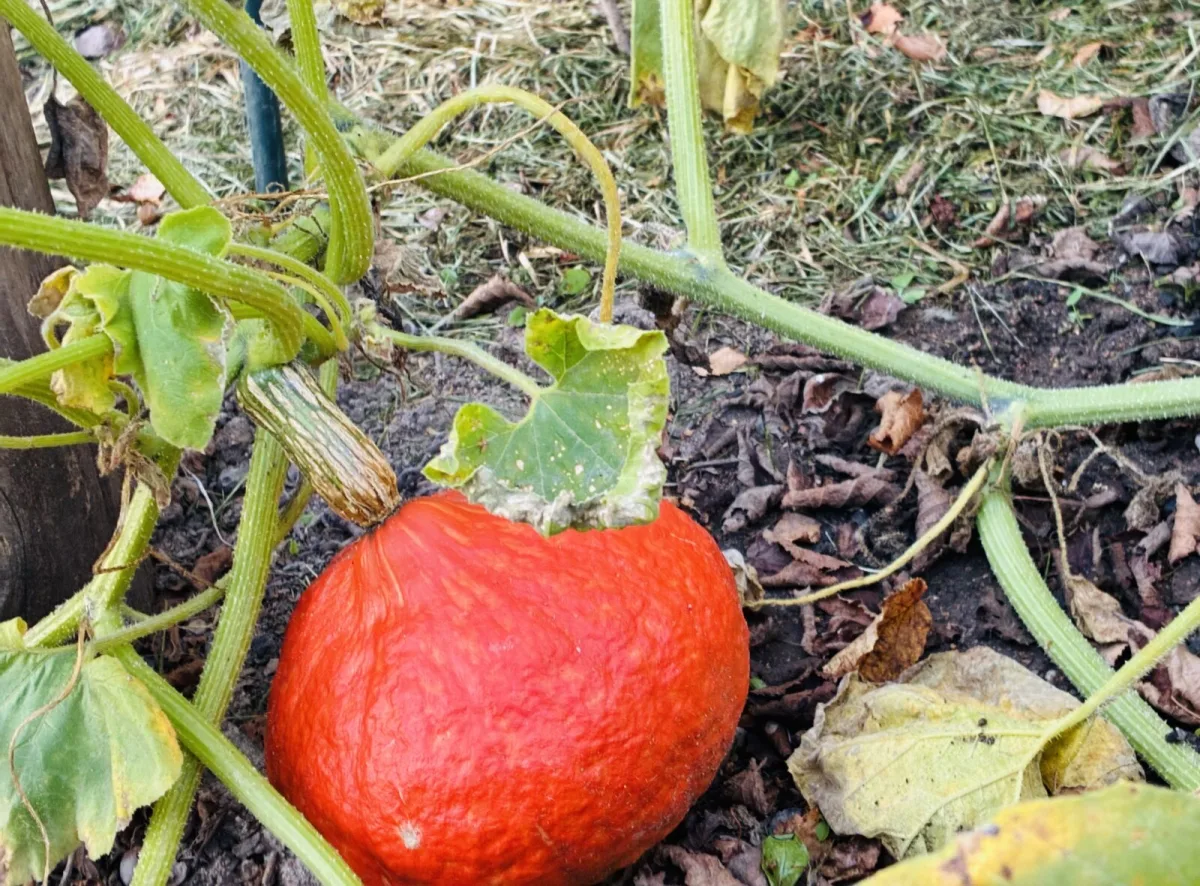
Pumpkins and winter squash are among the crops that can keep for a very long time when handled correctly. Being able to store the harvest for several months is one of the reasons they’re so worthwhile to grow. But it’s not enough to simply harvest them and carry them into a cool room. To keep them firm, healthy and tasty for as long as possible, it pays to follow a few key rules.
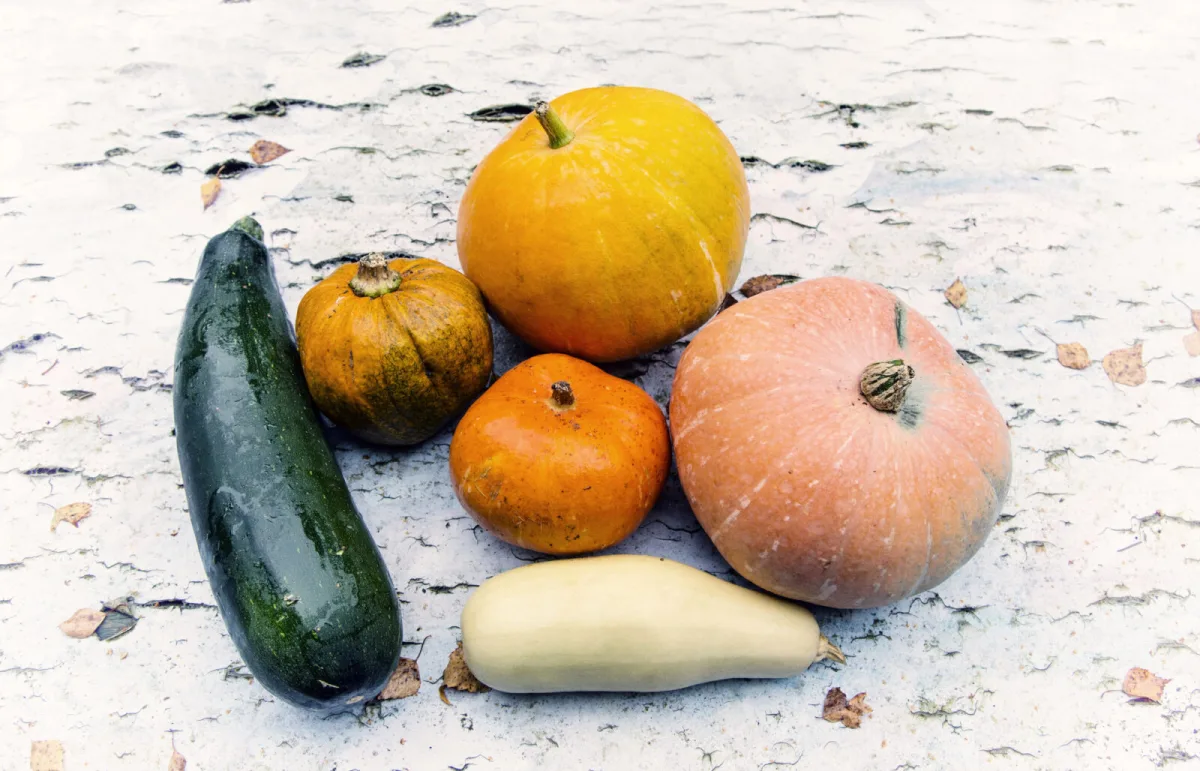
This storage method mainly applies to pumpkins and winter squash, meaning types with a firm, tougher rind. Courgettes and overgrown courgettes known as marrows, on the other hand, aren’t well suited to long-term keeping because they don’t stay in good condition for as long.
When to harvest for storage
The best time to put pumpkins and winter squash away for storage is from the beginning to the end of autumn. It’s best to leave the fruits on the plant for as long as possible so they can fully ripen and build up as much sugar as the leaves produce. That not only improves flavour, it also tends to make them more resilient in storage.
The crucial point, however, is to harvest them before the first frosts arrive. Frost-damaged fruits aren’t suitable for storage and spoil quickly. As harvest approaches, you can carefully remove some leaves around the fruits to let in more light and speed up ripening.
How to tell the fruits are ripe
Properly mature pumpkins and winter squash have a few tell-tale signs. The rind is firm and tough, the colour is deep and vivid, and when you tap the fruit lightly it sounds hollow. At this stage they’re usually at their best for harvesting and longer keeping.
While they’re ripening, it helps to place a wooden board or a tile underneath each fruit. This reduces contact with damp soil, lowers the risk of unsightly discolouration on the underside, and also offers better protection from slugs.
Harvesting correctly without unnecessary damage
When harvesting, it’s important to leave as long a piece of stem on the fruit as possible. Use secateurs or a sharp garden knife, because a clean cut helps reduce the risk of rot. The spot where the stem is missing or damaged is a common entry point for spoilage.
The stem also needs careful handling. It shouldn’t be used as a handle for carrying, because it can crack or tear out and damage the entire fruit. Even minor mechanical damage can mean a much shorter storage life.
Curing and ripening after harvest
After harvest, fruits shouldn’t go straight into storage. First they need a period of curing. Ideally, leave them outdoors in the sun for about a week to ten days. During this time the rind hardens further, the fruit ripens more evenly, and small wounds can dry and seal.
If there’s a risk of night frosts, the fruits must be protected overnight. Cardboard or a layer of straw works well. The goal is to prevent even brief freezing, which would significantly reduce their ability to keep long term.
A greenhouse, polytunnel or cold frame can also work as a good alternative. In that environment the fruits are protected from rain and chill while still having the conditions they need to continue ripening. The main thing is to make sure they aren’t touching, because contact between fruits can make it easier for rot to spread.
Conditions for successful storage
After curing, pumpkins and winter squash can be moved to their storage area. Ideally, choose a well-ventilated space with a temperature below 15 °C, but not colder than 10 °C. Under these conditions the fruits keep their quality and won’t soften or rot unnecessarily fast.
During storage, it’s wise to check the fruits regularly. As soon as you notice signs of rot, soft spots or mould on any one fruit, remove it immediately so it doesn’t threaten the others. How long they keep depends on the variety and the quality of the storage conditions, but with good care they can last up to half a year.
Most common mistakes and issues
Among the most common problems is frost damage. Fruits like this aren’t suitable for long storage and are best used as soon as possible. Another frequent mistake is harvesting too early without adequate ripening. If the fruits don’t have time to mature on the plant, or if they aren’t cured after harvest, they’re more prone to going mouldy.
With winter squash, harvesting too early can also show up as poorer flavour. The fruits aren’t as sweet or aromatic as they could be at full maturity. It’s worth finding the balance between letting them ripen on the bed for as long as possible and picking them in time before the first frosts.
What to remember from the whole process
Successfully storing pumpkins and winter squash comes down to a few simple but important steps. Let the fruits ripen well, harvest before frost, avoid damaging the stem, cure them afterwards, and store them somewhere cool, dry and airy. Care at these stages is exactly what decides whether they last only a few weeks or remain in good condition for many months.
The better pumpkins and winter squash are ripened, gently harvested and stored at the right temperature, the longer and more reliable their storage life will be.
Source: RHS, A Traditional Life , Pestrazahrada.cz

A nurse by profession, she is passionate about healthy living, nature, and everything that benefits both people and the world around them. In her free time, she enjoys gardening, cooking, sewing, and caring for her family. In her articles, she loves combining professional expertise with practical experience from the garden and everyday life.
Related articles

You Can’t Do Everything on Your Own Garden Four Situations Where Simple Neglect Becomes a Costly Mistake
A garden may feel like a private world, but it still comes with legal responsibilities. Neglected weeds, burning green waste, invasive plants, or unmanaged boundary trees can all lead to complaints and hefty fines.
Ten smart companion plants for peppers that naturally boost healthy growth and higher yields
Sweet or hot peppers thrive with the right neighbours. Companion planting can reduce pest pressure, support healthier growth, and often deliver a heavier harvest—without relying on unnecessary chemicals.
Cutting Down Thuja in Your Own Garden You Could Face a Fine of Tens of Thousands if You Don’t Check One Key Detail
Many homeowners assume they can remove trees and hedging on their own land without restrictions. But even common thuja can fall under rules that require notification or a permit, and the fines for getting it wrong can be steep.
Comments (0)
Be the first to comment.