
 English
  Polski
  Deutsch
  Nederlands
  Svenska
  Norsk
Norsk  Dansk
Dansk  Français
  Italiano
  Español
  Português
  Slovenčina
  Suomi
Suomi  Gaeilge
 After Five Years in the Same Bed, Strawberries Stop Cropping Get Your New Strawberry Patch Ready in Time
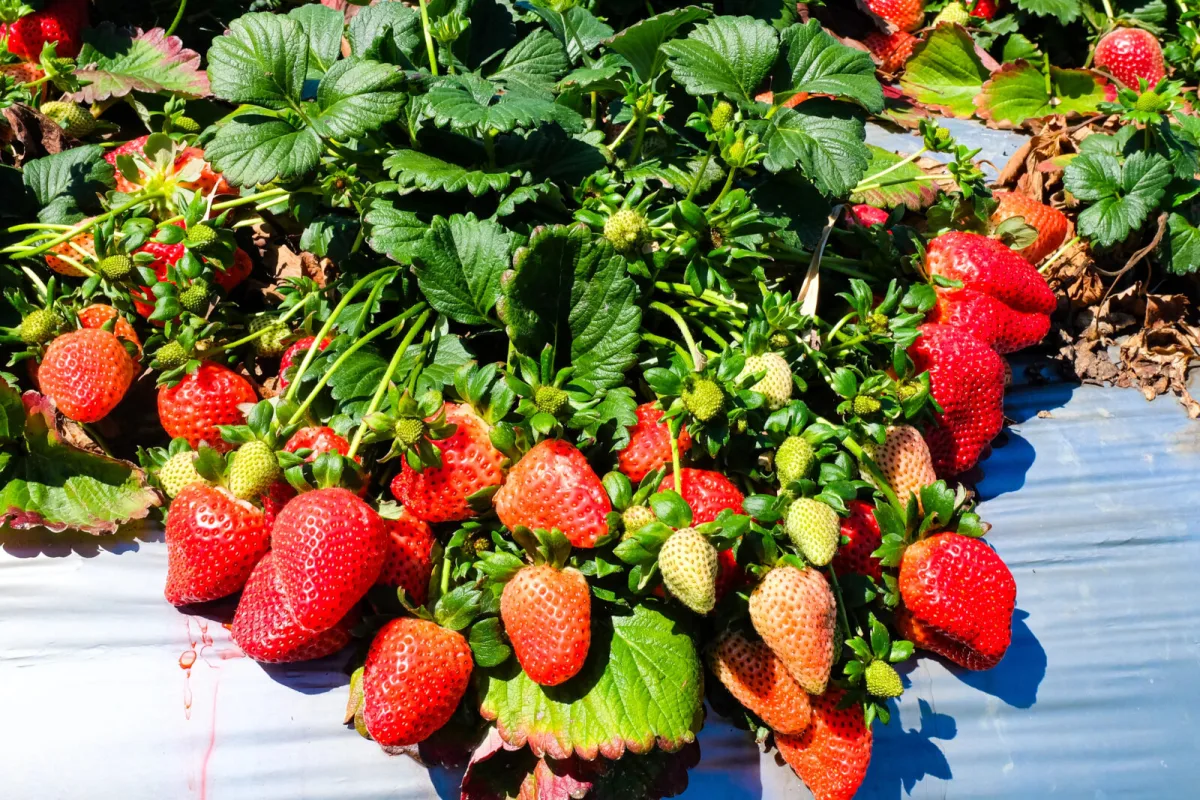
If you want to harvest a truly generous crop of sweet, juicy strawberries next season, it pays to start early. Late summer and early autumn are the perfect window to establish a new bed and give young plants the chance to root in properly. That head start often means they romp away in spring and reward you with a noticeably bigger yield than older plantings that have already had their best years.
Setting up a new strawberry patch isn’t difficult, but the details matter. The right spot, good soil, healthy plants and correct planting technique all make the difference. Get these steps right and you’ll enjoy a more reliable harvest while reducing problems with disease and fruit rot.
One spot isn’t forever, and yields fade after a few years
Strawberries usually do well in the same bed for only a limited time. After about five years, it becomes clear that the site no longer suits the plants as it once did. Even if they still look healthy, fruiting gradually drops and the berries tend to be smaller or fewer.
The main reason is depleted soil with a lower nutrient supply. On top of that, disease and fungal spores can build up in the ground over time, and an old bed offers them ideal conditions. Moving the planting to a fresh spot is therefore a practical way to restore the plants’ energy and bring back the pleasure of a heavier harvest.
The best plants are often right there on your own strawberries
If you like the fruit from your current plants and you’re happy with the variety, the simplest route is to raise new plants from your own stock. You’ll save money and you’ll also know what to expect next year in terms of flavour and berry size.
After harvesting, strawberry plants start producing runners, and along them young plantlets appear with little roots. For a new bed, it’s worth choosing only the strongest ones. In practice it’s often recommended to use mainly the first, at most the second plantlet on a runner, as these are usually the most vigorous. You then separate those chosen plantlets and transplant them to the new site.
Where to place the new bed so strawberries really crop
Strawberries love warmth and sunshine, and light is one of the keys to a heavy crop. Establish your new strawberry patch where it will receive sun for most of the day. A sensible minimum is about six hours of sun daily, with around two more hours being ideal.
The warmer and brighter the spot, the better the chance the plants will set more flowers and the fruit will be sweeter. In partial shade, strawberry plants often stretch, take longer to dry after rain, and can be more prone to mould issues.
Soil and nutrients decide how young strawberry plants get started
Young plants appreciate a bed that’s properly prepared in advance. Before planting, it’s a good idea to work well-rotted compost or thoroughly aged manure into the soil to a decent depth. This organic matter improves soil structure, helps with water management and, most importantly, provides a steady release of nutrients.
The better you prepare the soil before planting, the less you’ll have to correct later with feeding and watering.
Correct spacing and planting depth
When planting, give strawberries room to spread and allow air to move between plants. A practical spacing is about 30 cm between individual plants. Planting depth is also crucial. The plant mustn’t be buried too deeply, as it can struggle to establish or even die.
Pay particular attention to the plant’s centre, the crown. It must remain above the surface, not covered with soil. Once everything is planted, it’s worth covering the bed with mulch, which helps maintain more even moisture and also suppresses weeds.
Mulch as protection against weeds and rotting fruit
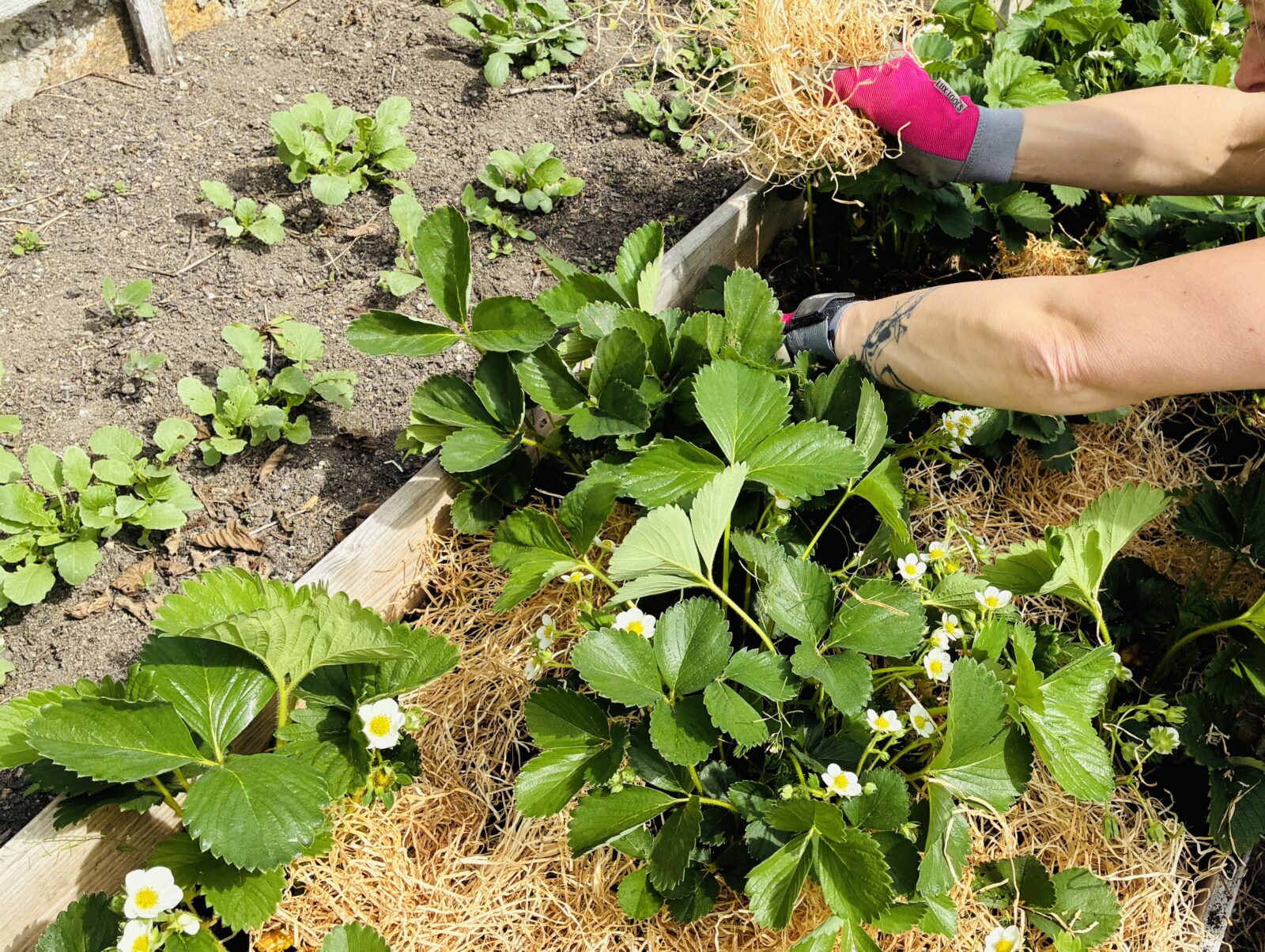
Mulching offers several benefits for strawberries at once. You can use wood chips, grass clippings or straw. A layer of mulch suppresses weeds and the soil doesn’t dry out as quickly, so plants suffer less during warmer days. At the same time, ripening fruit doesn’t sit directly on wet soil, which lowers the risk of rot and keeps strawberries cleaner.
Mulch can also help reduce some pest issues, as conditions in the bed stay more even and the fruit isn’t in direct contact with the soil.
When is the best time to plant a new strawberry patch
You can start planting as soon as you have both plants and the site ready. If you can’t manage it immediately, there’s usually still time through autumn. In practice, a new strawberry bed can be established right up to the end of October, so the plants have time to root before colder weather arrives.
If you combine a suitable site, well-fed soil, quality plants and correct planting with the crown kept above ground, you’ll create a solid foundation for next year. The result is usually a more vigorous stand and a much more generous harvest.
Source: Permies, Gregalden, Strawberry Garden, Pestrazahrada.cz

A lover of nature, gardens, and everything that moves, blooms, or grows. He literally grows everything, from herbs to rare species, and he enjoys caring for animals just as much. In his work, he connects modern technology with tried-and-tested grandmotherly methods and is happy when both paths lead to the same goal.
Related articles
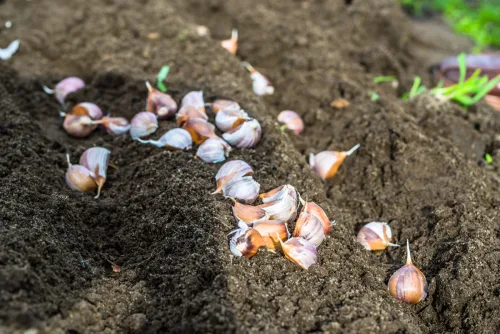
Don’t Plant Garlic in Freshly Dug Soil
For big, firm, strongly flavoured bulbs, garlic needs settled soil, the right planting window, and careful handling of the cloves. A few simple steps from bed prep to drying make the difference between a weak crop and a long-storing harvest.
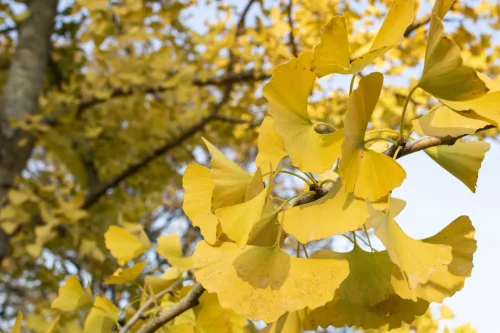
In autumn, ginkgo lights up the garden like a spotlight, and five other trees can do the same even in a small plot
Ginkgo is famous for its pure golden autumn colour, but several other trees and shrubs can deliver equally striking fall colour, even in limited space. Choose by mature size and site conditions, and plant in autumn or spring for the best establishment.
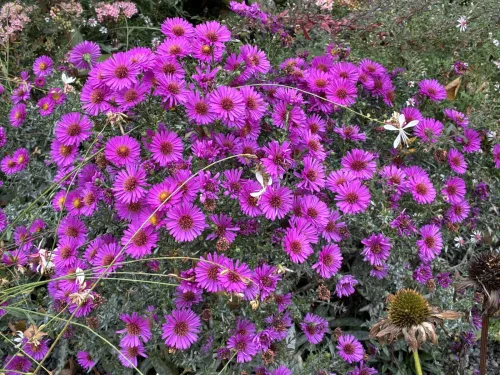
When Other Flowers Fade Asters Are Just Getting Started
Asters step in just as summer colour starts to wane, flooding borders with late-season blooms. They’re also a valuable nectar source for pollinators and later a seed larder for birds.
Comments (0)
Be the first to comment.