
 English
  Polski
  Deutsch
  Nederlands
  Svenska
  Norsk
Norsk  Dansk
Dansk  Français
  Italiano
  Español
  Português
  Slovenčina
  Suomi
Suomi  Gaeilge
 A Veg Patch Without Arguments, How to Plant Tomatoes, Cucumbers and Peppers with the Right Neighbours
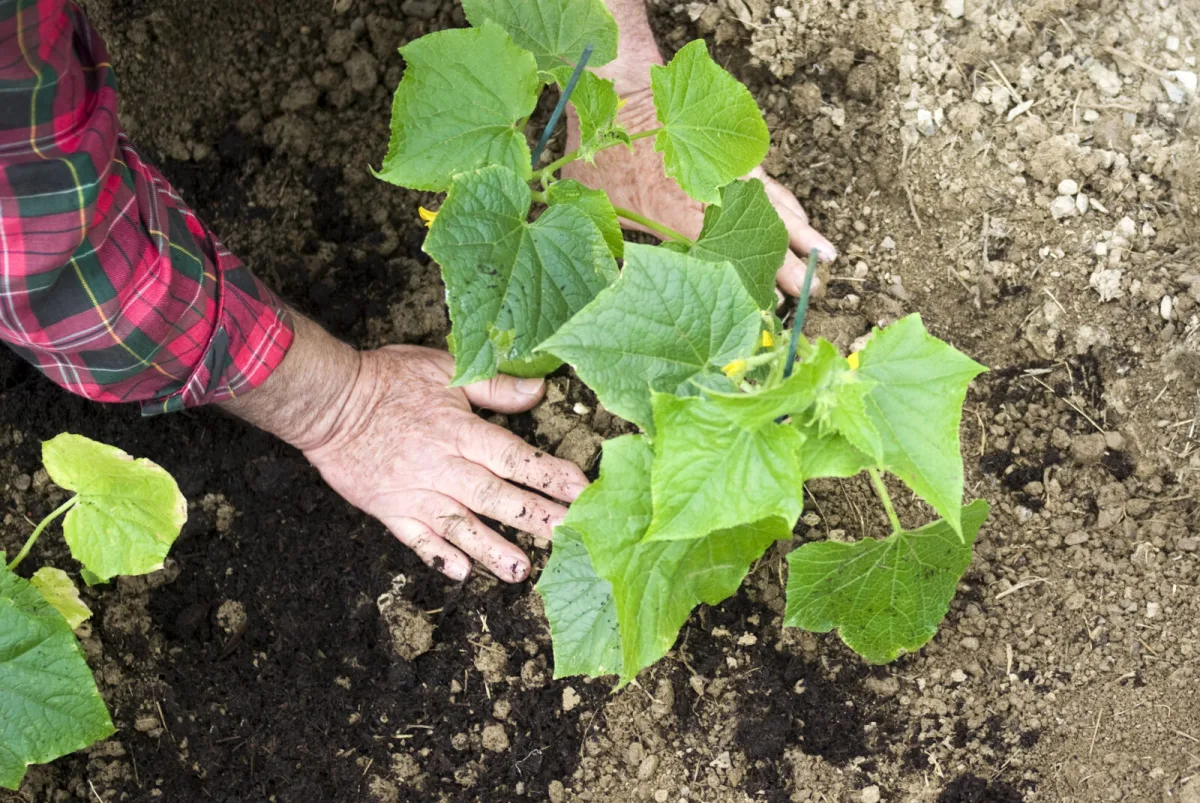
Because fruiting vegetables need a long season, raising them at home requires timely sowing and suitable conditions. Buying sturdy young plants often saves time and worry, and you usually get uniform, healthy plants. Achieving similar quality at home is harder without plenty of light and the right temperature.
Conditions for success start with soil and light
Before you buy seedlings, make sure you have the right spot for them. Fruiting crops want a sunny, warm and ideally sheltered position. The soil should be fertile and free-draining, but it shouldn’t dry out too quickly. If the soil in your beds is poor, it’s practical to set up a raised bed and fill it with a good-quality growing medium or a mix with a high proportion of compost.
Light coming in from more than one side is also crucial. In partial shade, plants tend to be less productive and more often suffer from diseases or pests. Fruiting vegetables are among the most nutrient-hungry crops, so it pays to work in well-rotted, sieved compost at the planting site. It improves soil structure and provides the basic nutrients plants need to get going after transplanting.
Water determines growth and flavour
Tomatoes, peppers and cucumbers all have higher demands for a regular supply of moisture. If you know you won’t be able to water, it’s sensible to adjust your planting plan or choose less demanding crops. It’s not only about keeping the plants alive, but also about the quality of the harvest, because irregular watering often shows up as poorer fruit set and greater susceptibility to problems.
What to prepare in advance
Besides hardened-off seedlings, it helps to have supports on hand. These are essential mainly for cordon (indeterminate) tomatoes and often also for cucumbers. Mycorrhizal fungi applied at planting according to the instructions can also be a useful aid. They support the uptake of water and nutrients, improve root establishment, and plants then usually grow more vigorously and steadily.
Which plants get along in a bed and which don’t
When planning beds, keep in mind that not all crops work well together. With tomatoes, it is generally not recommended to grow them next to cucumbers, squashes, peas and especially next to potatoes. On the other hand, they often benefit from being close to lettuces, celeriac, kohlrabi, leeks, parsley, beans, garlic and onions.
Peppers usually do well alongside celeriac, carrots and parsley. Cucumbers tolerate dill, brassicas, peas, beetroot, lettuces, garlic and onions, but they don’t like tomatoes, potatoes or radishes.
Mixed plantings make sense even in a small garden
The simplest route is to grow one crop per bed, but mixed plantings are increasingly common. They’re ideal where space is limited or when you want to use the area more efficiently. You can also tuck annuals or herbs in among fruiting vegetables. Basil or summer savoury work particularly well, adding diversity to the garden and potentially helping to reduce certain pests.
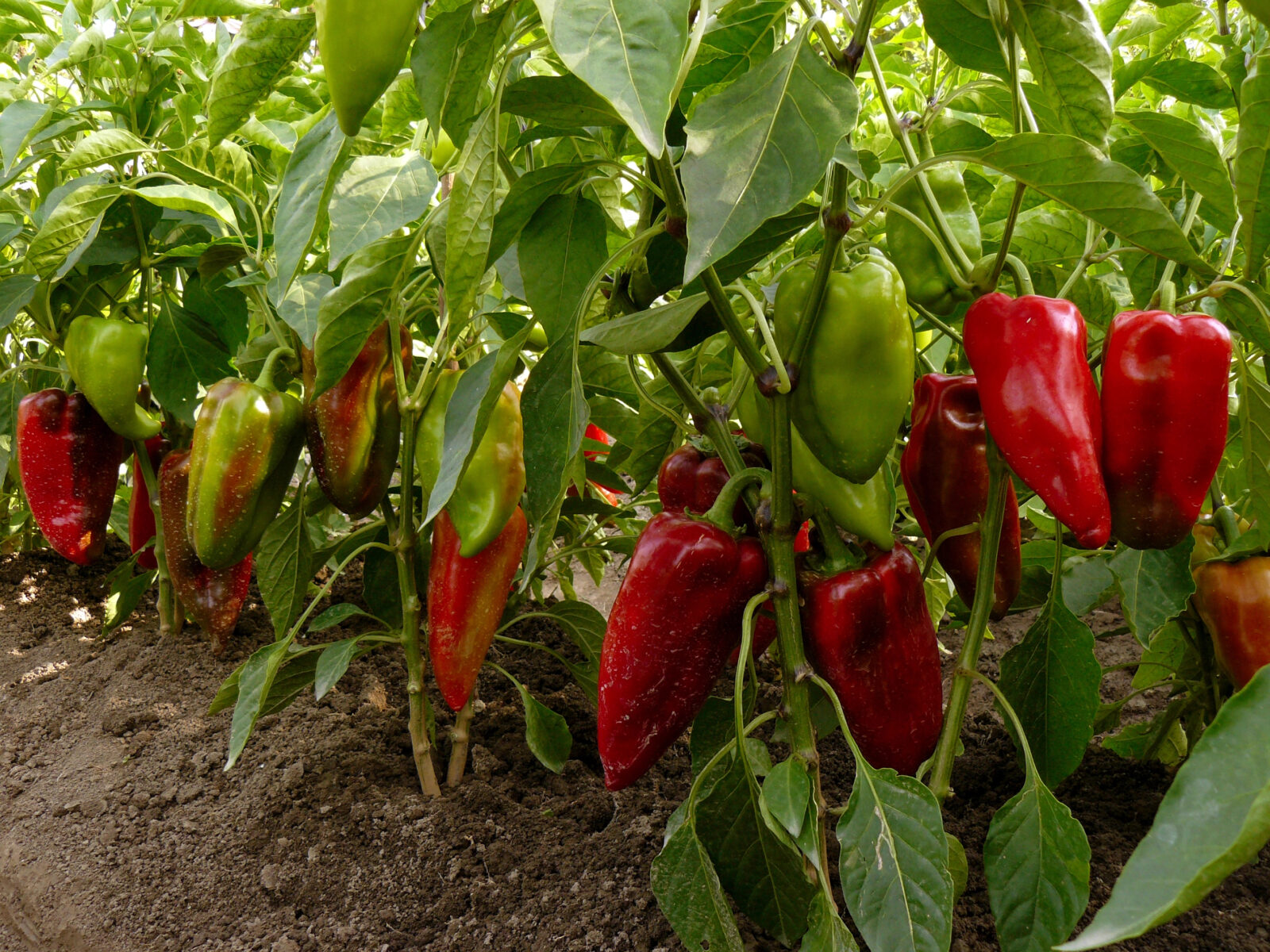
How to plant seedlings correctly step by step
Plant seedlings with an intact root ball, which you only gently loosen in your hands. It’s practical to remove the thin top layer of compost from the pot, because that’s where tiny weeds or their seeds often sit. It’s important to keep the spacing appropriate for the crop and variety and not to plant too densely; every plant needs room for both roots and top growth.
For tomatoes, a sensible maximum is roughly three to four plants per square metre. If you have the space, it pays to combine several varieties to get a more varied harvest. Similarly, it’s useful to grow more than one pepper variety too, as they can differ in earliness and resistance.
Planting depth and the first watering
Plant into well-prepared soil with a fine, crumbly structure. Tomatoes are best planted a little deeper than they grew in the pot, because they can form additional roots along the buried part of the stem. With cucumbers, keep roughly the same depth as in the container.
First pour water into the planting hole, then set in the seedling and backfill the roots with soil. With cordon (indeterminate) tomatoes, it’s practical to position the support at planting time and plant right next to it, so you don’t damage the roots later by driving in a stake. After planting, water thoroughly and, if possible, plant on an overcast day or ahead of expected rain. Feeding immediately after transplanting isn’t necessary; it’s better to wait until the plants are well established.
Care after planting determines how quickly plants establish
In the first days after planting, regular watering is crucial. Direct water to the roots and avoid wetting the leaves and stems. Ideally water in the morning and, if possible, with water that has stood. A forceful spray from a hose over the whole plant increases the risk of fungal diseases, especially when leaves stay wet for a long time.
At the same time, try not to keep the soil permanently waterlogged. Between waterings, the soil should dry slightly so air can reach the roots. You can cover the surface around the seedlings with an organic mulch, which helps retain moisture, suppresses weeds and supports soil life. This usually makes care easier and keeps plants more stable on warmer days.
Source: Almanac, Moj dom, Pestrazahrada.cz

A lover of nature, gardens, and everything that moves, blooms, or grows. He literally grows everything, from herbs to rare species, and he enjoys caring for animals just as much. In his work, he connects modern technology with tried-and-tested grandmotherly methods and is happy when both paths lead to the same goal.
Related articles
The Christmas Amaryllis That Can Bloom for Years but Most People Throw It Away After Flowering
Hippeastrum is a spectacular winter-blooming bulb that, with the right care, will flower again year after year. Learn how to plant it correctly, look after it after flowering, and bring it into dormancy so it reliably reblooms.
How to Grow Winter Garlic for a Much Bigger Harvest
Autumn planting is the key to strong, healthy winter garlic, but the details make all the difference. With the right timing, bed choice, seed-clove treatment and a simple bicarbonate trick, you can noticeably boost yield.
A tree or shrub planted properly in autumn can outpace spring stock and improve fruiting
Many fruit trees and soft-fruit shrubs establish better when planted in autumn, because roots keep growing while the top is dormant. Done well, this head start means stronger spring growth, less watering, and a healthier first year.
Comments (0)
Be the first to comment.