
 English
  Polski
  Deutsch
  Nederlands
  Svenska
  Norsk
Norsk  Dansk
Dansk  Français
  Italiano
  Español
  Português
  Slovenčina
  Suomi
Suomi  Gaeilge
 A Smart Choice of Nut Trees for the Garden Proven Tips for Successful Growing
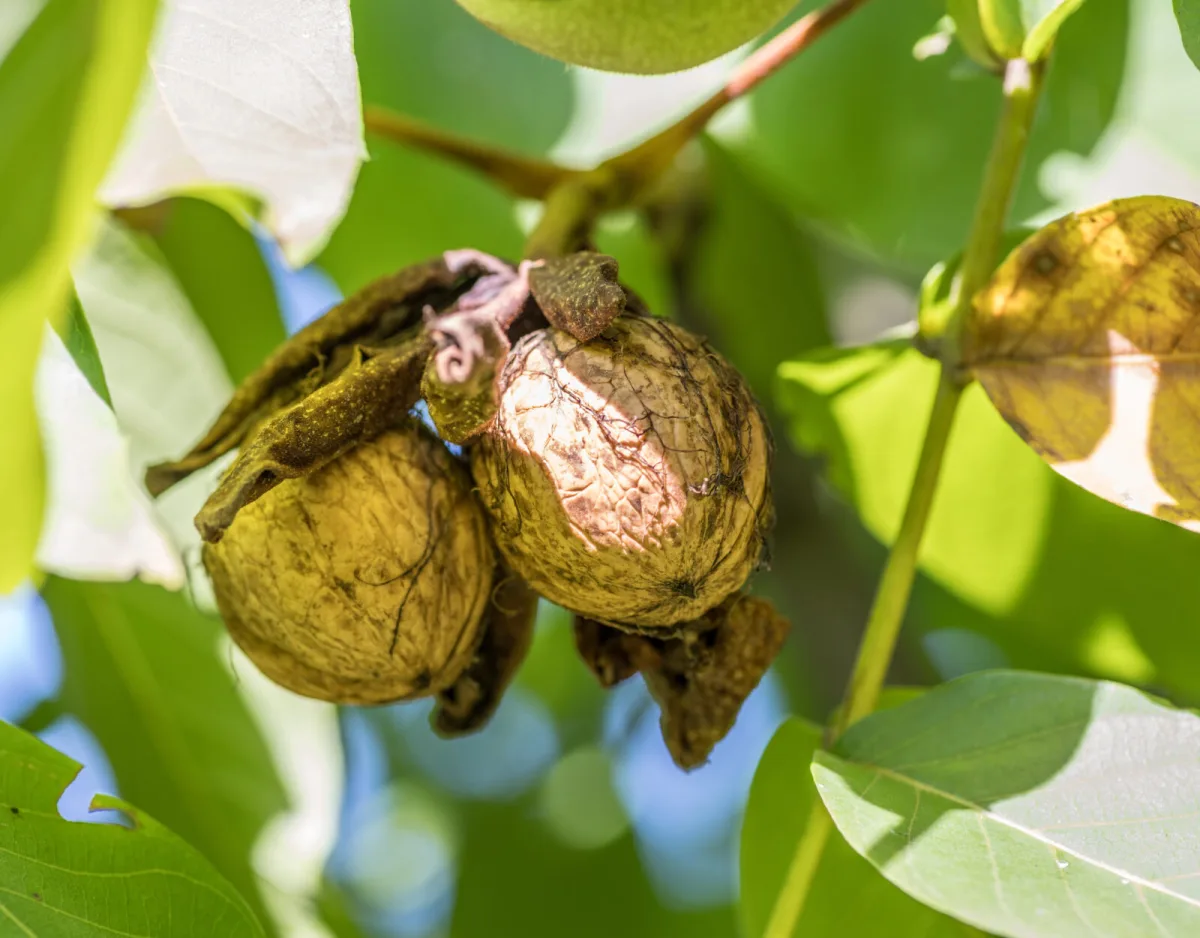
Nuts have a special ability to combine usefulness with beauty. In the kitchen they are valued for flavour, energy, and their many uses; in the garden they shine as trees and shrubs that can cast welcome shade, offer spring flowers or catkins, and attract birds and small mammals. Not every “nut” can be grown successfully in Central Europe, though. Some species need a long, hot summer; others can’t tolerate frost; and some require specific pollination or plenty of room.
If you want to harvest your own nuts, it pays to start with species that are proven in our conditions. It’s also worth remembering that many nut-bearing woody plants grow for decades and can become the dominant feature of the plot. So decide not only by taste, but also by garden size, soil, and whether you want a tree or a shrub.
What determines success: space, pollination, and frost hardiness
The most common reason for disappointment is simple: the tree grows, but it doesn’t crop. With some nuts you need cross-pollination, meaning you must plant two or more plants (or compatible cultivars) so pollination can happen. Another limiting factor is frost and the length of the growing season. Species from warm regions may suffer winter damage here, or they may survive but their flowers get hit by late frosts and you get no crop. And finally there’s space: some trees form broad crowns and strong roots, so they’re not suitable for tight urban gardens.
Practical rule: if you’re not sure it’s a self-fertile cultivar, plan to plant at least two plants, and give them plenty of space and light.
English walnut: a classic that rewards you generously
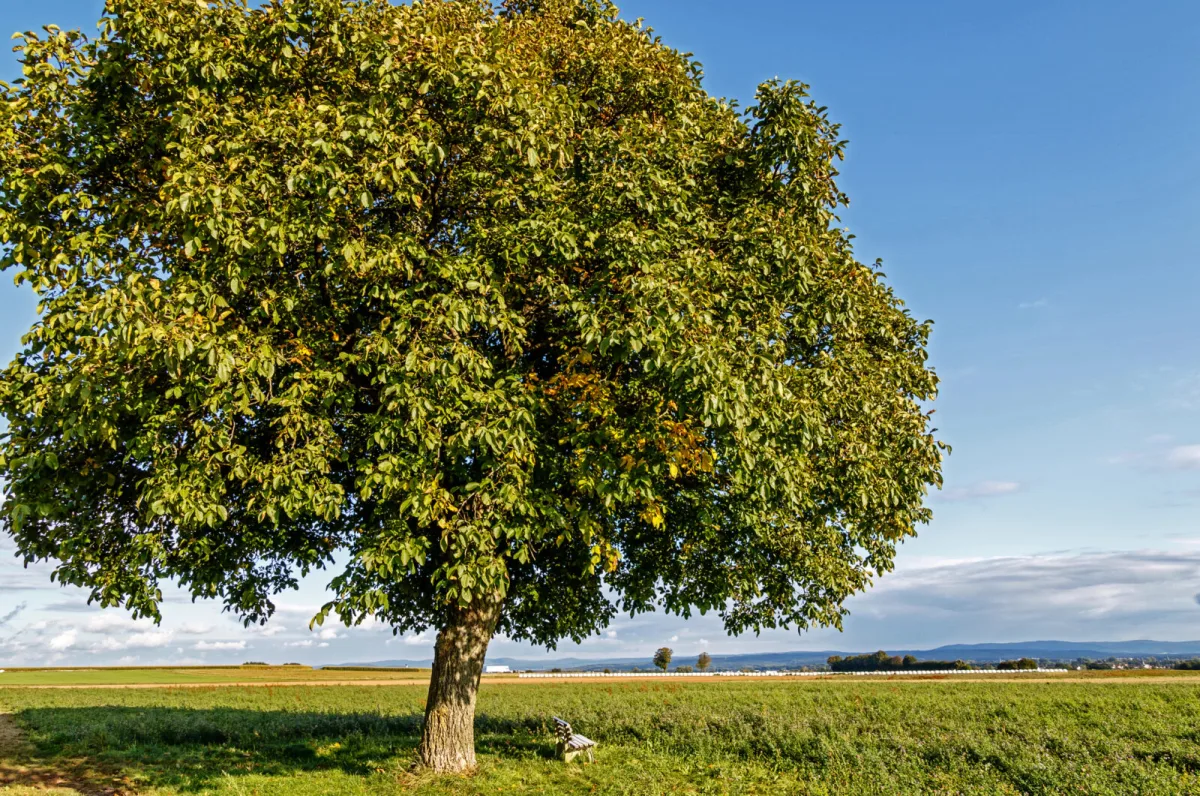
Here, the walnut is the symbol of a “real nut”, and for good reason. Once established, English walnut can grow to impressive size, forming a majestic crown, and in maturity it can produce a very heavy crop. It’s ideal where you want to combine a productive tree with shade for sitting out. Choose a spot where fallen leaves and husks won’t be a nuisance, and where the crown won’t eventually spread towards neighbours or over rooftops.
It does best in deeper, fertile soil with enough moisture, but without long-term waterlogging. The better the conditions, the more regular the harvest tends to be. When choosing a young tree, look for cultivars with better frost resistance and later bud break, which reduces the risk of damage from spring frosts. Some hardier types, for example so-called Carpathian forms, are prized precisely because they cope better with cold while still producing tasty kernels that are relatively easy to crack.
Hazel: a quicker crop and a great choice for smaller gardens too
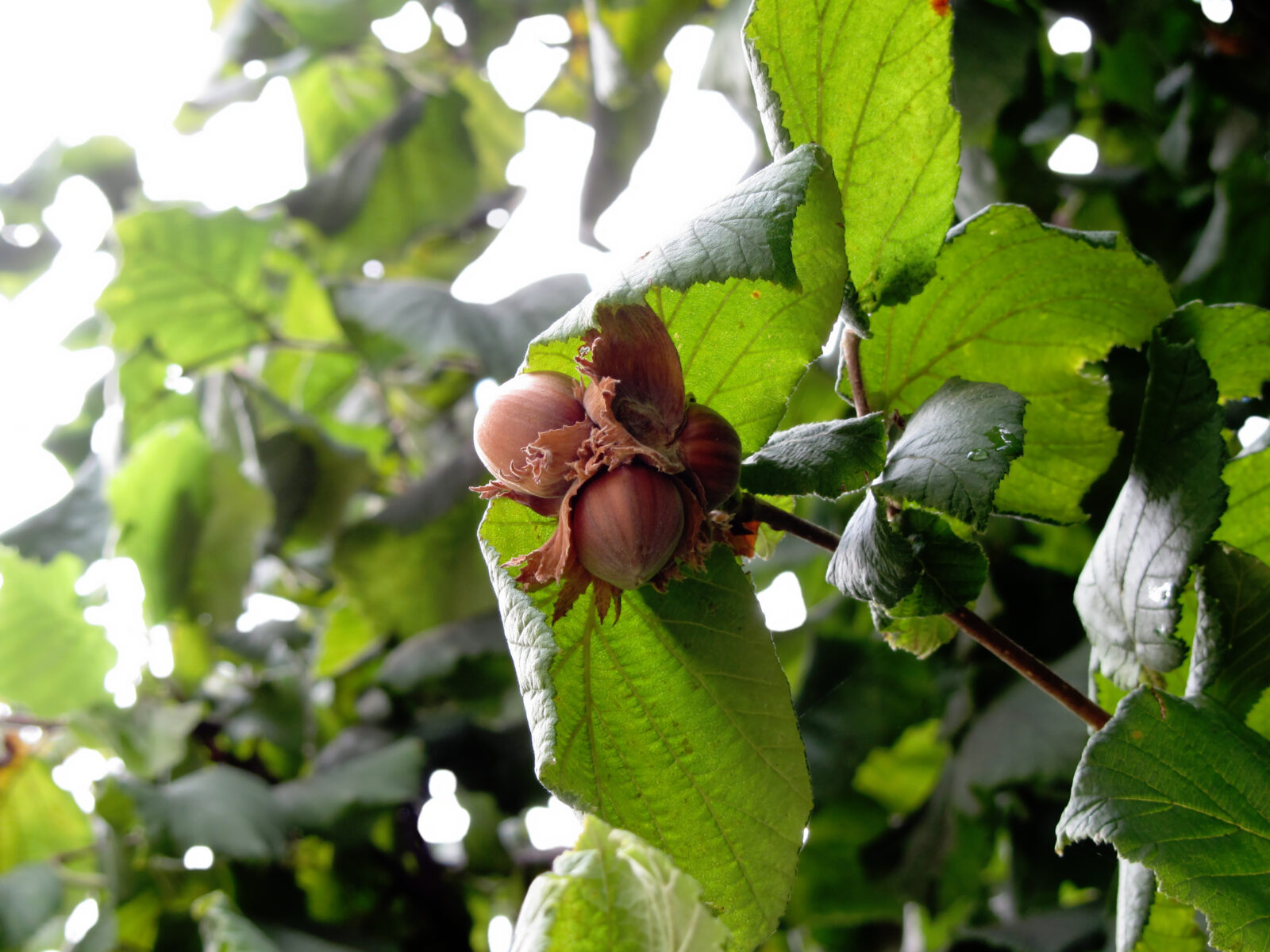
Unlike large walnut trees, hazel is often ideal for the average garden. It can be grown as a shrub or a small standard tree, it responds well to training, and with good care it crops reliably. Hazelnuts are also among the most rewarding “home-grown” nuts: they tend to be sweet, aromatic, and exceptionally versatile in the kitchen. Nutritionally, they stand out for their content of healthy fats and a range of minerals, with iron, calcium, phosphorus, and potassium often mentioned.
For the best harvest, it’s usually an advantage to plant more than one shrub, because pollination is more dependable. Hazels like a looser soil and a slightly moist position, but they’re pleasingly undemanding overall. If you want something more ornamental and robust, Turkish hazel is also worth considering, as it forms a taller, more tree-like habit. And if you’re after a blend of hardiness and good flavour, hybrid hazels bred for productivity and vigour are a strong option and often start producing a worthwhile crop within a few years.
Almonds, sweet chestnuts, and pecans: possible, but it takes planning
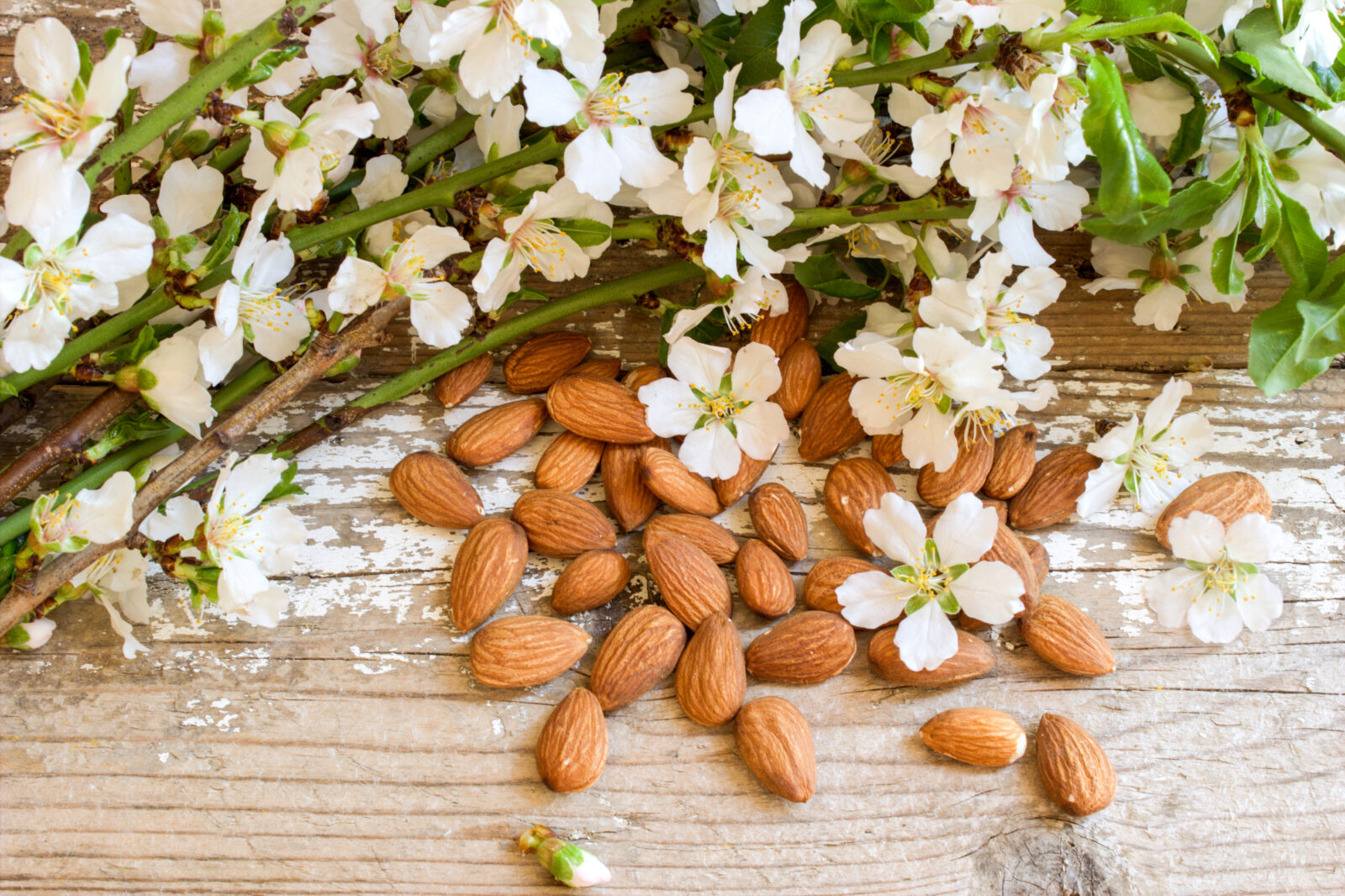
Besides the “two sure bets” of walnut and hazel, there are other nuts that can be grown here too—you just need to think more realistically about microclimate. Almond trees, for example, tempt with magnificent spring blossom, and some hardier types can crop in warmer locations. The weak point is late frost, which can wipe out flowers before any nuts set. That’s why a sheltered site and a later-flowering cultivar are worth it. In smaller gardens, an advantage is that almond can remain relatively compact while still offering strong ornamental value.
Sweet chestnuts are another interesting option, especially in areas with milder winters. They need space, light, and patience, but the reward is nuts that can be roasted, boiled, or milled into flour. Pecan is more of an enthusiast’s choice here and best for warmer sites, because it needs a long warm summer for the nuts to ripen properly. Even so, there are gardens where it does well when given plenty of sun, shelter from wind, and good-quality soil.
Which nuts are better not to buy as young plants for a typical garden
There are nuts you may know from the shops that are, in our conditions, essentially unrealistic without a heated greenhouse or a very specific climate. A typical example is macadamia, which comes from warmer regions and handles cold poorly. Brazil nuts are similarly tied to tropical environments and complex relationships within their native ecosystems, so growing them at home is not sensible. With pistachios, the problem is not only frost hardiness but also their need for heat and often the requirement for male and female plants for pollination. In these cases, it’s more sensible to rely on production from countries with suitable conditions and experienced growers.
It’s not about impossibility, but probability: the more exotic the nut and the more cold-sensitive it is, the higher the chance you’ll end up with a beautiful plant and no harvest.
How to choose well: nuts to match your goal
If you want quicker results with low-maintenance care, hazel is usually the safest bet. If you have a large garden and you want a tree for “generations”, choose walnut and accept that it needs space and time—then it can reward you very generously. Almonds and chestnuts are a wonderful route for those with the right spot and the desire to try something a little less traditional. And exotic nuts that require tropics or desert climates—by all means keep enjoying them from the shop, where the hard part has already been done for you by the right weather and skilled farm practice.
A well-chosen nut tree in the garden is more than just a harvest. It’s shade in summer, habitat for birds, the scent of leaves after rain, and a regular autumn ritual of gathering. Choose a species that fits your space and climate, and nuts can become one of the most rewarding gifts of your own garden.
Source: Arbor Day Foundation, Our Beautiful Garden , Pestrazahrada.cz
Related articles
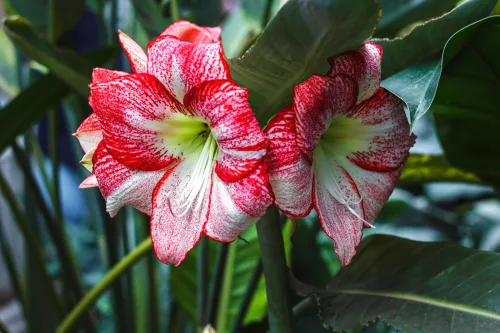
The Christmas Amaryllis That Can Bloom for Years but Most People Throw It Away After Flowering
Hippeastrum is a spectacular winter-blooming bulb that, with the right care, will flower again year after year. Learn how to plant it correctly, look after it after flowering, and bring it into dormancy so it reliably reblooms.
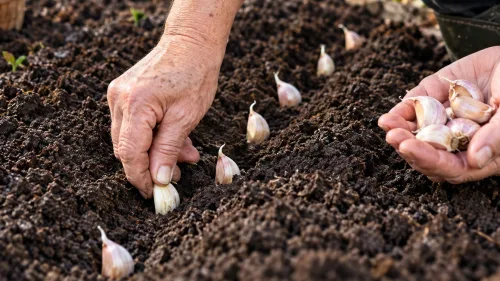
How to Grow Winter Garlic for a Much Bigger Harvest
Autumn planting is the key to strong, healthy winter garlic, but the details make all the difference. With the right timing, bed choice, seed-clove treatment and a simple bicarbonate trick, you can noticeably boost yield.
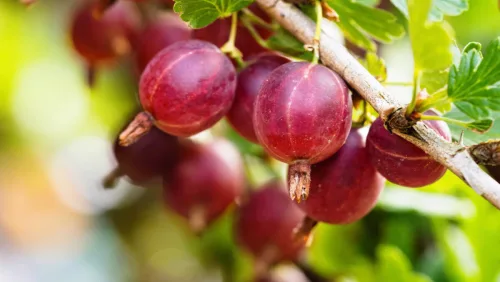
A tree or shrub planted properly in autumn can outpace spring stock and improve fruiting
Many fruit trees and soft-fruit shrubs establish better when planted in autumn, because roots keep growing while the top is dormant. Done well, this head start means stronger spring growth, less watering, and a healthier first year.
Comments (0)
Be the first to comment.