
 English
  Polski
  Deutsch
  Nederlands
  Svenska
  Norsk
Norsk  Dansk
Dansk  Français
  Italiano
  Español
  Português
  Slovenčina
  Suomi
Suomi  Gaeilge
 A Perfect Lawn Isn’t Always a Win A Few Weeds Can Benefit Your Garden
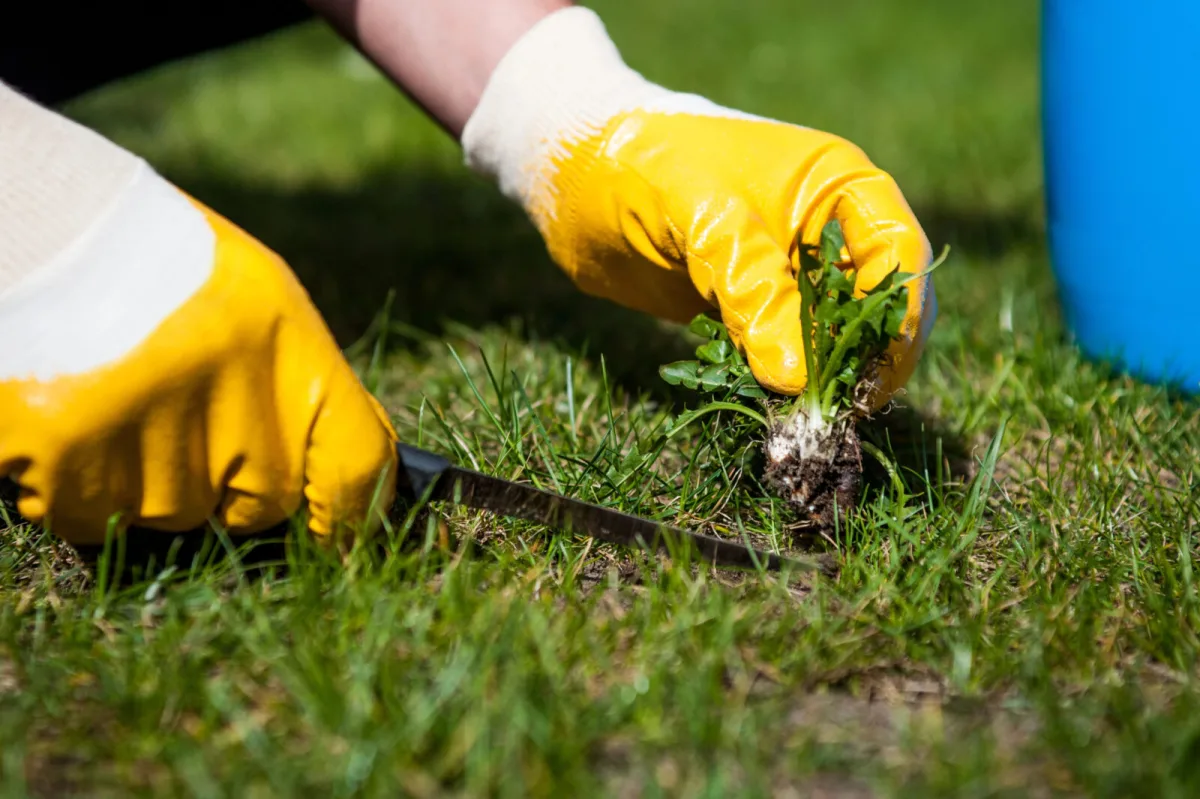
Many people dream of a dense, deep-green lawn without a single different plant in it. In practice, though, that often means repeated spraying, lots of hand weeding, and the pressure to keep the lawn looking perfect at all times. Nature, however, isn’t aiming for a sterile surface. Some of the plants we commonly label as weeds appear for a specific reason—and they can genuinely benefit both the soil and the grass.
If you leave them in the lawn in sensible amounts, they can act as natural feeding, help aerate the soil, or provide support for pollinators. At the same time, they tell you what’s going on below ground, because each species is a kind of signal of soil conditions.
White clover as a natural nitrogen factory
White clover is often seen as a sign of neglected care, but it frequently simply indicates that the soil is short of nitrogen. Clover belongs to the legume family, and thanks to its partnership with soil microorganisms it can fix nitrogen from the air and convert it into a form available to surrounding plants. Nitrogen is key for growth and that rich green colour in grass, and it’s commonly the main ingredient in bagged lawn fertilisers.
Another advantage is its roots, which often reach deeper than those of many grasses. Clover tends to have better access to moisture, and in dry spells it stays greener while the surrounding turf can brown off faster. In practice, it helps the lawn cope with hot summer weather with less loss of vigour.
Dandelion as the architect of compacted ground
Common dandelion can be a nuisance, especially when it turns into white fluff and starts spreading. Even so, its presence is often a sign that the soil is hard, heavy, or compacted. Dandelion has a strong taproot that can push down even into very tight ground.
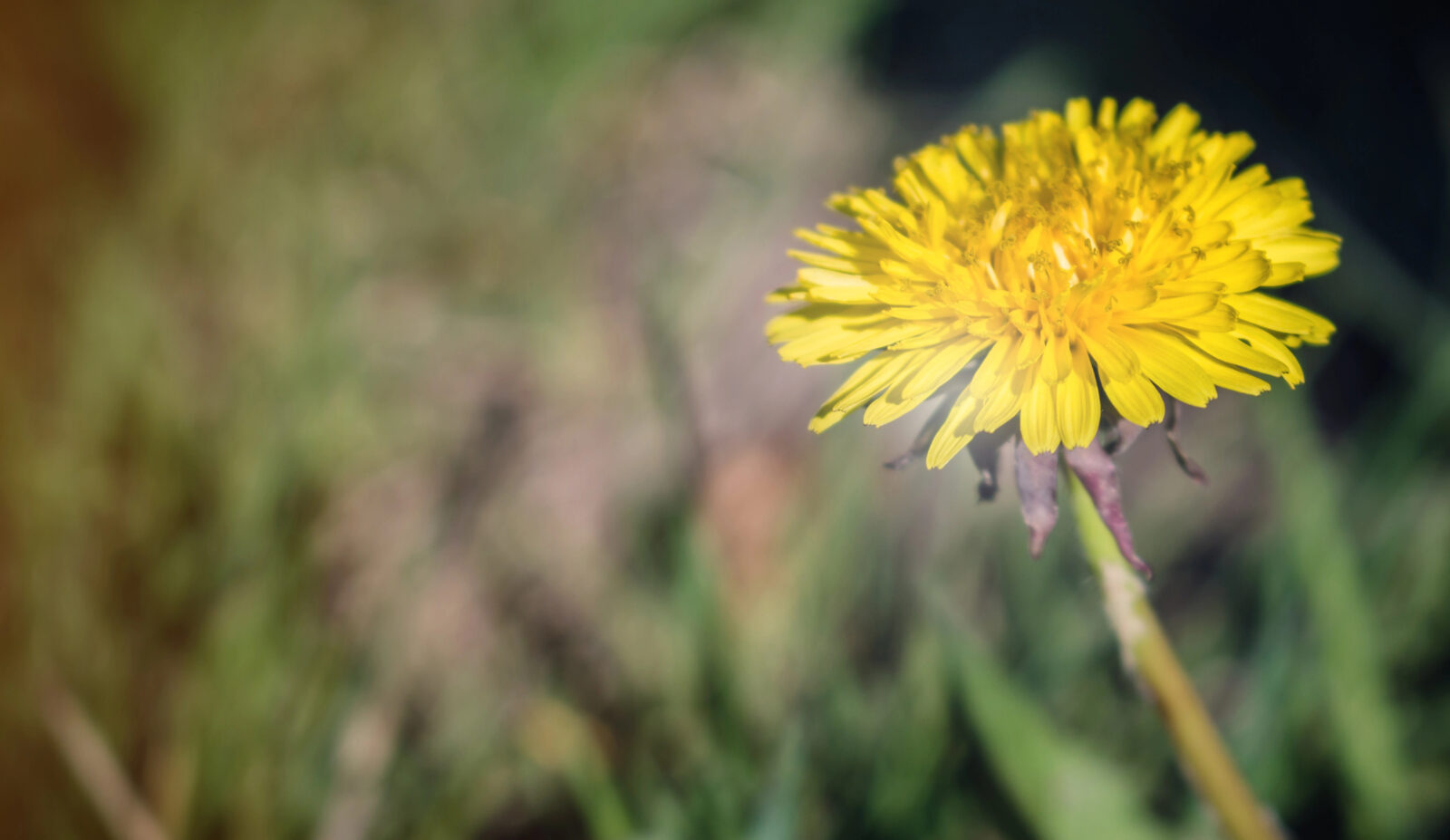
As that root travels deeper through the soil, it naturally breaks it up, aerates it, and improves its structure. That then makes it easier for grass roots to grow through, helping the turf anchor better and manage water more effectively. Dandelion can also draw certain minerals and calcium from deeper layers up towards the surface, making them more available to plants with shallower root systems.
Greater plantain as protection for areas that get trampled
Greater plantain typically shows up along paths, by fences, in places that get walked on frequently, or where children play and pets run around. Its appearance is a straightforward warning that the soil in that spot is heavily compacted and grass roots have too little space and air.
Plantain’s broad, tough leaves cope with repeated foot traffic better than grass. In practice, they partly cover the soil, limiting further crumbling, drying out, and damage. The plantain’s root system also gradually disrupts the hard surface crust, helping the ground loosen over time. When the pressure on that area eases and conditions improve, grass can return more easily.
Daisies as a subtle boost for garden life
The common daisy is one of the toughest plants you’ll find in a lawn. Thanks to its low rosette of leaves, regular mowing is unlikely to remove it, because the main part of the plant stays close to the ground. It does well even where the sward is disturbed and the soil is compacted, so it often fills gaps where grass struggles.
Its value isn’t only visual. According to expert findings published on the Inside Ecology portal (2021), daisies in urban lawns can make up a significant part of the nectar supply for pollinators such as bees, butterflies, and hoverflies. In addition, daisies can spread via side shoots and they work in the soil with beneficial fungi. These kinds of underground relationships generally support a more stable nutrient cycle and overall soil vitality.
Where’s the line between a healthy lawn and an overgrown patch
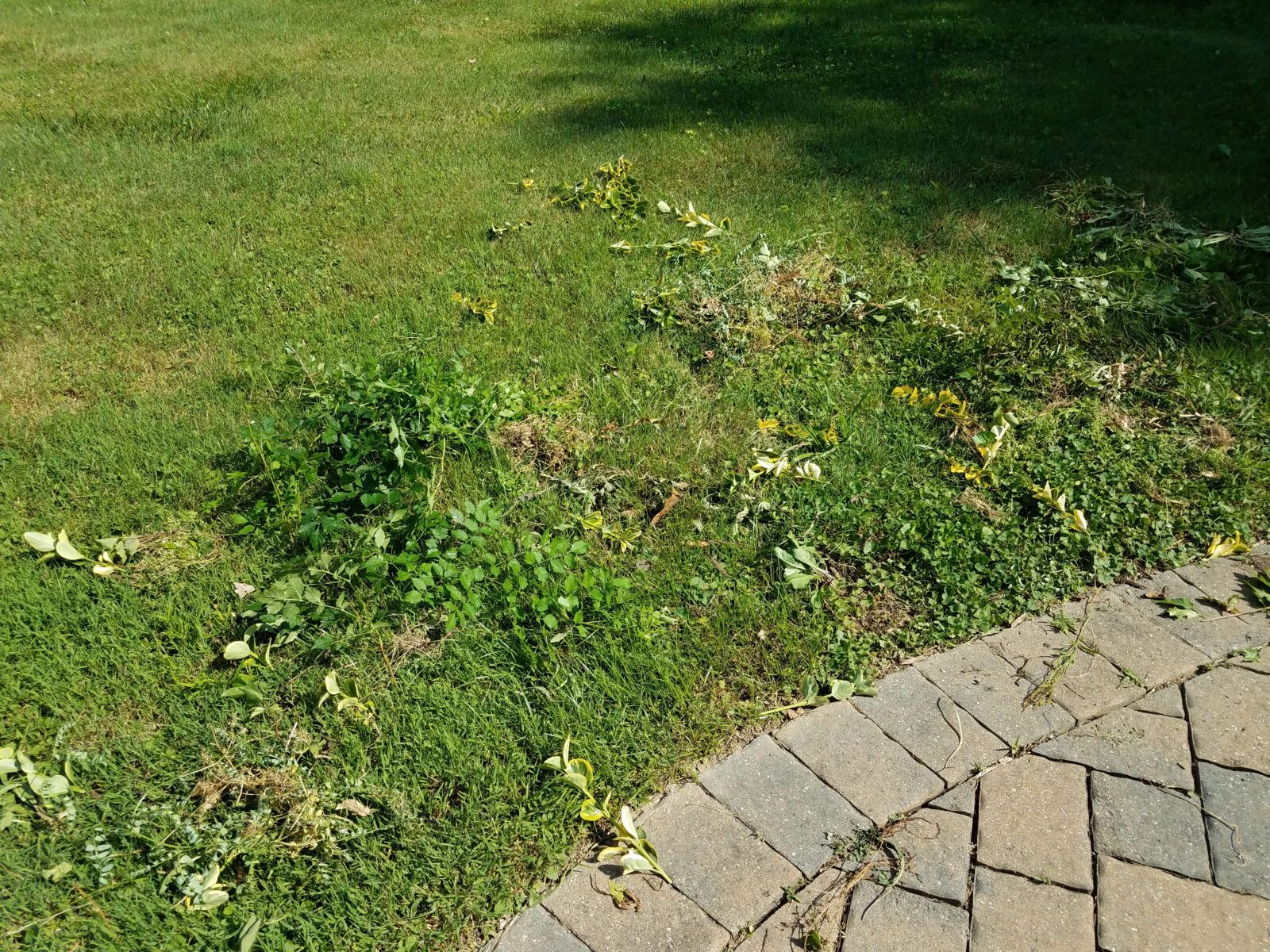
Your garden doesn’t have to be chemically scrubbed clean, nor left entirely without care. A sensible middle ground works best. If you don’t mind the look of some of these plants, you can leave them in small patches or in less showy parts of the garden. Where you want a more uniform appearance, it’s usually enough to be more consistent with mowing and general upkeep, rather than automatically reaching for herbicides.
Some so-called weeds aren’t the enemy, but a signal—and at the same time a helper that improves the soil, drought resilience, and conditions for beneficial insects.
If you start looking at clover, dandelion, plantain or daisies as indicators of soil conditions, you gain practical feedback. Often it’s enough to aerate the soil, top up nutrients, or reduce trampling, and the lawn will improve even without expensive fertilisers. The result is usually a more resilient garden, a healthier soil environment, and less work that repeats every year.
Source: Gardener’s World, Záhrada, Pestrazahrada.cz

A lover of nature, gardens, and everything that moves, blooms, or grows. He literally grows everything, from herbs to rare species, and he enjoys caring for animals just as much. In his work, he connects modern technology with tried-and-tested grandmotherly methods and is happy when both paths lead to the same goal.
Related articles

Fighting moles tempts you into a quick fix that can put you on the wrong side of the law
Fresh molehills can ruin a lawn, but the common mole is a protected species and lethal control can be illegal. Learn how to tell a mole from a vole and which lawful, effective methods actually encourage it to move on.
Why the Tree That Feeds a Family for Generations Is Disappearing from Czech Gardens
The English walnut used to be a staple of larger gardens and farmyards, valued for its nutritious nuts and many practical uses. With the right site and variety, it remains one of the most rewarding long-lived trees you can plant.

How to Get Rid of Mice and Rats in the House, Loft and Garden Effectively
Mice and rats don’t leave quietly—scratching sounds, droppings and gnaw marks are clear warnings. A lasting solution comes down to three steps: block entry points, remove food sources, then use traps or professional control.
Comments (0)
Be the first to comment.