
 English
  Polski
  Deutsch
  Nederlands
  Svenska
  Norsk
Norsk  Dansk
Dansk  Français
  Italiano
  Español
  Português
  Slovenčina
  Suomi
Suomi  Gaeilge
 A Greenhouse as a Smart Investment Extends the Season and Delivers Harvests Year-Round
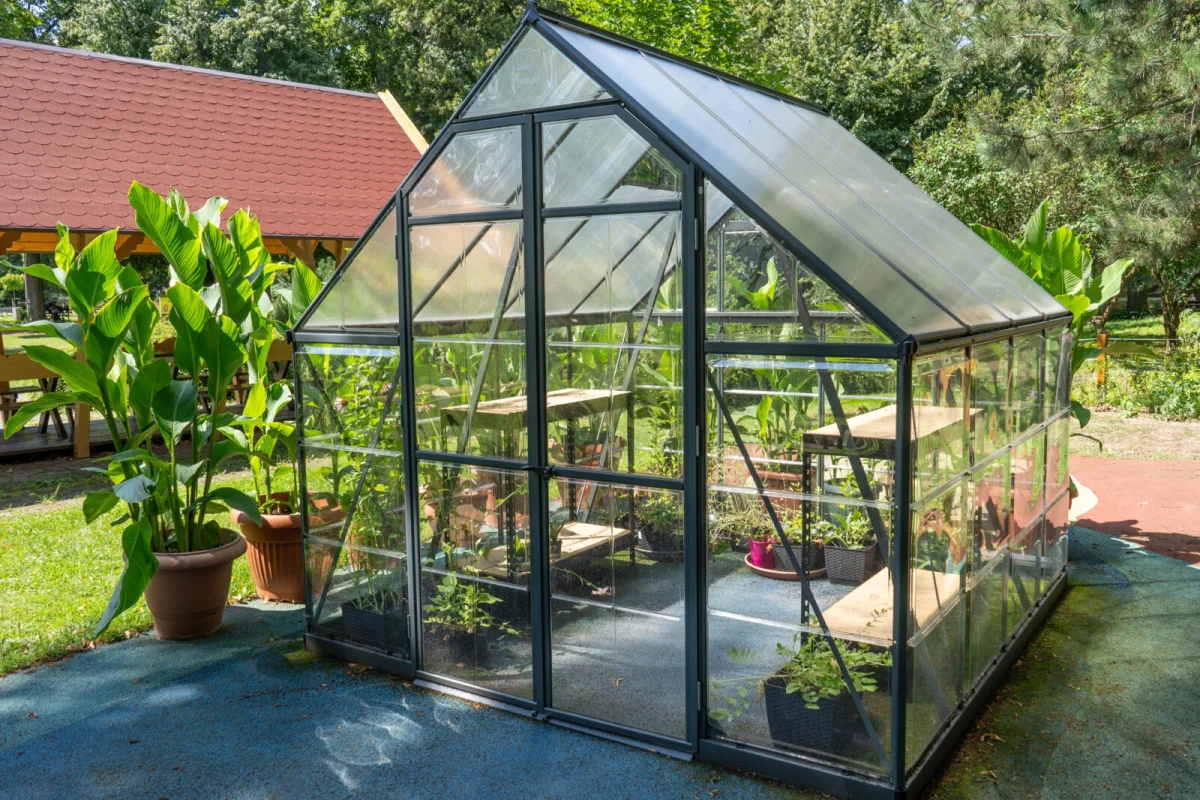
A greenhouse is one of those additions that can change the way you garden from the ground up. The main benefit is a longer growing season and the ability to grow plants in an environment where you have much greater control over temperature, humidity, and protection from weather swings. That means fresh vegetables, fruit, and herbs can be on your table when it’s still chilly outside, or when the first frosts are already on the way.
A big advantage is also a lower risk of disappointment from crop failure. A greenhouse protects against torrential rain, strong winds, and morning frosts, and it significantly increases the chances of success with more sensitive crops. In an enclosed space, it’s often easier to keep pests in check and monitor overall plant health too, because everything is closer at hand and concentrated in a smaller area.
A greenhouse doesn’t just mean a bigger harvest, but also more confidence and enjoyment in growing, and for many people it’s a pleasant place that stays green even in winter.
Which types of greenhouses are used most often
When choosing, it’s worth thinking about the material, the structure, and whether you want to use the greenhouse only seasonally or all year round. Ventilation matters just as much, as does resistance to wind and snow, and how demanding assembly and ongoing maintenance will be.
Glass greenhouse
Glass is known for excellent light transmission, which plants especially appreciate in less sunny periods. However, expect a higher upfront cost and keep in mind that glass is more fragile. It often requires a sturdier frame and more careful installation so the structure holds up over the long term.
Polycarbonate greenhouse
Polycarbonate is popular for its low weight, good insulation, and durability. The panels generally handle typical garden conditions well, and they help the greenhouse warm up more quickly. For many gardeners, it’s a practical compromise between price, stability, and year-round usability.
Polytunnel
Polytunnels are often the most affordable way to get a protected growing space. They’re best suited to seasonal use, because both the plastic covering and the frame are more sensitive to wind and snow load. Still, if you want to start simply and cheaply, a polytunnel can be a great first step.
Greenhouse vegetables from spring to winter
In spring, a greenhouse proves its worth for raising seedlings and for growing quick early crops. Lettuce, radishes, spinach, kohlrabi, and spring onions do particularly well. Thanks to more stable temperatures, you can start harvesting earlier than from outdoor beds.
In summer, a greenhouse provides ideal conditions for heat-loving fruiting vegetables. Tomatoes, peppers, cucumbers, and aubergines often grow more evenly and reliably inside, because they aren’t stressed by cold nights and sudden weather changes. With good care, harvesting commonly continues well into autumn.
The autumn part of the season is well suited to hardier crops, such as various brassicas. In winter, a greenhouse can keep tough leafy greens alive and in harvestable condition, typically lamb’s lettuce, rocket, or spinach. If your greenhouse is at least partially protected from frost, you can keep picking steadily even during the period when the rest of the garden is otherwise quiet.
Strawberries and other fruit under cover
Among the most popular greenhouse staples are strawberries. In sheltered conditions they ripen earlier than outdoors, and with good timing and frost protection they can produce fruit more than once during the year. Another benefit is cleaner crops and less damage to fruit from rain.
A greenhouse also opens the door to less common growing projects. In a warmer environment, figs, citrus, or melons stand a better chance of ripening—outdoors they often struggle with a short summer and cool nights. In heated greenhouses, you can even experiment with more demanding plants such as bananas or pineapple, although that requires more space, more light, and a stable temperature regime.
Herbs fresh even in the middle of the year
A greenhouse is a fantastic place for reliable herbs. Staples like chives, parsley, and coriander can stay within reach much longer than outdoors, often even through winter. In a warmer, sheltered space, basil, thyme, oregano, rosemary, or lavender also do well. The result is not only a more fragrant greenhouse, but above all the freedom to harvest as needed, without herbs being limited to a short bed season.
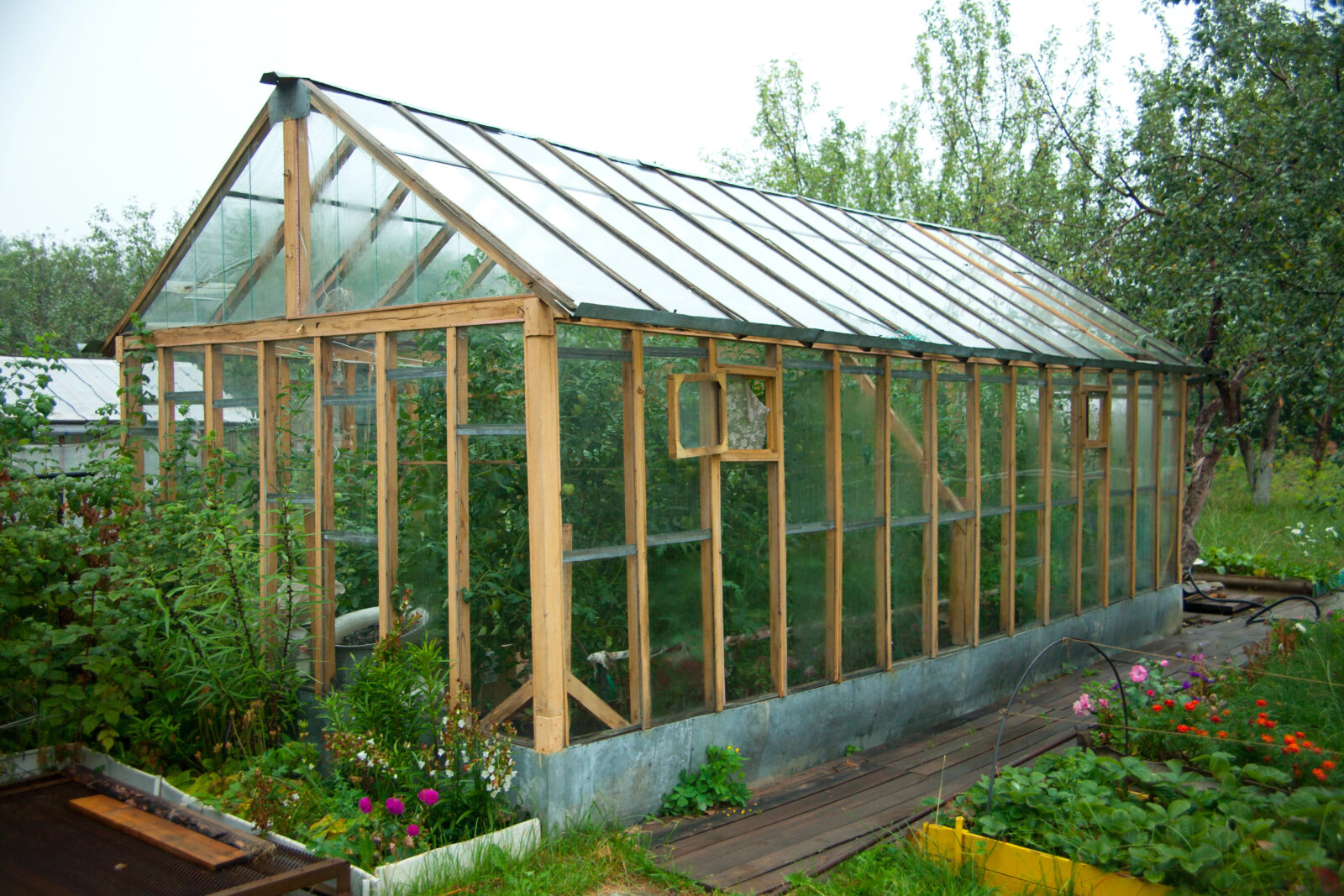
Flowers in a greenhouse and the joy of bloom out of season
A greenhouse doesn’t have to be only for edible crops. Many growers use it for flowers too, especially early bloomers that can flower in winter or early spring. Typically this includes primulas, pansies, or daffodils, which come into bloom earlier and more reliably under cover.
With a heated greenhouse, the possibilities expand to exotic ornamental plants. Species such as orchids or bird of paradise usually won’t cope outdoors, but in a temperature-stable space they can thrive far better. A greenhouse can also become a small private winter garden.
Care and maintenance so the greenhouse truly works
For a greenhouse to deliver results over the long term, it needs regular care. The foundation is ventilation, which prevents overheating and reduces the risk of fungal disease, especially on hot days. Proper watering is also important—ideally a system that supplies water evenly without unnecessary waste. A practical solution is often drip irrigation, which keeps moisture stable and avoids wetting foliage more than necessary.
Healthy growth requires ongoing feeding, whether with organic fertilisers or blends designed for greenhouse growing. Equally important is cleaning glass or polycarbonate surfaces, because light is crucial for plants and a dirty covering can significantly reduce how much gets through.
A greenhouse environment can also suit pests. Aphids and spider mites multiply quickly in warmth, so it pays to inspect plants regularly and act early. If you’re planning year-round use, extra winter protection can be useful too, such as insulating with bubble wrap or providing gentle heat depending on the needs of what you’re growing.
Source: Market Gardener, Milcreek Gardens , Pestrazahrada.cz

A lover of nature, gardens, and everything that moves, blooms, or grows. He literally grows everything, from herbs to rare species, and he enjoys caring for animals just as much. In his work, he connects modern technology with tried-and-tested grandmotherly methods and is happy when both paths lead to the same goal.
Related articles
Why the Tree That Feeds a Family for Generations Is Disappearing from Czech Gardens
The English walnut used to be a staple of larger gardens and farmyards, valued for its nutritious nuts and many practical uses. With the right site and variety, it remains one of the most rewarding long-lived trees you can plant.

How to Get Rid of Mice and Rats in the House, Loft and Garden Effectively
Mice and rats don’t leave quietly—scratching sounds, droppings and gnaw marks are clear warnings. A lasting solution comes down to three steps: block entry points, remove food sources, then use traps or professional control.
Two Mistakes When Harvesting Onions Can Cut Your Supply by Months
With good growing and the right handling, onions can turn into a near year-round pantry staple. These simple harvest and curing steps determine whether they keep for weeks or for months.
Comments (0)
Be the first to comment.