
 English
  Polski
  Deutsch
  Nederlands
  Svenska
  Norsk
Norsk  Dansk
Dansk  Français
  Italiano
  Español
  Português
  Slovenčina
  Suomi
Suomi  Gaeilge
 Yellowing cucumber leaves have a clear cause and with the right response plants recover quickly
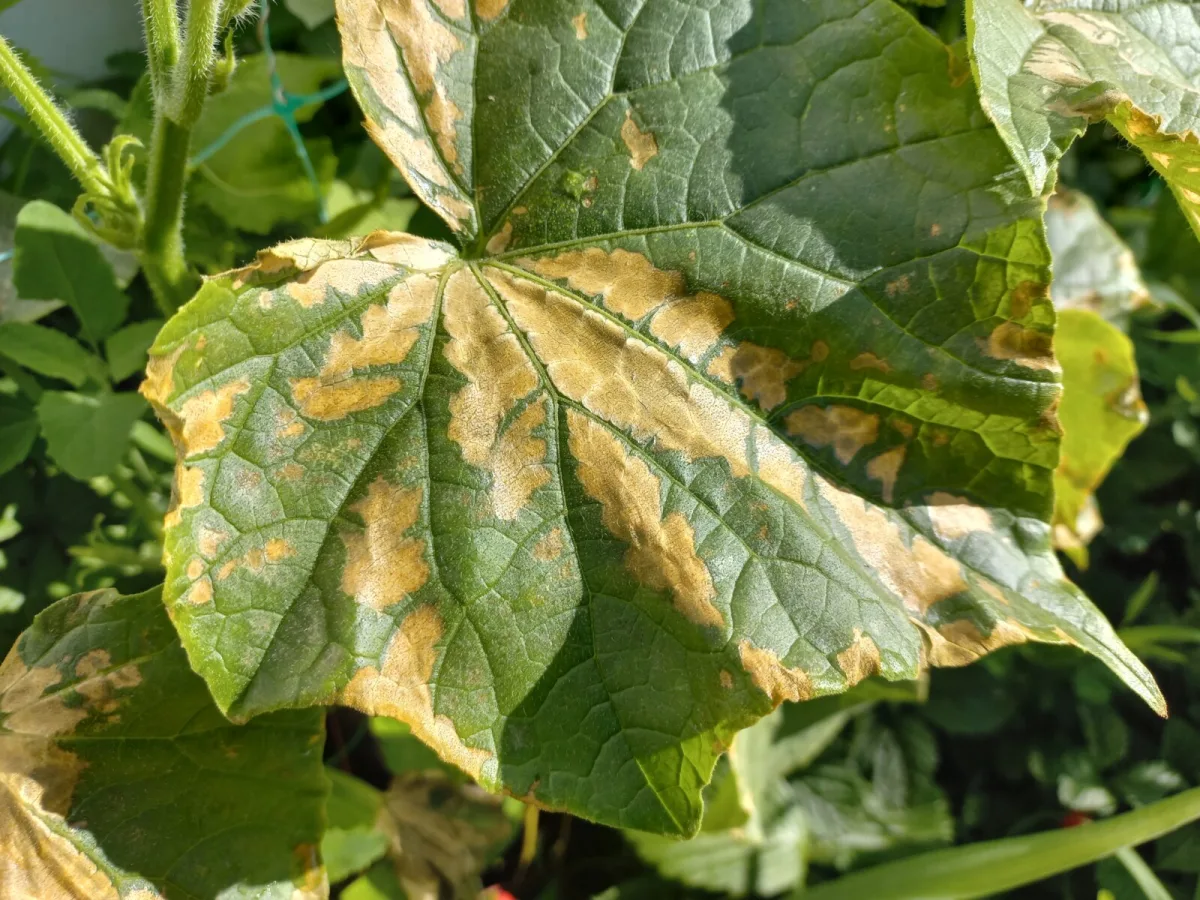
Cucumbers are among the vegetables even a beginner can grow, yet they can still surprise you with an unwelcome warning: the leaves start to fade, turn yellow, and sometimes wilt. Leaves are the quickest way a plant tells you it’s under stress. If you learn to read these changes in time, you can prevent yield losses and often improve plant condition in a short period.
As soon as yellowing appears, it pays to act immediately. With cucumbers, problems usually worsen quickly—but they can also correct just as fast when they get the right conditions.
The most common cause is watering—both too much and too little
A very common reason for yellowing is overwatering. When cucumbers have too much water, the roots can’t breathe properly and the plant starts to decline. Typically you’ll see leaves that are yellowish, soft, and droopy—sometimes they even feel rubbery. If this goes on, leaves drop and the plant puts its energy into survival instead of fruiting.
The fix is straightforward: reduce watering, let the soil partly dry, and check that water isn’t sitting around the roots. In containers, confirm drainage is working; in beds, lighter soil and more careful watering make a big difference.
When there’s too little water, cucumbers yellow differently
A similar issue happens at the other extreme, with too little water. In that case the leaves may yellow, but you’ll also see browning along the edges, brittleness, and dry patches. The plant loses turgor and wilts faster in warm weather.
More regular watering and a steadier routine help so the soil doesn’t dry out in sudden swings. Mulch is also a great support: it holds moisture and slows soil overheating, so the roots aren’t exposed to extremes.
Yellowing can also point to a nutrient deficiency
Cucumbers are fairly demanding when it comes to balanced feeding, and the leaves often reveal which component is missing. With a nitrogen deficiency, older leaves usually fade first, and the problem gradually spreads to younger ones. Growth slows and fruits tend to be smaller because the plant doesn’t have the building blocks for new growth.
If potassium is lacking, yellowing may appear along with weaker stems and generally poorer vigor. With magnesium, you often see a classic pattern where the tissue between the veins pales more than the veins themselves, especially on older leaves. With iron, the opposite is more noticeable—young leaves turn distinctly yellow—because the plant can’t cope well when this element is scarce in the soil.
How to respond so the leaves green up again
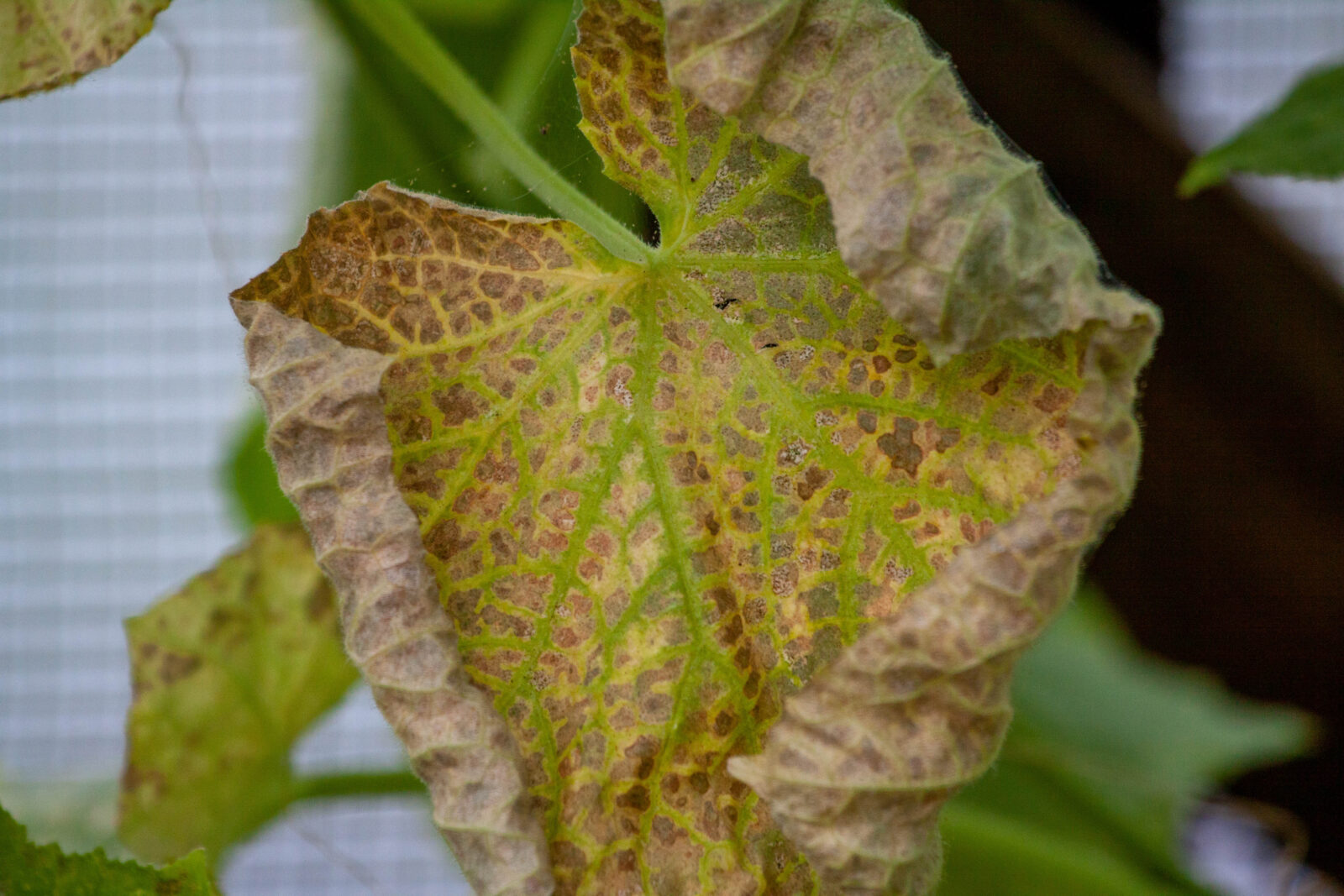
In these situations, the quickest route is targeted fertilising based on what the plant is missing. If you’re not sure, it’s safer to choose a balanced fertiliser for fruiting vegetables and also review your watering, because nutrients behave differently in soil that’s waterlogged or very dry. The key is not to overdo the dose—overfeeding can damage cucumbers just as quickly as a deficiency.
Temperature and sudden weather swings play a big role
Cucumbers do best in warmth, roughly between 25 to 30 °C. When the weather breaks and sunny days are followed by cold, wind, and rain, plants can go into shock. The result may be sudden leaf yellowing even though watering and feeding look fine at first glance.
A practical step is to cover cucumbers during cooler spells and help them bridge the change. On the other hand, during very hot days it can help to give them partial shade and protect them from scorching, because harsh sun combined with lack of moisture increases stress and the leaves respond by losing colour.
What to take away when yellow leaves appear
Yellowing leaves on cucumbers don’t have one universal cause, but in most cases it comes down to water, nutrition, and temperature. Watch whether leaves are soft and droopy or instead dry around the edges, whether the change starts on older or younger leaves, and whether it worsened after a sudden shift in weather. When you identify the cause and adjust conditions, cucumbers often respond surprisingly quickly and return to active growth.
Source: The Spruce, Mars Hadro, RHS, Pestrazahrada.cz

A lover of nature, gardens, and everything that moves, blooms, or grows. He literally grows everything, from herbs to rare species, and he enjoys caring for animals just as much. In his work, he connects modern technology with tried-and-tested grandmotherly methods and is happy when both paths lead to the same goal.
Related articles
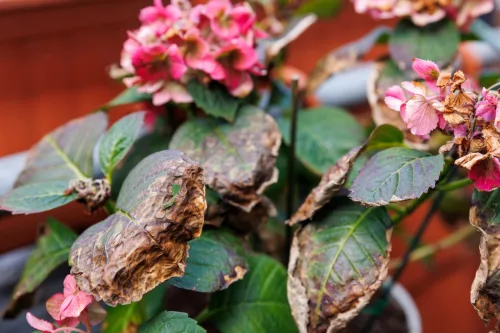
How to Get Browning Hydrangeas Back on Track Without Chemicals
Brown leaf edges or spots on hydrangeas usually point to a simple mismatch in light, watering, or airflow rather than a lost cause. Learn how to read the symptoms and restore your shrub quickly with gentle, practical fixes.
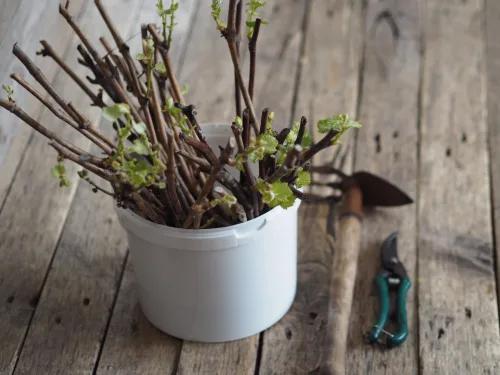
Turn Ground Cinnamon Into a Secret Weapon for Stronger, Tougher Plants
Ground cinnamon isn’t just for baking—it can help protect houseplants and garden plants from mould and fungal issues, support cuttings, and even act as quick first aid for minor wounds. Used lightly, it’s an affordable, gentle, natural add-on to good growing practice.
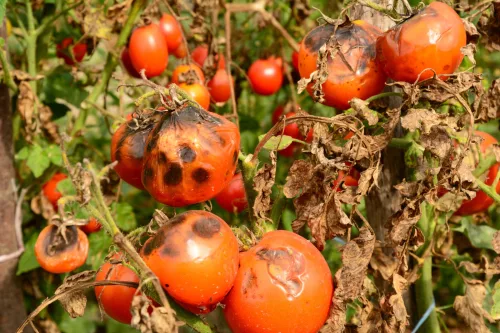
Late blight of tomatoes and potatoes spreads fast learn to spot it
Late blight can wipe out tomatoes and potatoes in days when conditions are right. Learn how to recognise the first symptoms and reduce the risk in your garden.
Comments (0)
Be the first to comment.