
 English
  Polski
  Deutsch
  Nederlands
  Svenska
  Norsk
Norsk  Dansk
Dansk  Français
  Italiano
  Español
  Português
  Slovenčina
  Suomi
Suomi  Gaeilge
 Want sweeter carrots Here are ten proven tips for sowing and care
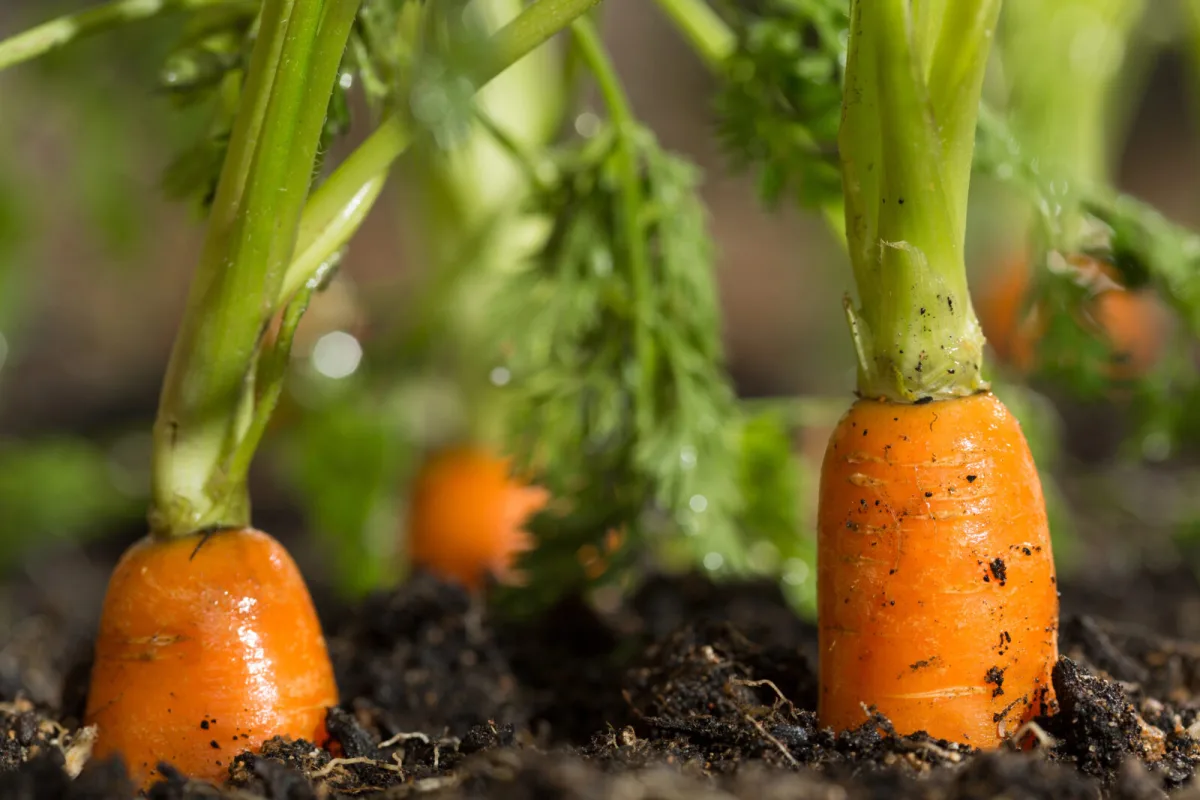
Growing carrots from seed is surprisingly straightforward, and the reward is roots with far more flavour than shop-bought. Homegrown carrots tend to be sweeter, juicier, and you can also choose from plenty of colours, from classic orange through yellow and white to red or purple. They do well in open ground, in a raised bed, and even in larger pots or grow bags, as long as they have enough depth.
Getting the sowing time right makes all the difference
Carrots are a cool-season vegetable. They grow best in mild conditions, when it’s neither hot nor freezing. In spring, sow roughly two to three weeks before the last frosts. The second option is sowing from mid- to late summer, so you can harvest roots in autumn. If you want a longer picking window, it pays to sow little and often at roughly four-week intervals from spring to mid-summer.
Prepare the site and soil properly, no shortcuts
Unlike many other crops, carrots are not worth raising in modules and transplanting, because they dislike root disturbance. It’s best to sow the seeds directly outside, either into the ground or into a container. Choose a spot in full sun, ideally with at least six hours of direct light a day. Loosen the soil to a depth of about 25 to 30 cm, removing stones, old roots and weeds. Then work in compost or well-rotted manure, and if needed you can lightly dust the surface with bone meal to support root development.
If your soil is heavy, containers can be the easiest fix
Carrots form their nicest long roots in a loose, light, slightly sandy soil. In clay soil, or where there are lots of stones, roots often grow short, fork, or become misshapen. In that case, it’s more practical to grow them in a raised bed, a pot or a grow bag filled with a free-draining mix. A tried-and-tested blend is multipurpose compost with some added sand to make it airier. Most varieties need a depth of about 25 to 30 cm; short-rooted types will manage in a shallower container.
The variety you choose affects colour, shape and storability
Hybrid seed can offer certain advantages, but if you want strong colours or you’d like to save your own seed for the future, choose heritage, non-hybrid and open-pollinated types. When choosing, think about where you’ll be growing your carrots and how you want to use them. Some varieties store well through winter, while others have shorter roots and are therefore better suited to containers or shallower beds.
Sowing has a few small but important rules
Sow the tiny seeds shallowly, about 0.5 cm below the surface. It’s practical to space rows about 30 cm apart. Within the row, aim for about 5 to 8 cm between plants so the roots have room. To make sowing easier, you can mix the seeds with fine sand or with compost and sprinkle the mix evenly along the drill. If you want spacing without the hassle, use seed tape with seeds set at regular distances.
Thinning is the key to strong roots
One of the most common reasons carrots stay thin is sowing too thickly. As soon as the seedlings have a few true leaves, it’s time to thin them. Snip the weaker seedlings off at soil level so that about 5 to 8 cm remains between the plants you keep. Pulling them out can disturb the tiny roots of neighbouring plants, so cutting is the gentler option.
Steady watering, without waterlogging
After sowing, water gently so the seeds aren’t washed out. Then keep the soil evenly moist, but not soggy. About 2.5 cm of water a week is a good guide, but always adjust for weather and soil type. Once seedlings are up, add a thin layer of mulch to reduce drying out and temperature swings. Carrots often take 14 to 21 days to germinate, and germination can be slowed by a surface crust, so it’s worth keeping the top layer lightly moist and crumbly.
Moderate feeding supports roots, not just foliage
If you added compost or well-rotted manure when preparing the bed, you usually won’t need to feed during the season. If plants look weak, you can apply a vegetable fertiliser with lower nitrogen roughly every five to six weeks. Too many nutrients, especially nitrogen, often produce lots of leafy tops but smaller roots, which is exactly the opposite of what you want with carrots.
Protection from pests and weeds
Carrots can attract certain pests, such as insects that damage foliage or pests associated with the roots. A combination of protective netting, thoughtful companion planting and gentle soap-based sprays (when needed) can help. Against voles and other underground pests, raised beds or containers work well, as does a physical barrier such as fine mesh sunk into the soil. Regular weeding is also important, because carrots compete with weeds less effectively than many other crops.
Harvest at the right moment and store with care
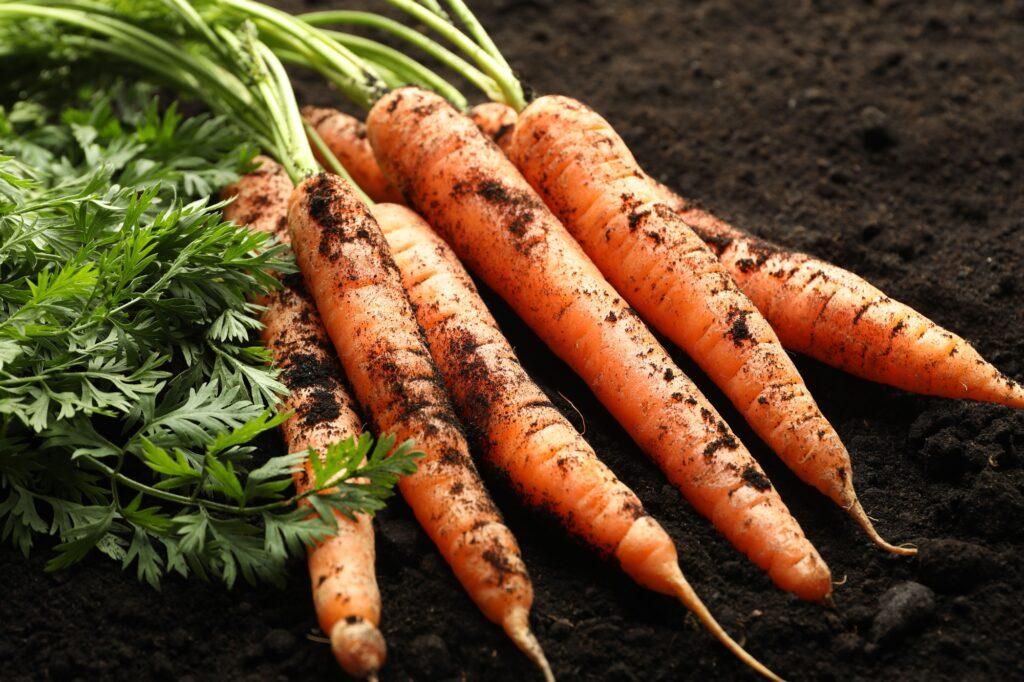
Most varieties mature in about 60 to 80 days, but the exact timing depends on the type and growing conditions. Carrots are usually ready to harvest when the root is about as thick as your finger. Harvest by pulling with a slight twist; for long roots it’s safer to use a garden fork and gently lift them first. After harvesting, trim the tops so about 2 to 5 cm remains, rinse the roots, dry them well, and store them in the fridge, freezer, or a cool cellar. Surplus can also be pickled or preserved so it keeps as long as possible.
Source: BHG, Pestrá zahrada, Gardenly, Pestrazahrada.cz

A lover of nature, gardens, and everything that moves, blooms, or grows. He literally grows everything, from herbs to rare species, and he enjoys caring for animals just as much. In his work, he connects modern technology with tried-and-tested grandmotherly methods and is happy when both paths lead to the same goal.
Related articles
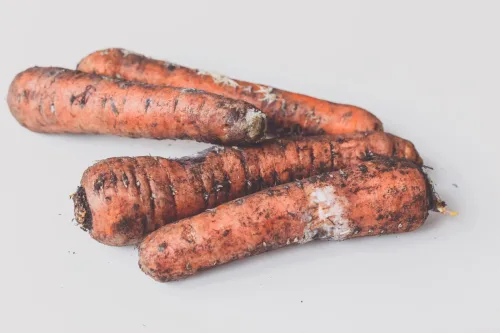
Next year you can harvest better if you don’t sow carrots where they won’t thrive
Carrot root fly can ruin carrots, parsley and celery from the inside out, often without obvious warning until harvest. Better site choice, rotation, later sowing and simple physical barriers can dramatically cut damage next season.
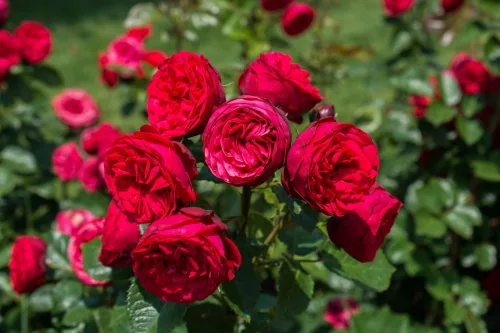
How to Propagate Roses from Cuttings at Home and Fill Your Garden with Blooms Almost for Free
Want more roses without paying for new plants? With a few healthy cuttings and a simple plastic-bottle mini greenhouse, you can root new bushes at home in just a few weeks.
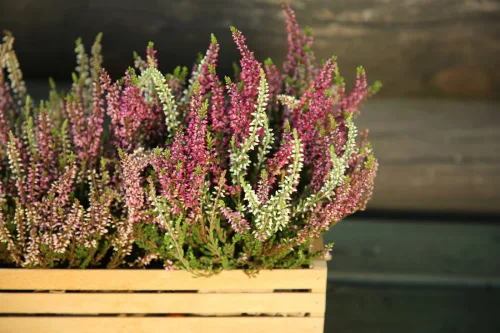
Heathers can cope where other plants won’t, but one soil detail decides everything
Heathers and heaths are tough evergreen shrubs that can flower across the seasons when you choose the right types. Success hinges on matching the plant to your soil pH and ensuring free drainage.
Comments (0)
Be the first to comment.