
 English
  Polski
  Deutsch
  Nederlands
  Svenska
  Norsk
Norsk  Dansk
Dansk  Français
  Italiano
  Español
  Português
  Slovenčina
  Suomi
Suomi  Gaeilge
 Turn Ground Cinnamon Into a Secret Weapon for Stronger, Tougher Plants
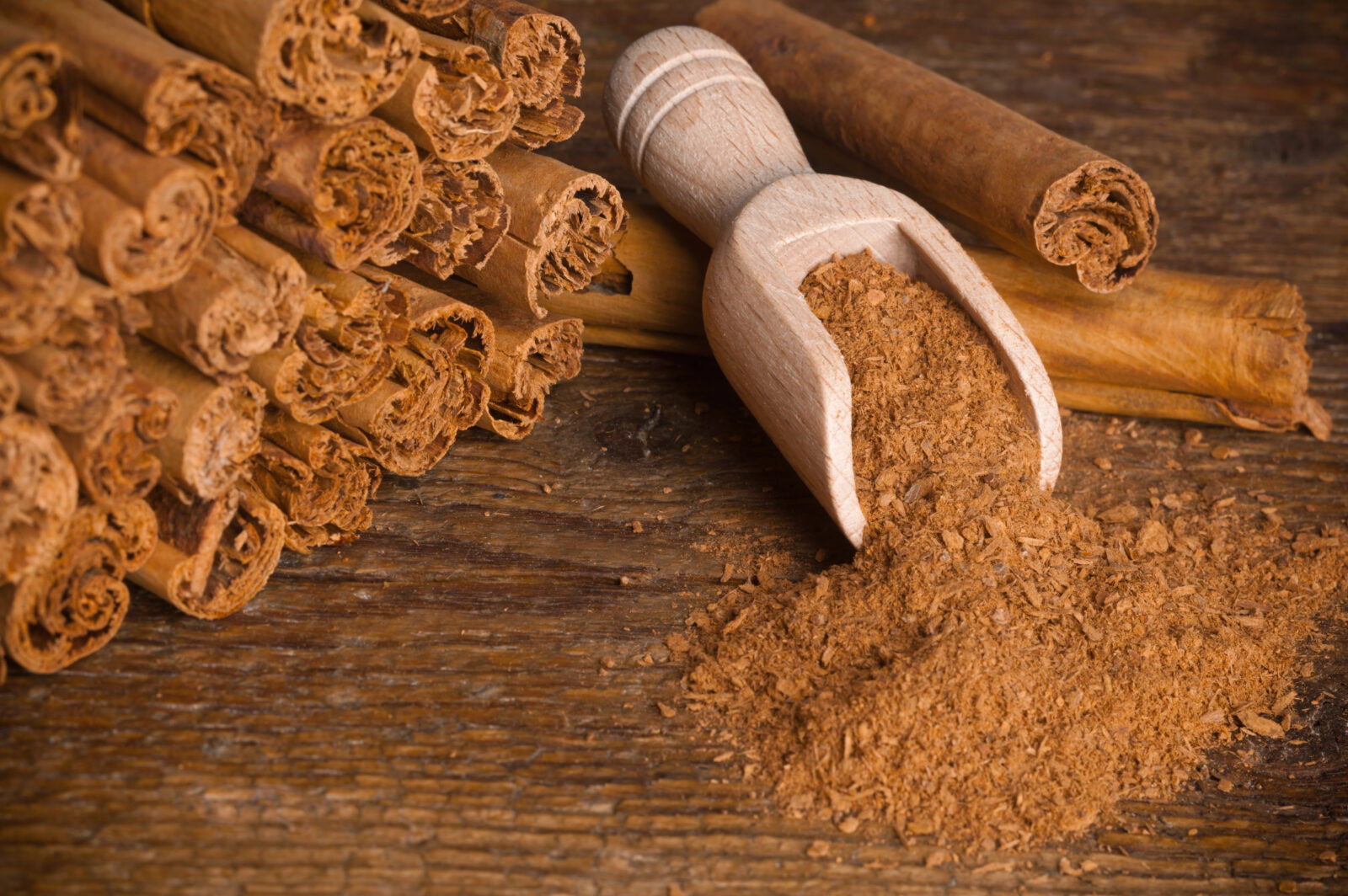
Ground cinnamon is a common kitchen spice, but for growing plants indoors and out it can be a quiet yet highly effective helper. You can use it to prevent mould, protect young seedlings, propagate plants from cuttings, and treat small stem injuries. The advantage is obvious: it’s a natural remedy that’s easy to get hold of, gentle to use, and usually far cheaper than specialist products.
A natural fungicide against mould and fungal problems
Cinnamon is well known for its natural anti-fungal properties. In practice, that means it can help when mould appears in a pot or on the surface of the compost, or when a plant is struggling due to overwatering and poor air circulation. If mould shows up on the plant itself, a light dusting of the affected area with cinnamon powder can slow further spread. You can also sprinkle a little over the soil surface to help stabilise conditions in the pot and give the plant a chance to recover.
In the garden, cinnamon works well as simple prevention and as a quick response at the first signs of mould.
Repels insects that don’t care for spices
While people usually love cinnamon, many small pests can’t stand its scent and properties. When ants or other crawling critters show up in beds or containers, creating a thin cinnamon barrier can help. Simply sprinkle it on the soil around plants or in areas where the insects travel. It won’t perform a miracle wipe-out overnight, but it’s a gentle way to discourage pests and keep their numbers under control.
Supports healthy seedlings and helps prevent disease
When growing vegetables and fruit, one of the biggest disappointments is when seeds germinate poorly or young seedlings suddenly collapse. Often the cause is unsuitable soil conditions, overwatering, or soil-borne fungi that attack roots and the seedling stem at soil level. Cinnamon can be used as a supportive preventive measure if you mix a small amount into the soil, or use it alongside routine feeding. The aim is to make conditions less favourable for fungi and help seedlings maintain a more stable environment during early growth.
Invaluable for propagating from cuttings
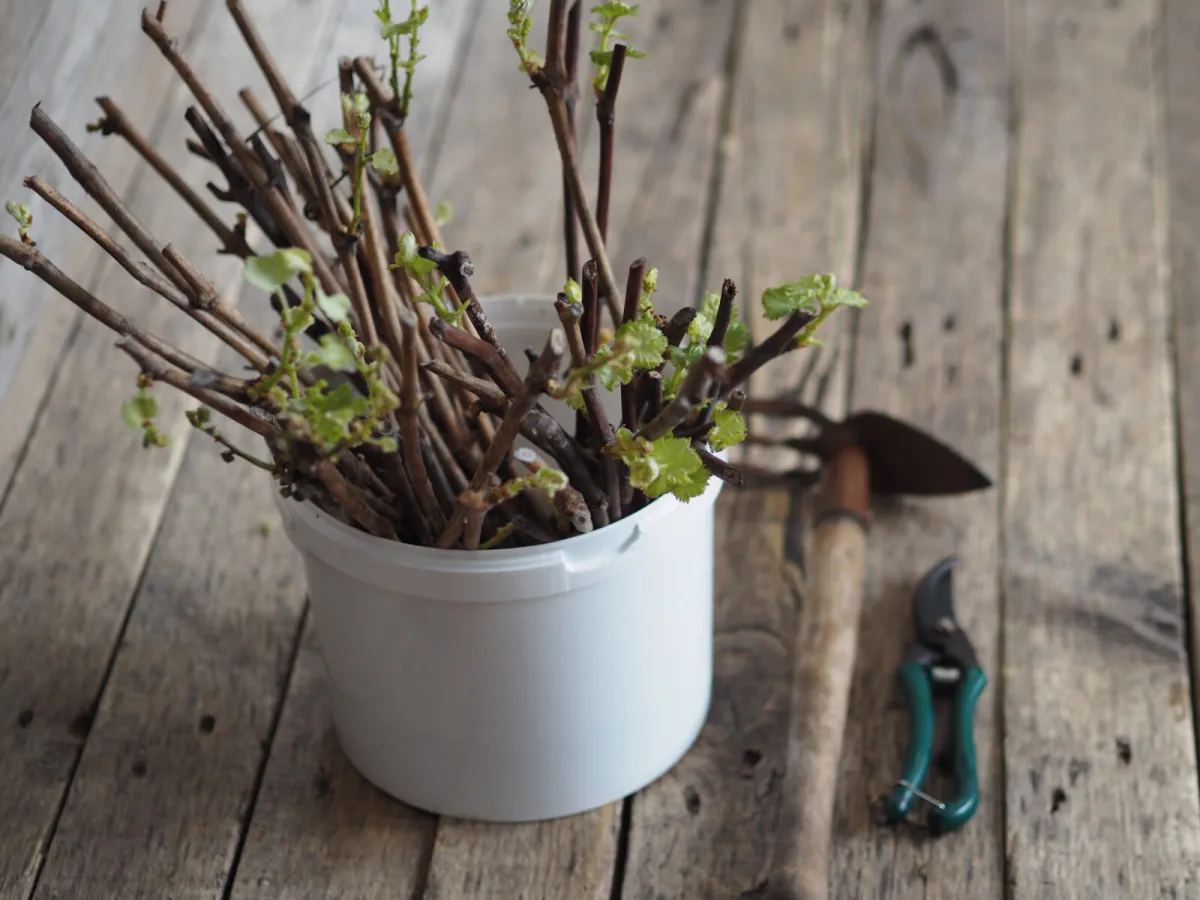
One of cinnamon’s most practical uses is appreciated by anyone who propagates houseplants or shrubs from cuttings. Instead of synthetic rooting hormones, you can lightly coat the freshly cut end of a cutting in ground cinnamon and only then insert it into the compost. Cinnamon helps protect the cut surface and supports an environment where the cutting can get established more reliably. The result can be faster, more dependable rooting, especially in species prone to rotting.
A simple homemade solution for spring seed-starting
At the start of the season, when seedlings are often started in advance, cinnamon can also be used as a solution. One tried-and-tested version combines water, cinnamon, and aspirin. Prepare half a litre of water, add two crushed aspirin tablets, and stir in one tablespoon of ground cinnamon, about 10 grams. Leave the mixture to stand for roughly 12 hours, then strain it. You can soak seedlings in the liquid for about two hours. It’s important not to store the solution long-term, as it gradually loses its effectiveness, so it’s best to mix it fresh as needed.
First aid for plant injuries
When repotting or handling plants, it sometimes happens that a stem tears or a small wound appears. This is exactly where cinnamon can serve as quick, at-home first aid. Lightly dust the damaged area with the powder to reduce the risk of infection and encourage faster healing. This approach works for houseplants as well as herbs and certain garden plants, where a wound can be an entry point for pathogens.
How to use cinnamon sensibly
For cinnamon to be beneficial, it pays to apply it sparingly. The goal is a light dusting or a thin layer—not burying an area under a thick coating. With sensitive plants, it’s best to try a small amount first and watch the response. If you’re dealing with recurring mould, address the cause too: proper watering, drainage, ventilation, and good-quality compost. Cinnamon then works well as a supplement that supports a healthier growing environment.
Source: To je nápad, The Spruce, Pestrazahrada.cz

A lover of nature, gardens, and everything that moves, blooms, or grows. He literally grows everything, from herbs to rare species, and he enjoys caring for animals just as much. In his work, he connects modern technology with tried-and-tested grandmotherly methods and is happy when both paths lead to the same goal.
Related articles
An Orchid That Only Grows but Won’t Bloom Has Three Common Causes You’ll Never Fix with Fertiliser
If your orchid looks healthy but refuses to bloom for months, the cause is usually not a lack of fertiliser. Light, watering habits, and temperature patterns are far more often to blame.
Winter is crucial for raised beds and most people skip the pest prevention step
Your raised beds don’t go dormant just because winter arrives. A few quick, well-timed tasks now will protect the soil, discourage pests, and set you up for a smoother, more productive spring.
When to Mow the Lawn for the Last Time Before Winter
There’s no universal date for the season’s final mow—your lawn and the weather will tell you. Time it just ahead of hard frost and leave the grass slightly higher to help it overwinter healthier and bounce back faster in spring.
Comments (0)
Be the first to comment.