
 English
  Polski
  Deutsch
  Nederlands
  Svenska
  Norsk
Norsk  Dansk
Dansk  Français
  Italiano
  Español
  Português
  Slovenčina
  Suomi
Suomi  Gaeilge
 The gardening season isn’t over, here’s what you can still plant

September is often underestimated in the garden, yet it can save you a lot of work in spring. After summer the soil is still warm, but temperatures are no longer so extreme, so plants root more readily and young plants suffer far less stress. A bed that would otherwise sit empty can be used for overwintering vegetables, quick autumn harvests, and ornamental species that will flower a little earlier than they would from a spring sowing.
Autumn sowing of hardy annuals has another advantage: plants have time to establish before winter, ride out the cold in a dormant phase, and then spring into growth as soon as it warms up. With some crops, garlic for instance, the cold actually supports good development and the later formation of well-structured cloves.
What to have ready and how to protect crops from the cold
As chilly nights become more common, it helps to have basic frost protection to hand. Most often, horticultural fleece and low cloches are enough, keeping temperatures a little higher while also reducing the effect of cold winds. Cold frames are also very useful at this time of year, because they protect plants from persistent rain, which can cause leaves and the crown of the plant to rot.
Everyday kit should also include a good hand trowel for planting bulbs, onion sets, and transplanting seedlings. It’s also worth thinking about moisture, because September can still be dry and newly planted crops need regular watering until they are well rooted.
Vegetables suitable for sowing and planting in September
Spinach for an early spring harvest
Hardy spinach varieties can be sown directly into beds or into containers. Timing matters: in soil that’s too warm, germination can be uneven, but a sowing that’s too late won’t give plants time to bulk up before winter. Keep the soil evenly moist and weed-free. From autumn onwards, it pays to cover the crop with fleece or a low cloche. Once it turns colder, spinach slows down, but in spring it quickly resumes growth and provides early leaves.
Salad leaves for autumn and through winter
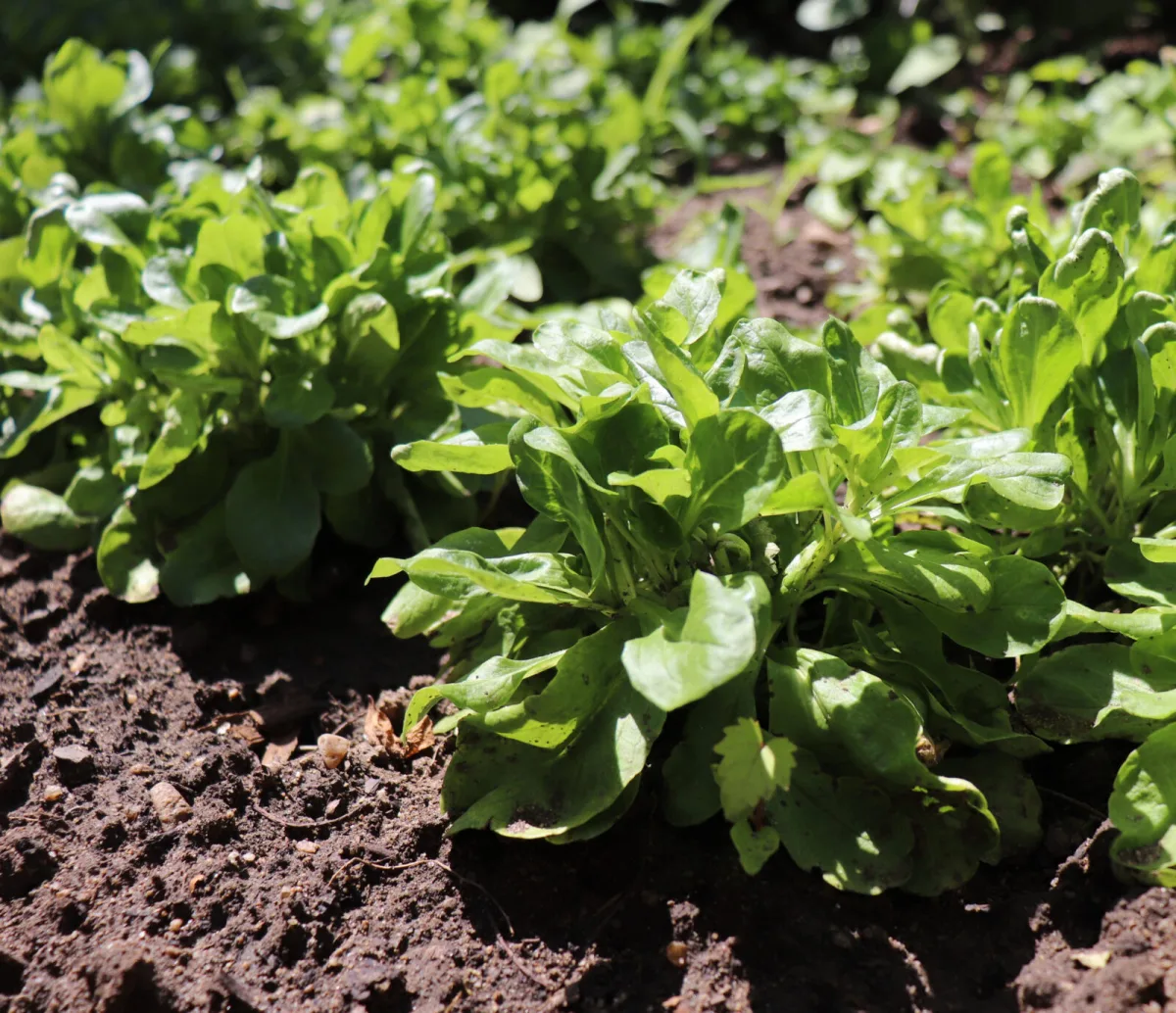
In a sheltered corner of the garden or in pots, you can sow mizuna, mustard leaves, or lamb’s lettuce in September. If colder nights arrive, cover with fleece or a cloche, and you can harvest well into autumn and often through winter too. After the winter pause, plants get going again and provide an early spring crop.
Broad beans for a head start on spring
An autumn sowing of broad beans saves time in the spring rush. Plants root quickly, then growth pauses in the cold and resumes in spring. Leaves can be damaged in harder frosts, so if severe frost without snow cover is forecast, covering the bed with fleece helps. In warmer areas, it’s better to push sowing towards the end of September so plants don’t put on too much top growth before winter.
Peas for early pods
Much like broad beans, hardy peas bred for overwintering can also be sown. Choose winter-hardy varieties and use protection during frosty spells. The reward is an earlier harvest in the following season.
Radishes as a quick autumn certainty
Radishes mature very quickly, so it’s worth taking advantage of the still-warm soil and sowing a final batch. Sow into well-prepared, clean ground, and as soon as temperatures begin to drop, cover the sowing with a cloche. By harvesting regularly, you’ll have a crisp addition to autumn salads before harder frosts arrive.
Turnips for a late harvest
Turnips can be sown directly into beds in loose, weed-free soil. Watering is important so the roots don’t turn woody. Once seedlings are up, thin them so they have enough space. Young roots can be harvested in about six weeks, and it’s useful to leave part of the crop for a later picking.
Onion sets for an earlier crop next year
Autumn onions grown from sets are planted so the tips sit just above the surface. The bed should be fertile and moisture-retentive but not waterlogged, and in full sun. Use sensible spacing so bulbs have room to build up. Growth calms down in autumn and resumes in spring, which means you can harvest earlier in summer once the tops start to yellow and die back.
Garlic planted in autumn
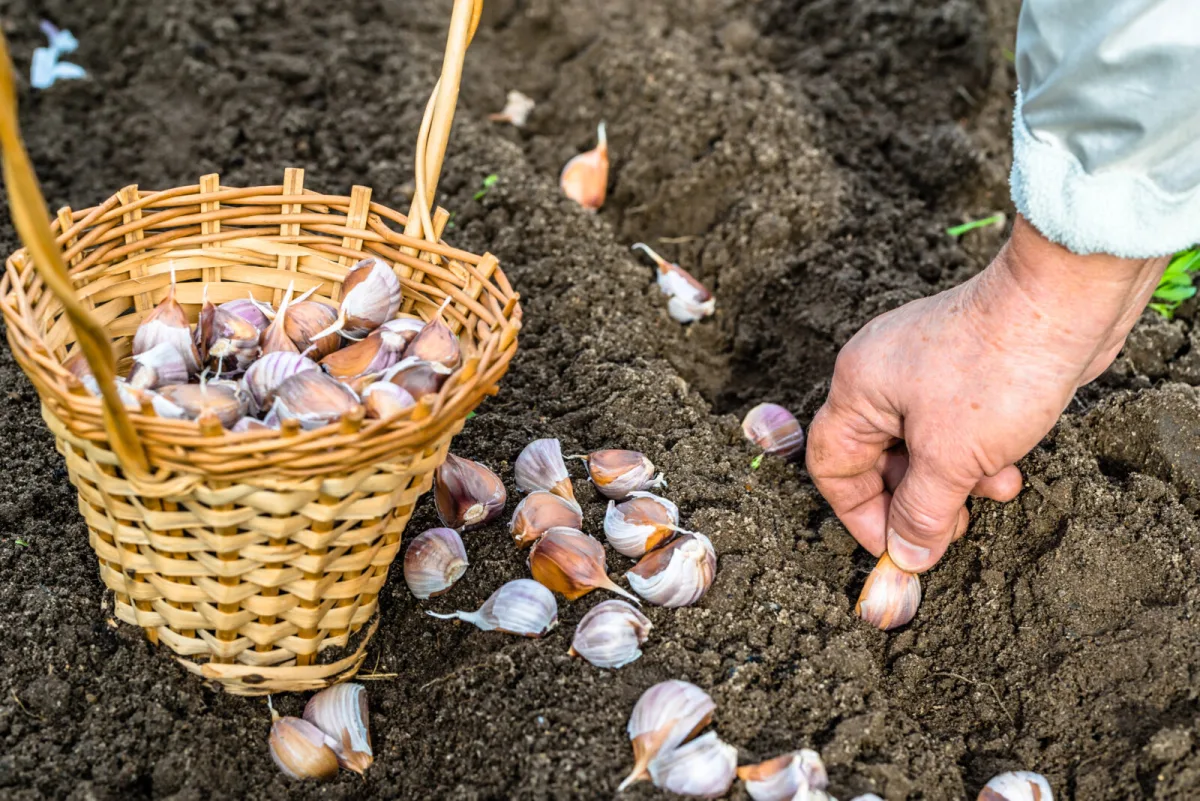
Garlic can be planted from September and usually overwinters without problems. It’s often said to need a cold period so cloves divide well and bulbs develop the right structure. Plant cloves into fertile soil at an appropriate depth and with enough spacing. Top growth may appear in autumn; the plant then rides out winter and puts on rapid growth in spring.
Fruit worth planting in September
Strawberries for strong rooting
Planting strawberries in autumn allows them to root well in soil that’s still warm. Growth slows over winter and in spring they start with a head start, which shows in both plant strength and fruiting. Plant into well-fed soil, water regularly, and make sure the crown isn’t buried too deeply.
A container-grown peach for quicker establishment
Peaches flower very early, so it makes sense to plant a tree in autumn so it’s securely rooted by the next season. In September, it’s most common to plant container-grown trees in a sunny, warm spot with well-prepared soil. Water thoroughly after planting and repeat during dry spells. At flowering time, you may need to protect blossoms from frost by covering with fleece.
Flowers and bulbs for spring and early-summer impact
Pot marigold for glowing borders
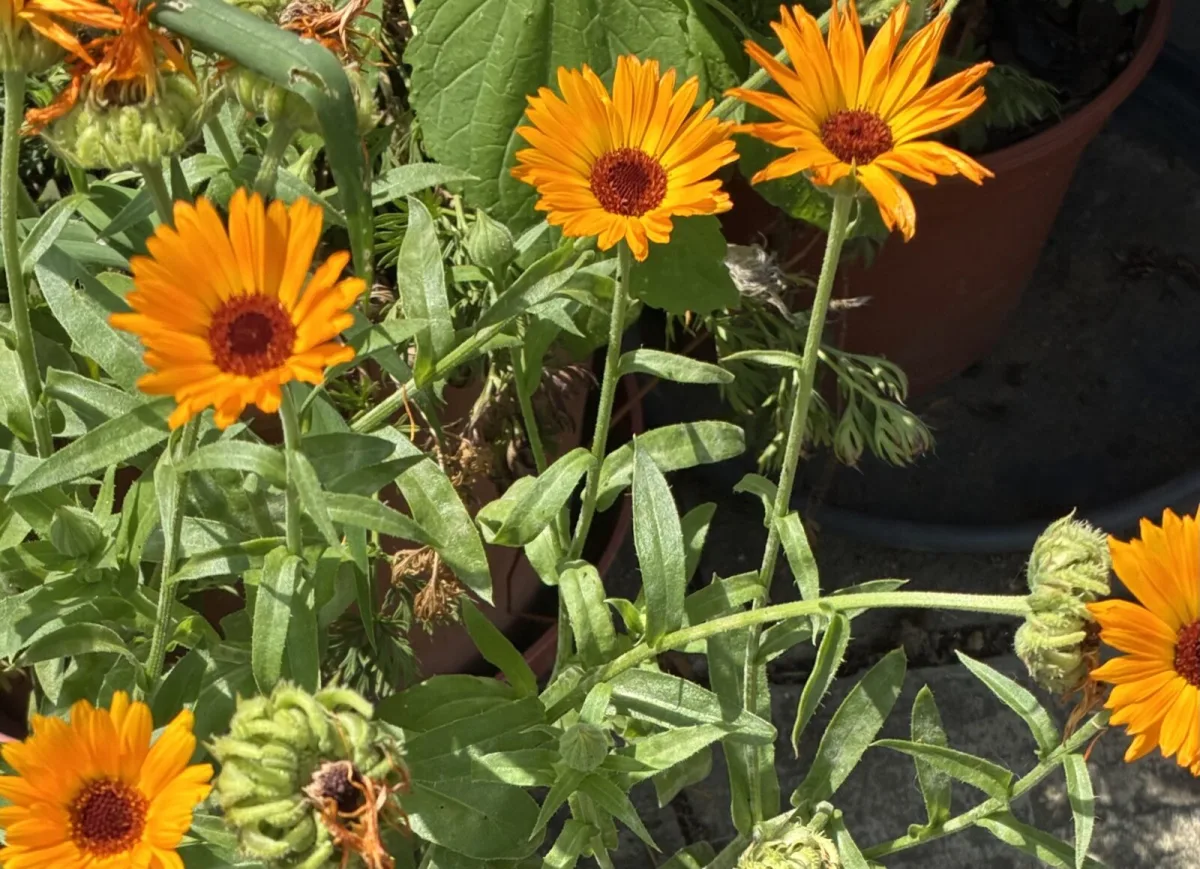
Pot marigold stands out for its rich warm shades and is ideal in borders and for cutting. With an autumn sowing, it often flowers earlier than from a spring sowing. Sow in shallow drills directly where it is to grow, or into pots of moist peat-free compost.
Love-in-a-mist as a traditional cottage flower
Love-in-a-mist is valued for its delicate flowers and decorative dried seed pods. You can sow into modules for planting out later, or directly where it is to flower. An autumn sowing brings blooms from early spring and plants are often sturdier.
Cornflowers for early colour and for the vase
Cornflowers suit naturalistic planting schemes and are also excellent as cut flowers. As well as the classic blue, there are cultivars in pink, white, red, or deep purple. Sowing in September usually means an early spring display.
Ammi majus for a lacy look
This species is often most successful from an autumn sowing, producing larger, better-quality umbels. The fine white flowers resemble wild cow parsley and work beautifully in bouquets. Sow direct or into cells for planting out later.
Poppies for early summer
Various poppy species can be sown in autumn for earlier flowering the following season. They do best when sown onto patches of bare soil, where they aren’t pushed out by competition. Alternatively, you can raise seedlings and plant them out in spring.
California poppy for dry, sunny spots
California poppy brings bold yellow-orange tones and thrives in sun in well-prepared, weed-free soil. After sowing, keep the soil slightly moist; later the plant tolerates drier conditions.
Daffodils as ideal bulbs to plant in September
September is an excellent time to plant daffodils, because the bulbs can still make roots before winter arrives. Plant to a depth of roughly three times the bulb’s height, in borders or containers. For a natural look, you can scatter the bulbs and plant them where they land.
Crocuses for early spring
Crocuses are also worth planting in September so they establish well before winter. Corms go into weed-free soil at the appropriate depth, or into fresh general-purpose compost in pots. In some gardens, it’s sensible to protect plantings from being dug up by using wire mesh.
Trees and shrubs you can plant in September
In September, you can safely plant most hardy trees and shrubs sold in containers. If you want a wider choice and often a lower price, you can wait for the bare-root season, which usually begins in November. Autumn planting of container-grown plants, however, has the advantage of rapid rooting and a strong start in spring.
Roses for a stronger start next season
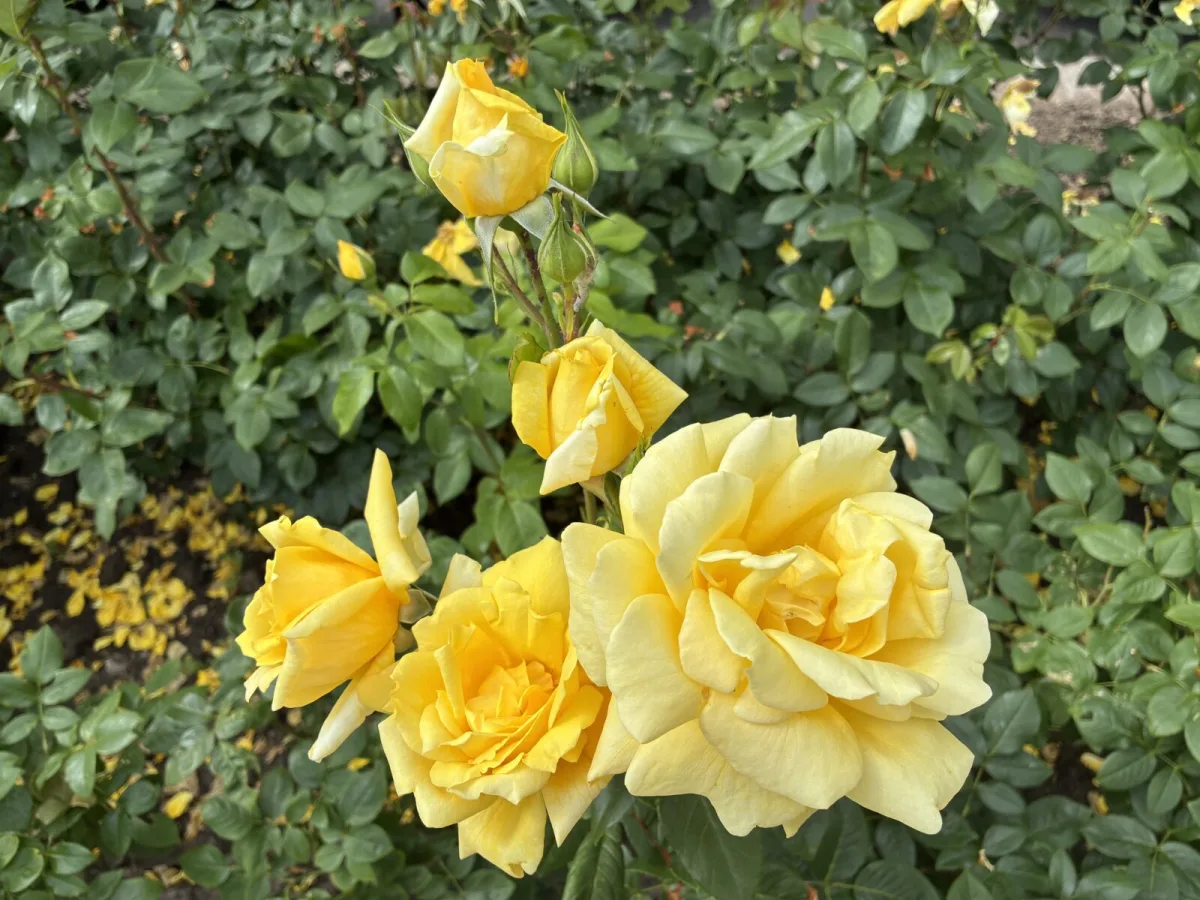
Container-grown roses can also be planted in autumn, when the soil still holds warmth. They have time to root in before winter, then grow vigorously in spring. Choose shrub roses for borders, climbers for supports, and ramblers for covering larger areas. Rich soil that stays moist but drains well is important, along with watering during dry spells.
Crab apple as a tree even for a smaller garden
Ornamental crab apples come in many sizes, and some cultivars suit small gardens or even a large container. When planting, keep to the same depth the tree grew at in its pot, prepare the soil well, and water generously after planting. If it’s dry, water again so roots establish quickly.
Source: Gardeners World, Rhs , Pestrazahrada.cz
Related articles
Autumn planted grapevines bud earlier the most common mistake happens before they even go in the ground
Planting grapevines in November can give them a head start in spring, as roots can still establish in warm soil. Success depends mainly on proper planting depth and reliable winter protection.
Ten Crops to Sow Before Winter for an Earlier Spring Harvest
Autumn sowing lets hardy vegetables and herbs root in before frosts, so they spring into growth as soon as temperatures rise. With the right timing and bed preparation, you can harvest noticeably earlier in the new season.
Planting Garlic Has One Rule Most Gardeners Break Right at the Start
Autumn is the ideal time to plant garlic, but timing it by soil and air temperature matters more than the calendar. Planting once temperatures stay below 9 °C and using good cloves in well-prepared soil sets you up for a strong spring start and a better harvest.
Comments (0)
Be the first to comment.