
 English
  Polski
  Deutsch
  Nederlands
  Svenska
  Norsk
Norsk  Dansk
Dansk  Français
  Italiano
  Español
  Português
  Slovenčina
  Suomi
Suomi  Gaeilge
 A surprising post-harvest trick for tomatoes that turns the leaves into an effective pest remedy
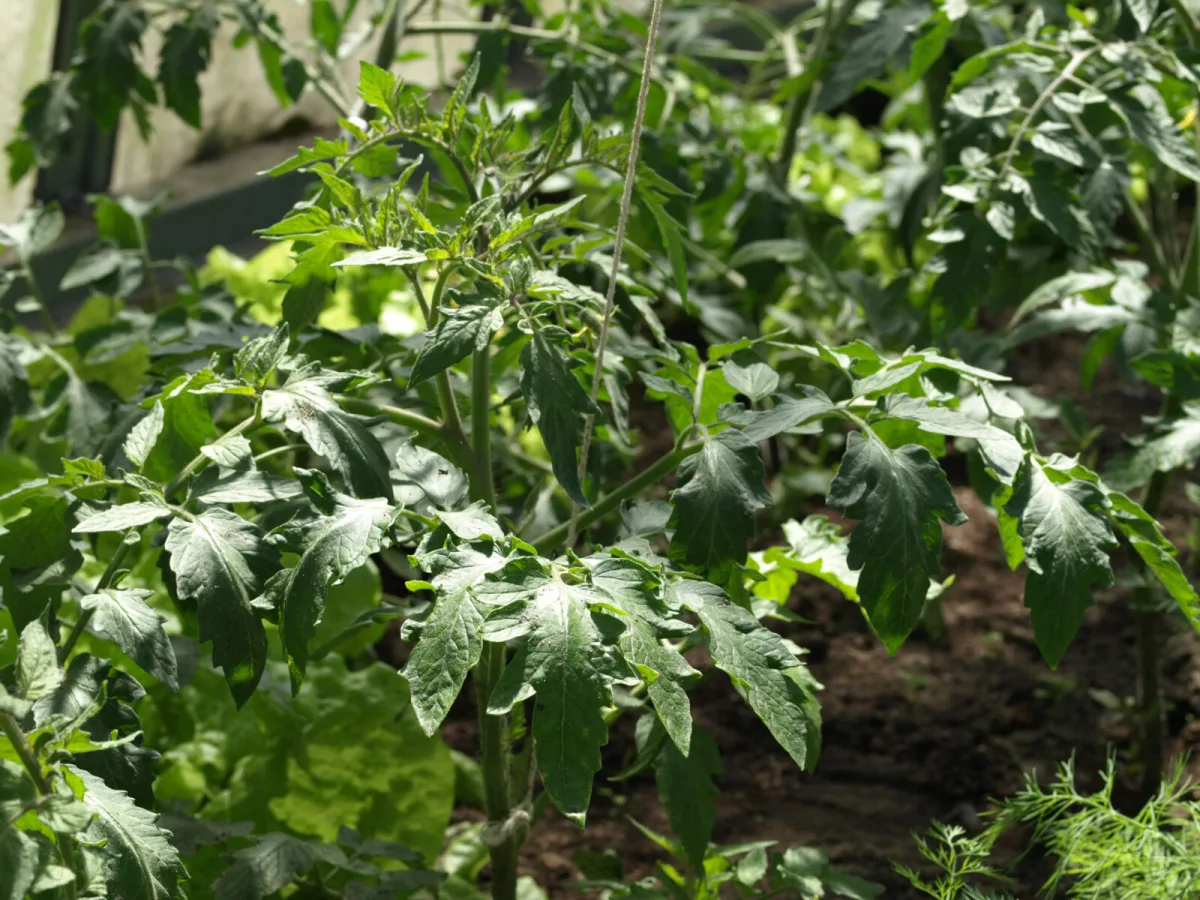
After harvesting tomatoes, a large portion of the foliage often ends up in the bin or on the green-waste pile. Yet the leaves and pruned side shoots can still be genuinely useful in the garden. More experienced growers don’t destroy them for no reason, because they know tomato foliage contains natural compounds that some pests dislike, and it can also add valuable organic matter to the soil. If you can also make a few simple homemade helpers from plant leftovers, you’ll save on shop-bought products and reduce the use of chemicals.
Tomatoes contain a range of beneficial compounds, and even after harvest it makes sense to keep working with them. The leftover foliage can be used to protect plants, enrich the compost, or as material for the soil surface. The only important thing is to choose the right method so the benefit doesn’t turn into a problem, for example by increasing the risk of spreading disease.
An eco-friendly approach that’s kind to your wallet too
Using garden waste directly on your own plot is an easy way to be gentler on nature. Instead of buying sprays and fertilisers, you can cover some of what you need with what your garden already provides. Tomato leaves are especially useful where you want to act more gently, yet still effectively. The result is usually not only less strain on the soil and surrounding organisms, but also better use of material that would otherwise be wasted.
Tip: Don’t throw away broken-off side shoots either. With proper handling, they can be used much like the leaves—for example in the compost or as mulch.
A natural leaf spray for aphids and spider mites
One of the most practical uses for tomato leaves is a homemade spray that can help when aphids or spider mites appear. The leaves contain alkaloids and other compounds that may discourage small pests. The method is simple. Chop the leaves into smaller pieces, cover them with cold water, and leave to steep overnight. In the morning, strain the infusion and pour it into a spray bottle.
It’s important not to use hot water, because higher temperatures can damage the active components. Apply the spray to the affected parts of the plants, ideally to the undersides of leaves where pests often hide. Repeat as needed, but watch how the plants respond so you don’t cause unwanted irritation on more sensitive species.
Compost as a second life for tomato foliage
Tomato leaves and other green leftovers also make a suitable addition to the compost heap. As they break down, they add organic matter and naturally enrich the mix. That compost can then improve soil structure next season, support soil life, and help your garden manage water and nutrients more effectively.
If you’re composting a larger amount of foliage, it’s sensible to tear it up or chop it to speed decomposition. At the same time, aim to balance the heap with drier materials so it doesn’t become too wet and smelly.
A nourishing fermented feed for boosting plants
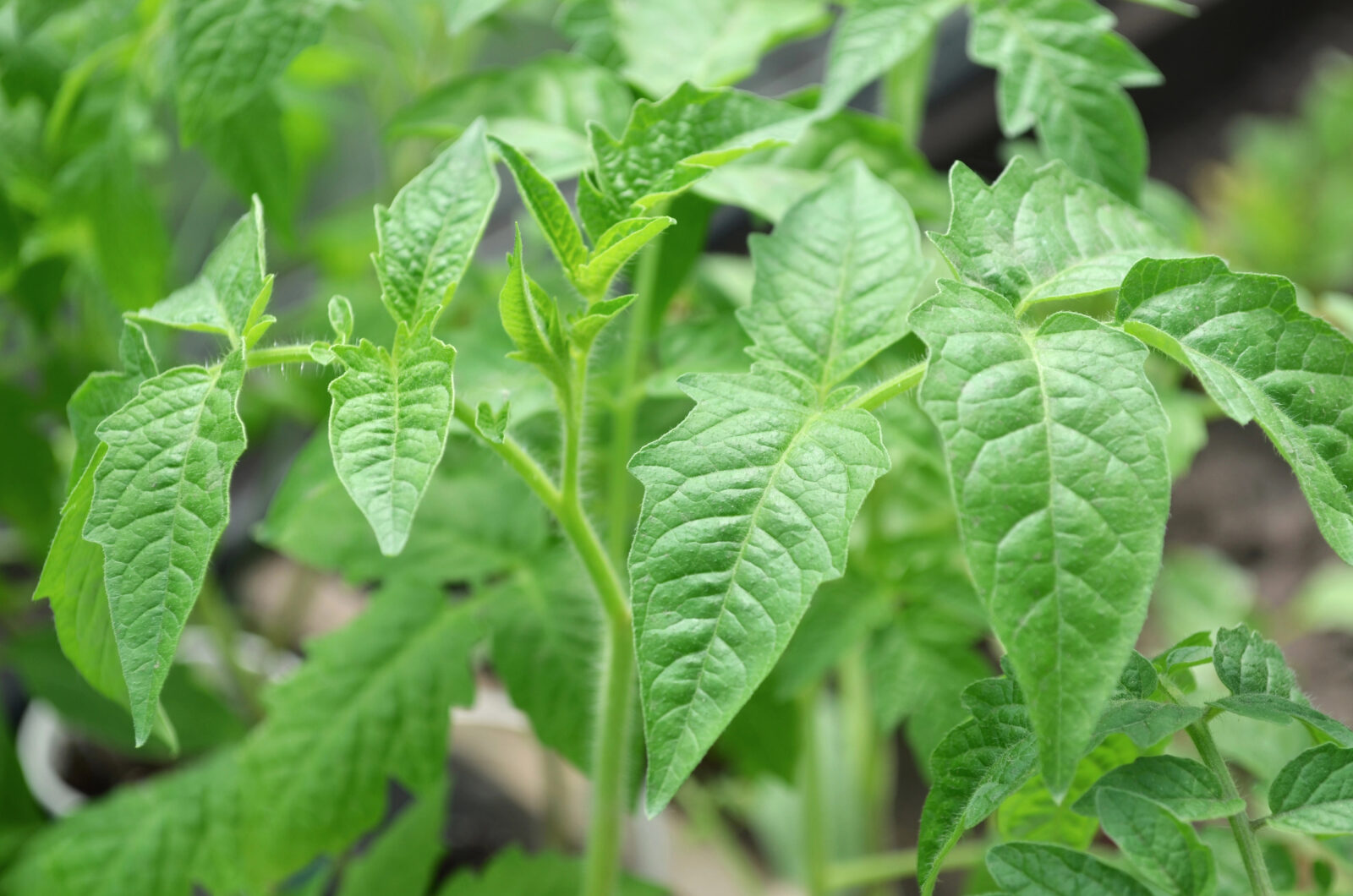
Another option is to make a fermented feed, a brewing plant infusion used as a liquid fertiliser. Put chopped pieces of tomato foliage into a larger container, cover with water, and leave to ferment for several days. Once the process slows down and the mixture stops working so vigorously, strain the liquid through a sieve or cloth.
Before use, it’s essential to dilute the feed so it isn’t too strong. You can then use it to feed selected plants by watering it onto the soil around the roots. It’s always better to start with a weaker dilution and adjust the strength based on the results.
Mulching with dried leaves to retain moisture
Tomato leaves can also be used as mulch—a layer of material on the soil surface. Mulch helps reduce evaporation, suppresses weeds, and protects soil from harsh sun. The key, however, is to dry the leaves thoroughly first, to reduce the risk of spreading fungal diseases and to stop the material from rotting on the beds.
Spread the dry leaves in a thinner layer around plants so they don’t sit directly against stems. If the foliage is clearly affected by disease, choose composting with caution or another disposal method, so the problem doesn’t spread further in the garden.
A simple rule to finish
Tomato leaves after harvest don’t have to end up as waste. If you use them for a homemade spray, in the compost, as a fermented feed, or as mulch, you’ll gain a practical helper while supporting more sustainable gardening. Just stick to the correct method—especially steeping in cold water for the spray and drying the leaves thoroughly for mulching.
Source: Almanac, Research Gate, Pestrazahrada.cz

A lover of nature, gardens, and everything that moves, blooms, or grows. He literally grows everything, from herbs to rare species, and he enjoys caring for animals just as much. In his work, he connects modern technology with tried-and-tested grandmotherly methods and is happy when both paths lead to the same goal.
Related articles
The Most Overlooked Shrub in the Czech Landscape Sloe Feeds Bees Shelters Birds and Bears Fruit Few People Know
Blackthorn (sloe) is an unassuming, thorny shrub that supports wildlife early in the season and yields dark, frosted fruits in autumn. Once touched by frost, its astringent sloes become a valued ingredient for preserves, drinks, and traditional remedies.
How to Choose a Sack for Storing Potatoes So They Don’t End Up in the Compost in a Few Weeks
The right storage sack helps protect potatoes from light and excess moisture, two common reasons they spoil. Learn when to choose a jute sack or a paper sack and how to keep your crop sound for months.
Silverfish Appear at Night and Vanish into Cracks Get Rid of Them with One Change Not a Spray
Silverfish thrive in dark, damp corners and often show up only at night. Long-term control comes from drying the space and removing hiding places, not just spraying chemicals.
Comments (0)
Be the first to comment.