
 English
  Polski
  Deutsch
  Nederlands
  Svenska
  Norsk
Norsk  Dansk
Dansk  Français
  Italiano
  Español
  Português
  Slovenčina
  Suomi
Suomi  Gaeilge
 Six Common Pitfalls of Growing Vegetables on a Balcony and How to Handle Them
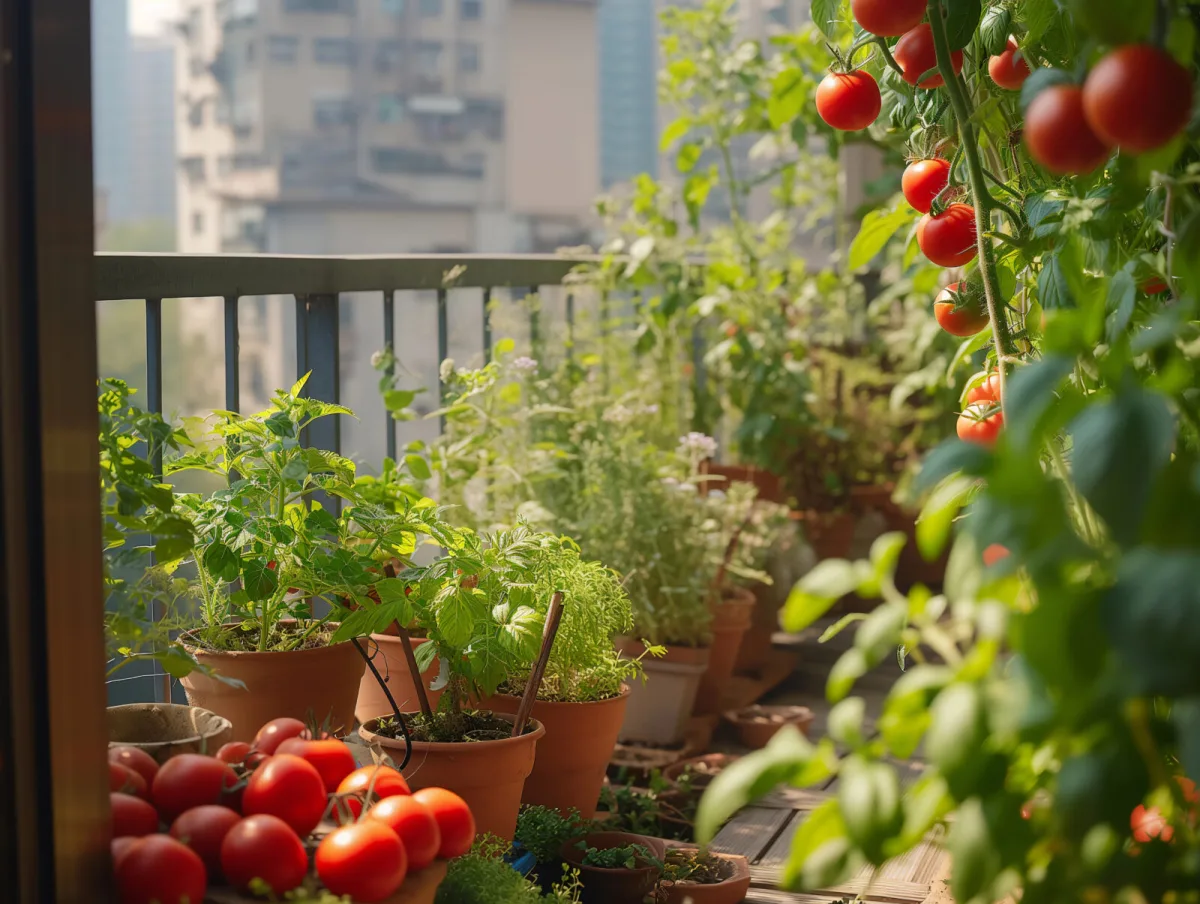
Even a small balcony or terrace can, with a little care, produce a surprisingly generous amount of edible vegetables. Pots, window boxes and smaller containers bring you fresh flavours and scents that shop-bought produce simply can’t replicate. But so that growing doesn’t become more of a source of disappointment than enjoyment, it pays to anticipate a few typical pitfalls in advance. When you know where problems tend to arise, you can prevent them early and get the maximum harvest from minimal space.
Potting mix drying out too quickly in containers
The most common complication is the potting mix drying out fast. In pots and long planters, the substrate warms more quickly than in a garden bed, water evaporates more intensely, and plants have higher watering needs. The small volume of compost also holds moisture only briefly, so young seedlings easily suffer stress. This often shows up as uneven growth, poorer flowering, and later a smaller crop. Regular watering is therefore essential, and if you’re away for several days, consider a self-watering system or another way to maintain steady moisture.
Overheating pots and root damage
The colour of your containers matters too. Dark pots heat up in the sun far more than you might expect, and fine feeder roots can be damaged in hot weather. When roots stop working properly, the plant takes up nutrients poorly and quickly declines, even if you’re watering. Light-coloured containers are a better choice, as are designs with double walls. If you only have dark pots, shading them, wrapping them in a light material, or slipping them into a larger outer cachepot will reduce overheating.
Changeable light between shade and harsh sun
Many balconies, especially in courtyards or between taller buildings, have very uneven light. In a short time, deep shade can turn into strong direct sun that can easily scorch leaves. In these conditions, you need to choose species and varieties that can cope with sudden intense sun and still set fruit with fewer hours of direct light. Careful positioning of containers helps too, as does hardening off seedlings gradually so the shock of a change in conditions isn’t so severe.
Plants shading each other in mixed plantings
Shade doesn’t come only from nearby buildings, but from the plants themselves. When you grow several crops in one window box or in a small space, it’s easy to create a situation where stronger, taller plants deprive slower ones of light. Tall plants that need support are best placed at the back near the railing or wall so they don’t block the rest. Crops with large leaves can also quickly take over and suppress smaller vegetables. When weaker plants have to stretch towards the sun, they tend to be more fragile and yield less, so layout matters more on a balcony than in a standard bed.
Rapid spread of pests and diseases in a small space
In a confined area, aphids, spider mites and other pests spread very quickly from one plant to the next. Natural predators are often scarce, and a problem can develop in just a few days. It’s worth checking leaves regularly, especially the undersides where pests hide. Yellow sticky traps can be a practical tool too, giving you an early warning that something is going on. Just as important is not planting seedlings too close together, because dense growth restricts airflow and creates conditions where powdery mildew and other fungal diseases can take off. As prevention, companion planting with aromatic herbs and flowers can help naturally deter pests while also making the balcony smell wonderful.
Wind in higher floors as a hidden enemy
On balconies on higher storeys, wind is an underestimated risk. Strong gusts can damage stems, tear leaves, and in fruiting vegetables can cause fruits to drop before they ripen. Plants are also under ongoing stress from wind, which shows up as slower growth and poorer fruit set. Sturdy supports help, as does placing containers closer to walls and adding a barrier to soften sudden gusts. Reed screens, netting, or modern perforated windbreak panels work well, reducing airflow without unnecessarily plunging the balcony into shade.
Key takeaways
Growing vegetables on a balcony is fantastic, it just requires a different approach than a garden. The biggest factors are consistent watering, protecting roots from overheating, sensible management of light, well-planned spacing, fast response to pests, and shelter from wind. If you keep these areas in check, even a small balcony can become a productive space that brings you pleasure all season long.
Source: Martha Stewart, The Guardian, Pestrazahrada.cz

A lover of nature, gardens, and everything that moves, blooms, or grows. He literally grows everything, from herbs to rare species, and he enjoys caring for animals just as much. In his work, he connects modern technology with tried-and-tested grandmotherly methods and is happy when both paths lead to the same goal.
Related articles

Next year you can harvest better if you don’t sow carrots where they won’t thrive
Carrot root fly can ruin carrots, parsley and celery from the inside out, often without obvious warning until harvest. Better site choice, rotation, later sowing and simple physical barriers can dramatically cut damage next season.
How to Propagate Roses from Cuttings at Home and Fill Your Garden with Blooms Almost for Free
Want more roses without paying for new plants? With a few healthy cuttings and a simple plastic-bottle mini greenhouse, you can root new bushes at home in just a few weeks.
Heathers can cope where other plants won’t, but one soil detail decides everything
Heathers and heaths are tough evergreen shrubs that can flower across the seasons when you choose the right types. Success hinges on matching the plant to your soil pH and ensuring free drainage.
Comments (0)
Be the first to comment.