
 English
 Polski
 Deutsch
 Nederlands
 Svenska
 Norsk
 Dansk
 Français
 Italiano
 Español
 Português
 Slovenčina
 Suomi
 Gaeilge
Shiny or Dull Side of Aluminium Foil The Answer May Surprise You
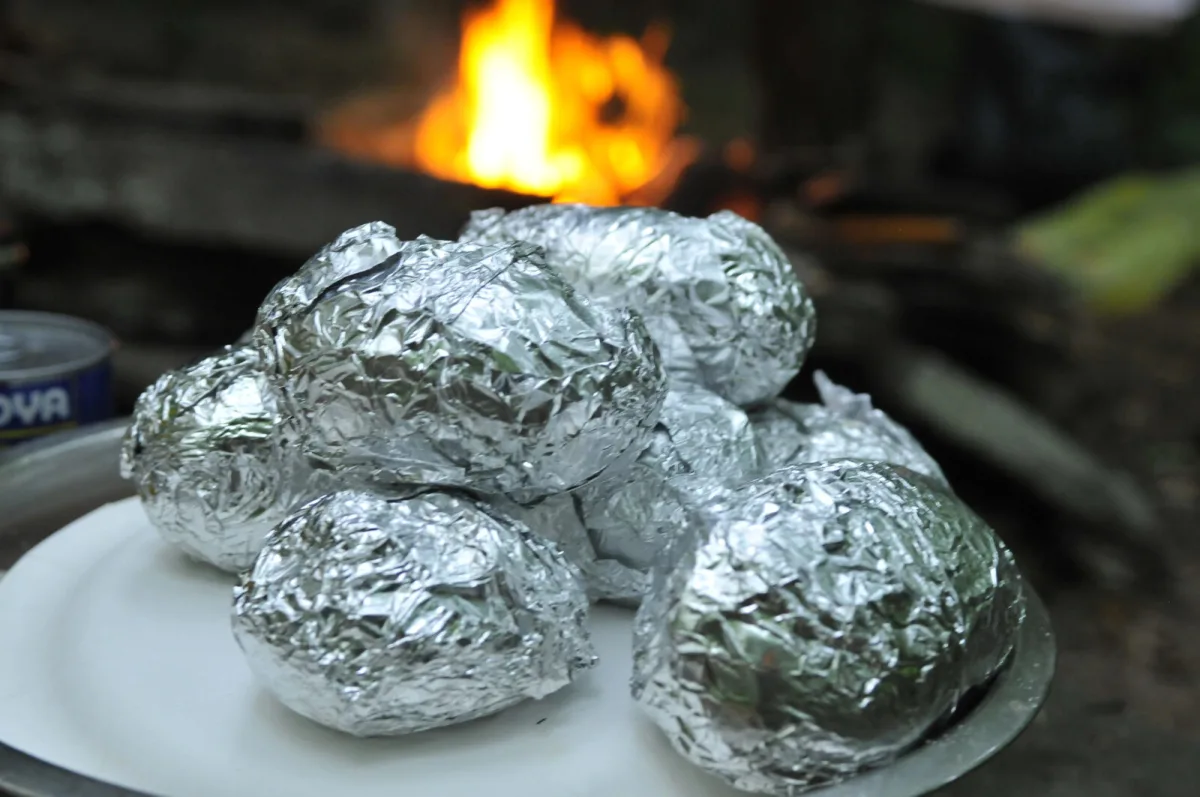
In many households, the same question keeps coming up. When baking or wrapping food, should the shiny or the dull side of aluminium foil face the food? Despite all the theories, with ordinary aluminium foil the correct answer is straightforward. In most cases, the orientation doesn’t matter at all.
What’s much more important is knowing when foil is a sensible choice, what to watch out for with certain foods, and when you should follow the manufacturer’s instructions. That has a bigger impact on cooking results and safety than the difference in the foil’s surface finish.
Shiny and dull sides of standard foil work the same
Aluminium foil is a familiar helper for baking, grilling and short-term food storage. People use it to cover roasting trays, wrap potatoes, vegetables or meat, and often to store food in the fridge. But when you tear off a sheet, many aren’t sure which side should face which way.
You’ll often hear that the shiny side reflects heat better, so it should be turned in a specific direction. Others claim the opposite. With regular kitchen foil, however, these debates don’t matter in everyday cooking. Both sides can be used the same way, and when baking, covering or wrapping food, they won’t change the outcome in the way many people assume.
So if you’re roasting meat in the oven, grilling vegetables, or simply need to cover a container of food, you can use standard foil either way round. What matters isn’t which way the foil faces, but the method, temperature and cooking time.
Why the two sides look different
The difference between the dull and shiny sides isn’t because each side has a different function. It’s a result of the manufacturing process. Aluminium foil is made by rolling it into a very thin sheet. In the final stage, two layers are often rolled together at once to prevent the material from tearing.
The side that touches the smooth roller becomes noticeably shinier. The side that’s in contact with the other layer of foil remains more matte. So it isn’t a special treatment for different uses, just a natural by-product of production.
With standard aluminium foil, there’s no need to worry about which side touches the food. Shiny or dull isn’t a sign of better performance for everyday use.
When foil is practical in the kitchen
Aluminium foil has plenty of uses in the kitchen. It works well when you need to cover a roasting dish to prevent the surface from drying out too much. It’s also handy for baking foil parcels with vegetables, fish or potatoes, because it makes them easier to handle and helps keep juices and aroma sealed inside.
On the barbecue, foil can separate delicate ingredients from the grill grate and make it easier to cook foods that might otherwise fall apart or stick and scorch. In some cases, it’s also used for short-term wrapping in the fridge or freezer. Here again, it doesn’t matter whether the shiny or dull side is on the inside.
If you’re preparing everyday foods that aren’t high in acids or salt, there’s no need to worry about which way the foil faces. It’s more important to use it sensibly and for the right type of food.
The exception is non-stick foil
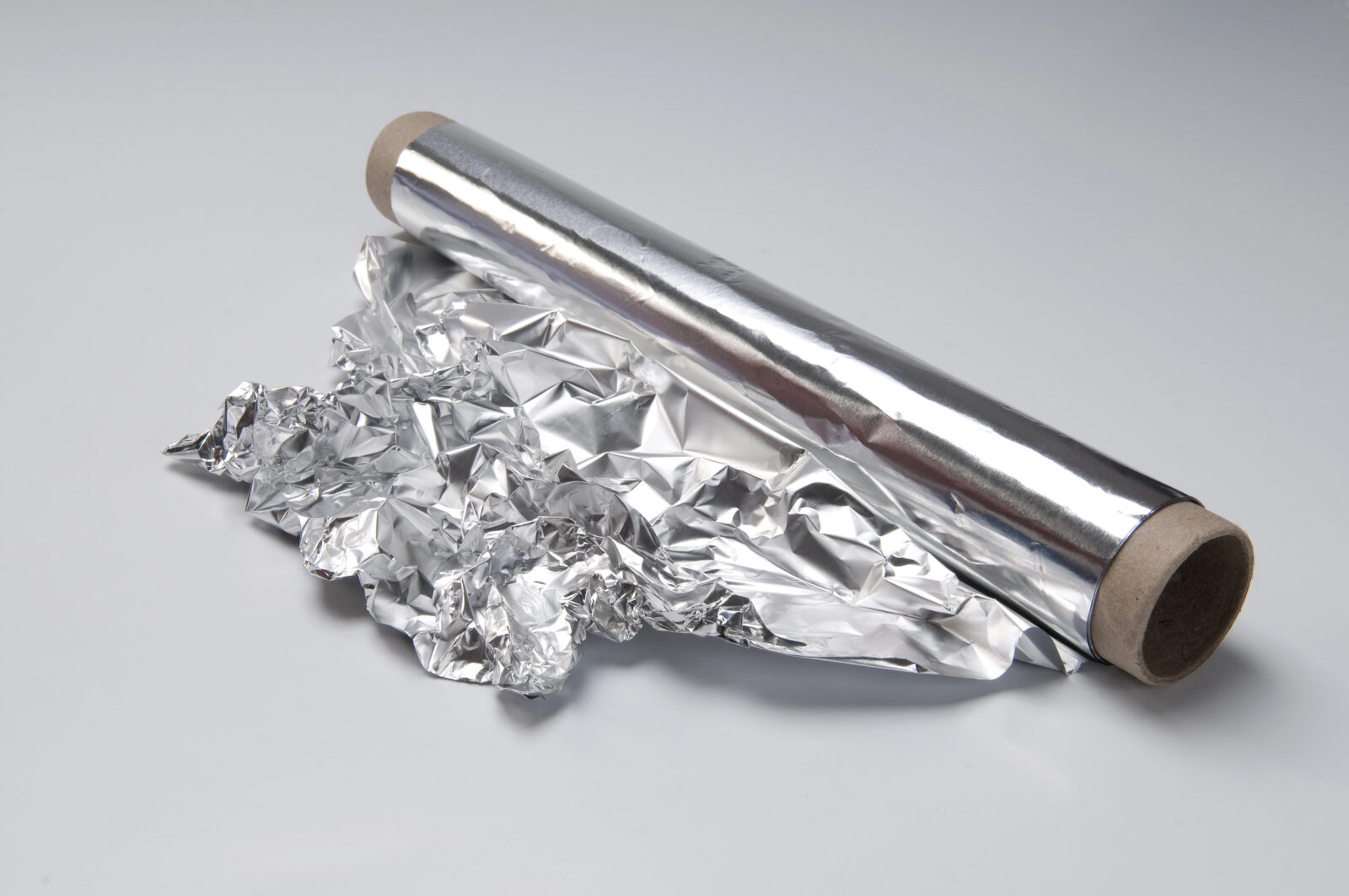
There is, however, one situation where the sides can matter. That’s with special non-stick foil designed, for example, for baking or grilling foods that tend to stick. With this kind of product, only one surface is treated.
In that case, you need to follow the information on the packaging. You can’t rely on a general rule that the functional coating will always be on the matte side or the shiny side. Each manufacturer may do it differently.
If you’re using a special type of foil, always read the instructions. It’s the only reliable way to know which side should be in contact with the food.
Be careful with acidic and salty foods
Far more important than which side faces the food is what’s actually inside the parcel. Aluminium isn’t always ideal for long contact with certain foods. Extra caution is needed especially with strongly acidic or heavily salted foods.
Problem foods can include tomatoes, citrus fruits, vinegar-based dishes or very salty marinades. With longer exposure, and especially at higher temperatures, the foil surface can react and a small amount of aluminium may migrate into the food.
That’s why it’s best not to keep these foods wrapped in foil for a long time. If you need to store them, a glass container or another food-safe wrap is a better choice. For short-term covering or cooking suitable foods, foil generally works just fine.
Safety when handling foil
When handling foil after baking or grilling, think about safety. Foil heats up quickly and can be extremely hot when it comes out of the oven. It can also have sharp edges that may cause small cuts on your fingers.
Open foil parcels carefully, ideally using oven gloves or heatproof kitchen mitts. Also take care with the steam trapped inside wrapped food. When opened, it can escape suddenly and scald hands or face.
What to do with used foil after cooking
After use, it depends on how dirty the foil is. If it’s still clean or can be easily cleaned, it can often be sorted with metal recycling. This can vary depending on local council rules and the local sorting system.
Heavily greasy foil or foil covered with food residue usually doesn’t belong in recycling. In that case, general waste is typically the better option. It’s worth checking local guidelines so recycling efforts actually make sense.
A simple rule to finish
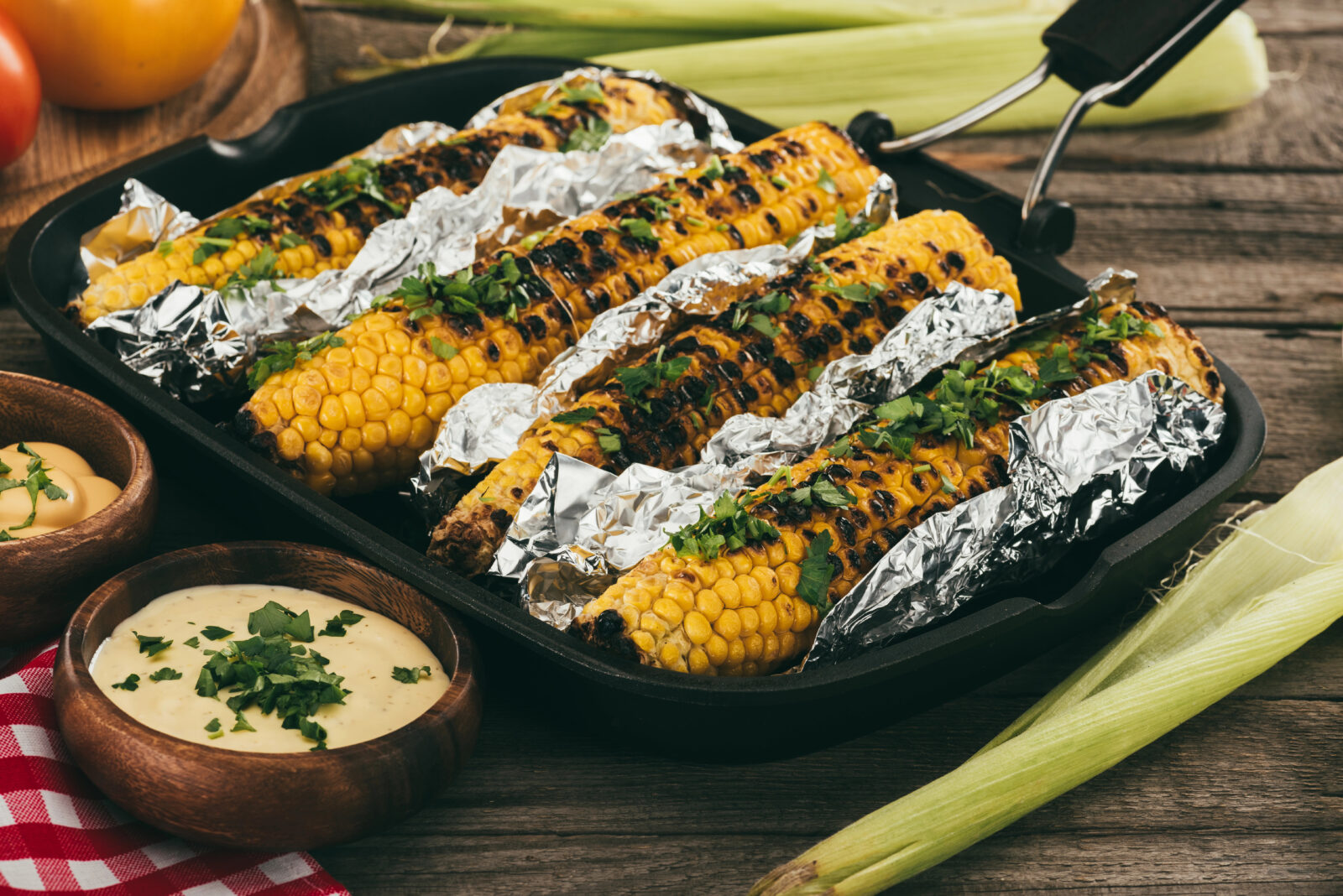
If you’re using ordinary aluminium foil, you don’t need to worry about whether the shiny or dull side should be against the food. The difference comes from the manufacturing process and doesn’t play a meaningful role in everyday kitchen use.
What matters more is the type of food you’re wrapping, whether it’s acidic or very salty, and whether you’re using a special non-stick version. These are the rules that truly affect safe, practical use of foil.
Next time you reach for foil, you can skip the unnecessary second-guessing. With standard foil, the sides are a minor detail; correct use and choosing the right type of wrap for the specific dish are far more important.
Source: Herald Sun, Simply Recipes, FlavorFlav, Pestrazahrada.cz

A lover of nature, gardens, and everything that moves, blooms, or grows. He literally grows everything, from herbs to rare species, and he enjoys caring for animals just as much. In his work, he connects modern technology with tried-and-tested grandmotherly methods and is happy when both paths lead to the same goal.
Related articles

The Most Unusual Garden Visitor Isn’t Always the Biggest One
A garden can become a surprising meeting place between people and wildlife. Sometimes the most unusual visitor is a quiet, elusive animal you may not notice for years.

You Can’t Do Everything on Your Own Garden Four Situations Where Simple Neglect Becomes a Costly Mistake
A garden may feel like a private world, but it still comes with legal responsibilities. Neglected weeds, burning green waste, invasive plants, or unmanaged boundary trees can all lead to complaints and hefty fines.
Ten smart companion plants for peppers that naturally boost healthy growth and higher yields
Sweet or hot peppers thrive with the right neighbours. Companion planting can reduce pest pressure, support healthier growth, and often deliver a heavier harvest—without relying on unnecessary chemicals.
Comments (0)
Be the first to comment.