
 English
 Polski
 Deutsch
 Nederlands
 Svenska
 Norsk
 Dansk
 Français
 Italiano
 Español
 Português
 Slovenčina
 Suomi
 Gaeilge
Pumpkin Isn’t a Vegetable Most People Are Mistaken as Botanists Put It in a Different Category
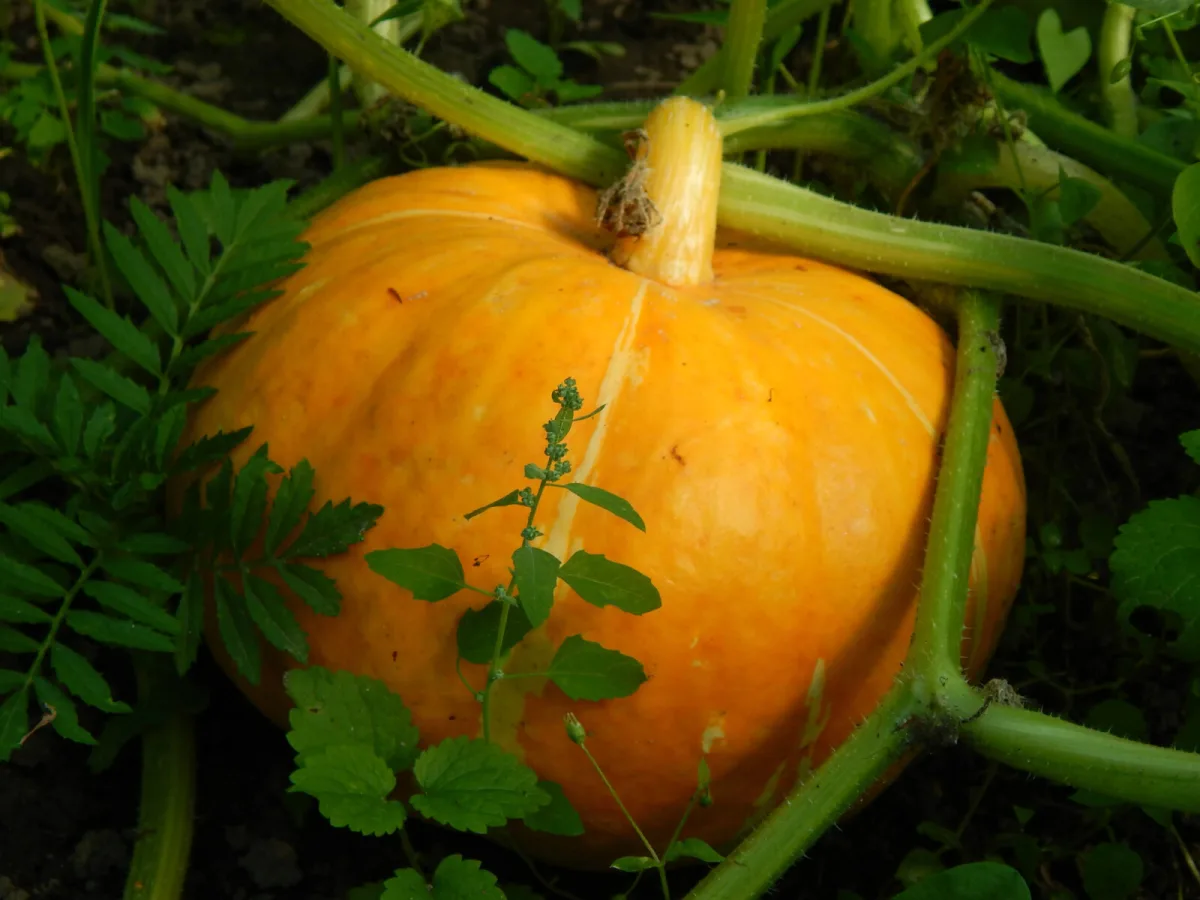
For most people, pumpkin is the quintessential autumn vegetable. It goes into soups, gets roasted in savoury dishes, turned into purées and sides, and it rarely occurs to anyone that it could belong in the same category as fruit. Yet that’s exactly where a common misunderstanding begins. From a botanical point of view, pumpkin is a fruit, even though in everyday life and in the kitchen it behaves more like a vegetable.
The reason is simple. Botanists don’t distinguish fruit and vegetables by flavour or by whether they pair well with meat or belong in a pie. What matters is which part of the plant the edible part develops from. If it forms from a flower and contains seeds, it is fruit. And that is precisely what pumpkin does.
Why pumpkin is a fruit according to science
A pumpkin develops from the plant’s flower and carries seeds inside. Those are the two main features that place it botanically among fruits. Vegetables, by contrast, are typically other edible parts of plants, such as the root, leaves, stem or tuber. That’s why, for example, a carrot is a vegetable, while a pumpkin is not.
The same principle applies to other crops people commonly mix up. Botanically, cucumber, tomato and aubergine are fruits as well. In the kitchen, however, we mostly use them in savoury dishes, so we automatically think of them as vegetables. Pumpkin is one of the best examples of how practical, culinary labels can differ from scientific ones.
Pumpkin belongs to the same family as watermelon and courgette
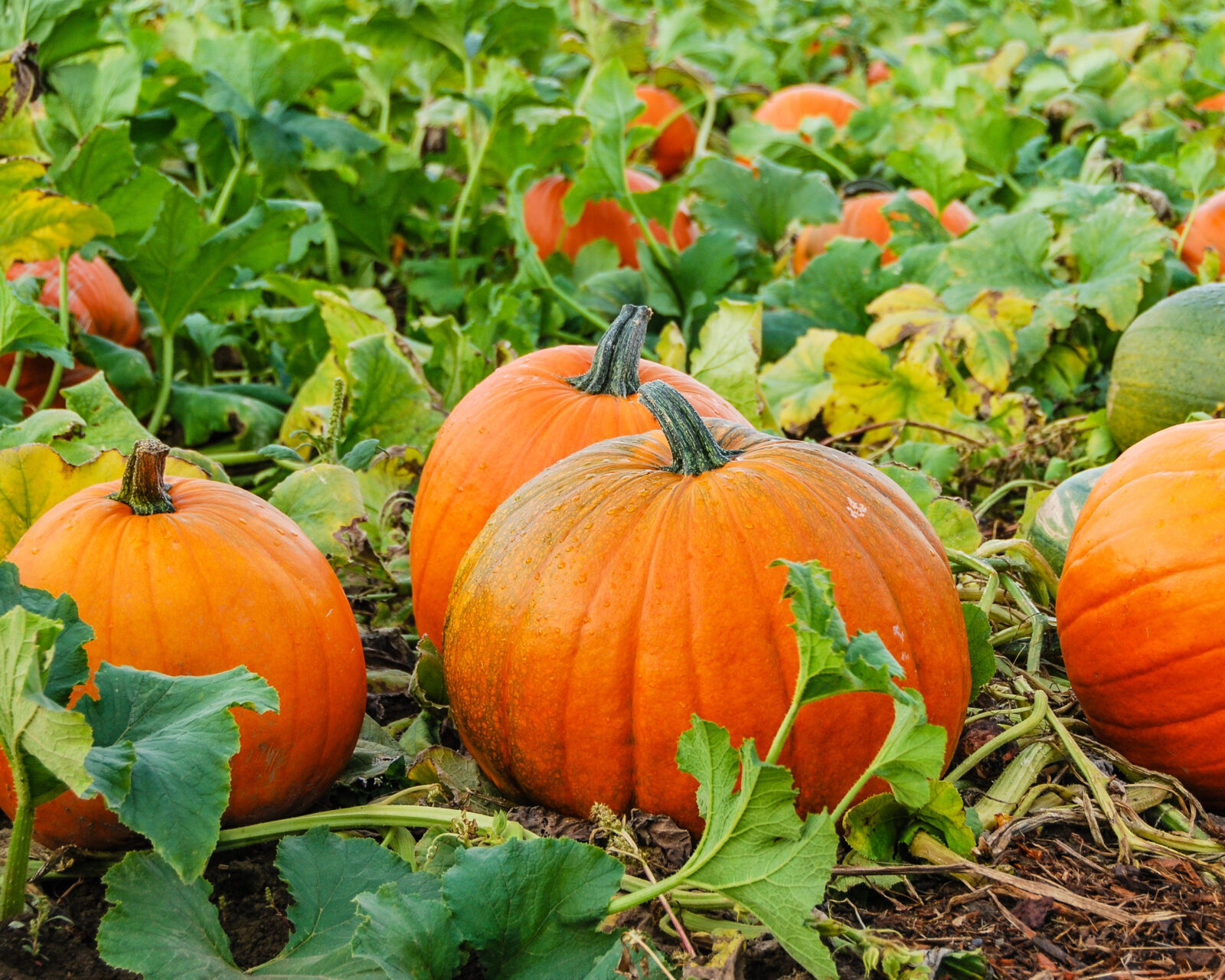
Pumpkin belongs to the cucurbit family, which also includes courgettes and watermelons. That relationship may surprise some people, but from a botanical perspective it makes perfect sense. All of these plants form their fruits from flowers and carry seeds inside. That’s why, scientifically speaking, they are very much in the fruit camp.
Pumpkin has also been known since antiquity. Even then, people noticed how easy it is to digest and how broadly it can be used. In Europe, its popularity spread significantly in later centuries, and today it is inseparably associated with autumn. Beyond the kitchen, it’s used as decoration too, which only strengthens its appeal.
It’s not just about looks, pumpkin is also highly nutritious
Pumpkin isn’t popular only because it’s versatile and tasty. It’s also valued for its nutritional profile. Its orange flesh contains a high amount of beta-carotene, an antioxidant associated with supporting vision, protecting cells and overall wellbeing. Beta-carotene is also what gives many varieties their rich, deep colour.
In addition, pumpkin contains vitamin A and B vitamins. It also provides important minerals, especially potassium, magnesium, iron, phosphorus and calcium. That makes it an ingredient that absolutely deserves a place in your diet and can pleasantly brighten up autumn and winter meals.
In the kitchen it can do far more than most people realise
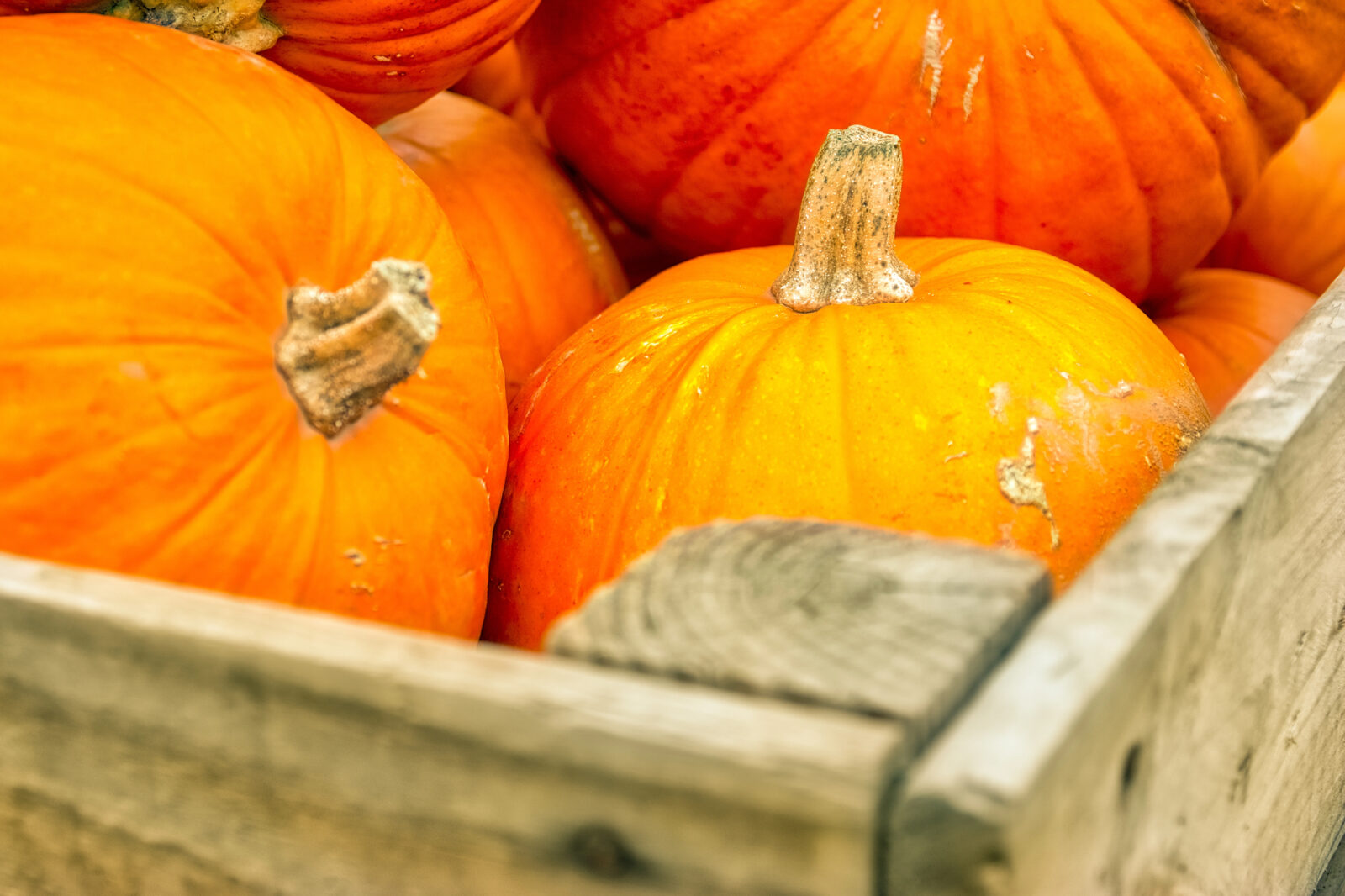
Although pumpkin is botanically a fruit, its uses are remarkably broad. It works beautifully in creamy soups, roasted mixes, mash and side dishes. It also performs very well in sweet recipes. You can add it to pancakes, cakes or even baking doughs, where it contributes moisture and a gentle flavour. Some people also use it when making dumplings or various vegetable fritters.
Pumpkin is a perfect example of how kitchen practice and botanical rules are not the same thing. On the plate it’s often treated as a vegetable, but by science it is unequivocally a fruit.
So the answer is clear
If someone asks whether pumpkin is a fruit or a vegetable, the correct answer depends on your point of view. In the kitchen, most people will class it as a vegetable without hesitation. Botanically, however, it’s correct to call it a fruit, because it develops from a flower and contains seeds. And that is exactly why so many people regularly get this question wrong.
Source: Bydlíš, Jídlo, Pestrazahrada.cz

A lover of nature, gardens, and everything that moves, blooms, or grows. He literally grows everything, from herbs to rare species, and he enjoys caring for animals just as much. In his work, he connects modern technology with tried-and-tested grandmotherly methods and is happy when both paths lead to the same goal.
Related articles
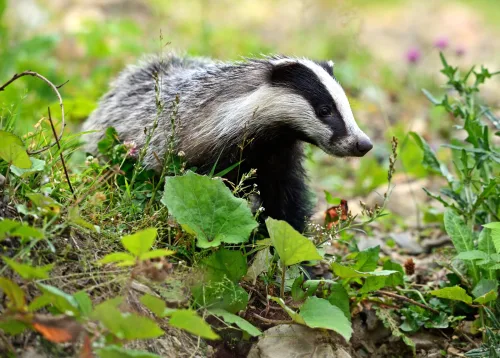
The Most Unusual Garden Visitor Isn’t Always the Biggest One
A garden can become a surprising meeting place between people and wildlife. Sometimes the most unusual visitor is a quiet, elusive animal you may not notice for years.

You Can’t Do Everything on Your Own Garden Four Situations Where Simple Neglect Becomes a Costly Mistake
A garden may feel like a private world, but it still comes with legal responsibilities. Neglected weeds, burning green waste, invasive plants, or unmanaged boundary trees can all lead to complaints and hefty fines.
Ten smart companion plants for peppers that naturally boost healthy growth and higher yields
Sweet or hot peppers thrive with the right neighbours. Companion planting can reduce pest pressure, support healthier growth, and often deliver a heavier harvest—without relying on unnecessary chemicals.
Comments (0)
Be the first to comment.