
 English
  Polski
  Deutsch
  Nederlands
  Svenska
  Norsk
Norsk  Dansk
Dansk  Français
  Italiano
  Español
  Português
  Slovenčina
  Suomi
Suomi  Gaeilge
 Pruning Fruit Trees Without Mistakes
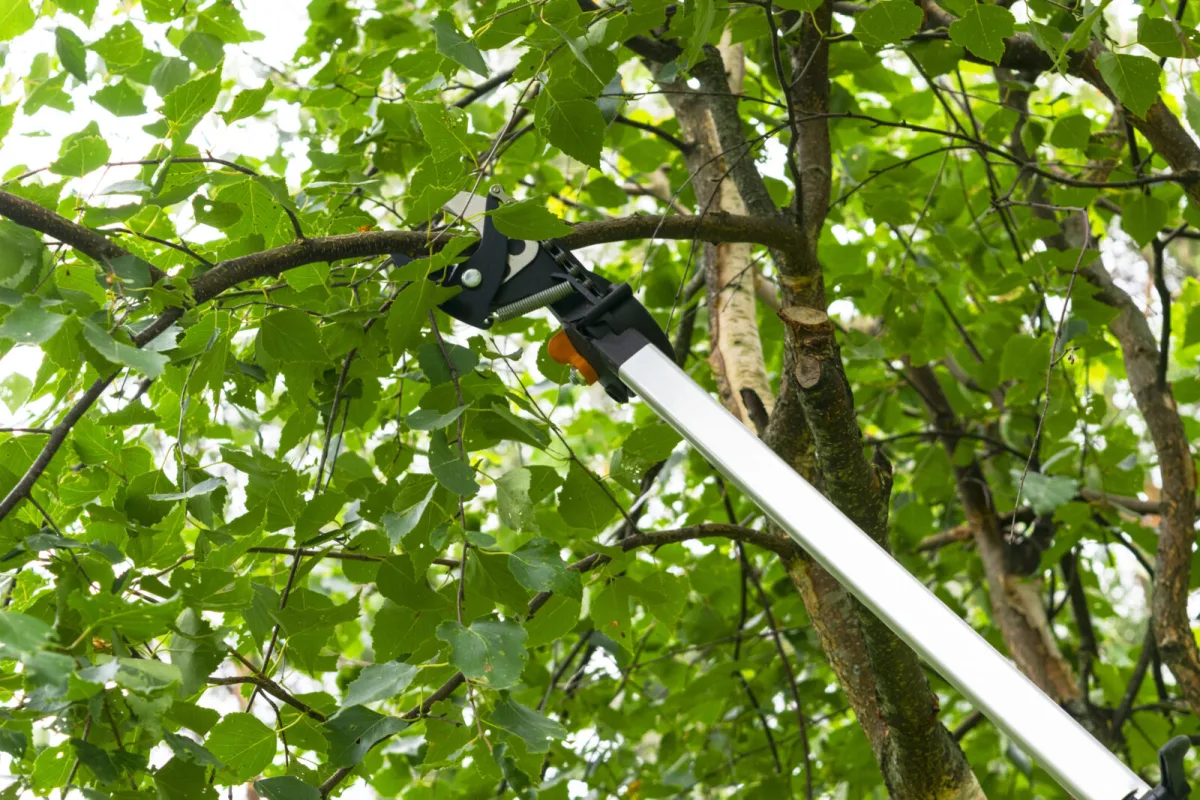
Pruning fruit trees determines what the tree will look like, how it grows, and, most importantly, what crop it will produce. Many gardeners treat pruning too simply, seeing it only as a quick removal of surplus branches. In reality, every cut has a long-term effect on the crown structure, fruit set, and the tree’s overall health. A poorly executed prune can become a mistake the tree carries for years; in extreme cases, it can even lead to gradual dieback.
Before you pick up the secateurs, it helps to know what kind of tree you’re working with. One set of rules suits apples and pears, another cherries or plums. The tree’s age, the cultivar, and the rootstock also matter. Without this information, it’s easy to choose the wrong timing or an overly heavy-handed approach.
Timing decides success
One of the most common mistakes is trying to prune all trees at the same time, typically in winter. Some species cope well with this, but others can be seriously harmed. For pome fruits, mainly apples and pears, winter pruning is usually tolerated well, but only when there are no hard frosts. If temperatures drop well below freezing, wounds heal more slowly and the tree is stressed unnecessarily.
Stone fruits are different. Cherries, sour cherries, and plums should not be pruned in winter, because wounds can frost-damage and the tree is more prone to gummosis. This shows as sap oozing out, which then hardens into sticky droplets on the surface and can be a sign of stress as well as an entry point for infections.
For stone fruits, a safer option is summer pruning, most often after harvest. A summer date also works well for species that “bleed” heavily in spring, such as birches and maples, and caution pays off with horse chestnuts and walnuts too, which can also have a tendency toward gummosis.
How to prune correctly so you don’t ruin the tree
Technique matters just as much as timing. Cuts should be made so the tree is guided on where to continue growing. In practice, this means shortening shoots back to a well-placed bud and thinking about the direction the new shoot should point. On scaffold branches, a more horizontal angle often helps, because such branches tend to be less vigorous in extension growth and more likely to develop fruiting spurs.
A major risk is pruning too hard, especially on trees that have been neglected for years. Such a tree has adapted to its growth habit, and suddenly shortening a large part of the crown can weaken it. Instead of a one-off drastic prune, it’s wiser to spread the work over several seasons so the tree has time to respond and close wounds without shock.
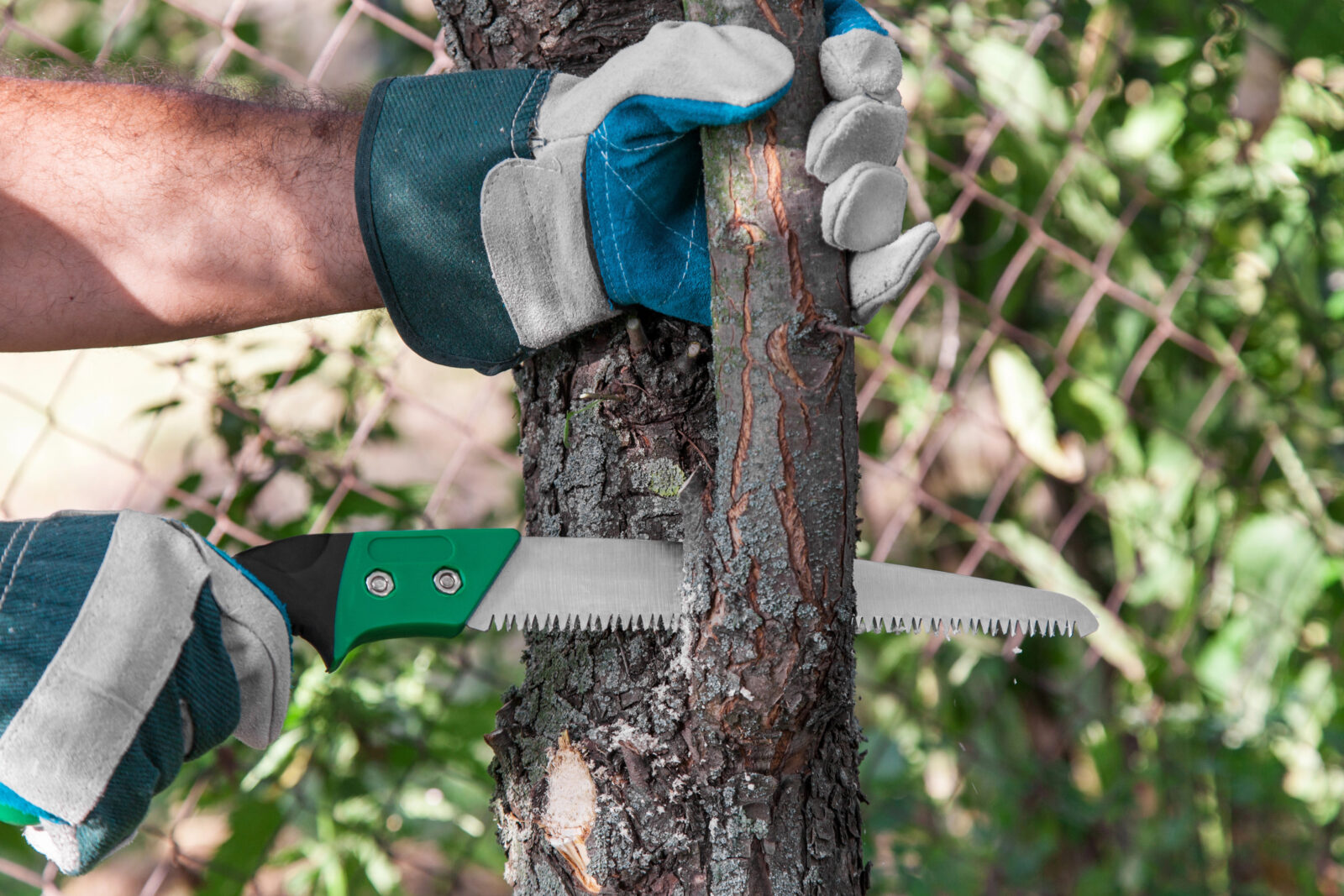
The quality of the cut is just as important. Ragged or crushed wood heals more slowly, and diseases and pests can enter far more easily. A clean, smooth cut is therefore the basis of prevention. If your tool doesn’t cut well, it’s better to sharpen it or replace it first than to damage the tree.
Tools and working safely
Good equipment makes a difference not only to the result, but also to safety. Sharp secateurs are suitable for thinner branches, and a hand saw for thicker wood. When pruning at height, a stable orchard ladder (or a platform) is a big help, and sturdy gloves should be a given, protecting your hands when handling branches and tools.
Safety is crucial, especially when you’re working off the ground. An unstable ladder, uneven terrain, or a slippery surface are common causes of accidents. If you’re not sure you can do the job safely, it’s better to bring in someone experienced. For larger trees, electric or battery-powered pruning saws can help, including versions designed to reach into the crown, but even with these, control of the tool and a stable stance matter more than speed.
Pruning by the tree’s age training maintenance rejuvenation
A young tree needs a different approach than a mature specimen. With young trees, you carry out training pruning to create a strong, well-structured crown. Getting the framework right in the first years makes later care much easier and supports regular cropping.
Mature, healthy trees usually need maintenance pruning. This involves removing damaged, diseased, or frost-injured branches and thinning the crown so light and air can reach the interior. Fruit then ripens better and the risk of fungal diseases is reduced. Maintenance pruning is often done once every few years, depending on the tree’s condition and growth.
Neglected, poorly fruiting trees may require rejuvenation pruning, aimed at restoring vigour. This is also where the biggest mistake can happen, because overly aggressive rejuvenation can weaken a tree so much that it never fully recovers. A gentler approach spread over time is usually safer, with more consistent results.
When it’s better to postpone pruning
Pruning is not suitable during frosts or right before them. In cold weather, wounds heal slowly, wood can be damaged, and the tree is more susceptible to infection. Late autumn is also a poor time, when the tree is preparing for winter dormancy. If you stimulate it with pruning then, it may produce new shoots that won’t have time to harden off and will easily be frost-damaged.
How to avoid a mistake that costs the tree years
The safest route is always a combination of correct timing, a sensible extent of cutting, and clean technique. Think through every cut, work with sharp tools, and respect differences between species. If you’re unsure, a consultation with a specialist or an experienced orchardist can save years of trouble. A tree pruned with good judgement will reward you with healthy growth, a well-shaped crown, and a steady crop for many years.
Source: BBC Gardener’s World, Ovostromky, SDSU, Pestrazahrada.cz

A lover of nature, gardens, and everything that moves, blooms, or grows. He literally grows everything, from herbs to rare species, and he enjoys caring for animals just as much. In his work, he connects modern technology with tried-and-tested grandmotherly methods and is happy when both paths lead to the same goal.
Related articles
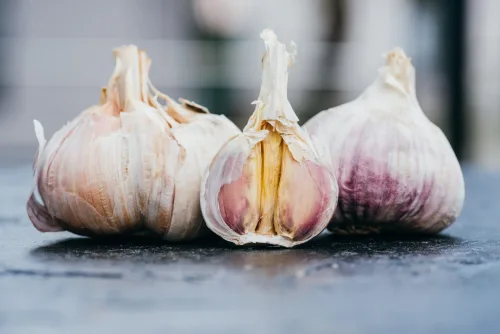
How to Safely Tell Czech and Chinese Garlic Apart in the Shop by Taste, Appearance and Quality
Czech and Chinese garlic can look similar at first glance, but they differ noticeably in flavour, aroma, bulb structure and keeping quality. Learn the quick visual and kitchen tests that help you choose the better bulb with confidence.
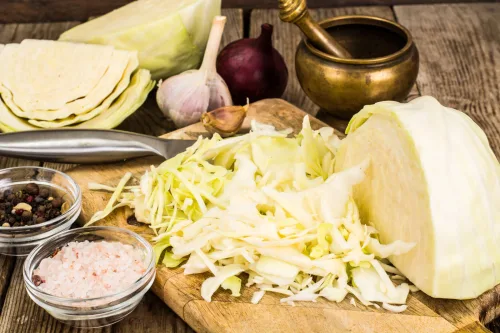
Three Mistakes When Packing Cabbage into a Crock That Can Turn Your Winter Stores into Waste
Traditional crock-fermented sauerkraut keeps for months and stays wonderfully crisp—if you avoid a few common missteps. Here are the three mistakes that most often lead to soft, grey, foul-smelling cabbage and how to prevent them.

One Rat in the Garden Can Quickly Turn Into a Colony How to Prevent It Without Chemicals
A rat on your property is a warning sign that your garden is offering food and shelter. With a few practical, chemical-free changes, you can make the area far less attractive and stop a bigger infestation taking hold.
Comments (0)
Be the first to comment.