
 English
  Polski
  Deutsch
  Nederlands
  Svenska
  Norsk
Norsk  Dansk
Dansk  Français
  Italiano
  Español
  Português
  Slovenčina
  Suomi
Suomi  Gaeilge
 Proven ways to drive moles out of the garden permanently without chemicals

A mole can make life pretty miserable for gardeners, often because new molehills appear almost overnight. Its presence is easy to spot by the little piles of soil on the lawn or in beds. Although it’s sometimes labelled a pest, in reality it usually doesn’t eat plant roots. The problem is that it builds an extensive network of tunnels, and while digging it can damage young plants, disturb root balls and spoil a level lawn surface.
Before you reach for drastic measures, it’s worth trying gentler solutions. Many methods don’t kill the mole; they simply encourage it to look for a quieter place where it won’t be bothered by noise, vibration or an unpleasant smell.
Physical deterrents using sound and vibration
Moles are very sensitive to ground tremors and disturbing noises. You can use this trait quite easily without any special products. The more regular and irritating the source of vibration is, the faster they’ll pull back from that part of the garden.
Pinwheels, wind chimes and a tin can on a stake
Garden pinwheels, hanging bells or other items that make noise in the wind can work well. A very cheap option is to push a sturdy stake into the ground and fit an empty drinks can on top. When the wind picks up, the can rattles and transfers vibrations into the soil. To a mole, that’s a sign the area isn’t safe or calm, and it will start moving elsewhere.
Bottles and using airflow in tunnels
Another option is to use plastic bottles filled with water. In practice, they’re placed into mole tunnels so that airflow and movement in the cavity create an unpleasant trembling effect. It’s not a single guaranteed fix, but in many gardens this kind of disturbance works surprisingly well, especially when combined with other methods.
Fine mesh as a mechanical barrier
If you want a long-term solution and you’re able to do some groundwork, there’s also the option of installing fine wire mesh sunk into the soil. This makes it difficult or impossible for a mole to continue digging in the protected part of the garden. It’s more labour-intensive, but with correct installation it’s an effective preventative measure, for example under a lawn or in areas where you want real certainty.
Natural deterrence using scents
Moles dislike certain strong smells. That’s why it can pay to use natural scent deterrents that are gentle on the garden and its surroundings. Often it’s enough to create a scent trail the mole reads as foreign and unpleasant.
Plants that moles don’t like
Planting strongly scented plants can help. Common recommendations include daffodils, marigolds, garlic, onions, elder, crown imperial (fritillary) or currants. Their fragrance and natural compounds in the soil can discourage a mole from settling in that zone long term.
Cloths with oils and even pet hair
You can place cloths dabbed with fragrant oils, typically lavender, into molehills or open tunnel entrances. Some people also swear by adding hair brushed from a dog or cat, because the mole may read a predator scent as a risk. This combination often speeds up its decision to move away from your garden.
Homemade mixes and ingredients that make moles leave
Besides vibration and plant scents, there are other home remedies applied directly into holes or tunnels. The key is to proceed carefully, avoid blocking the tunnels too aggressively, and repeat methods as needed, because the mole may create new entrances a little further away.
A whey and buttermilk cocktail
One traditional recipe is a mixture of whey and buttermilk. Make it by mixing two parts whey with one part buttermilk and letting it ferment for about three to four days. Then pour roughly one cup into each opening. The smell that develops is often unpleasant enough that the mole starts looking for a different territory.
Pickle brine
Surprisingly effective can be cucumber pickle brine. Pour it directly into the holes, or soak rags in it and place them into tunnel entrances. The odour that lingers in the tunnels is strongly disruptive for moles and often persuades them to leave the area.
Citrus peels and fish scraps
You can also try adding citrus peels to molehills. They break down gradually in the soil while releasing a scent that moles usually dislike. A stronger option is raw fish heads or offal placed into the openings. It’s often said that salted scraps work well too, because the intense smell lingers longer in the tunnels.
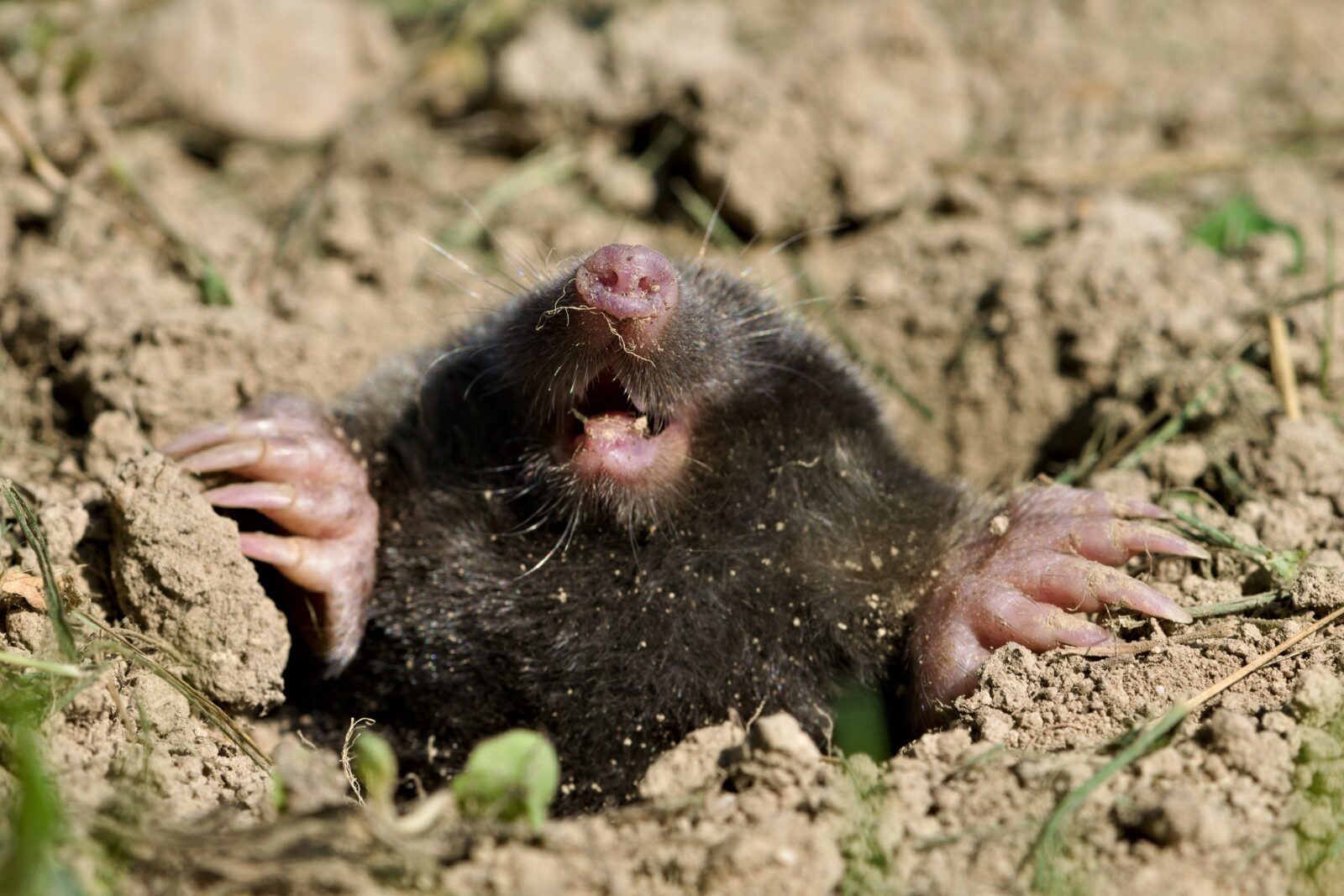
Castor oil and scent deterrents without damaging the garden
Although a mole has weak eyesight and its sense of smell isn’t considered exceptionally developed, it still reacts sensitively to unfamiliar, unpleasant odours. Castor oil has a strong aroma that can deter moles effectively, and it’s often described as gentle on plants and soil.
You can use ready-made products containing castor oil, or drip the oil onto a cloth and place it into mole tunnels. Check the situation after a few days and repeat the application as needed.
Predator scent as a signal to retreat
Some gardeners also report good results from using cat or dog droppings. A small amount is placed into tunnel openings, where it’s meant to act as a warning scent. Not everyone finds this method pleasant, but in practice it can work precisely because the mole doesn’t want to share space with a potential enemy.
How to stop moles coming back
The most effective approach is usually a combination of methods. If you rely on only one technique, the mole will sometimes create new tunnels a few metres away. But if you disturb the soil with vibration while also adding scent deterrents in key spots, the pressure to move on is much stronger. Choose an approach that suits you and give it time, because moles often leave gradually and test out quieter parts of the ground.
Source: To je nápad, Gardening Know How, Pestrazahrada.cz

A lover of nature, gardens, and everything that moves, blooms, or grows. He literally grows everything, from herbs to rare species, and he enjoys caring for animals just as much. In his work, he connects modern technology with tried-and-tested grandmotherly methods and is happy when both paths lead to the same goal.
Related articles
How to Safely Tell Czech and Chinese Garlic Apart in the Shop by Taste, Appearance and Quality
Czech and Chinese garlic can look similar at first glance, but they differ noticeably in flavour, aroma, bulb structure and keeping quality. Learn the quick visual and kitchen tests that help you choose the better bulb with confidence.

Three Mistakes When Packing Cabbage into a Crock That Can Turn Your Winter Stores into Waste
Traditional crock-fermented sauerkraut keeps for months and stays wonderfully crisp—if you avoid a few common missteps. Here are the three mistakes that most often lead to soft, grey, foul-smelling cabbage and how to prevent them.
One Rat in the Garden Can Quickly Turn Into a Colony How to Prevent It Without Chemicals
A rat on your property is a warning sign that your garden is offering food and shelter. With a few practical, chemical-free changes, you can make the area far less attractive and stop a bigger infestation taking hold.
Comments (0)
Be the first to comment.