
 English
  Polski
  Deutsch
  Nederlands
  Svenska
  Norsk
Norsk  Dansk
Dansk  Français
  Italiano
  Español
  Português
  Slovenčina
  Suomi
Suomi  Gaeilge
 Orchids Covered in Blooms With One Simple Chemical Free Home Trick
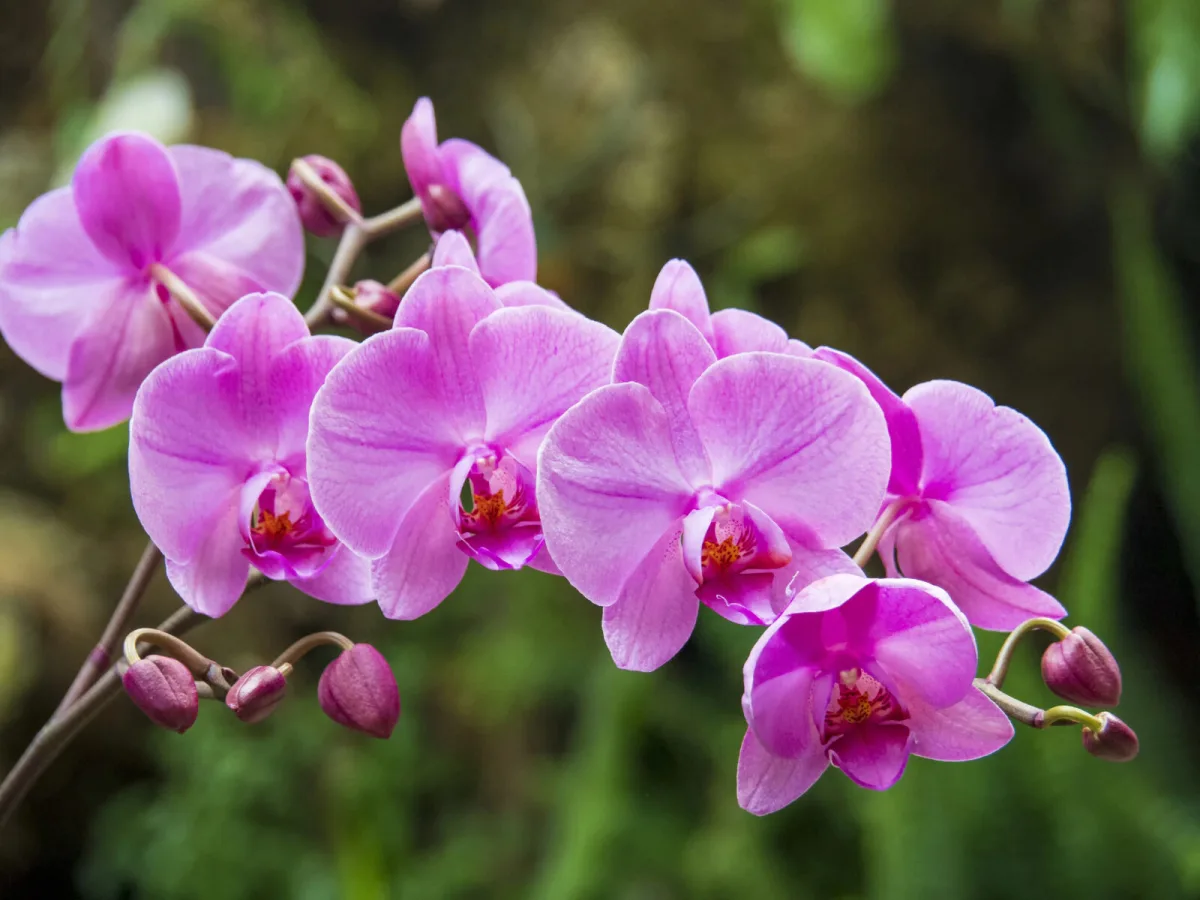
Many growers feel that if they reach for a fertiliser made specifically for orchids, flowering will automatically improve. In practice, the opposite often happens. The plant may grow, put out leaves, sometimes even new roots, but there are few flowers—or none at all. It’s easy to come away thinking the money spent on products was wasted.
One experienced florist shared a method that uses no shop-bought fertilisers at all, yet still produces orchids with genuinely abundant blooms. The basis is a simple homemade infusion made from an everyday ingredient and applied carefully so it won’t damage the roots.
Homemade garlic feed to encourage flowering
The aim of a garlic infusion is to give the plant a gentle boost while also making use of garlic’s properties, which growers have traditionally associated with a cleaner environment around the roots. The key is to keep the concentration mild and not overdo how often you use it.
How to prepare the solution
Get a 3-litre glass container and pour in warm water that has been boiled beforehand and then cooled to pleasantly lukewarm. Then take one clove of garlic, either press it or finely grate it, and add it to the water. Leave the mixture to infuse for about three hours.
After infusing, strain the solution through cheesecloth or a very fine sieve so no pieces of garlic remain. Then apply the prepared liquid to the orchid’s roots, not to the leaves.
What to watch out for so the roots don’t burn
The crucial warning is: the day before feeding, water the orchid normally with clean, room-temperature water. That way the roots won’t be dry and overly sensitive, and the risk of damage is significantly reduced. Never pour the solution onto completely dry potting mix, and don’t use cold water.
Five rules you can’t skip if you want blooms
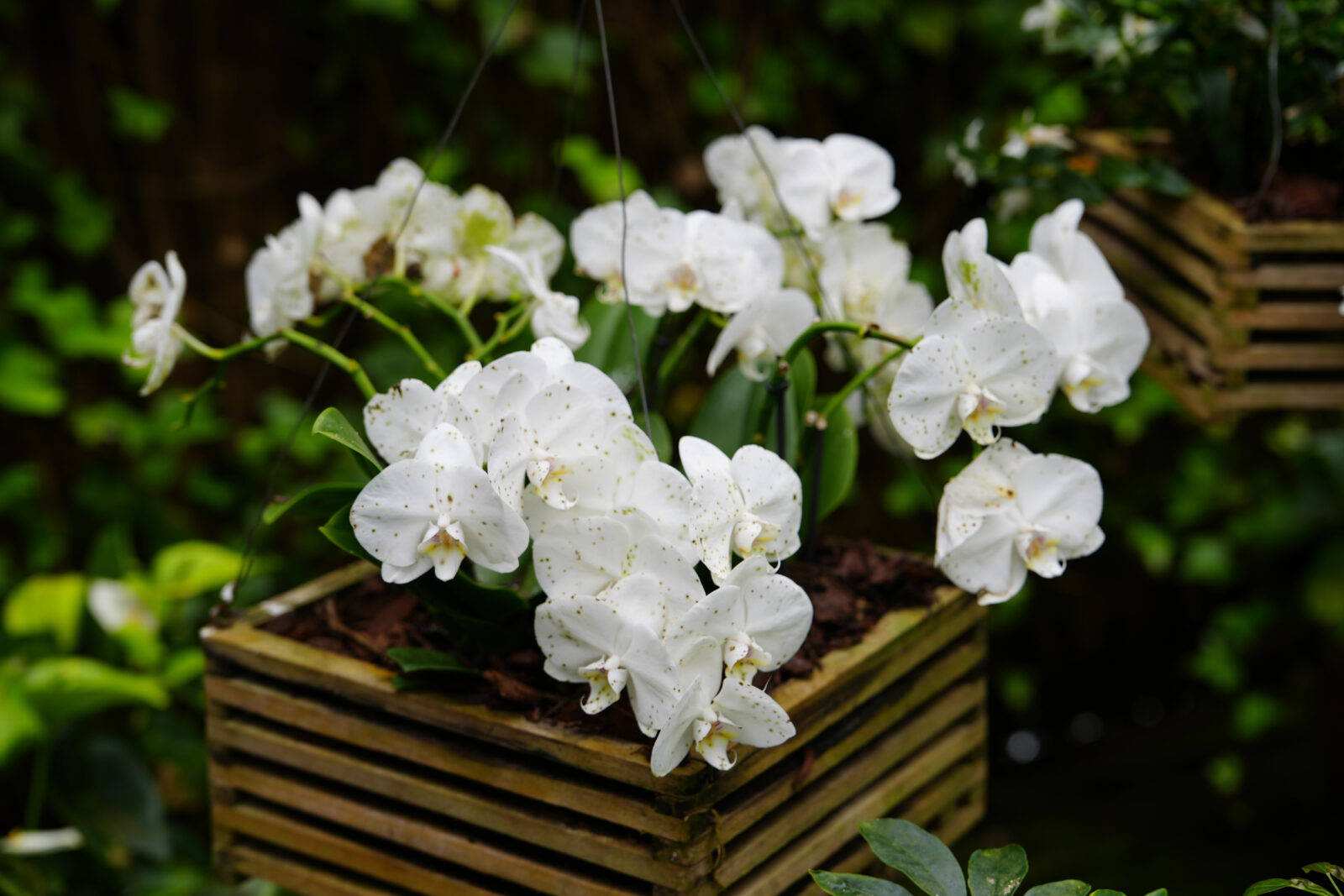
Even the best homemade feed will only have a limited effect if your orchid doesn’t have the right conditions. Flowering is influenced mainly by light, watering routine, correct repotting, temperature differences, and careful trimming of flower spikes.
Bright light without harsh direct sun
Orchids like plenty of light, but direct sun can scorch the leaves and weaken the plant over time. They usually do best near east- or west-facing windows, where the light is bright but gentler.
Water once a week and never leave it sitting in water
A common recommendation is to water roughly once a week using the soak method: place the pot in room-temperature water for a short time and then let it drain completely. An alternative is to rinse with a gentle stream, again using water that isn’t cold. In all cases, any excess water must not remain at the bottom around the roots or in the leaf crown, as that increases the risk of rot.
Repot about once every two years
Orchids are typically repotted after around two years, when the potting medium has broken down and holds moisture in an unsuitable way. When repotting, work very carefully—roots snap easily. After removing the plant from the pot, check the root system and remove any dry, soft, or damaged parts. Treat cuts with a disinfectant or crushed charcoal, and set the plant into fresh orchid mix so it’s supported but not smothered.
After repotting, it’s a good idea not to water for a few days so minor root injuries can dry and seal, reducing the risk of infection.
Temperatures and the day–night difference
Temperature routine is essential for initiating buds. Many orchids prefer slightly cooler rooms where the night temperature doesn’t rise above about 15 to 18 °C. Even more important than the exact number is the difference between day and night. If the temperature drops by at least 4 to 5 °C at night, the plant often responds by forming a flower spike.
Trim flower spikes with a light touch
New growth can form both from the main part and from dormant nodes on an existing spike. It makes sense to remove spikes that are completely dry, but with partially green ones it’s recommended to leave a section above a node so the plant has a chance to reshoot. Always make cuts with a clean tool so you don’t introduce infection into the tissues.
How to get the most from this home trick
Garlic infusion can be an interesting support, but it works best as an add-on to proper care. When an orchid gets bright, filtered light, regular but restrained watering, fresh medium and, above all, cooler nights, the reward is often more buds and longer flowering. Consistency and patience make a bigger difference with orchids than heavy doses of fertiliser.
Source: RHS, The Spruce, To je nápad, Pestrazahrada.cz

A lover of nature, gardens, and everything that moves, blooms, or grows. He literally grows everything, from herbs to rare species, and he enjoys caring for animals just as much. In his work, he connects modern technology with tried-and-tested grandmotherly methods and is happy when both paths lead to the same goal.
Related articles
Indoor Bonsai Dies from a Mistake People Think Is Care
Indoor bonsai can thrive for years, but only if you balance light, watering, humidity and pruning. The most common “well-meant” mistake is poor watering practice and drainage, which often shows up only when it’s already too late.
Autumn strawberry care takes an hour and you will be rewarded with plants laden with fruit with just three steps
After fruiting, strawberries benefit from a few timely autumn jobs that help them winter well and bounce back strongly in spring. A simple trim, the right feed, and a protective mulch can mean bigger, tastier berries next season.
Christmas cactus will bloom again even after years if you avoid one common mistake
A Christmas cactus can look perfectly healthy yet refuse to flower for years. With the right light, temperature, watering, and a gentle boost, it can set buds again and bloom reliably.
Comments (0)
Be the first to comment.