
 English
  Polski
  Deutsch
  Nederlands
  Svenska
  Norsk
Norsk  Dansk
Dansk  Français
  Italiano
  Español
  Português
  Slovenčina
  Suomi
Suomi  Gaeilge
 Now Is the Right Time to Feed Pumpkins with Nettle Tea for a Superb Harvest
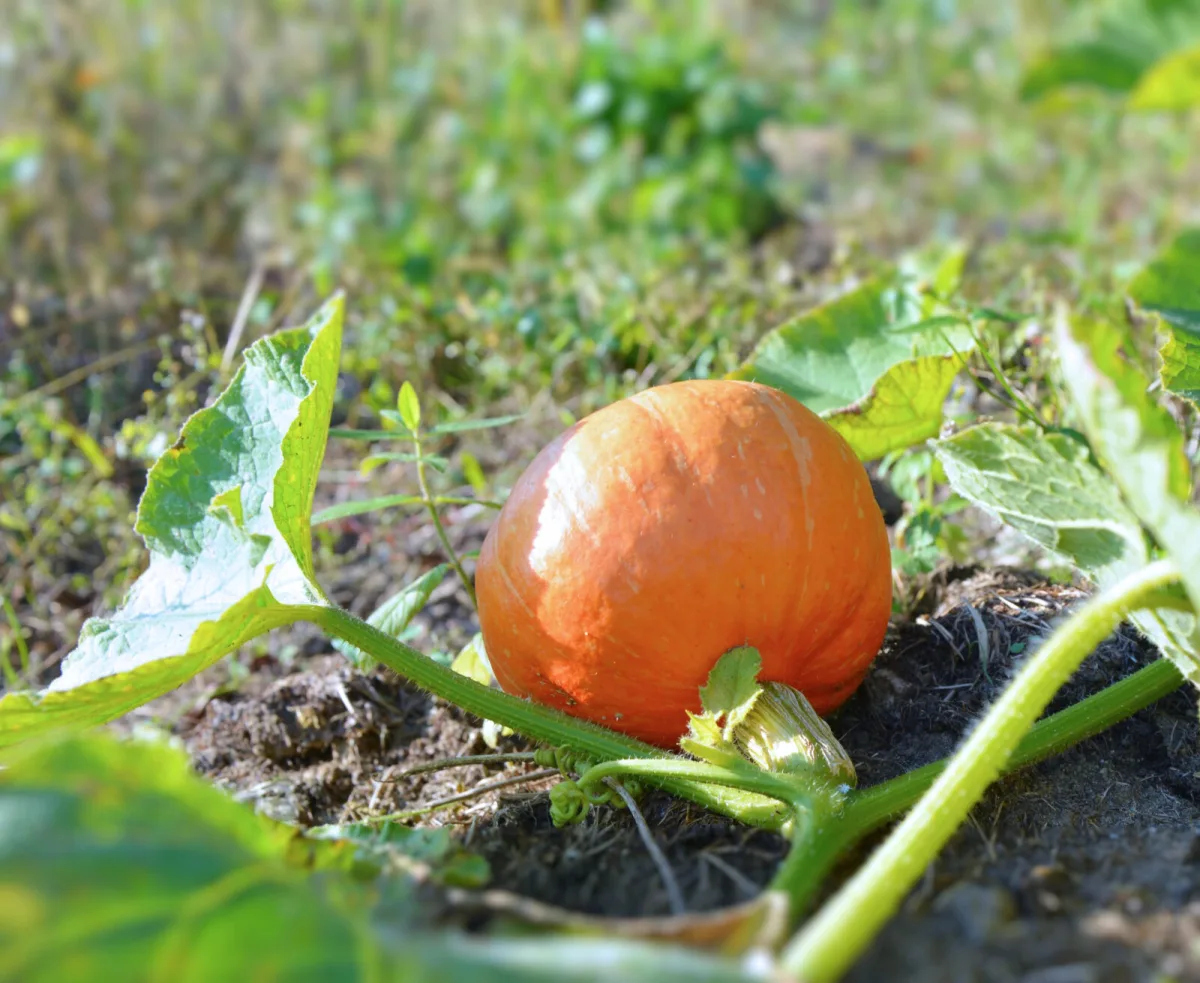
Pumpkins are among the plants that can grow quickly, produce a lot of leafy growth, and later set large fruits. All of that, however, takes a great deal of nutrients. When the soil is lacking, the plant may survive, but the fruits are smaller, ripening slows down, and pumpkins are more prone to stress from heat, drought, and sudden weather swings. That’s exactly why, during periods of vigorous growth, it pays not to neglect feeding.
If you’d rather not reach for commercial products, there’s a simple solution made from something that often grows behind the fence as an unwanted weed. Stinging nettle is literally a storehouse of substances that benefit pumpkins, and once fermented it turns into an effective liquid fertiliser.
Nettle tea as a homemade boost for pumpkins
Fermented nettle feed is valued mainly for its nitrogen content, which supports growth and vigour. It also contains other minerals that help keep foliage in good condition and strengthen overall plant health. The result is usually a sturdier, more resilient plant that copes better with the demands of the season.
When pumpkins receive a sensible dose of nettle tea regularly, they generally look sturdier, carry richer foliage, and handle unfavourable conditions more easily.
How to make nettle fertiliser step by step
Start by harvesting fresh nettles, ideally before they flower, when they’re typically at their most nutrient-dense. Chop or snip the plants into smaller pieces and put them into a container with enough room for the mixture to work. Then cover everything with water so the nettles are completely submerged.
It’s best to cover the container with a breathable material. The aim is to allow fermentation while limiting insect access. Leave the mixture to stand for about two weeks. During this time fermentation takes place and nutrients gradually release into the liquid. Expect a strong smell, so it’s sensible to place the container well away from the house, patio, or areas where you often sit.
Once the mixture stops foaming, it’s usually ready. You can strain the liquid, but it’s not necessary if you don’t mind bits of plant material in your watering can. One thing matters most: always dilute before use, so the fertiliser isn’t too strong for the roots.
Dilution and application so pumpkins don’t suffer from excess
The safest approach is to stick to the tried-and-tested dilution ratio of 1 part ferment to 10 parts water. This diluted mix supplies nutrients without scorching roots or causing unnecessary shock. Apply the feed to the root zone, not the leaves, and ideally when the sun isn’t harsh—early morning or evening.
During the growing season, feeding about once every two weeks works well. If plants are weak or the soil is poor, consistency can be crucial, but it’s still better to give a gentler dose repeatedly than to overfeed in one go.
Which plants nettle tea isn’t suitable for
Although it’s a versatile helper, it doesn’t suit every crop. It’s generally not recommended for certain plants that react poorly to this type of feeding—typically legumes or garlic, for example. Pumpkins and other fruiting vegetables, on the other hand, usually tolerate it very well and can make the most of it.
What it does for pumpkins and why it’s a gentler choice
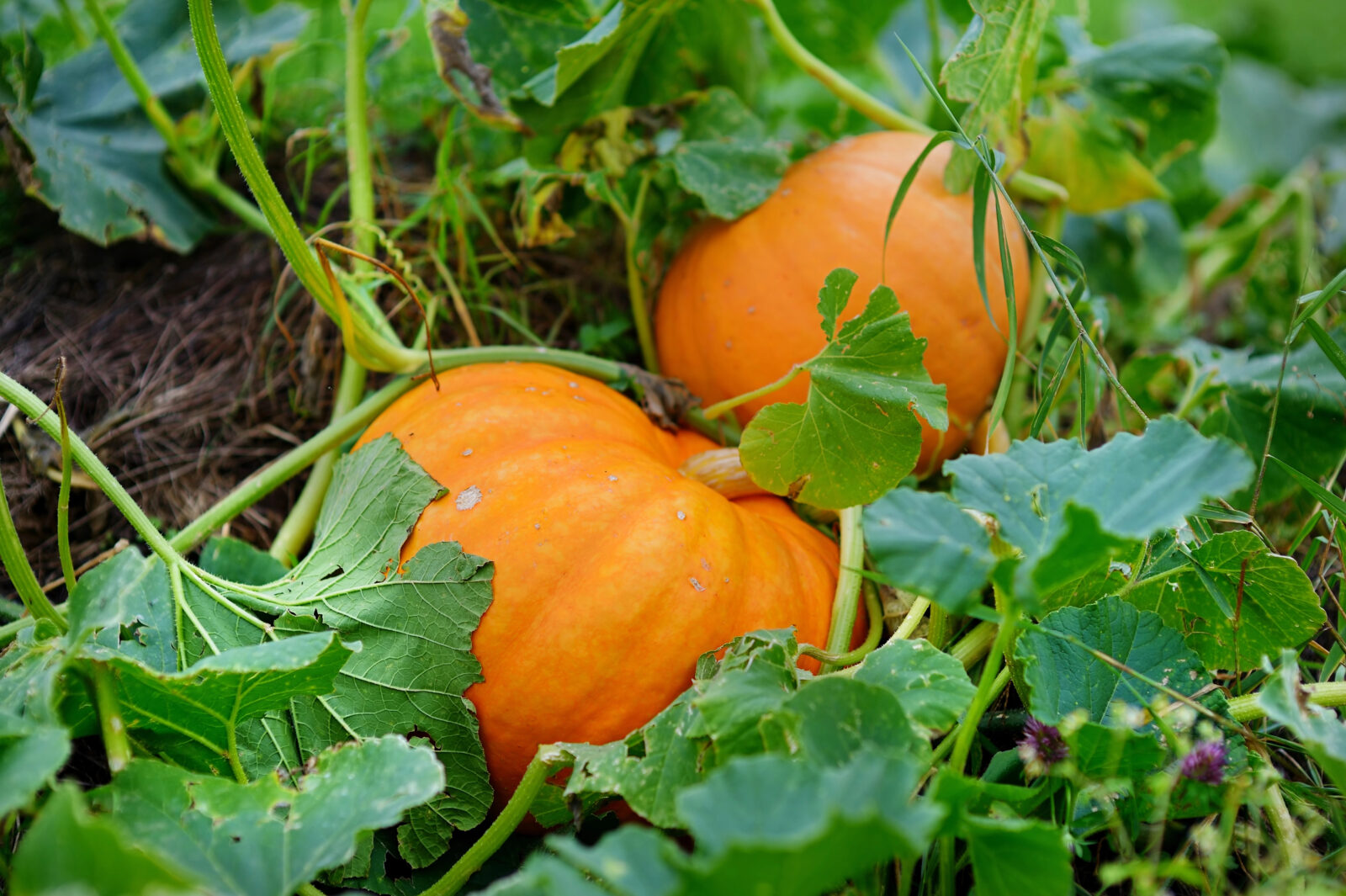
The main benefit is fast-available nutrition in a natural form. A strong plant usually resists pests and diseases better and copes more easily with dry spells or cooler nights. For many growers, it also matters that this is a chemical-free option that doesn’t burden the soil or groundwater.
You can also use nettle tea on other crops with similar nutrient demands, such as tomatoes, peppers, cucumbers, or courgettes. Still, correct dilution and sensible frequency are always the deciding factors.
Autumn soil work after harvesting pumpkins
Care doesn’t end with the last fruit. After harvest, it’s worth loosening the soil and replenishing what pumpkins depleted over the season. Autumn is the time you can do a lot for next year, because nutrients have time to be worked in and the soil can settle and stabilise over winter.
Nettle tea can also be used for a final feed of the bed, or you can pair it with compost or well-rotted manure, which help improve soil structure and its ability to hold water. Healthy soil is the foundation, and regular use of organic materials keeps beds in good condition long term.
A practical recap for a generous harvest
If you want to give pumpkins natural, effective nutrition, nettle tea is a simple choice that costs next to nothing. All you need to do is gather nettles, let them ferment, dilute the feed correctly, and apply it regularly at the roots. The reward is more vigorous plants and fruits that have a better chance of reaching a good size without chemical interventions.
Source: NDR, Mud and Bloom, Pestrazahrada.cz

A lover of nature, gardens, and everything that moves, blooms, or grows. He literally grows everything, from herbs to rare species, and he enjoys caring for animals just as much. In his work, he connects modern technology with tried-and-tested grandmotherly methods and is happy when both paths lead to the same goal.
Related articles
Autumn strawberry care takes an hour and you will be rewarded with plants laden with fruit with just three steps
After fruiting, strawberries benefit from a few timely autumn jobs that help them winter well and bounce back strongly in spring. A simple trim, the right feed, and a protective mulch can mean bigger, tastier berries next season.
Christmas cactus will bloom again even after years if you avoid one common mistake
A Christmas cactus can look perfectly healthy yet refuse to flower for years. With the right light, temperature, watering, and a gentle boost, it can set buds again and bloom reliably.
Take care with pruners on ornamental grasses Some are best cut back in autumn others in spring
Ornamental grasses bring movement and structure, but not all of them should be left standing until spring. For several warm-season and self-seeding types, an autumn cut-back keeps borders tidier and helps limit spread.
Comments (0)
Be the first to comment.