
 English
  Polski
  Deutsch
  Nederlands
  Svenska
  Norsk
Norsk  Dansk
Dansk  Français
  Italiano
  Español
  Português
  Slovenčina
  Suomi
Suomi  Gaeilge
 May Care for Grapevines for a Bountiful Harvest of Sweet Grapes

May is the season when grapevines really take off. New shoots are pushing, flower clusters are forming, and at the same time the risk of fungal diseases increases because warm days alternate with rain and heavy dews. Right now you can most strongly influence how much energy goes into fruitful shoots and how well the vine is ventilated. The goal isn’t “to do as much as possible,” but to make the right interventions on time, gently and consistently.
Letting light and air into the vine without unnecessary stress
The foundation for sweet grapes is already being written in May by how dense the canopy becomes. An overgrown, confusing “jungle” means humidity trapped inside the vine, slower drying after rain, and a faster onset of powdery mildew or downy mildew. In May, focus on light green work: rubbing out excess shoots and removing shoots that sprout from old wood on the trunk and at the base. These shoots usually don’t fruit and only drain the vine’s strength.
At the same time, watch the spacing between shoots so leaves aren’t needlessly overlapping in multiple layers. When light and air can reach the center of the vine, disease pressure drops and the vine prepares next year’s buds more effectively. Work in dry weather and avoid tearing wounds into large areas, so the vine can heal quickly.
Natural spring protection inspired by biodynamics
In May, it pays to build your plant protection primarily on prevention. Many growers have good results with gentle, natural teas that support vine vitality and resilience. Nettle tea encourages growth and overall condition; horsetail, thanks to its naturally high silica content, helps strengthen tissues and makes it harder for fungi to penetrate. These sprays aren’t a “chemical crutch,” but rather long-term strengthening that makes the most sense when repeated after rain.
A gentle spray should work like a protective shield and support for the plant, not as an aggressive intervention that upsets the balance in the garden.
Propolis fits the same logic, valued for its antimicrobial effects. If you use any products, stick to the recommended dosage and spray when bees aren’t flying. In May it’s also worth thinking about the surrounding ecosystem: grapevines stay healthier when beneficial insects have a home in the garden and when plants for pollinators are blooming between the rows or around the pergola.
Training shoots and managing the vine “crown”
As soon as shoots strengthen, start tying them in and guiding them so they don’t snap in the wind and so the clusters won’t end up in constant shade later. On pergolas and wire trellises, May is a good time for the first round of training: spread shoots evenly, don’t bunch them into one spot, and don’t let them lie on top of each other. A well-trained vine dries faster, is easier to treat, and the grapes ripen more evenly later on.
Part of May care is also sensible crop-load management. Young or weakened vines often can’t support everything they set. If you see multiple flower clusters on one weaker shoot, it’s better to thin some out and direct the vine’s strength into the remaining bunches. The result is often larger berries, better colour, and most importantly higher sugar levels, because the vine isn’t overloaded.
Watering and feeding so the grapes grow, not just leaves
In May, the soil is often still relatively well supplied with water after winter, but in warm, windy weather it can dry out quickly. Grapevines need steady moisture in the root zone, not frequent sprinkling over the leaves. Water less often but deeply, so the water penetrates down. If you mulch, you’ll maintain more even moisture and also reduce swings in soil temperature.
Be cautious with fertiliser. Too much nitrogen turns the vine into a “leaf sprinter”: lots of green growth, but poorer grape quality and greater susceptibility to disease. If you want to feed, choose balanced organic sources and focus on long-term soil improvement. Healthy, living soil is just as important for sweet grapes as sunshine.

Disease checks and timing your actions in May weather
The biggest May threat is the combination of warmth and moisture. Watch the forecast: after heavy rain, during prolonged leaf wetness, or on muggy nights, the risk of powdery mildew and downy mildew increases. It helps to inspect young leaves and the shoot tips, where problems show up first. If you open the canopy in time, tie shoots correctly, and choose gentle prevention, you can often avoid having to “put out a fire” later with harsher products.
What to take from May for a sweeter harvest
May vine care stands on three pillars: air and light in the canopy, a reasonable crop load, and gentle, nature-friendly prevention. If you remove non-fruiting shoots early, space the shoots properly, and support the vine with teas that strengthen its natural defences, you’ll make the biggest step toward a generous harvest. Sweet grapes aren’t an autumn accident, but the sum of many small, correct decisions made right now in May.
Source: Grow Organic, Yard and Garden, Pestrazahrada.cz

A lover of nature, gardens, and everything that moves, blooms, or grows. He literally grows everything, from herbs to rare species, and he enjoys caring for animals just as much. In his work, he connects modern technology with tried-and-tested grandmotherly methods and is happy when both paths lead to the same goal.
Related articles
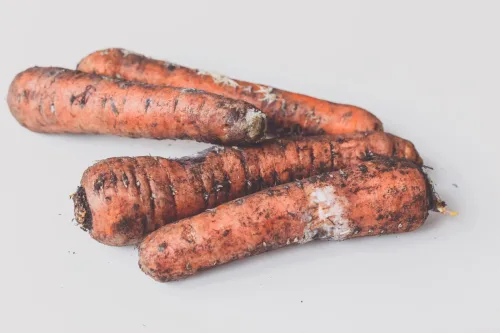
Next year you can harvest better if you don’t sow carrots where they won’t thrive
Carrot root fly can ruin carrots, parsley and celery from the inside out, often without obvious warning until harvest. Better site choice, rotation, later sowing and simple physical barriers can dramatically cut damage next season.

How to Propagate Roses from Cuttings at Home and Fill Your Garden with Blooms Almost for Free
Want more roses without paying for new plants? With a few healthy cuttings and a simple plastic-bottle mini greenhouse, you can root new bushes at home in just a few weeks.
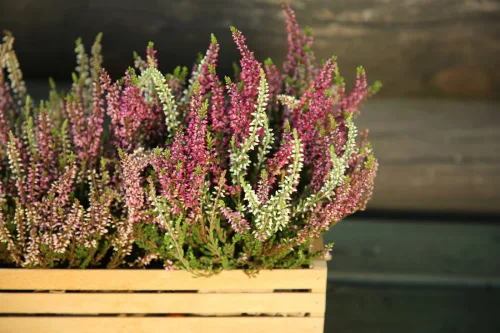
Heathers can cope where other plants won’t, but one soil detail decides everything
Heathers and heaths are tough evergreen shrubs that can flower across the seasons when you choose the right types. Success hinges on matching the plant to your soil pH and ensuring free drainage.
Comments (0)
Be the first to comment.