
 English
  Polski
  Deutsch
  Nederlands
  Svenska
  Norsk
Norsk  Dansk
Dansk  Français
  Italiano
  Español
  Português
  Slovenčina
  Suomi
Suomi  Gaeilge
 How to Successfully Grow Zucchini in Containers and Small Spaces at Home
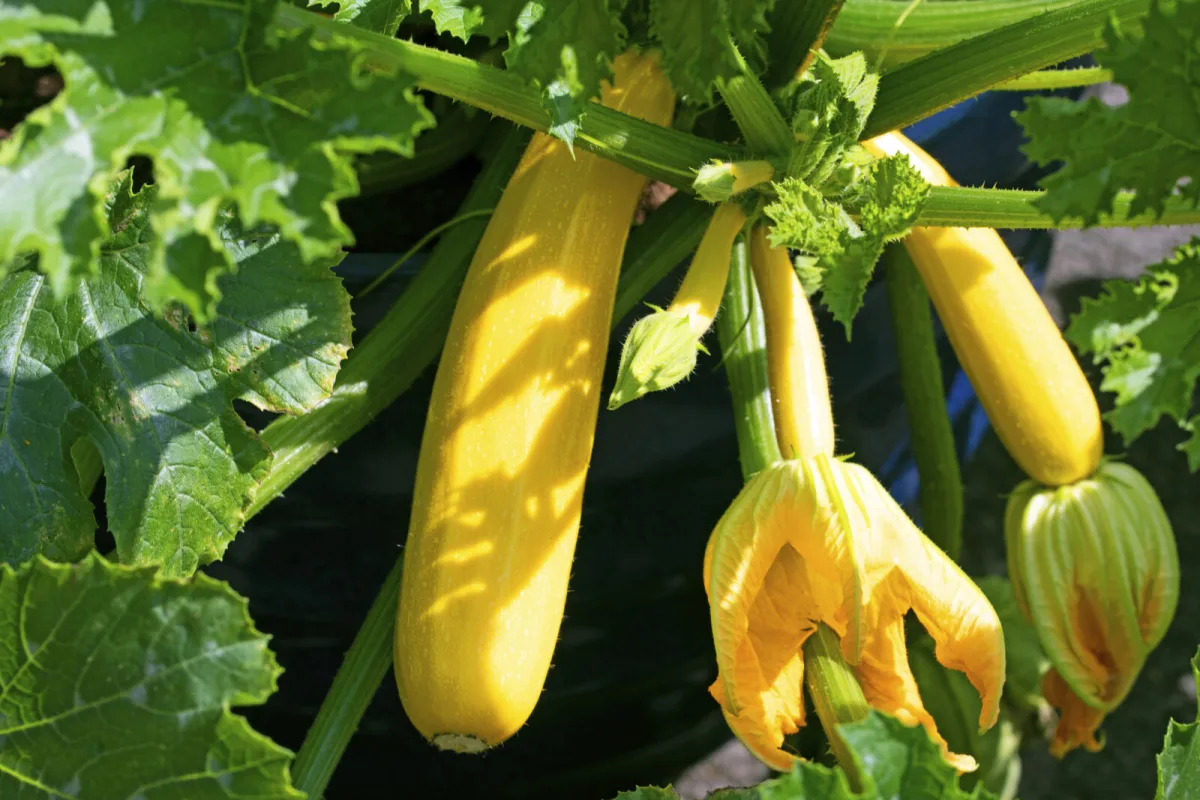
Zucchini is one of the most rewarding vegetables because it grows fast and produces relentlessly all summer, often right into autumn. You commonly see it in garden beds, less so in containers, even though growing in a pot has plenty of advantages. The plant stays under control, doesn’t sprawl into surrounding space, and you can move it to wherever the sun is strongest. Good airflow matters just as much, and with containers you can improve it more easily simply by placing the pot in the right spot.
If you don’t have a bed, or you only have limited space on a terrace or balcony, a container lets you grow zucchini without expanding the garden. And even if you’ve grown zucchini for years, it’s a great crop to start with in pots, because it usually forgives small mistakes and quickly shows you what it needs. Another practical benefit is that the fruits are close to the house, so you’ll pick them on time and they won’t grow into oversized marrows that are no longer at their best for flavour.
Varieties suitable for container growing
Almost any zucchini can be planted in a pot, but bush types and cultivars bred specifically for patio growing perform best. You’ll often recognise them by names that include “patio” or “baby”. Climbing or very vigorous, sprawling types are usually better suited to open ground, where they have room to spread.
Compact patio types that reliably perform
True container-friendly options include Buckingham Patio, which stays low but can spread sideways, so it needs a larger pot. Astia is a French bush zucchini ideal for containers, and it sets fruit close to the base, which makes harvesting easier. Bush Baby is another smaller choice that tends to stay low and produces smaller fruits. Patio Star remains compact yet can set a lot of fruit in a relatively short time.
If you want a taller plant, there are options such as Tender Grey, which can grow higher in a container; with a heavy fruit set, they benefit from support. The round zucchini Cue Ball, also known as Eight Ball, is also worth trying and can be trained onto a frame. And if you like yellow fruits, try Gold Rush, though it’s a good idea to allow for tying in here as well.
How to plant zucchini in a container properly
Light and placement
Zucchini loves sun. For reliable flowering and fruiting, give it direct sunlight for at least 6 to 8 hours a day, ideally more. The advantage of a container is that you can shift it to where the light is strongest, or where airflow is better during hot spells.
Potting mix and suitable pH
The foundation is a high-quality, free-draining potting mix that still holds moisture well. Adding perlite or vermiculite helps, as do mixes with water-retaining components and a slow-release fertiliser. Zucchini generally prefers slightly acidic to near-neutral conditions, roughly pH 6 to 6.8.
When to plant so frost doesn’t damage the plant
Zucchini can’t tolerate frost, so it’s safest to plant only once nights are consistently warmer. Mid-spring is ideal, and the soil or potting mix should be around 16 to 24 °C. If you can move containers, you can start a bit earlier and, if there’s a risk of a late frost, tuck plants into a sheltered spot or a protected space.
Sowing from seed and planting seedlings
Growing from seed
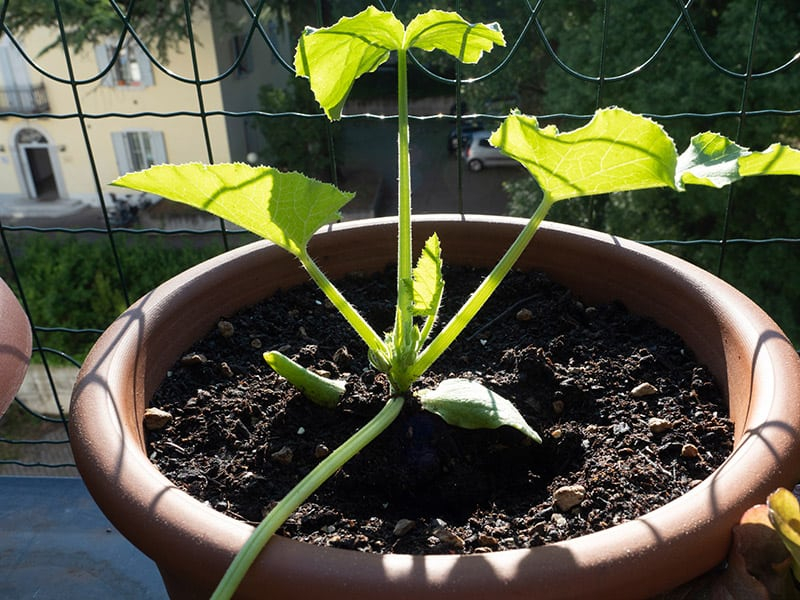
Seeds can be started early in spring, about two months before the last frosts. Zucchini germinates quickly and likes room for roots, so it doesn’t pay to choose very small pots. A container of around 2 litres is practical so roots don’t rush out of the bottom too soon. Keep the mix evenly moist, ideally with gentle misting, and under good conditions seedlings often appear within a week.
Buying seedlings as a faster route
If you don’t want to wait, you can buy seedlings at a garden centre. It’s worth choosing a type intended for containers or patios, because large garden varieties often have a more robust root system and can struggle in a pot during the season.
Container size, spacing and pot material
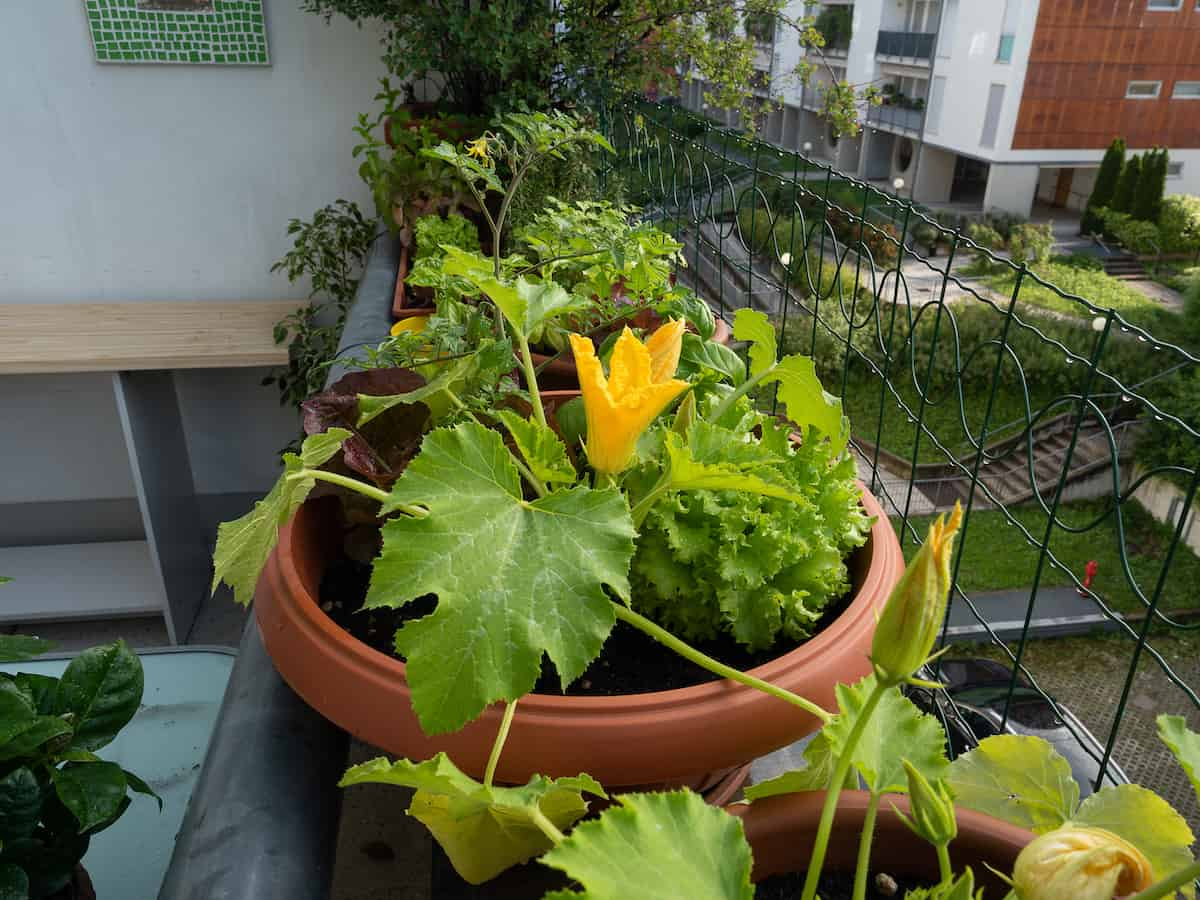
The most reliable approach is to grow one plant per container of about 20 litres; a bigger pot usually means steadier moisture and a heavier crop. Good drainage is essential, as are sturdy sides and base, because zucchini roots are strong. Many options work, from buckets with drainage holes to large barrels or heavy-duty planters.
If you plan to move pots around, consider the weight once watered. For moisture retention, plastic or concrete is often an advantage, while terracotta dries out more quickly and requires more attentive watering.
Ongoing care through the season
Feeding for a long, heavy harvest
It works well to mix a slow-release fertiliser into the potting mix at planting time and keep an eye on how long it remains effective. Another option is liquid feeding about once a month, for example with seaweed-based products or fish emulsion, which support growth and fruit set.
Watering without waterlogging
In containers, the key is balancing good drainage with consistent moisture. Water thoroughly when the top layer of the mix is dry by a few centimetres. Aim water at the mix, not the leaves, which helps reduce the risk of fungal diseases. Zucchini is thirsty and can drink a great deal in hot weather, so check the potting mix more often.
Pruning and removing damaged parts
Zucchini doesn’t need regular shaping. If leaves or leaf stalks are dying back or damaged, it’s better to remove them cleanly at the base. Heavy pruning just for appearance isn’t recommended, because wounds can become entry points for infection.
Pollination on balconies and terraces
With containers, it sometimes happens that there are fewer pollinators nearby. If you see plenty of bees on the flowers, there’s nothing to do. But if flowers drop and fruit doesn’t develop, hand pollination can help by transferring pollen from male flowers to female flowers. Especially in cities, it can noticeably increase yields.
The most common container-growing problems and how to solve them
Powdery mildew and preventing a humid microclimate
Powdery mildew shows up as a grey-white coating on leaves. It develops mainly in higher humidity with poor airflow. With containers, it helps to give each plant its own pot, water directly into the mix, and place the plant where air moves more freely. Cut infected leaves off at the base and bin them, not the compost. Some growers also use a spray of milk and water mixed 1:1.
Bacterial wilt as a serious risk
This problem is often spread by pests and can be devastating for zucchini. If a plant wilts despite adequate water and declines quickly, it’s a strong possibility. In that case, it’s best to remove and discard the plant, disinfect the container, and avoid growing related cucurbits in it for a season.
Blossom-end rot and irregular watering
Blossom-end rot is often linked to a lack of calcium and fluctuations in watering. Once it takes hold, it’s hard to stop, so prevention is crucial. Keep moisture even and feed regularly so the plant isn’t under nutrient stress.
Cucumber beetles and other chewing pests
Pests don’t avoid zucchini even in containers. A classic example is a yellow beetle with dark stripes that actively seeks out the plants. Neem-oil-based sprays are used, sometimes combined with natural insecticidal ingredients, always following the dosage on the specific product. If you don’t want to spray, you can pick beetles off while wearing gloves and destroy them mechanically.
Squash bugs and checking for eggs
Another troublesome pest is squash bugs, which hide at the base of the plant and come out onto leaves at night. Often you’ll notice them first by their eggs laid in neat rows on the underside of leaves. It’s best to crush the eggs immediately. With heavy infestations, gentle methods may no longer be enough and a stronger intervention might be needed, but regular checks and keeping the area around the stem free of debris and clutter works best.
Harvesting that encourages further fruiting
Harvest zucchini regularly. The more often you pick, the more the plant keeps setting new fruits. In containers, it’s especially important not to let fruits get oversized, because one large zucchini uses a lot of nutrients and slows down further production. The tastiest are usually smaller fruits picked just before the recommended size, when they have better flavour and texture.
Regular harvesting is a simple rule with a big impact for container-grown zucchini: fewer oversized fruits means more new flowers and a steadier crop.
Source: Morning Chores, Pestrazahrada.cz

A lover of nature, gardens, and everything that moves, blooms, or grows. He literally grows everything, from herbs to rare species, and he enjoys caring for animals just as much. In his work, he connects modern technology with tried-and-tested grandmotherly methods and is happy when both paths lead to the same goal.
Related articles
Next year you can harvest better if you don’t sow carrots where they won’t thrive
Carrot root fly can ruin carrots, parsley and celery from the inside out, often without obvious warning until harvest. Better site choice, rotation, later sowing and simple physical barriers can dramatically cut damage next season.
How to Propagate Roses from Cuttings at Home and Fill Your Garden with Blooms Almost for Free
Want more roses without paying for new plants? With a few healthy cuttings and a simple plastic-bottle mini greenhouse, you can root new bushes at home in just a few weeks.
Heathers can cope where other plants won’t, but one soil detail decides everything
Heathers and heaths are tough evergreen shrubs that can flower across the seasons when you choose the right types. Success hinges on matching the plant to your soil pH and ensuring free drainage.
Comments (0)
Be the first to comment.