
 English
  Polski
  Deutsch
  Nederlands
  Svenska
  Norsk
Norsk  Dansk
Dansk  Français
  Italiano
  Español
  Português
  Slovenčina
  Suomi
Suomi  Gaeilge
 Growing your own fresh peppercorns on the windowsill is possible with patience
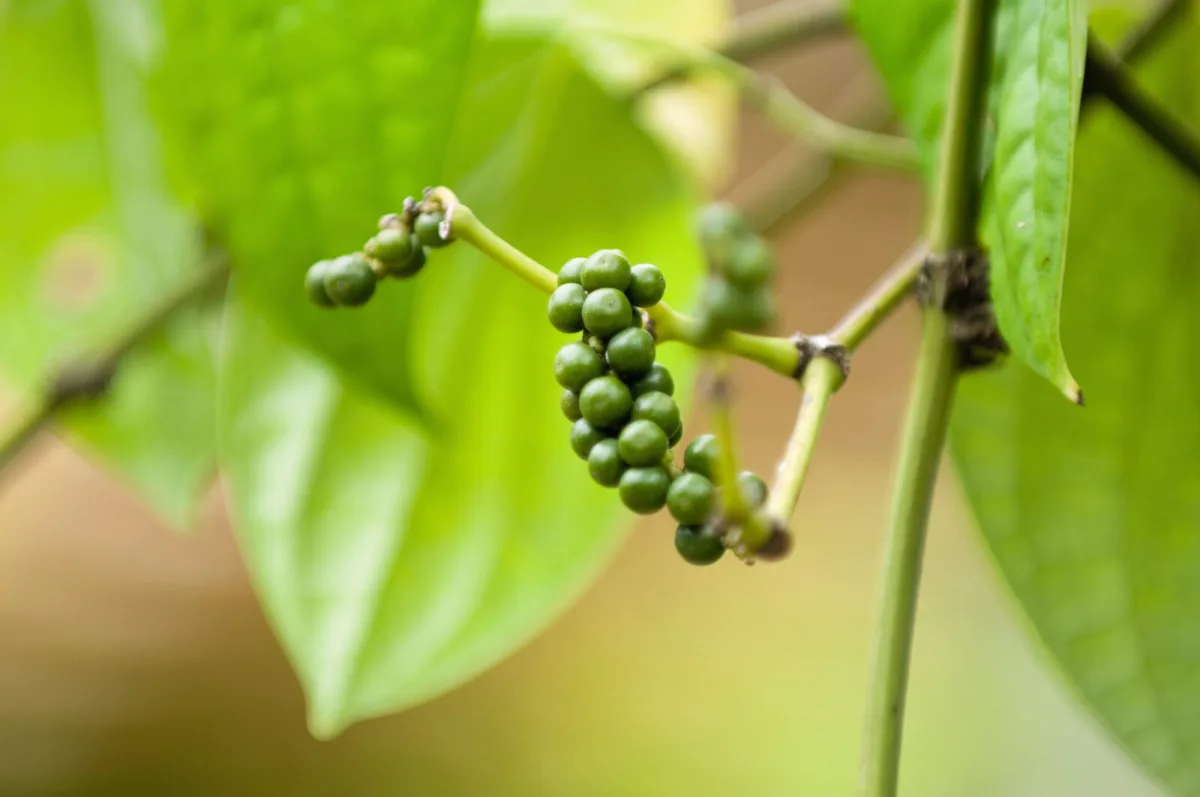
Having freshly harvested pepper to hand sounds like a luxury, but in reality it can be a satisfying home project. The pepper vine is a tropical plant that grows in nature as a climbing liana. Indoors, however, it can be successfully grown in a pot, where it behaves as an ornamental climber and, over time, will also offer its own pepper berries. Beyond flavour, its advantage is also its looks, because the green shoots can brighten up a windowsill, a conservatory, or a bright corner by the window.
Conditions without which pepper vine won’t thrive
The foundation of success is warmth and light. Pepper vine needs a stable environment where the temperature doesn’t drop below 18 °C for long periods. Ideally, place it in a bright spot by a window, preferably where the plant gets plenty of diffused light for most of the day. In a room that’s too cool or in a draught, growth slows and the plant can struggle.
The right growing medium is also important. The roots appreciate a loose, airy mix that holds moisture but doesn’t suffocate them. A proven blend combines sand, peat and garden soil so the result is free-draining and light. Good soil structure is exactly what decides whether the roots develop healthily and without rot.
Sowing from seed or growing from offshoots
Pepper vine can be started in two ways. Either you use seeds, or you get an offshoot or cutting from an already growing plant. When sowing, the seeds are set shallowly, roughly to a depth of about half to one centimetre. The advantage is that sowing can be done essentially at any time of year, provided you can ensure warmth and light.
Young plants benefit from higher air humidity and even conditions, so a small home propagator or a simple cover that creates a more stable microclimate will help. Once the seedlings strengthen, it’s better to gradually acclimatise them to normal indoor conditions so they aren’t sensitive to changes.
Watering, feeding and support for climbing
With pepper vine, regularity is key. The potting mix shouldn’t dry out completely, because the plant likes even moisture. At the same time, it mustn’t stay waterlogged for long, otherwise root rot can set in. In practice, that means watering so the soil stays slightly moist, but water doesn’t sit in the pot.
During spring and summer, pepper vine appreciates extra nutrients. Feeding about once every two weeks helps keep growth vigorous, leaves deep green and the plant in good condition. You can use a general-purpose liquid fertiliser or products intended for herbs, always with sensible dosing.
Because it’s a climbing plant, sooner or later it will need support. A simple cane, hoop or trellis is enough for the shoots to start twining around. It’s practical to put the support into the container early, as soon as the first longer runners appear, so the plant doesn’t snap and can be trained easily.
When to expect pepper and how to recognise ripe berries
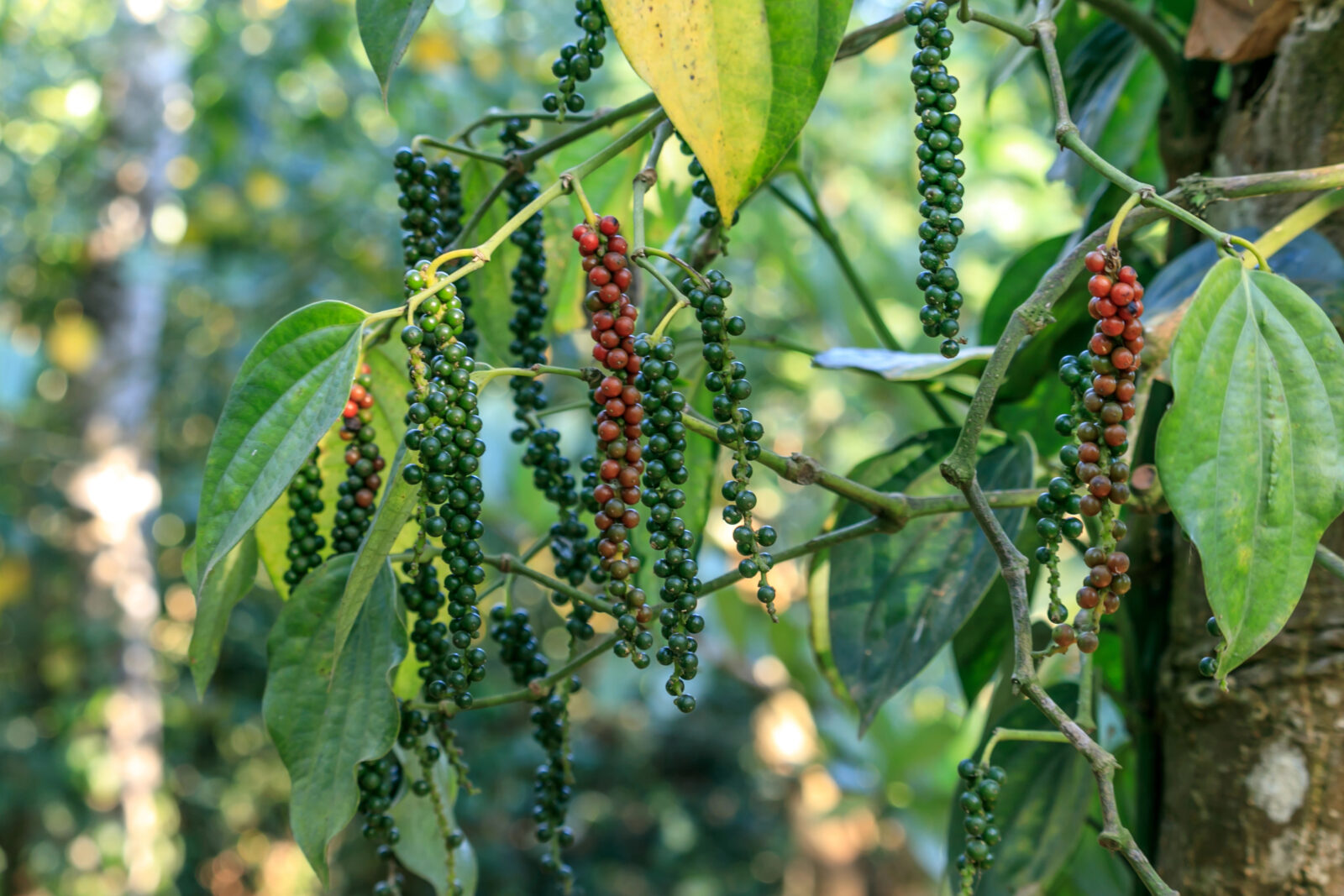
It’s worth bearing in mind that pepper vine isn’t one of those plants that rewards you with a crop in a season or two. Fruiting usually begins only after a longer time, often between the sixth and fifteenth year of growing. Even so, it’s worth training the plant, because it can bring you enjoyment as greenery and later offer a genuinely interesting harvest.
The fruits form in clusters and change colour as they ripen. At first the berries are green and gradually mature. When fully ripe, they tend to take on a richer red shade and are small, about a few millimetres. At this stage you can decide what form of pepper you want to produce. If you dry the berries with the skin on, you’ll get an aromatic version with a bold character. If the skin is removed and only the pale core remains, you get white pepper with a different flavour profile.
Ripening and subsequent drying is the part of growing that lets you turn your home harvest into different types of pepper and compare their aroma and heat.
Repotting, plant checks and long-term harvests
For a long-lived pepper vine, it’s important to keep an eye on its health. It pays to check the leaves and shoots occasionally for pests or signs of weakening. The earlier a problem is caught, the easier it is for the plant to bounce back.
As it grows comes the need for a larger container. Young plants generally do well with annual repotting; older ones only need moving into a bigger pot about once every two years. On this occasion, partial replacement of the potting mix also helps, because fresh soil replenishes nutrients and improves soil structure.
It’s also good to know that around the fifteenth year, productivity can gradually decline. If you want fresh pepper long-term, you can prepare a successor plant in good time from seed or from an offshoot of the existing one. That way your home growing keeps its continuity and you’ll always have a chance to harvest your own fragrant spice.
Why growing pepper vine is worth it
Growing pepper vine at home combines usefulness with the pleasure of the process. It teaches patience, working with indoor conditions and, gradually, processing your own berries. The reward is a spice whose origin you know exactly, and which you can use at the moment its aroma is at its best. If you provide warmth, light, even moisture and support for climbing, pepper vine can become a striking and long-lived part of your home.
Source: See Spring Seeds, Gardening Know How, Pestrazahrada.cz

A lover of nature, gardens, and everything that moves, blooms, or grows. He literally grows everything, from herbs to rare species, and he enjoys caring for animals just as much. In his work, he connects modern technology with tried-and-tested grandmotherly methods and is happy when both paths lead to the same goal.
Related articles
Autumn strawberry care takes an hour and you will be rewarded with plants laden with fruit with just three steps
After fruiting, strawberries benefit from a few timely autumn jobs that help them winter well and bounce back strongly in spring. A simple trim, the right feed, and a protective mulch can mean bigger, tastier berries next season.
Christmas cactus will bloom again even after years if you avoid one common mistake
A Christmas cactus can look perfectly healthy yet refuse to flower for years. With the right light, temperature, watering, and a gentle boost, it can set buds again and bloom reliably.
Take care with pruners on ornamental grasses Some are best cut back in autumn others in spring
Ornamental grasses bring movement and structure, but not all of them should be left standing until spring. For several warm-season and self-seeding types, an autumn cut-back keeps borders tidier and helps limit spread.
Comments (0)
Be the first to comment.