
 English
  Polski
  Deutsch
  Nederlands
  Svenska
  Norsk
Norsk  Dansk
Dansk  Français
  Italiano
  Español
  Português
  Slovenčina
  Suomi
Suomi  Gaeilge
 Exotic Aeonium Changes Colour with Light and Turns Towards It Like a Sunflower
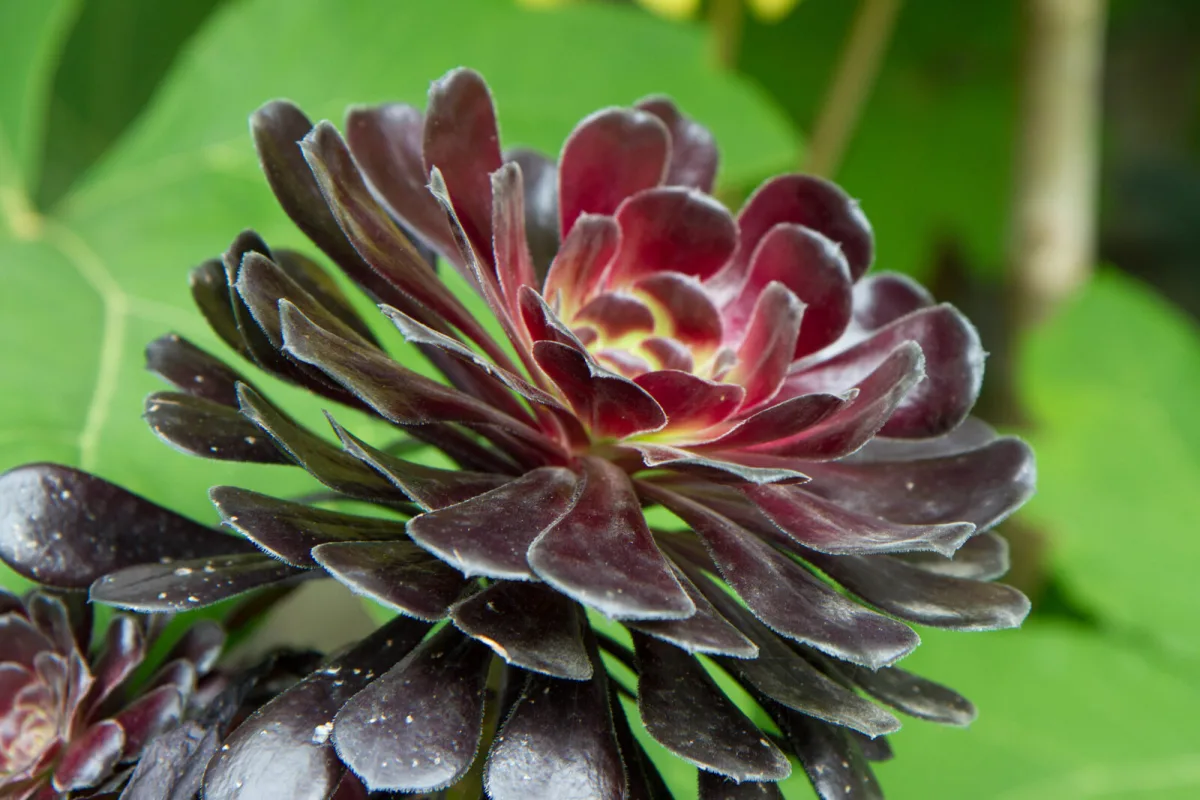
Tree aeonium (Aeonium arboreum) is one of those succulents that grabs your attention at first glance thanks to its structure. At the tips of its stems it forms bold leaf rosettes, and overall it looks like a miniature tree in a pot. It comes from the Canary Islands, where it grows on sunny slopes and among rocks, so it loves light and free-draining conditions. Although it doesn’t usually reach enormous size, in season it’s hard to miss.
Why aeonium colours up and when it stays green
The biggest magic is that its leaf colour isn’t fixed. When the plant gets plenty of light, especially full sun, the rosettes gradually take on red to deep burgundy tones. As soon as the light levels drop, for example in shade or during winter indoors, aeonium usually returns to green and loses some of its drama.
In our conditions it’s therefore often grown from autumn to spring as a houseplant in the brightest spot possible, while in summer it really benefits from time outdoors on a balcony or terrace.
Easy care even for less experienced growers
Because aeonium stores water in its leaves and stems, it copes with a drier routine better than frequent overwatering. In fact, too much water harms it more than the occasional dry spell. Between waterings, let the compost dry out completely, then water again. In winter, water very sparingly, especially if the plant is in a cooler but bright room.
Typical height is roughly 40 to 60 cm; in good conditions it can be taller and more branched. It tolerates pruning well, so you can keep it compact or cut it back if it starts to get leggy.
Position and light decide both shape and colour
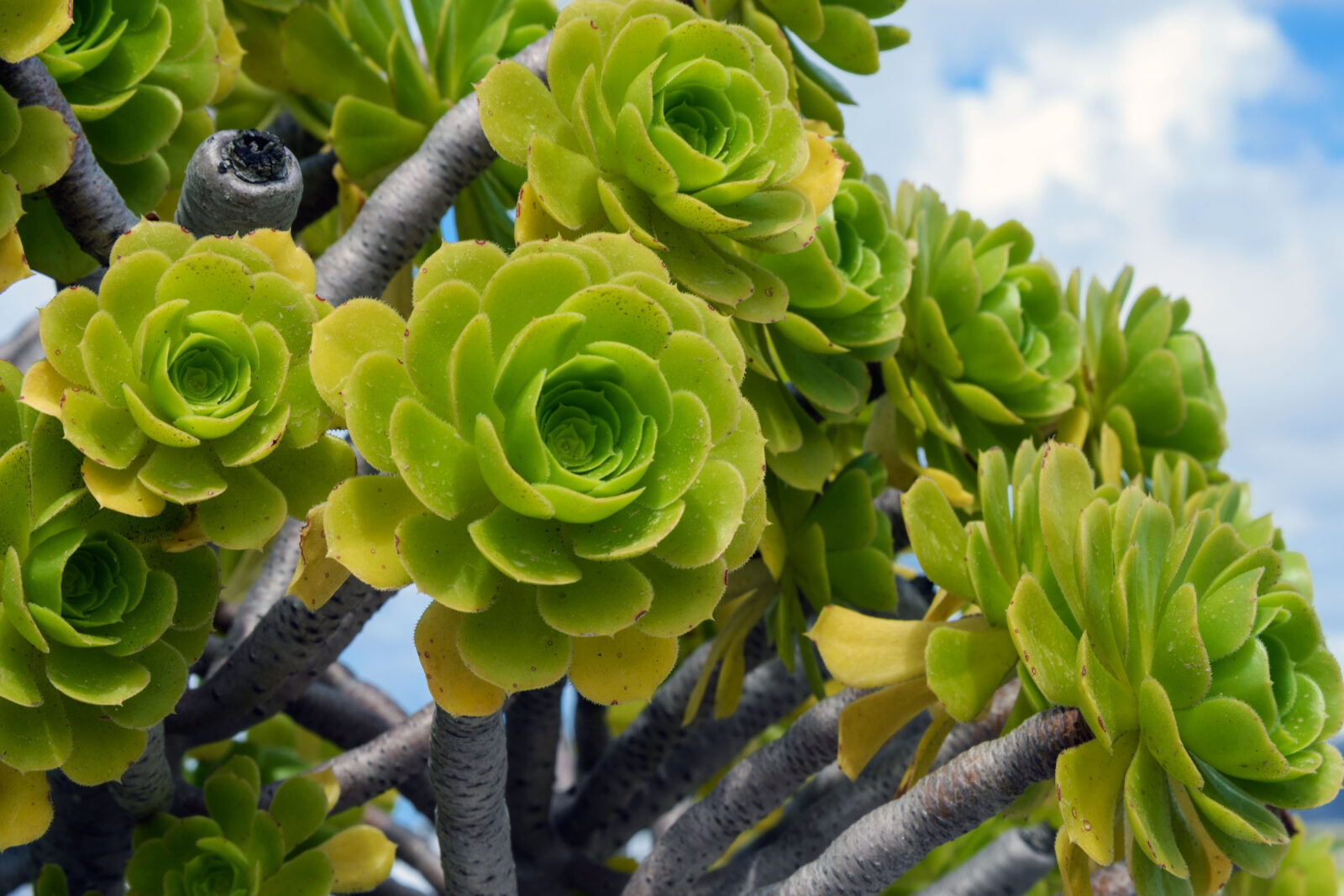
It does best in a very bright place, even with direct sun. If you move it outside in spring, it’s better to acclimatise it to strong sun gradually so the leaves don’t scorch. Lack of light shows quickly: shoots elongate, rosettes shrink, and the plant loses its neat, sturdy shape.
Practical tip: If your aeonium is stretched and sparse, shorten the shoots. The cut pieces can be used to grow new plants very easily.
A different rhythm from most succulents
Aeonium behaves a little differently from many other succulents. In hot summer weather it may enter a resting phase and growth slows down. At that time, reduce watering to an absolute minimum so that, combined with warmth and slower growth, the roots don’t start to rot. Once it cools down in autumn and temperatures drop to around below 10 °C, it’s time to bring the plant back indoors.
Through the year it prefers temperatures of about 18 to 25 °C; in winter it can manage a cooler regime around 10 to 15 °C, provided it has plenty of light and is watered very cautiously.
Repotting, compost, and occasional feeding
Younger plants are usually repotted once every two years, ideally in spring. The key is a free-draining succulent mix and a pot with good drainage, so excess water never sits around the roots. During the more active growth period, from autumn to spring you can add a weak dose of succulent feed about once a month—always better less than more.
A curiosity that also affects straight growth
The leaf rosettes can turn towards the light much like sunflowers. This helps the plant maximise light capture, but indoors it can mean it gradually leans to one side. Turning the pot occasionally helps the aeonium grow evenly.
Propagation from cuttings step by step
Choosing and cutting the shoot
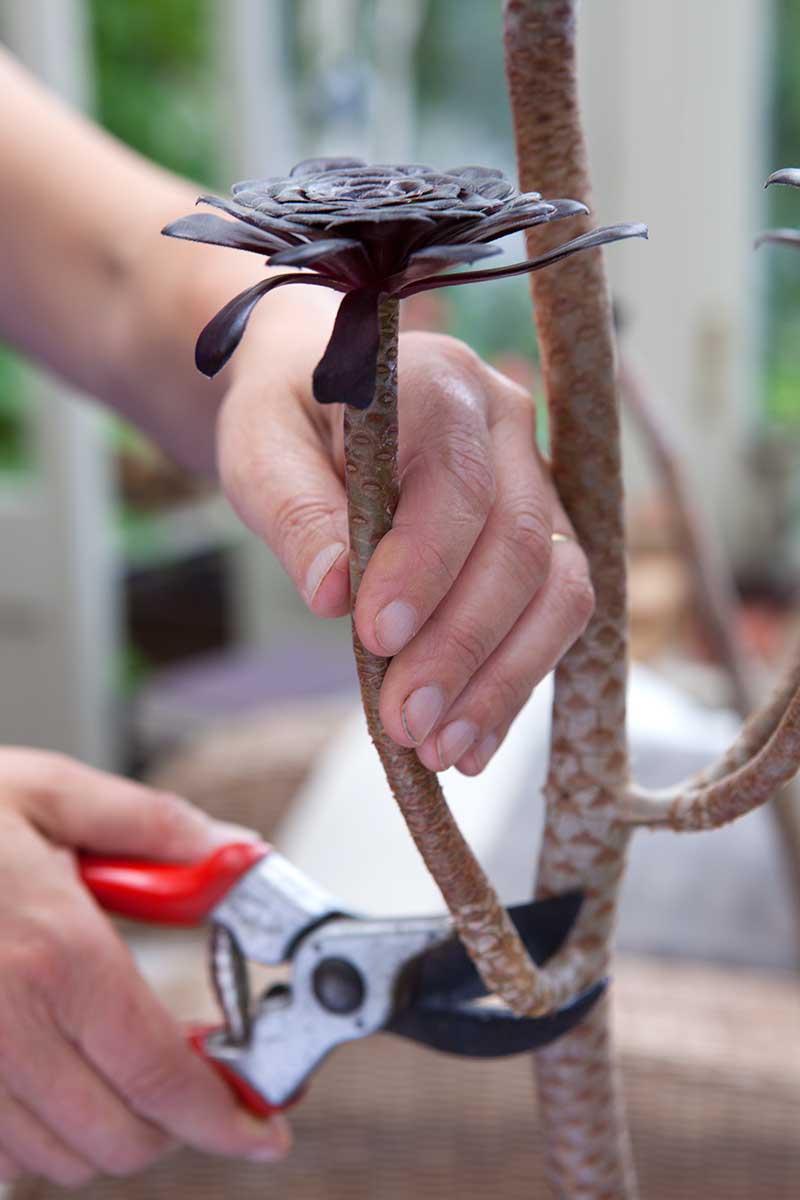
For propagation, choose healthy, preferably younger shoots. Cut off the top rosette with a stem about 10 cm long. If a small stump remains on the mother plant, it will often produce new shoots later.
Letting the cut dry to prevent rot
A freshly cut cutting shouldn’t be planted straight away. It’s better to leave it for a few days in a dry, warm place so the cut surface can dry and callus over. This greatly reduces the risk of the cutting rotting once planted.
Planting correctly into a free-draining mix
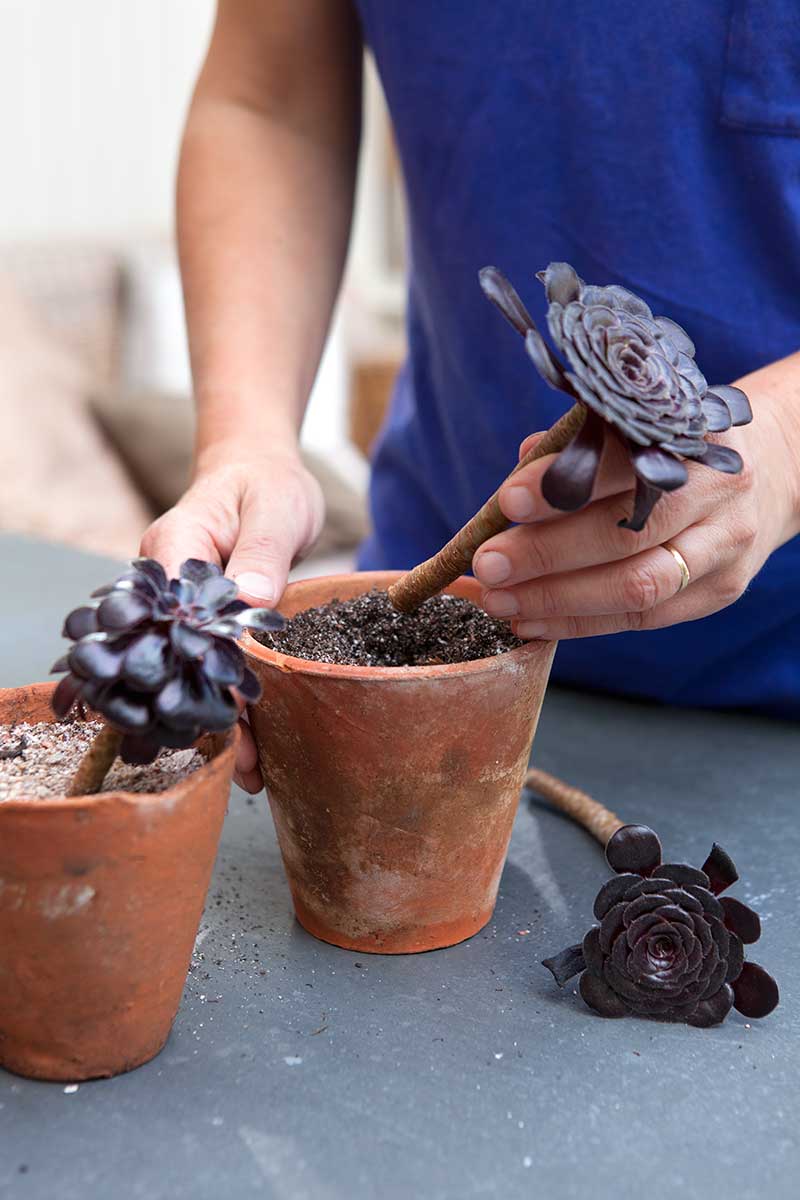
Cuttings are planted into small pots about 8 cm deep. A succulent compost is ideal, or a multipurpose compost lightened with an equal part of fine grit. Firm the cutting in gently, leaving a significant portion of the stem above the surface.
First watering and a dry surface
After planting, water only lightly. It’s practical to add a thin top layer of crushed grit or perlite, which helps keep the area around the stem drier and improves drainage. Rooting works best in a bright place at normal room temperature of around 18 to 20 °C.
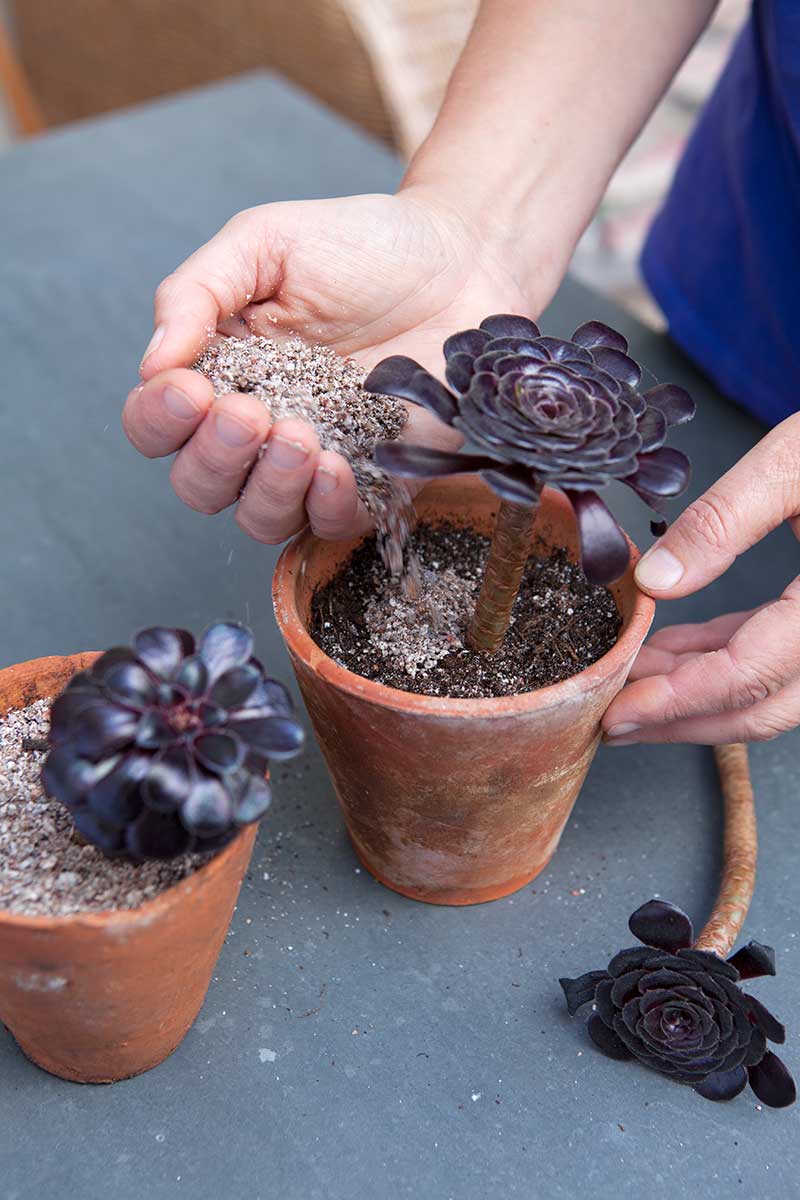
Source: Gardener’s World, Záhrada, Pestrazahrada.cz

A lover of nature, gardens, and everything that moves, blooms, or grows. He literally grows everything, from herbs to rare species, and he enjoys caring for animals just as much. In his work, he connects modern technology with tried-and-tested grandmotherly methods and is happy when both paths lead to the same goal.
Related articles
Drought tolerant fruit trees for Czech gardens that handle heat and winter frosts
Warmer summers and longer dry spells are changing what can be grown in Czech gardens. With the right variety and a sunny, sheltered spot, olives, pomegranates and figs can cope with heat, drought and even winter cold.
Thuja hedges are on the way out gardeners are choosing a shrub that shrugs off frost and drought and never looks dull
Thuja may be a long-standing classic, but today’s hedges are increasingly built from more varied shrubs that look better through the seasons. One standout choice is ninebark, prized for its toughness, colour and easy care.
Autumn planted grapevines bud earlier the most common mistake happens before they even go in the ground
Planting grapevines in November can give them a head start in spring, as roots can still establish in warm soil. Success depends mainly on proper planting depth and reliable winter protection.
Comments (0)
Be the first to comment.