
 English
 Polski
 Deutsch
 Nederlands
 Svenska
 Norsk
 Dansk
 Français
 Italiano
 Español
 Português
 Slovenčina
 Suomi
 Gaeilge
Cleaning Without Store Bought Products Works One Unassuming Food Can Even Hide Scratches on Furniture

Not every effective cleaner has to come from the cleaning aisle. Many everyday messes can be handled by ingredients you already keep at home for cooking and baking. These pantry cleaners are popular because they tend to be inexpensive, easy to find and often gentler on your home and the environment. They’re ideal when you need a quick fix, but also when you’re trying to cut down on chemicals in day-to-day cleaning.
That doesn’t mean they’re suitable for everything. Natural helpers have their own rules too. Vinegar isn’t ideal for natural stone, acidic ingredients can damage delicate surfaces, and with wood it’s always best to test a small, hidden area first. But if you know what to reach for, your pantry can be a surprisingly well-stocked home cleaning kit.
The best-known classics that work almost every time
Baking soda for odours, grease and baked-on mess
Baking soda is one of the most versatile home cleaners. It absorbs odours brilliantly, so it’s great for the fridge, carpets, mattresses and even the shoe cupboard. It also works as a gentle abrasive, helping to lift grease and dried-on dirt without unnecessary scratching. With baking soda and a small amount of water, you can easily make a paste for the sink, bathtub, shower or the inside of the oven.
It’s useful in the laundry too, where it can boost the performance of your detergent. In the kitchen it’s often paired with lemon, which helps break down greasy film and leaves a fresher scent.
Vinegar as a degreaser and limescale helper
White vinegar is a staple among DIY cleaners. It dissolves hard-water deposits, helps cut grease and performs well on glass and mirrors. You can use it to clean a shower head, remove marks from shower doors, or freshen up a dishwasher and kettle. In the wash it can replace fabric softener and help make towels feel softer.
It’s important to remember, though, that it’s acidic. It doesn’t belong on marble, granite or other sensitive stone surfaces. Use caution with some grout lines and rubber parts on appliances as well if you use it too frequently.
Lemon juice for shine and a fresher kitchen
Lemon juice works similarly to vinegar, but with a more pleasant fragrance. It’s handy for metal taps, removing soap scum and tackling light rust stains. A popular trick is to place a bowl of water and lemon in the microwave or oven and let the steam loosen grime. The surface then wipes clean more easily, leaving the kitchen smelling fresh.
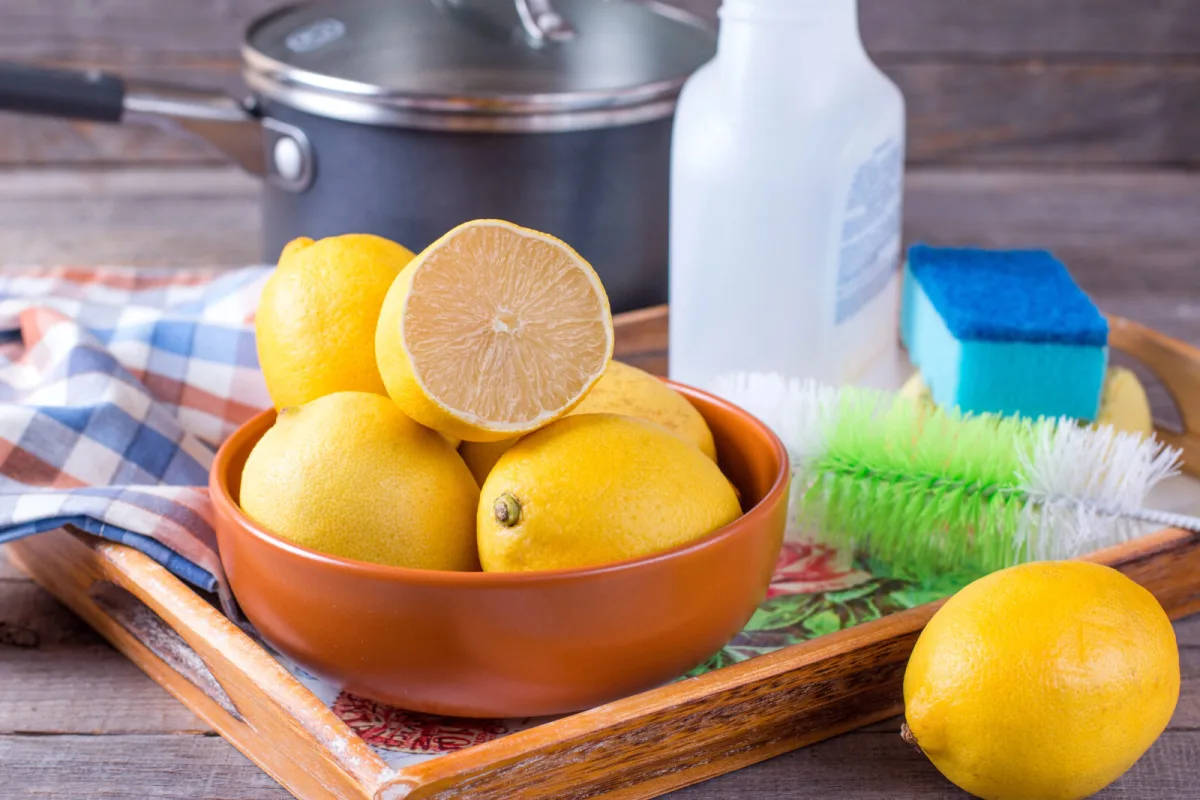
Surprising pantry cleaners that few people know about
Walnut for scratches in wood
It sounds unbelievable, but a piece of walnut can help disguise minor scuffs in wooden furniture or flooring. The natural oils sink into the surface and visually darken a pale scratch. It’s not a professional repair, more of a quick first aid that can be surprisingly effective.
Sugar for a nail polish accident
If you spill nail varnish, a quick response can save the surface from staining. Sprinkling sugar over it helps clump the liquid and prevents it from spreading. The residue is then easier to wipe away. It’s a simple trick anyone who does their nails at home will appreciate.
Banana peel for houseplant leaves
Houseplant leaves collect dust over time, which dulls their shine and reduces how well they take in light. You can gently wipe leaves with the inside of a banana peel to remove dust and give them a more natural-looking sheen. One advantage is that, unlike frequent showering, you’re not adding unnecessary moisture to the plant.
Onion for cleaning the barbecue grill
Half a raw onion is a surprisingly effective helper for a barbecue grate. When the grate is still slightly warm, press the cut side of the onion against it and rub along the bars. The acidic compounds and juices help loosen grease and burnt-on residue. Do keep safety in mind and use suitable gloves.
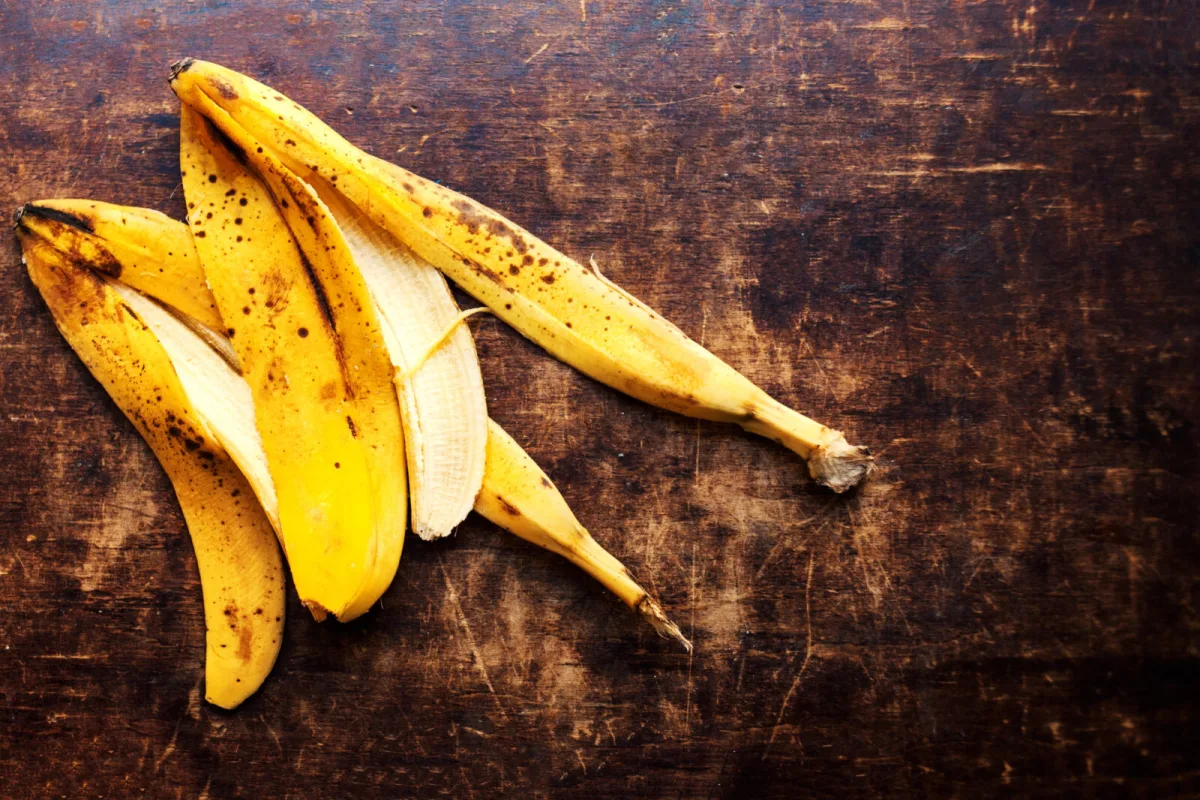
What helps metal, wood and chopping boards
Ketchup and mayonnaise as emergency saviours
Thanks to its acid content, ketchup can help with tarnished metal surfaces such as copper, brass or some stainless-steel parts. Apply a thin layer, leave it to work briefly, then rinse and buff. It’s more of an emergency fix, but in many households it works surprisingly well.
Mayonnaise is used mainly on wood. Its oily component can help bring out the look of the surface and soften minor water marks or light scratches. After a short dwell time, wipe everything thoroughly with a microfibre cloth so no greasy film remains.
Mineral oil instead of cooking oils
For wooden chopping boards and butcher blocks, it’s better to use food-grade mineral oil than regular olive or sunflower oil. Standard cooking oils can go rancid and develop an unpleasant smell over time. Mineral oil conditions the surface, helps prevent it from drying out and keeps it in better shape.
More useful helpers from the pantry and bathroom cabinet
Salt for gentle scrubbing and stains
Salt works as a simple abrasive. It’s useful for baked-on mess, greasy build-up and certain stains on textiles or carpets. In a fresh spill, it can help absorb liquid and keep dirt from soaking in deeply.
Hydrogen peroxide and rubbing alcohol for hygiene and stains
Although these aren’t exactly food items, many households keep them on hand. Hydrogen peroxide is useful for disinfecting surfaces, chopping boards or the washing machine, and it can also help with stains. Rubbing alcohol cleans glass, chrome and screens well, and helps remove ink or sticky adhesive residue. With delicate materials, it’s always wise to test the surface reaction first.
The best household cleaner isn’t the strongest one, but the one chosen correctly for the specific mess and surface.
What to watch out for when using DIY cleaners
Just because something is natural doesn’t automatically mean it’s safe for every material. Acidic cleaners can etch stone, abrasive ingredients can scratch glossy finishes, and oily components always need to be wiped off well. It’s also important not to mix different products without thinking, and to keep them out of children’s reach.
Pantry cleaners work best as a smart, practical alternative for routine cleaning. For heavy soiling, mould, or delicate materials, it can sometimes be more sensible to use a specialised product. Still, a handful of ordinary ingredients can do far more around the home than you might expect at first glance.
The pantry as a compact home cleaning toolkit
Baking soda, vinegar, lemon, salt, sugar, banana peel, onion and walnuts prove that cleaning doesn’t have to be complicated or expensive. When you know how to use them, you gain effective helpers for the kitchen, bathroom, fabrics, wood and metal. That’s the appeal of DIY cleaning from the pantry: it’s simple, accessible and often surprisingly effective.
Source: The Spruce, Homes and Gardens , Pestrazahrada.cz

A nurse by profession, she is passionate about healthy living, nature, and everything that benefits both people and the world around them. In her free time, she enjoys gardening, cooking, sewing, and caring for her family. In her articles, she loves combining professional expertise with practical experience from the garden and everyday life.
Related articles

The Most Unusual Garden Visitor Isn’t Always the Biggest One
A garden can become a surprising meeting place between people and wildlife. Sometimes the most unusual visitor is a quiet, elusive animal you may not notice for years.

You Can’t Do Everything on Your Own Garden Four Situations Where Simple Neglect Becomes a Costly Mistake
A garden may feel like a private world, but it still comes with legal responsibilities. Neglected weeds, burning green waste, invasive plants, or unmanaged boundary trees can all lead to complaints and hefty fines.

Ten smart companion plants for peppers that naturally boost healthy growth and higher yields
Sweet or hot peppers thrive with the right neighbours. Companion planting can reduce pest pressure, support healthier growth, and often deliver a heavier harvest—without relying on unnecessary chemicals.
Comments (0)
Be the first to comment.