
 English
  Polski
  Deutsch
  Nederlands
  Svenska
  Norsk
Norsk  Dansk
Dansk  Français
  Italiano
  Español
  Português
  Slovenčina
  Suomi
Suomi  Gaeilge
 Chinese leopard lily, a beautiful beginner-friendly perennial for a home herb cabinet

With some plants, beauty comes with real practical value—and Chinese leopard lily is a perfect example. It’s an ornamental perennial that gardeners have grown fond of not only for its eye-catching flowers, but also for the traditionally credited benefits for throat and respiratory complaints. If you already grow something like Cuban oregano at home, Chinese leopard lily can be another interesting addition to a collection of useful, low-maintenance plants.
The plant’s origins are most often linked with Asia—China is frequently mentioned—but it is also found in other regions, for example in India or the Philippines. In recent years it has also made its way into gardens in our conditions, where we appreciate its toughness and its ability to enliven a border at a time when many other perennials are only just getting going.
Many names for one plant
You may know Chinese leopard lily under other names as well. In gardening texts it appears as the Chinese leopard flower, and you may also come across the Latin name Iris domestica, or the older name Belamcanda chinensis. It belongs to the iris family, which shows in the shape of the leaves and the plant’s overall structure.
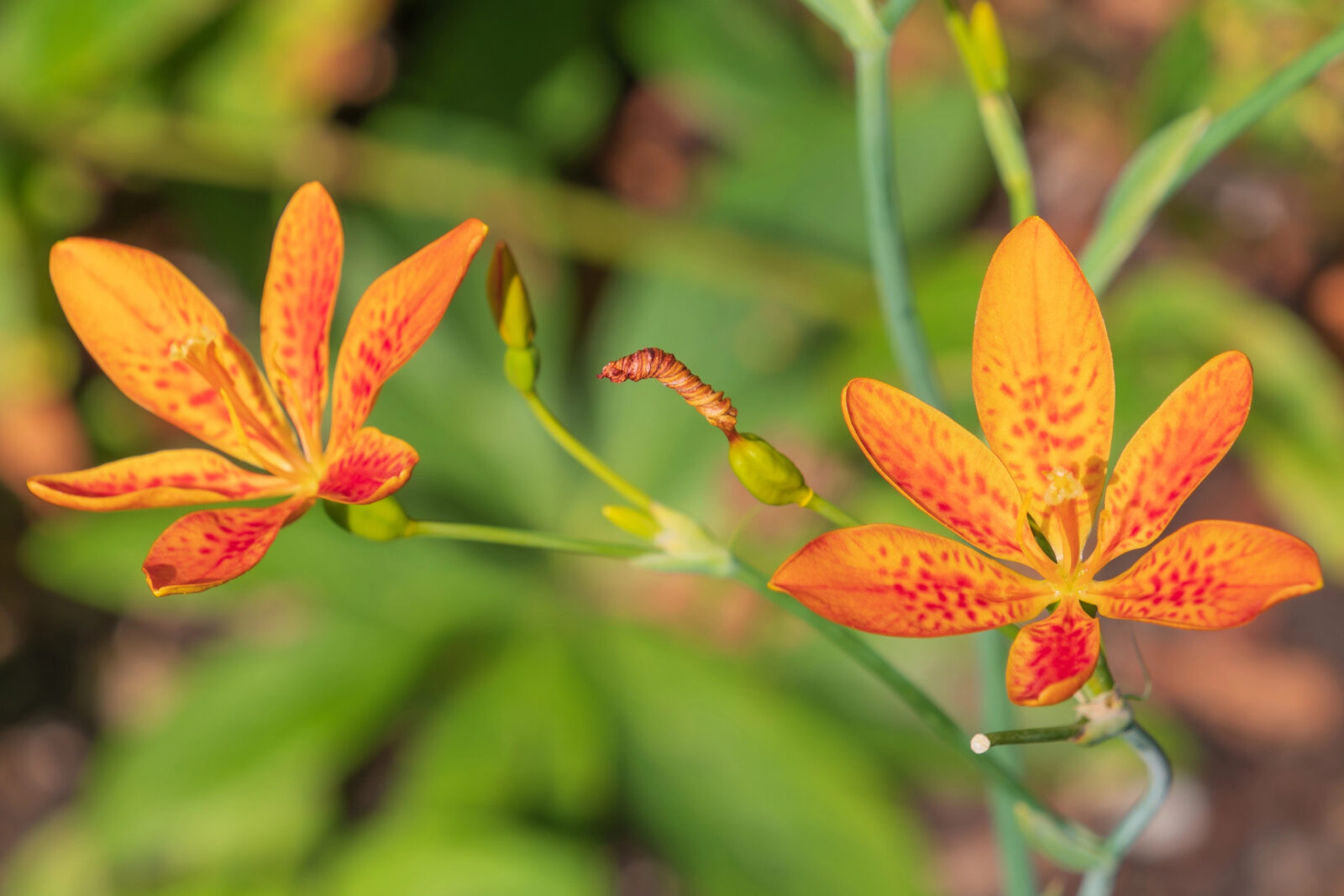
Typical features are narrow, lance-shaped leaves and, above all, the flowers that appear in early summer. They range from orange to yellow and are marked with bold dark spots—hence the nickname leopard lily. Beyond its ornamental value, it can also add to a garden’s diversity, because the flowers attract insects and complement biodiversity-focused planting.
How to grow Chinese leopard lily so it thrives
It’s often described as easy to grow, because the plant is fairly adaptable and will tolerate less-than-ideal conditions. It does best in a sunny position, where it flowers most freely. The soil should be humus-rich and, above all, well drained. Before planting, working in compost or a suitable fertiliser helps improve soil structure and provides nutrients for strong early growth.
Watering is most important during long dry spells, when the plant needs consistent moisture. At the same time, it’s worth making sure the soil doesn’t stay waterlogged, because excess moisture can lead to root rot. A practical approach is to water more deeply but less often, letting the soil dry slightly between waterings.
Propagation and seasonal care
Chinese leopard lily can be propagated in two common ways. The first is sowing seed, usually started indoors in February or March so the seedlings have time to strengthen before being planted out. The second option is dividing clumps, either in spring or autumn, when the plant can recover and re-root more quickly.
During the season it pays to remove spent flowers as you go, keeping the plant tidy and preventing it from wasting energy on seed production. Over winter, Chinese leopard lily typically dies back; the above-ground growth may dry up, which is natural. In spring, after feeding, it usually resprouts and continues growing.
Pest resistance and common problems
Compared with more delicate ornamentals, Chinese leopard lily is fairly resilient. Even so, aphids or other small pests can occasionally appear, especially in warm weather and on stressed plants. Timely leaf checks and a gentle intervention are usually enough to stop the problem spreading through the planting. For prevention, it’s important not to overwater, to give the plant a more open, airy soil, and to provide balanced nutrition.
Traditional medicinal uses
Alongside its ornamental role, Chinese leopard lily is also mentioned in folk medicine and traditional Chinese medicine. It is described as containing various plant compounds credited with anti-inflammatory, soothing, and antibacterial properties. In home use, it is most often associated with relief for sore throats, tonsillitis, or bronchial inflammation—where it is said to ease scratchiness and support the loosening of mucus.
In practice, the use of root parts or leaves is mentioned, most often as a decoction used as a gargle. Sometimes brief chewing of the tips of young leaves is also described, with the note that they are spat out after a short while. These approaches come from tradition and experience, but they are not a substitute for professional treatment—especially with fever, severe pain, or a worsening condition.
Important caution with dosing
With Chinese leopard lily, caution is warranted. Excessive use may be inappropriate or even toxic, so it’s recommended to start with a very small amount and watch the body’s response, or consult a professional. Particular care should be taken by sensitive individuals and by pregnant women, for whom it is better to avoid such experimentation.
Chinese leopard lily is a beautiful, undemanding perennial, but for home use aimed at the throat and respiratory tract, moderation and sensible caution are essential.
Source: Moj dom, Monaco Nature, Czech Radio, Pestrazahrada.cz

A lover of nature, gardens, and everything that moves, blooms, or grows. He literally grows everything, from herbs to rare species, and he enjoys caring for animals just as much. In his work, he connects modern technology with tried-and-tested grandmotherly methods and is happy when both paths lead to the same goal.
Related articles
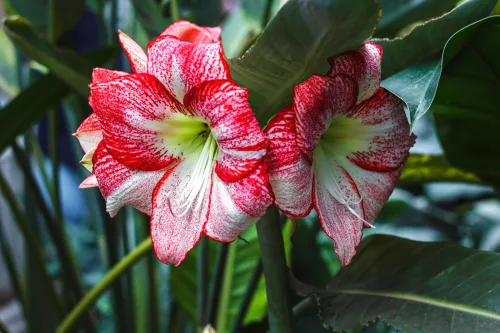
The Christmas Amaryllis That Can Bloom for Years but Most People Throw It Away After Flowering
Hippeastrum is a spectacular winter-blooming bulb that, with the right care, will flower again year after year. Learn how to plant it correctly, look after it after flowering, and bring it into dormancy so it reliably reblooms.
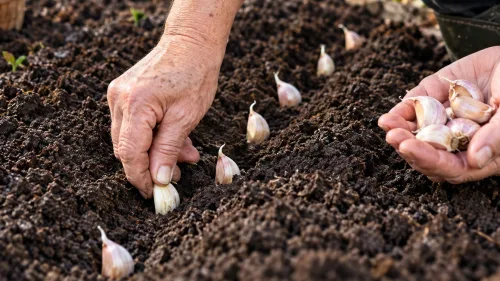
How to Grow Winter Garlic for a Much Bigger Harvest
Autumn planting is the key to strong, healthy winter garlic, but the details make all the difference. With the right timing, bed choice, seed-clove treatment and a simple bicarbonate trick, you can noticeably boost yield.

A tree or shrub planted properly in autumn can outpace spring stock and improve fruiting
Many fruit trees and soft-fruit shrubs establish better when planted in autumn, because roots keep growing while the top is dormant. Done well, this head start means stronger spring growth, less watering, and a healthier first year.
Comments (0)
Be the first to comment.