
 English
  Polski
  Deutsch
  Nederlands
  Svenska
  Norsk
Norsk  Dansk
Dansk  Français
  Italiano
  Español
  Português
  Slovenčina
  Suomi
Suomi  Gaeilge
 An Impenetrable Barberry Hedge, an Ornamental Shrub That Delights With Colour and Berries
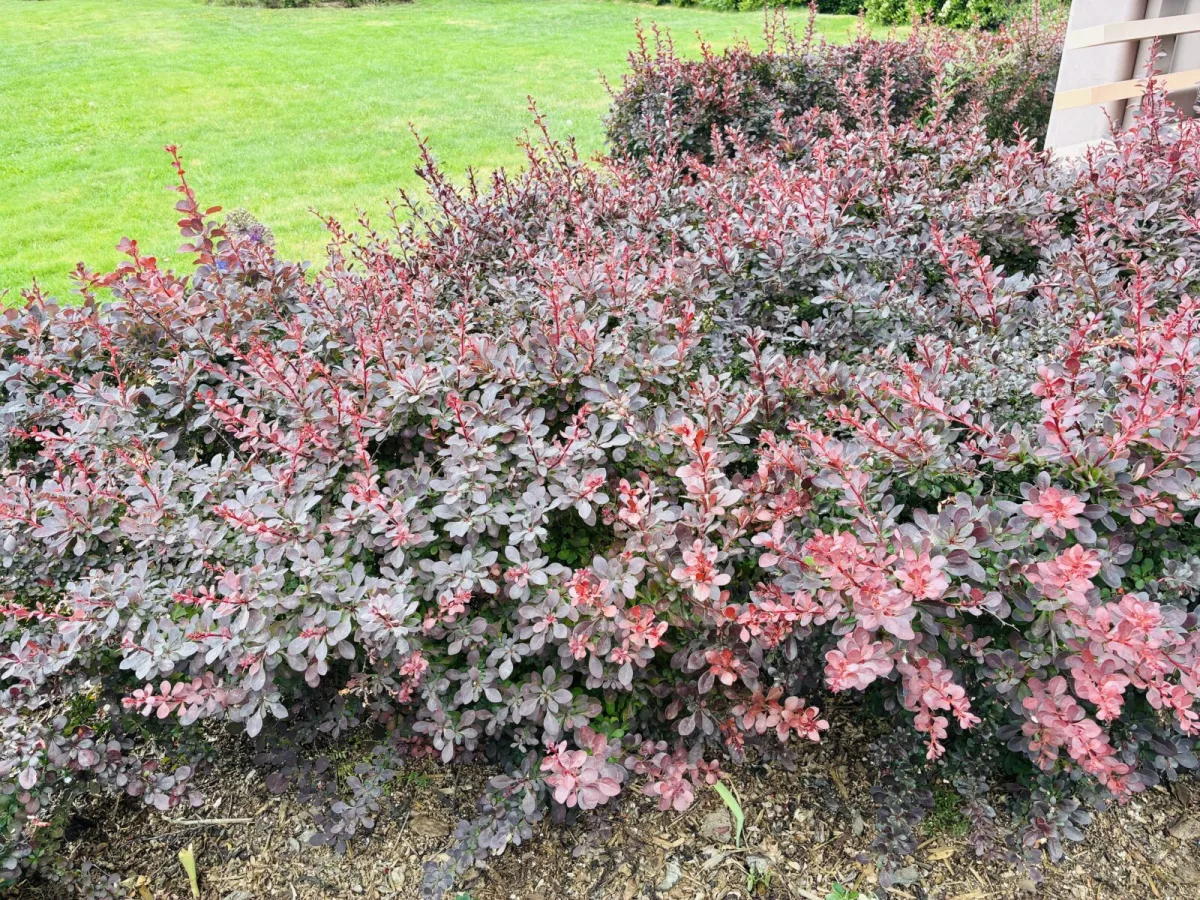
Barberry (Berberis) is a genus of thorny shrubs in the barberry family, prized by gardeners for its easy-going nature, tolerance of city conditions and drier soils, and for its striking leaf colour, yellow flowers and decorative berries. In the garden it works as a specimen shrub, in mixed shrub groups, and as a dense, hard-to-penetrate hedge. Many species are deciduous while others are evergreen, so you can choose depending on whether you want autumn colour or an all-year green backdrop.
Origin, appearance and life cycle of barberry
Barberries occur in many parts of the world and the genus includes hundreds of species. In our conditions, the best-known traditional species is common barberry (Berberis vulgaris), with yellow flowers and conspicuous red berries. Shrubs range from small to medium-sized, with a variable habit depending on species and cultivar. Thorns are typical; they can be a real advantage (protection, hedging), but they do call for sensible siting if children or pets use the garden.
The flowers appear in spring, bright yellow to yellow-orange, and they attract pollinators. The berries ripen from late summer into autumn and often hang on the branches well into winter, boosting ornamental value while also providing food for birds.
Species and cultivars suitable for ornamental planting
For garden use, barberries with attractive foliage and compact growth are chosen most often. The widely grown Japanese barberry (Berberis thunbergii) and its colourful cultivars can turn orange and red in autumn. For taller, very thorny, evergreen plantings, certain species with leathery leaves are used, forming an almost impenetrable barrier.
When choosing, consider the shrub’s final size, the severity of the thorns, and whether it’s a species that may be invasive in some areas. Local conditions and recommendations for your region may determine whether a particular barberry is an appropriate choice.
Site and soil
Barberry is among the woody plants that adapt to a wide range of sites. It performs best in well-drained soil, ideally humus-rich and slightly moist, but once established it will tolerate drought. Deciduous types usually colour up better in full sun, while evergreen barberries often appreciate partial shade, where they are less stressed by drought and winter sun.
A major advantage is tolerance of urban conditions, wind and poorer soils, as long as water does not sit in them for long periods. Waterlogging is more often a problem than low fertility.
Planting step by step
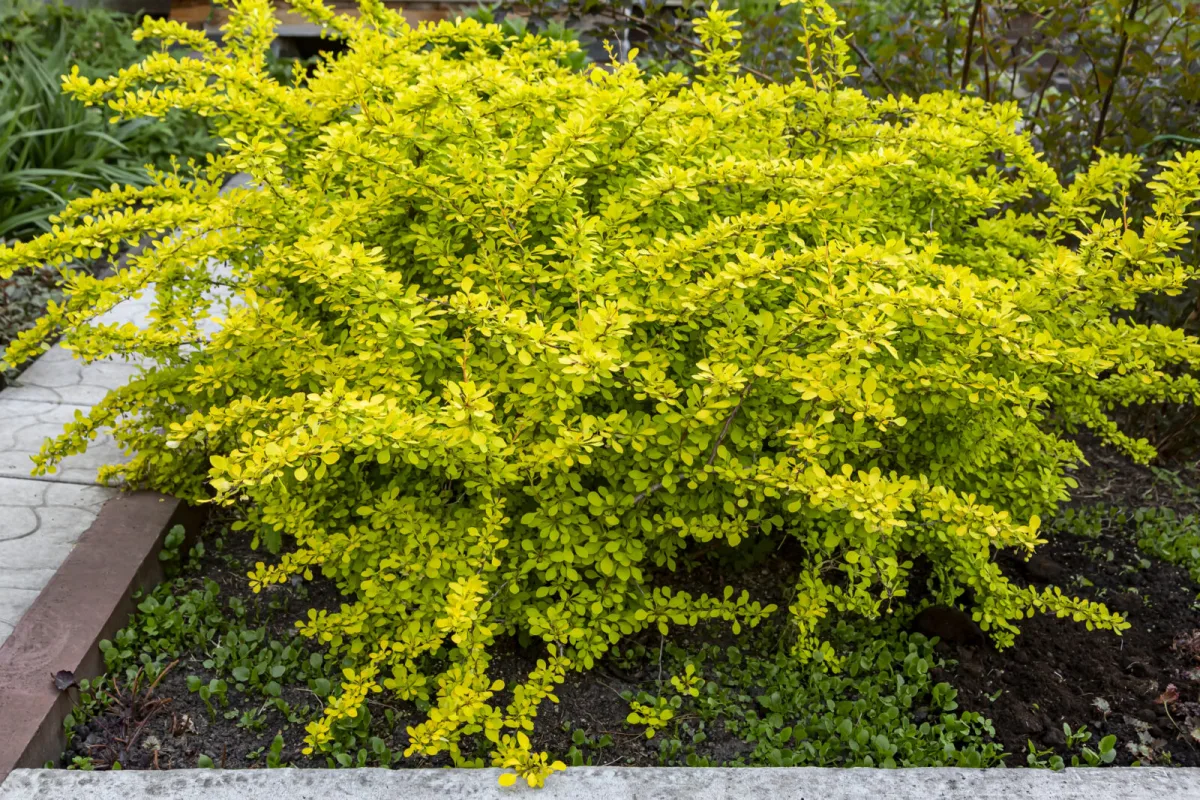
Most barberries can be planted for much of the year, provided the ground isn’t frozen. Container-grown plants establish easily; for field-grown, root-balled plants, spring or autumn is usually preferred. With evergreen species, spring planting is often the better option so they can root well before winter.
Start with a planting hole about 1.5 times the size of the root ball. The soil can be improved with compost. After planting, water thoroughly so the soil settles in around the roots. With container plants, gently teasing out any circling roots at the edge of the pot can help.
Spacing depends on the aim of the planting. A useful guide is roughly one third to one half of the shrub’s eventual height. For a hedge, plant closer together so it knits quickly.
Caring for barberry through the year
Watering and feeding
Once established, barberry generally doesn’t need regular watering and will cope on normal rainfall. Water mainly during prolonged dry spells, for newly planted shrubs, or for plants grown in containers. Feeding requirements are modest; on poorer soils, adding compost in spring is helpful, or a light dose of a balanced fertiliser. Overfeeding encourages soft, lush growth at the expense of colour and can reduce ripening of shoots before winter.
Mulching and protecting the soil
A mulch layer helps retain moisture and suppress weeds. Bark mulch, leaf mould, or grass clippings in a sensible layer all work well. Don’t pile mulch tight against the stems, as it can create conditions that encourage rot.
Pruning and shaping
Pruning is often the biggest job barberry requires. For free-growing shrubs, it’s enough to occasionally remove dead, diseased or awkwardly placed shoots. Shaping is usually done after flowering, as barberry blooms early and later pruning can reduce berry production. Hedges can be clipped as needed, even once or twice a year, to maintain a tight, compact wall. Because of the thorns, sturdy gloves and tough clothing are advisable.
Barberry as a hedge and a secure barrier
Thorns, dense branching and strong regrowth make barberry an excellent choice for protective hedging. Such a hedge is not only practical as a deterrent, but it also offers shelter and nesting opportunities for birds. In flower it attracts insects, and when in berry it supports garden biodiversity. With taller species you’ll also gain partial screening from view.
Propagation and renewing plantings
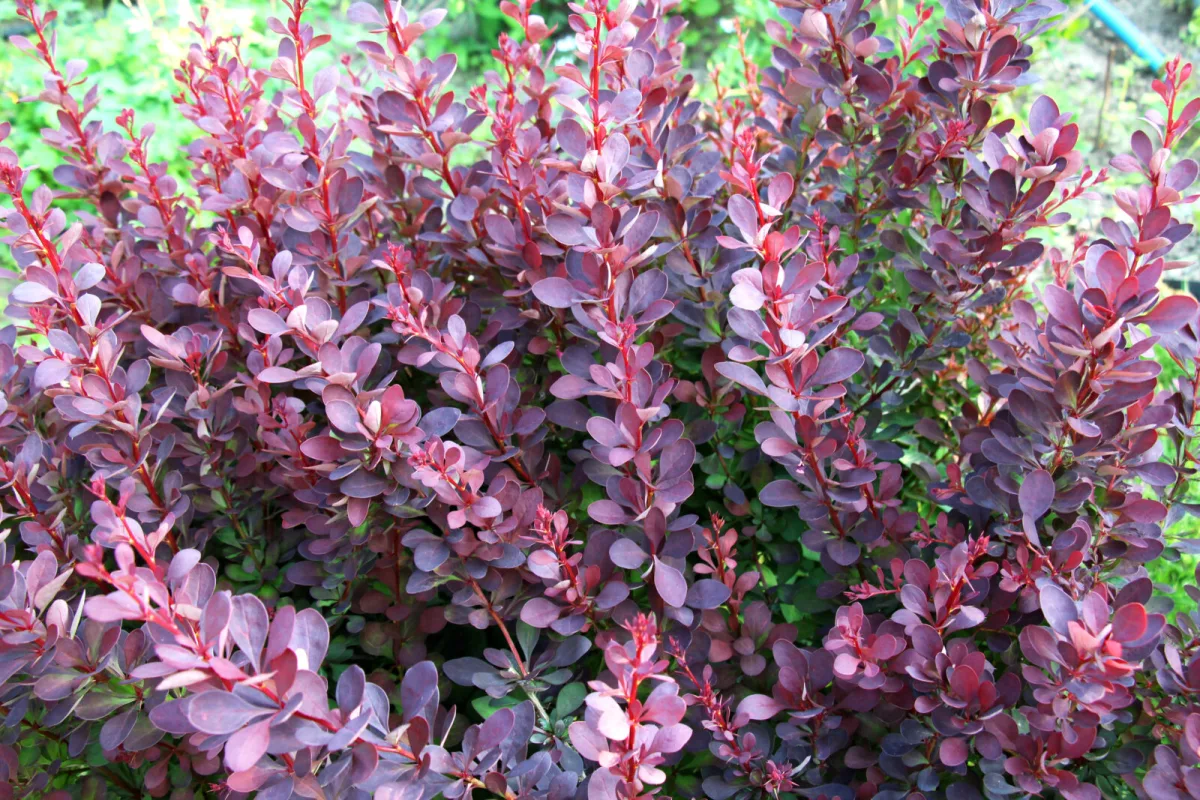
The simplest method is propagation from cuttings in summer. Take healthy, semi-ripe shoots, remove the lower leaves, and insert the cuttings into a low-nutrient growing medium kept lightly moist. If a shrub becomes bare at the base or loses its shape over time, it can be rejuvenated with harder pruning to encourage fresh new growth.
Toxicity and edible berries
With barberries, it’s important to distinguish the species. Common barberry is known for its edible, tart berries, used for jams, syrups or sauces. In many ornamental species, the berries and other parts of the plant may be considered mildly toxic and are not suitable for direct consumption. As a general rule, be cautious: if you’re not 100% sure of the species, don’t harvest the berries for the kitchen.
What to consider before planting
Besides the thorns, the key issue is choosing the right species for local conditions. Some barberries can spread undesirably in certain regions. Before buying, consider whether that species is advised against where you live, and choose cultivars that are well proven and suitable for your area. A well-chosen barberry will reward you with longevity, colour and minimal maintenance.
Source: Gardening Know How, Plantura Magazine , Pestrazahrada.cz
Related articles
The Christmas Amaryllis That Can Bloom for Years but Most People Throw It Away After Flowering
Hippeastrum is a spectacular winter-blooming bulb that, with the right care, will flower again year after year. Learn how to plant it correctly, look after it after flowering, and bring it into dormancy so it reliably reblooms.
How to Grow Winter Garlic for a Much Bigger Harvest
Autumn planting is the key to strong, healthy winter garlic, but the details make all the difference. With the right timing, bed choice, seed-clove treatment and a simple bicarbonate trick, you can noticeably boost yield.
A tree or shrub planted properly in autumn can outpace spring stock and improve fruiting
Many fruit trees and soft-fruit shrubs establish better when planted in autumn, because roots keep growing while the top is dormant. Done well, this head start means stronger spring growth, less watering, and a healthier first year.
Comments (0)
Be the first to comment.