
 English
  Polski
  Deutsch
  Nederlands
  Svenska
  Norsk
Norsk  Dansk
Dansk  Français
  Italiano
  Español
  Português
  Slovenčina
  Suomi
Suomi  Gaeilge
 A Simple Kitchen Ingredient That Works Wonders for Strawberries and Brings a Bigger Healthier Crop
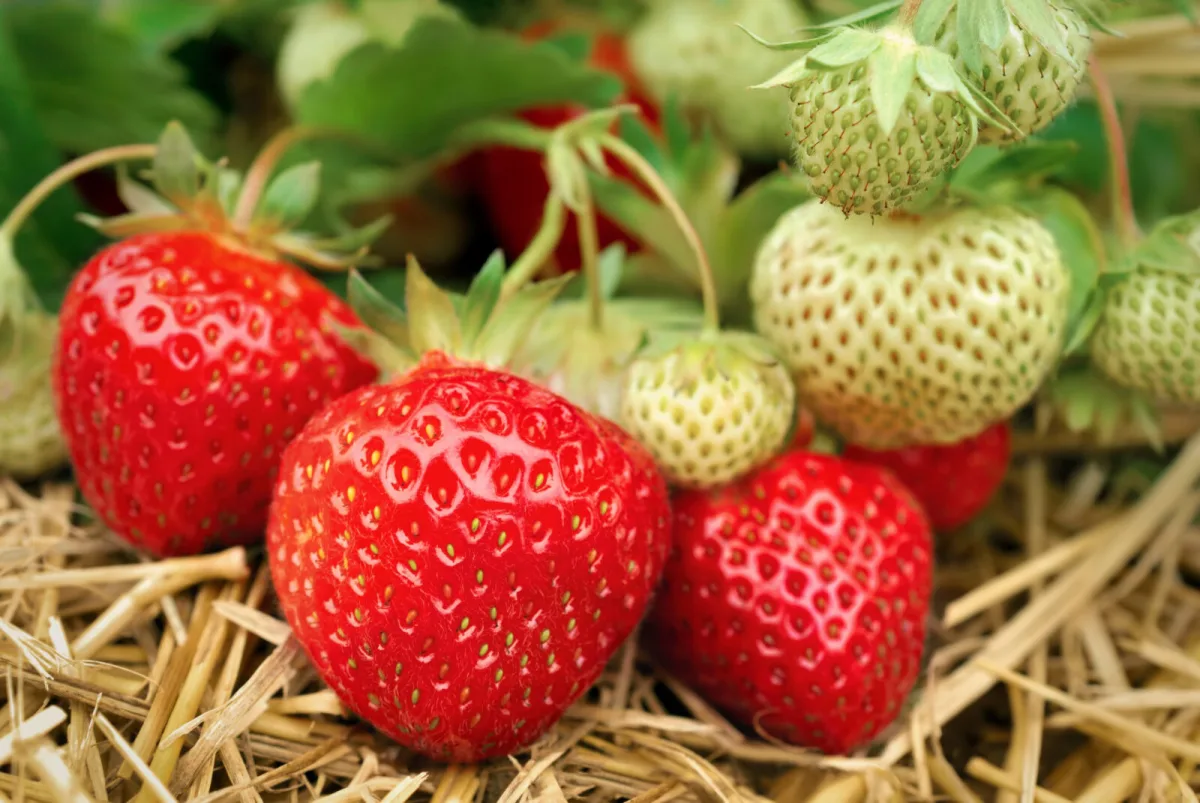
Many gardeners reach for expensive fertilisers even though they often have effective support for strawberries right at home. Ordinary yeast is one of the most accessible helpers, and it can noticeably strengthen plants. With regular use, strawberry plants are often more vigorous, set flowers better, and the result is larger, juicier fruit. It’s also a way to improve the condition of your planting without unnecessary chemicals.
Growers’ experience shows that properly prepared yeast feed can support root growth and overall resilience. Strawberries then tend to have fewer issues with disease, recover better, and look stronger through flowering and fruiting. Some gardeners report that, with good care, the crop can be several times higher than in previous years.
Why fertilising at the right time matters
Targeted feeding makes the biggest difference when strawberries are in flower and preparing to form fruit. That’s when the plants’ demands are higher, and well-chosen nutrition can influence the number of flowers, the size of the berries, and how long the plants stay in good condition. Before you start watering in any feed, it pays to prepare the bed. Lightly loosen the soil around the plants so air and water can reach the nutrients more easily, and water the bed thoroughly beforehand.
Three homemade fertilisers you can combine
The following method comes from the practice of growers who use three types of natural feed. Each works a little differently, but together they create balanced support for growth and fruiting. You can usually find all the ingredients easily at home or in the garden.
Green fertiliser from nettles
Pack chopped nettles into a large container, such as a bucket or barrel. Cover with water so the nettles are submerged, and leave the mixture to stand for about 7 days. During this time it ferments, creating a strong liquid feed that’s used after dilution.
Yeast fertiliser from yeast and sugar
Mix 100 g yeast with 100 g sugar and pour over 3 litres of water. Leave the mixture to ferment for around 10 days. If you want to speed up fermentation, use lukewarm water at about 35 °C and place the container in a warmer spot, such as a greenhouse. Before use, the solution should be calmer and clearer—without heavy cloudiness and vigorous bubbling.
Bread fertiliser to support the soil
Fill about one third of a 5-litre bucket with dry bread and top up with room-temperature water. Leave the mixture to stand for roughly 3 days. You’ll get a gently fermented infusion, which is used as part of the final feed.
How to make the final feed and how to dose it
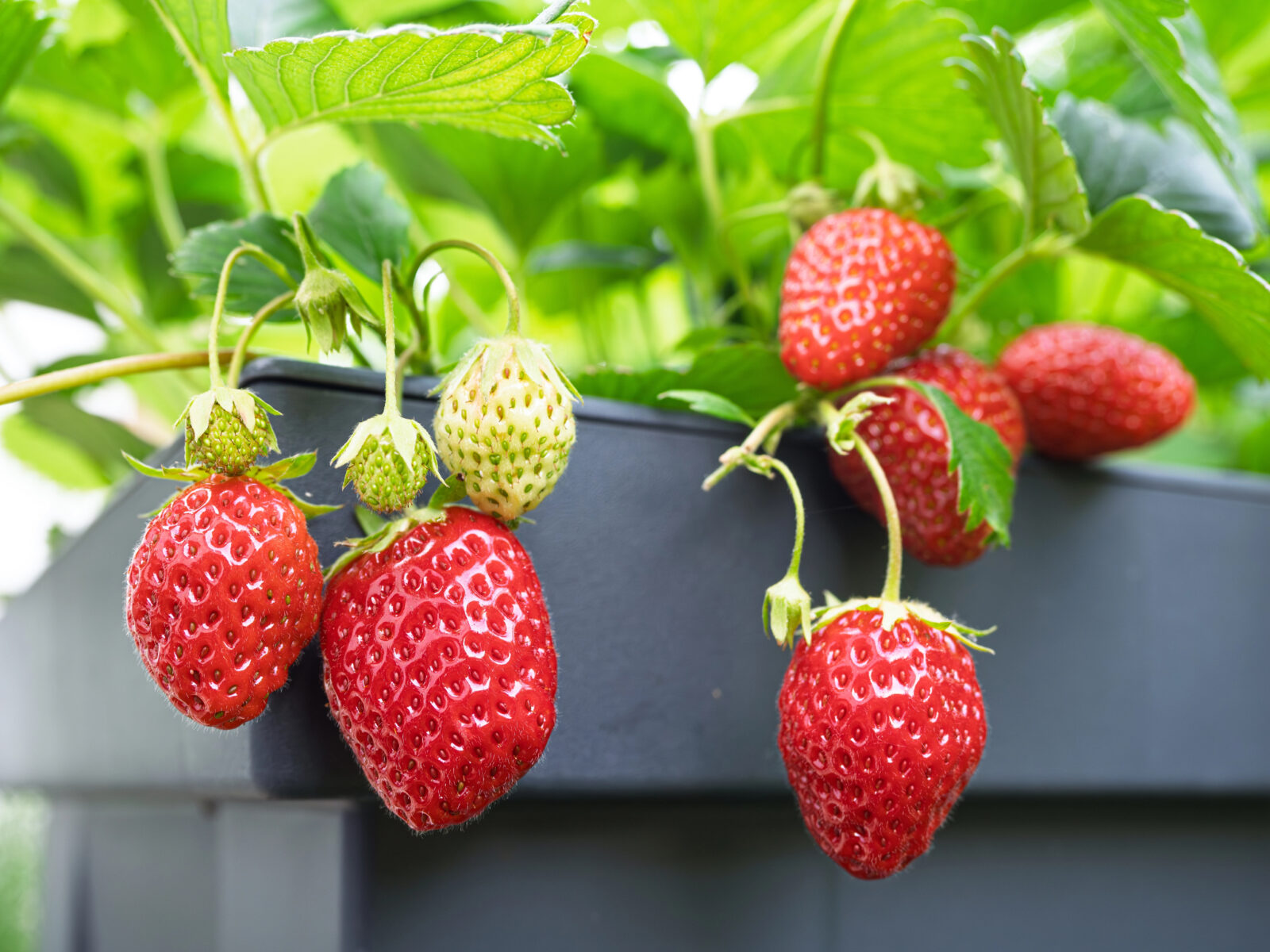
Pour 1 litre of nettle fertiliser, 1 litre of yeast fertiliser, and 1 litre of bread fertiliser into a large bucket. Together you’ll have 3 litres of concentrated mix. This needs to be diluted with water at a ratio of 1:8, which in practice means adding about 24 litres of water. Apply roughly 1 litre of this diluted feed under each strawberry plant.
To support fruiting, it’s recommended to repeat feeding once a week during the period when strawberries are growing strongly and flowering. Once the berries start to colour up and ripen, it’s best to adjust the approach and, at this stage, use only the green feed—diluted nettle fertiliser. This gives plants gentle support without putting unnecessary strain on them during ripening.
What to expect with regular care
With correct dilution and sensible dosing, strawberry plants are usually stronger, flower better, and the fruit is often larger and sweeter. Another advantage is that this is a homemade, low-cost solution using everyday ingredients. The key is not to overdo the concentration, to stick to the preparation and dilution, and to always feed onto soil that has been watered beforehand. That way, nutrients reach the roots gradually, and strawberries can make the most of the feed.
Source: To je nápad, RHS, The Spruce, Pestrazahrada.cz

A lover of nature, gardens, and everything that moves, blooms, or grows. He literally grows everything, from herbs to rare species, and he enjoys caring for animals just as much. In his work, he connects modern technology with tried-and-tested grandmotherly methods and is happy when both paths lead to the same goal.
Related articles
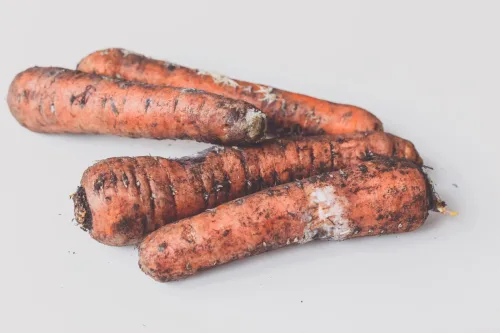
Next year you can harvest better if you don’t sow carrots where they won’t thrive
Carrot root fly can ruin carrots, parsley and celery from the inside out, often without obvious warning until harvest. Better site choice, rotation, later sowing and simple physical barriers can dramatically cut damage next season.
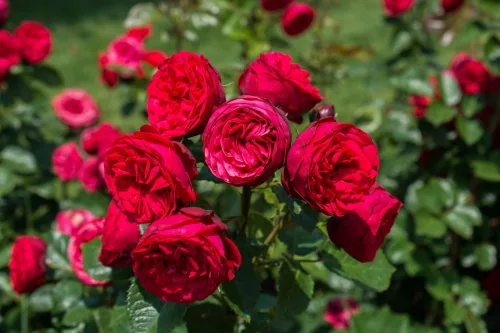
How to Propagate Roses from Cuttings at Home and Fill Your Garden with Blooms Almost for Free
Want more roses without paying for new plants? With a few healthy cuttings and a simple plastic-bottle mini greenhouse, you can root new bushes at home in just a few weeks.
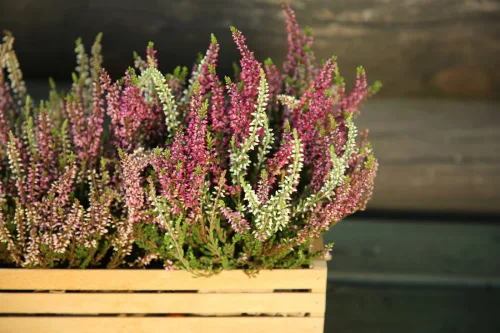
Heathers can cope where other plants won’t, but one soil detail decides everything
Heathers and heaths are tough evergreen shrubs that can flower across the seasons when you choose the right types. Success hinges on matching the plant to your soil pH and ensuring free drainage.
Comments (0)
Be the first to comment.