
 English
  Polski
  Deutsch
  Nederlands
  Svenska
  Norsk
Norsk  Dansk
Dansk  Français
  Italiano
  Español
  Português
  Slovenčina
  Suomi
Suomi  Gaeilge
 A Few Simple Tricks for Masses of Flowers on Hardy Hibiscus
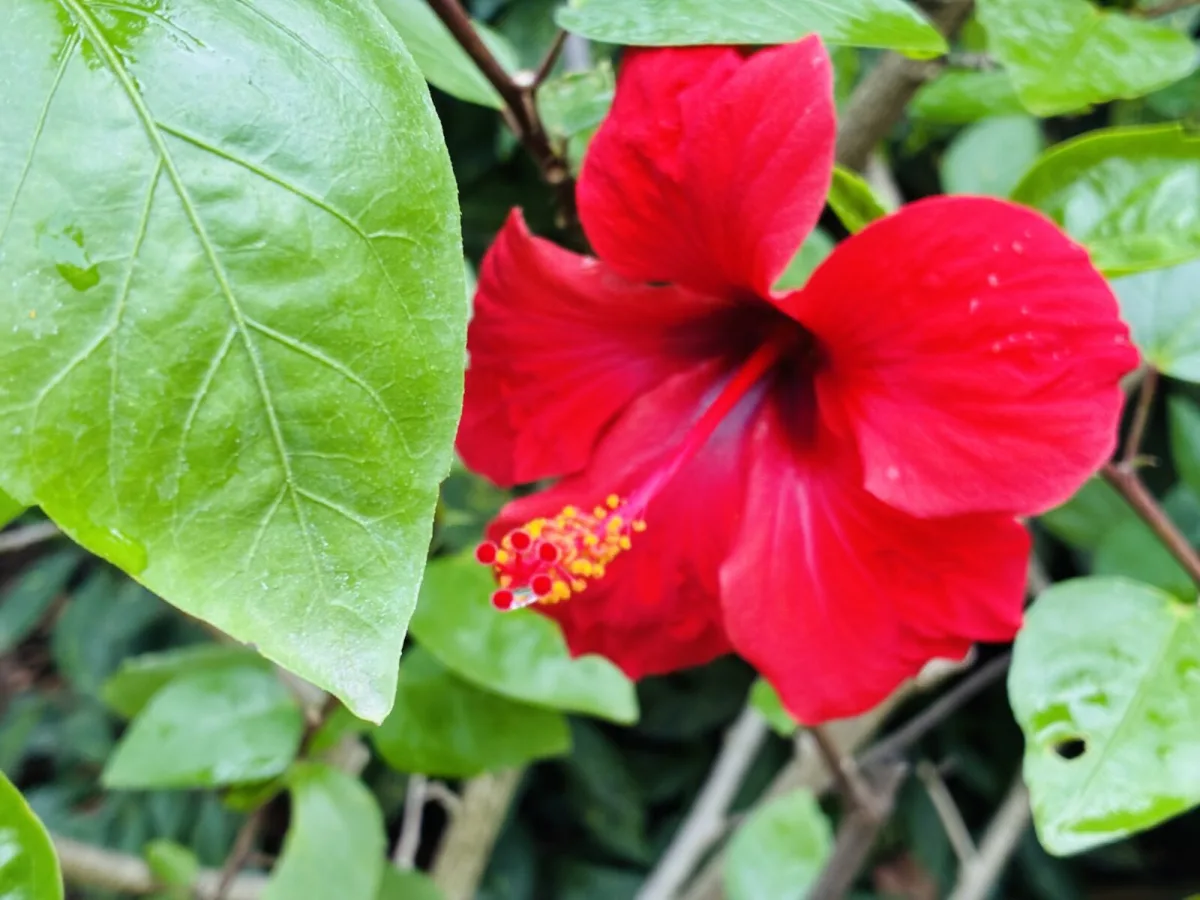
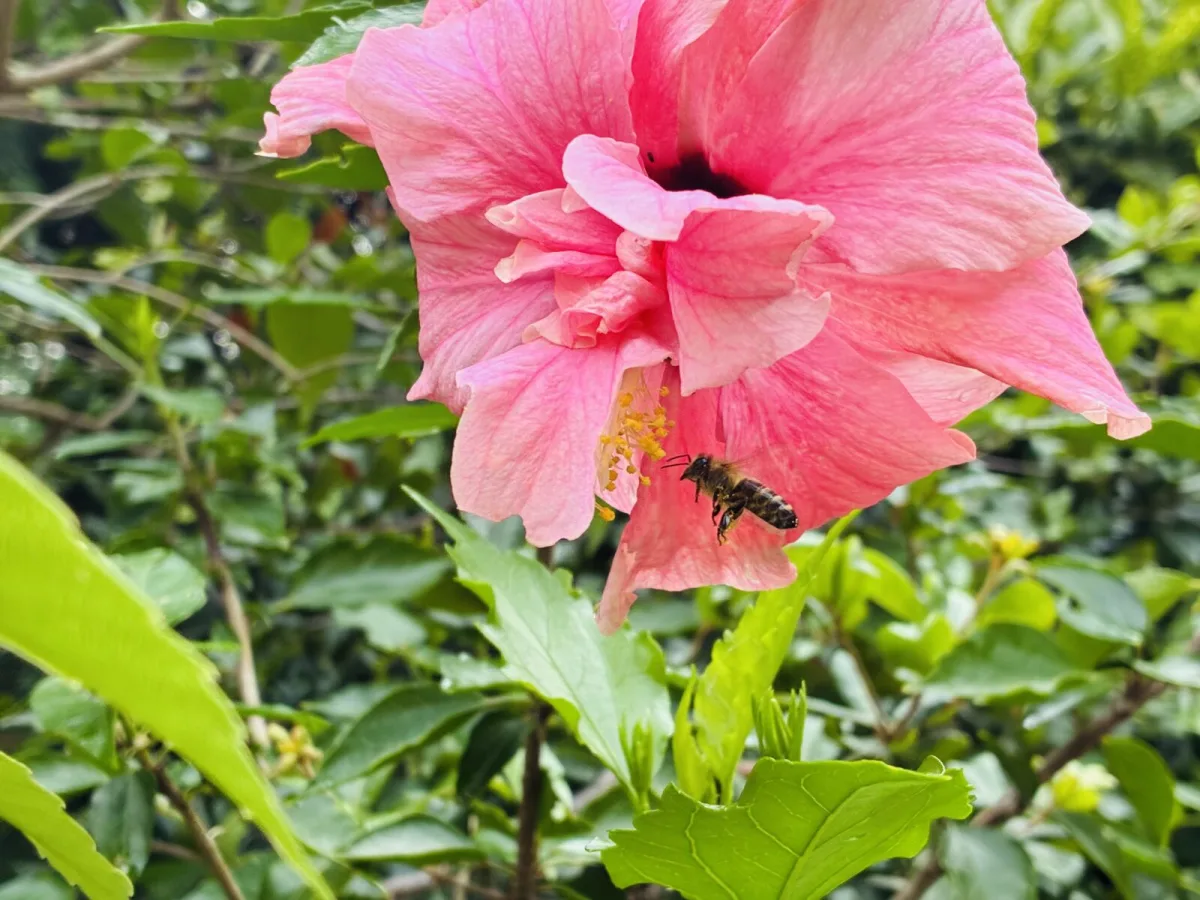
Hardy hibiscus is one of those plants that looks exotic at first glance and brings a striking burst of colour to the border. Its biggest asset is the showy, flat blooms reminiscent of hollyhocks; in some species and cultivars they can grow as large as a dinner plate. Beyond its looks, it also attracts butterflies and hummingbirds where they naturally occur. In Central Europe you won’t meet hummingbirds, but the flowers still reliably draw pollinators and other beneficial insects.
The name hibiscus covers several groups of plants, from annuals to shrubs and even small trees. This article focuses on hardy, herbaceous types grown mainly for their large, disk-like blooms. Some reach an impressive height and spread, while others come in compact, dwarf forms suited to smaller gardens.
When to plant hibiscus and how to propagate it
The easiest option is to buy a well-grown plant from a garden centre and plant it in spring, when it has plenty of time to root in properly. If you already have a suitable parent plant, you can also take cuttings in spring and root them on. Growing from seed is possible, but it takes more patience and a longer lead time.
For sowing, it’s practical to start indoors about twelve weeks before the last spring frosts. Before sowing, it’s worth soaking the seeds for about an hour in very warm water to encourage more even germination. If you want to sow outdoors, wait until the danger of frost has passed, because young plants are sensitive.
Choosing a site and preparing the soil
For heavy flowering, light is the single most important factor. Hibiscus will cope with partial shade, but it usually flowers less and the blooms may be smaller. The ideal spot is therefore full sun, where the plant gets plenty of direct light during the day. It also pays to consider shelter from strong winds, because tall stems and large flowers can be prone to snapping.
The soil should be free-draining and fertile, with plenty of organic matter. Hibiscus generally does best in soil that is neutral to slightly acidic. If your soil is heavy and holds water, lighten it with compost and a material that improves drainage. Waterlogging can weaken the plant, while consistently moist, lightly damp soil supports strong growth and bud formation.
How to plant correctly and what spacing to use
Plant container-grown plants so the base of the stems sits roughly level with the soil surface, rather than being buried too deeply. After planting, a thorough watering is important: it helps the soil settle around the roots and reduces air pockets. For types that die back completely over winter and reshoot in spring, a spacing of about 60 to 90 cm is often recommended, but it always depends on the specific cultivar.
It’s sensible to plan ahead for the plant’s mature size. In good conditions, some hardy hibiscus can bulk up and spread significantly, so planting too close later results in poorer airflow, increased disease pressure and weaker flowering. Leaving breathing space around the plant is therefore part of good care from the start.
Watering, mulch and feeding through the season
Hardy hibiscus likes regular moisture, especially while it is establishing and during hot spells. This isn’t about frequent surface sprinkling, but rather deep, thorough watering that soaks the root zone. Young plants react more sharply to drying out, so a consistent watering routine is particularly important for them.
Mulch around the plant helps retain soil moisture, suppresses weeds, and also gives the roots a degree of winter protection. However, don’t pile mulch right up against the stems, so the tissue can dry and the risk of fungal issues is reduced.
In spring, when the plant starts into growth, adding a balanced fertiliser works well. During the growing season, hibiscus can benefit from feeding with a mix higher in potassium, with moderate to moderately higher nitrogen, and lower phosphorus, as some hibiscus can be more sensitive to phosphorus. Good nutrition typically shows up as sturdier stems and a better willingness to flower.
Pruning and encouraging repeat flowering
With hardy hibiscus, it’s normal for the above-ground growth to die back in winter and reshoot from the roots in spring. That’s why old stems are cut back to ground level after the season or at the end of winter. It’s also important to know that flowers appear on new growth made that year, so the main cut-back is best done in spring.
To extend the flowering period, you can regularly remove spent blooms before they form seed pods. Another option is to cut the plant back by about a third after the first flush of flowers, which can encourage new buds. Choose the approach based on the species and the plant’s vigour, because too severe a cut on weaker plants can slow growth instead.
Dividing clumps and long-term care
Older, well-established plants can be divided in spring to rejuvenate them or to produce new plants. Spring division is better than autumn, because the plant then has the whole season to rebuild its roots. After dividing, regular watering is crucial, along with temporary protection from harsh sun if spring weather suddenly turns hot.
Pests, diseases and preventing problems
Common hibiscus pests include aphids, Japanese beetles and whitefly. Infestations typically show up as distorted leaves, weakened growth, or damaged flowers and buds. Checking the undersides of leaves and the young shoots in good time helps you catch the problem before it spreads.
Among diseases, fungal leaf spots can appear, especially if the planting is dense and foliage stays wet for a long time after rain or watering. Key prevention includes clearing away plant debris, allowing adequate spacing, and avoiding persistent wetness right at the stems. Good border hygiene often determines whether the plant stays vigorous over the long term.
Selected species and popular types of hardy hibiscus
Notable species include the scarlet rose mallow, also known as the Texas star. It has five-petalled, vivid red flowers and can shoot up to an impressive height in a single season, dying back in winter and returning in spring. Another very popular group is the swamp rose mallow, often referred to as the classic dinner-plate hibiscus because it carries exceptionally large blooms. It typically flowers from late summer into autumn, and several huge flowers can open at once on a single plant.
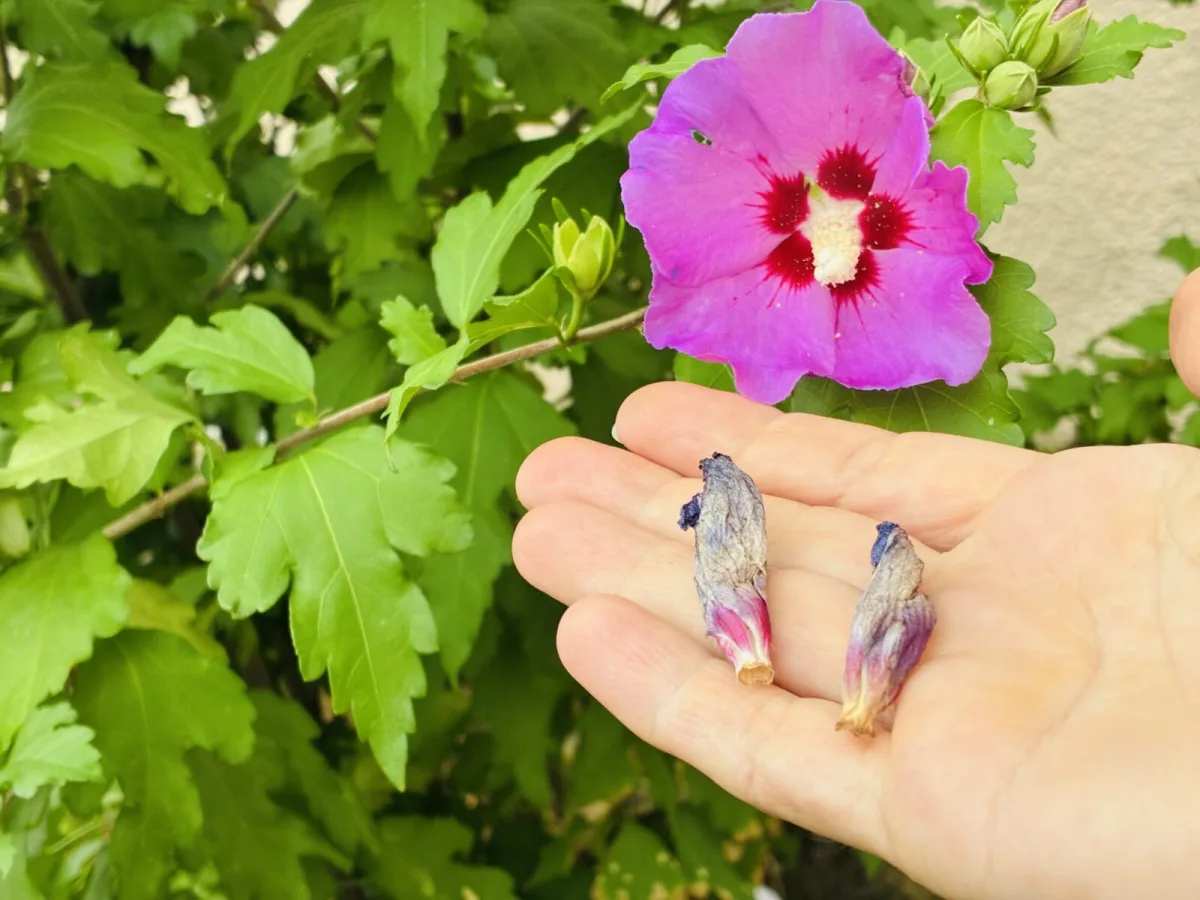
Cultivars vary in colour, the eye pattern in the centre of the flower, and even leaf colour. You’ll find types with pink flowers, forms with a deep burgundy centre, and selections with decorative, deeply cut foliage. When choosing, it’s worth looking not only at the flower shade but also the final height and spread, so the plant doesn’t outgrow the space you have for it.
Interesting facts about hibiscus
Hibiscus has a long tradition beyond ornamental gardening. In folk use, different parts of the plant are mentioned in connection with soothing issues such as headaches, strained limbs, coughs or inflammatory conditions, although it always depends on the specific species and how it’s prepared. The well-known hibiscus tea is usually made from a different species, roselle (Hibiscus sabdariffa), which is grown in warmer regions and is widespread in Africa and the Americas.
In the language of flowers, hibiscus was once seen as a symbol of gentle beauty. The cultural status of yellow hibiscus is also interesting, as it is the state flower of Hawaii. That only confirms how strong an impression this plant can make across many different parts of the world.
Source: Almanac, Rhs , Pestrazahrada.cz
Related articles
Drought tolerant fruit trees for Czech gardens that handle heat and winter frosts
Warmer summers and longer dry spells are changing what can be grown in Czech gardens. With the right variety and a sunny, sheltered spot, olives, pomegranates and figs can cope with heat, drought and even winter cold.
Thuja hedges are on the way out gardeners are choosing a shrub that shrugs off frost and drought and never looks dull
Thuja may be a long-standing classic, but today’s hedges are increasingly built from more varied shrubs that look better through the seasons. One standout choice is ninebark, prized for its toughness, colour and easy care.
Autumn planted grapevines bud earlier the most common mistake happens before they even go in the ground
Planting grapevines in November can give them a head start in spring, as roots can still establish in warm soil. Success depends mainly on proper planting depth and reliable winter protection.
Comments (0)
Be the first to comment.