
 English
  Polski
  Deutsch
  Nederlands
  Svenska
  Norsk
Norsk  Dansk
Dansk  Français
  Italiano
  Español
  Português
  Slovenčina
  Suomi
Suomi  Gaeilge
 Sow Once and Your Border Will Bloom for Years
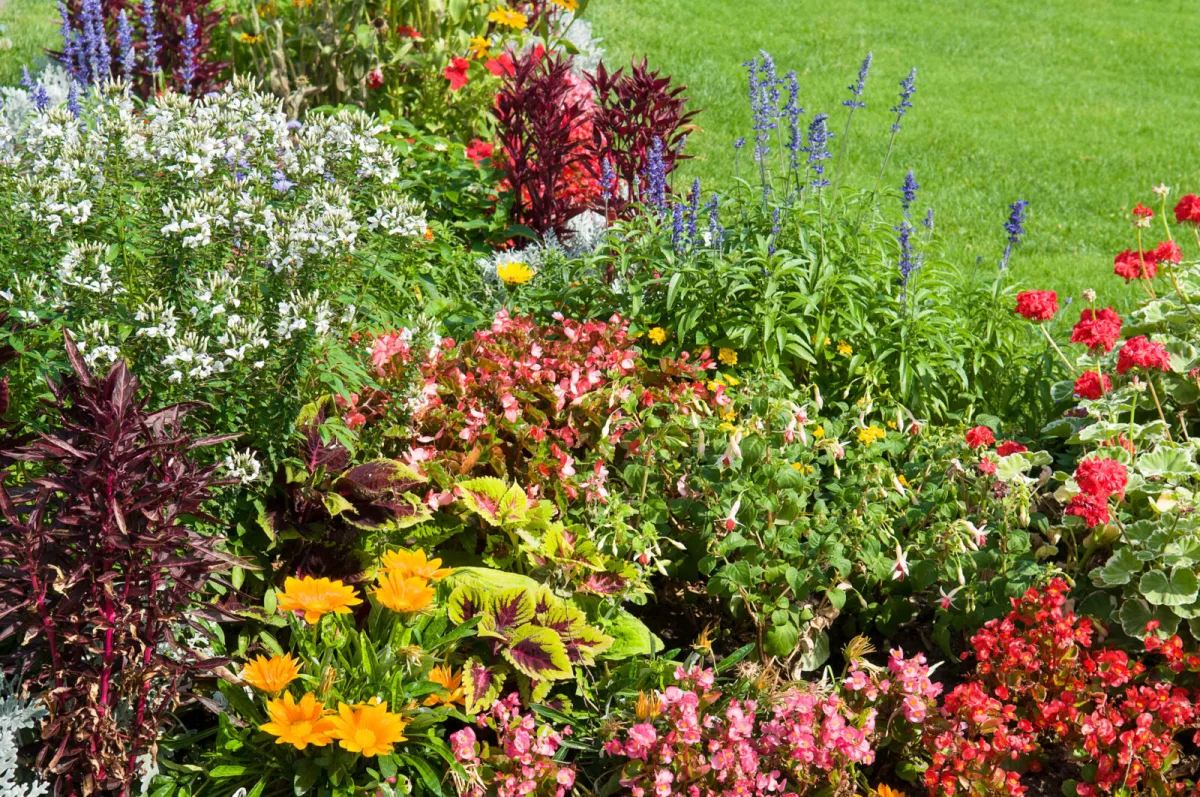
Self-seeding flowers are an easy way to enjoy reliable colour without having to sow again or plant new stock every year. After flowering, they set seed, scatter it naturally through the border, and germinate the following season. They suit naturalistic plantings, country cottages and town gardens alike, because they’re excellent at filling bare patches and gradually building the feel of a flower-filled meadow.
A major benefit is that many of these plants also support pollinators. If you give them room and resist over-tidying the bed immediately after flowering, you’ll be rewarded with another wave of plants that pop up exactly where they’re happiest. Below is a selection of species that are typical self-seeders and often prove very dependable in the garden.
Classics from wildflower meadows and cottage gardens
Corn poppy
Poppies are among the most iconic meadow flowers, which is why self-seeding is almost a given. They’re tough, vivid, and beginner-friendly. Give them a sunny spot and don’t rush to clear everything away after flowering, and they’ll often return the following year—sometimes in even greater numbers.
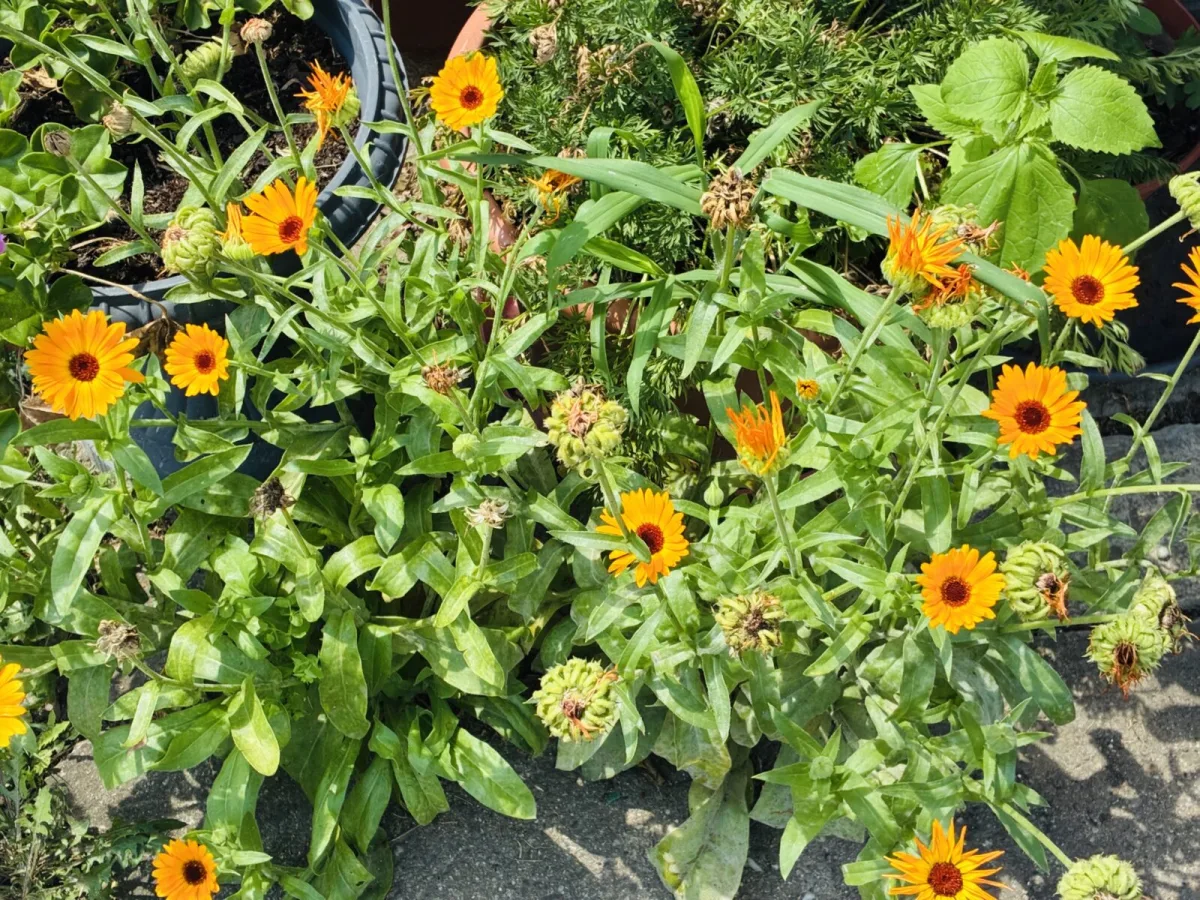
Pot marigold
Pot marigold is often confused with marigolds (Tagetes), but it’s a different plant with slightly different needs. It does best in milder temperatures and full sun, though it will cope with light partial shade. In borders and along paths it reads as a cheerful, richly coloured alternative to daisy-type flowers, and it typically has a long flowering season.
Borage
Borage is usually thought of as a herb, but its blue, starry flowers make a bold splash in the border. It’s often grown for its usefulness, yet it’s also one of those plants that really draws in pollinators. If you’d like to weave something a little unusual into your planting, borage is a wonderfully rewarding choice.
Foxglove
Foxgloves bring height and a strong vertical accent. Their tubular blooms on tall stems are hard to miss, and in naturalistic schemes they often steal the show. Thanks to self-seeding they spread readily, though it’s worth bearing in mind that taller plants may need a bit of support in exposed spots.
Cosmos
Cosmos is a cottage-garden staple. It’s undemanding, quick to grow, and has an airy, light look similar to daisies. Shorter varieties are ideal for edging, taller ones look great through the middle of borders, and they’re also popular as cut flowers.
Reliable summer colour and strong allies for pollinators
Purple coneflower
Coneflowers are proven perennials that can renew themselves under good conditions. They shine where there’s plenty of sun and drier soil, as they cope with heat extremely well. If you want to add purple and pink tones along with a plant that feels robust and natural, coneflower is a safe bet.
Sunflower
Sunflowers are dramatic and impossible to overlook, yet they’re often surprisingly low-maintenance. With enough sun they can reach truly impressive height. After flowering they set seed that may take hold in the garden, so new plants can appear the next year without any help from you.
Black-eyed Susan
This plant—known as black-eyed Susan—earns its place as a garden standby because it needs very little care. It’s useful for filling gaps in borders and for naturalistic plantings, where it can form a more continuous drift. It’s also attractive to pollinators, making it a good choice for biodiversity-friendly gardens.
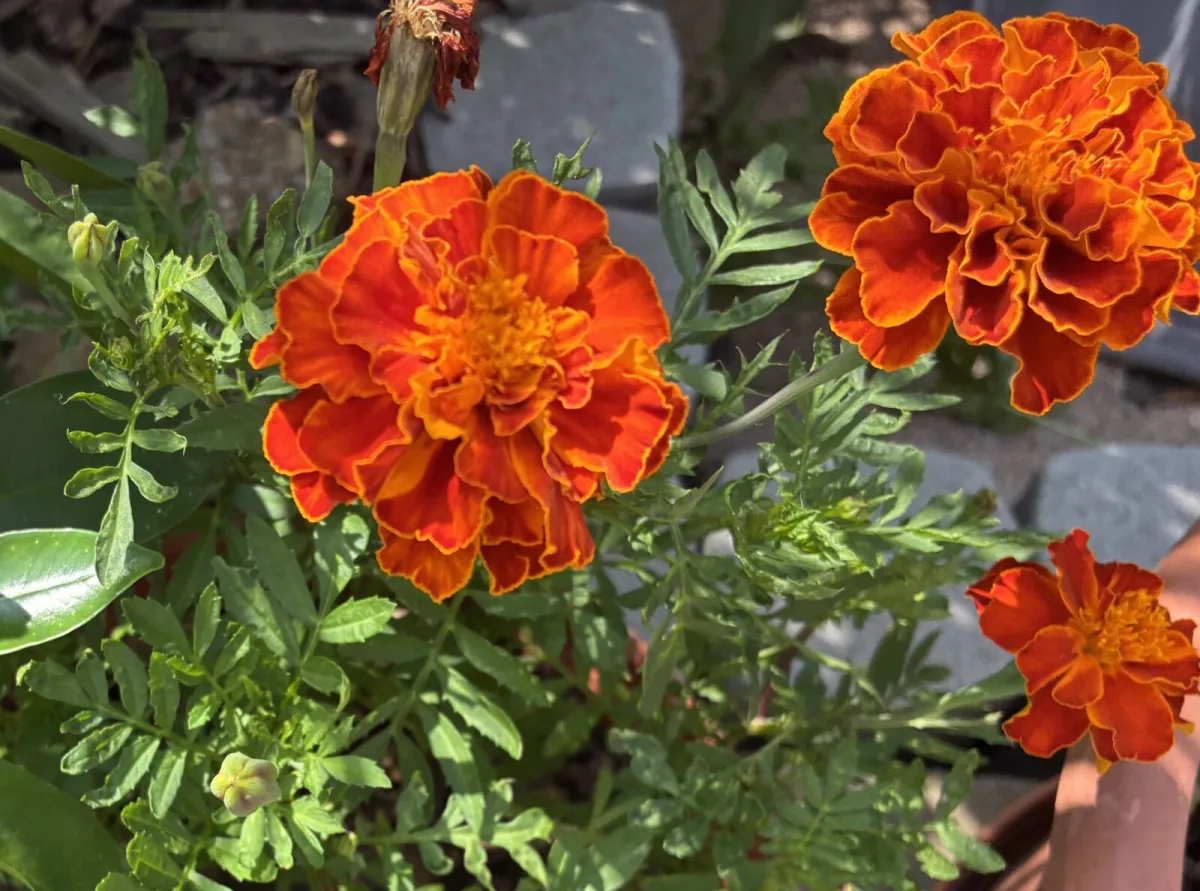
Marigold
Tagetes marigolds are dependable, cheerful, and fast-growing, so they’re ideal when you want quick summer impact. They’re often mentioned for their ability to deter certain pests, which is why many people plant them among vegetables or along the edges of beds. Self-seeding is common if you let some flowers ripen fully.
Sweet alyssum
Sweet alyssum forms low cushions of tiny flowers and can be pleasantly fragrant. Because it stays compact, it’s perfect when you want a floral carpet and to fill gaps between taller plants. It looks delicate, yet it can be surprisingly effective at covering bare soil.
Bold tall growers and elegant shade-tolerant perennials
Hollyhock
Hollyhocks can light up the garden with a range of colours while adding height to the planting. They look superb along fences and walls or at the back of a border, where their large flowers won’t swamp shorter plants. If they’re happy in your garden, they often self-seed and gradually create that unmistakable cottage-garden backdrop.
Petunia
Most people associate petunias with window boxes, but they can be just as striking in borders. They flower abundantly and come in a huge range of shades and flower forms. In milder areas they may self-seed, and if the site suits them they can reappear year after year.
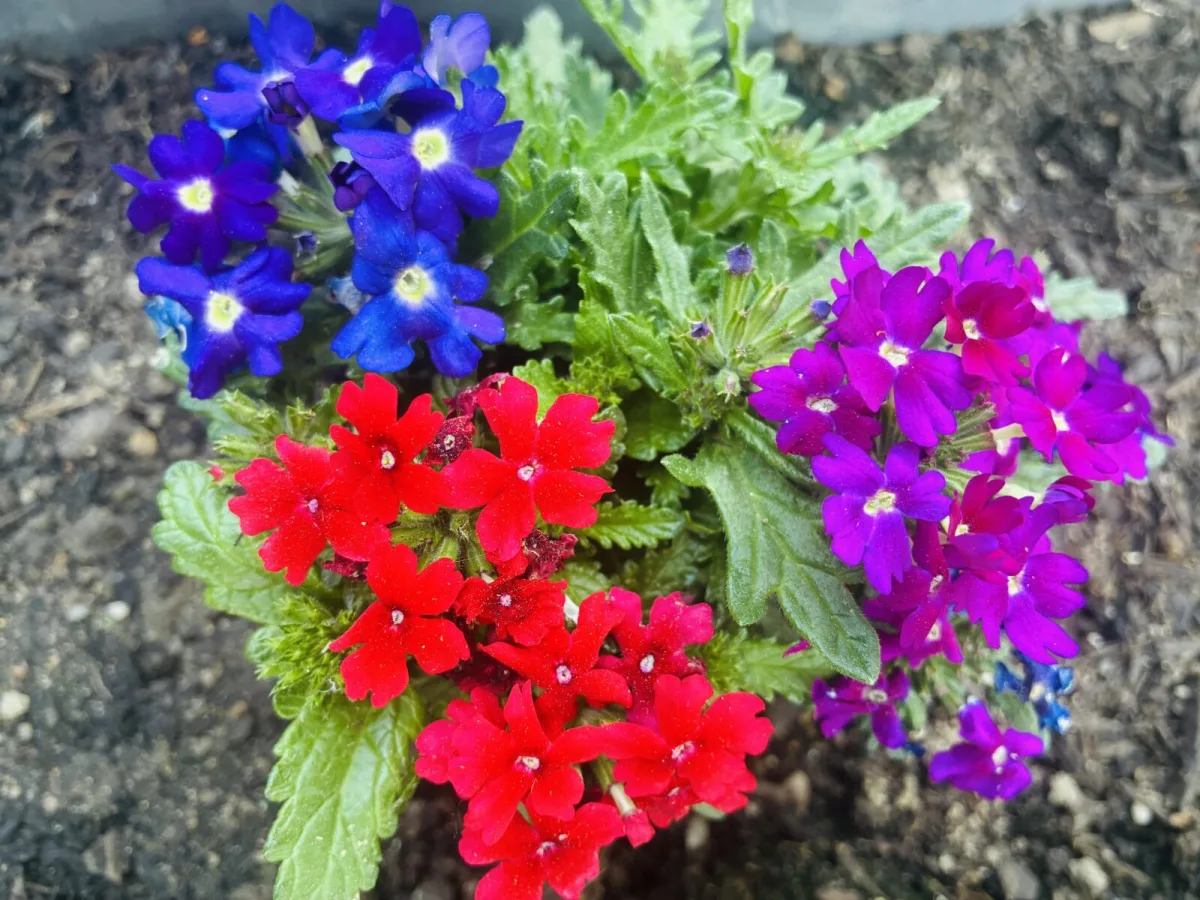
Verbena
Verbena is known not only as an ornamental with purple flowers, but also for its use in traditional herbal practices and perfumery. It has a light, airy presence yet still makes an impact, and it often blooms for a long time. With some species, however, it’s sensible to consider pet safety, as not all are suitable around animals.
Hellebore
With their strong root systems and ability to self-seed, hellebores can gradually spread and fill larger areas over time. The flowers look elegant and often come in deep, jewel-like shades. Another advantage is that they suit spots that are shadier in summer, while in winter and early spring they appreciate more light.
Columbines and other delicate plants for a natural look
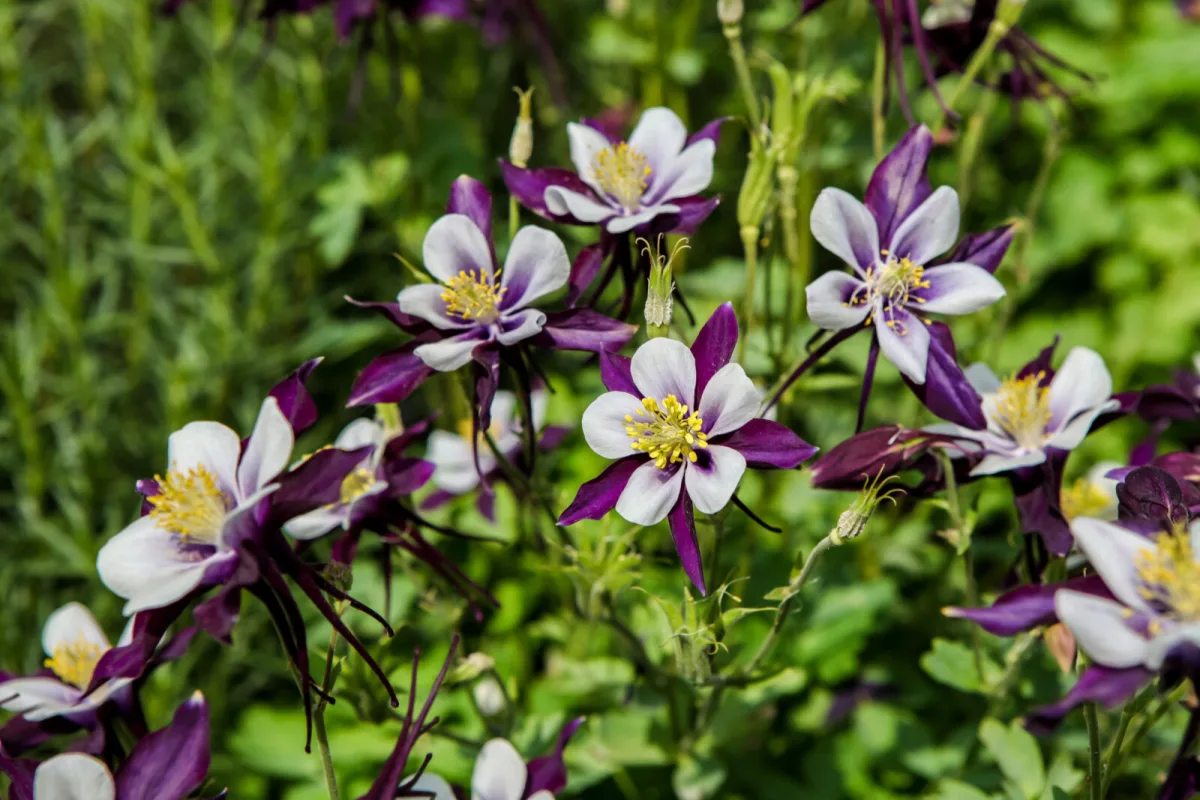
Red columbine
Columbine has flowers often likened to a jester’s cap, and that unusual silhouette makes a big impression in the border. The red form with yellow details stands out in meadows and on stonier slopes. If you want something playful yet still natural, columbine is an excellent candidate.
Columbine ‘Pink Lantern’
This variety offers the same distinctive shape, but in a softer palette. The mix of pink and white with a creamy yellow centre feels more romantic and suits gardens that lean towards an English style rather than bold primary colours. Here too, if you let plants set seed, they’ll often show up again the following year.
White corydalis
Corydalis is a delicately pretty plant with a long flowering period. It spreads gradually but steadily, making it a good choice if you’d like a border to thicken up naturally over time. It tolerates a range of light conditions, including partial shade to shade, which makes it especially useful in less sunny spots.
Golden groundsel
This species works well as a ground cover. In spring, bright yellow flowers held above a green mat of foliage create a striking effect, and the plant can expand into larger colonies. Importantly, it usually fills space without aggressive, invasive behaviour, so it suits gardens where you want natural spread that still feels manageable.
How to encourage self-seeding while keeping things tidy
If you want plants to return on their own, don’t remove every spent flower straight away. Let seed ripen on part of the planting, and in autumn or early spring avoid digging the bed too deeply, so the seed doesn’t end up buried unnecessarily. It also helps to watch where new seedlings appear, and if there are too many, simply transplant some or thin them out. That way you get a garden that renews itself, without looking neglected.
Source: The Spruce, Roots Plants , Pestrazahrada.cz
Related articles
Don’t Prune Hydrangeas in October
Tidying the garden in autumn is tempting, but October pruning can cost your hydrangeas next year’s flowers. Only two light interventions make sense this time of year; everything else is best left until the right season.
A Pineapple Top Will Root in Two Weeks, but Success Depends on the Step Most People Skip
Don’t throw away the leafy crown when you cut a pineapple. With the right prep, light, warmth and careful watering, you can root it and grow a houseplant that may eventually fruit.
Overwintering Geraniums in a Box Ensures Stronger Growth and More Abundant Spring Bloom
Many people throw balcony geraniums away after the season, even though they can overwinter very well. Stored correctly in a box in cool, dark, dry conditions, they’ll come back stronger and flower generously in spring.
Comments (0)
Be the first to comment.