
 English
  Polski
  Deutsch
  Nederlands
  Svenska
  Norsk
Norsk  Dansk
Dansk  Français
  Italiano
  Español
  Português
  Slovenčina
  Suomi
Suomi  Gaeilge
 How to Set Lawn Watering Times for a Healthy, Dense Turf
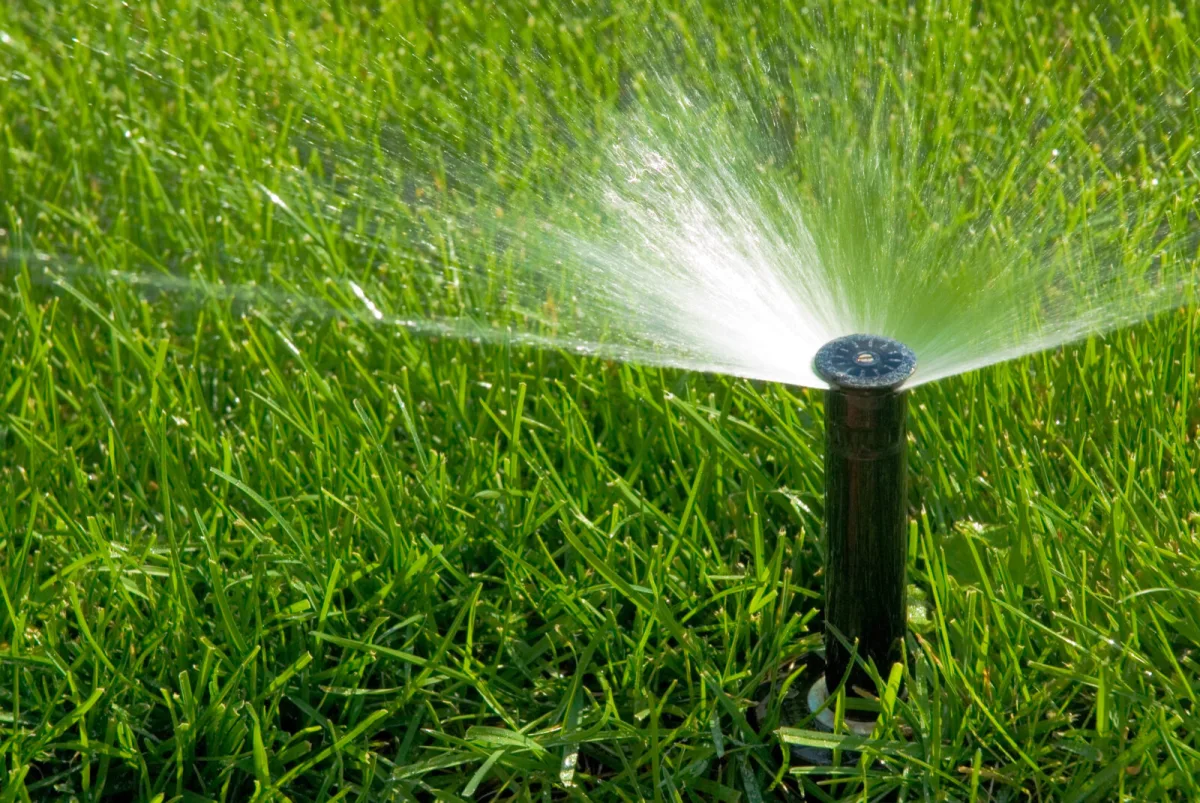
A lawn needs water regularly, but watering at the wrong time often does more harm than good. If you irrigate at an unsuitable time, the water may evaporate before it reaches the roots, or it may sit on the blades for too long and create ideal conditions for fungal disease. Proper timing encourages deeper rooting, more even growth, and better resistance to drought and wear.
Early morning is the best choice
The most suitable window is usually around 4:30–7:30, depending on the season and sunrise. Morning air is cooler, so evaporation is low and the water has time to soak into the soil to the depth you need. At the same time, the leaves dry during the day, which greatly reduces the risk of fungal diseases. Morning irrigation also avoids water sitting on the grass overnight, which is the classic problem with evening watering.
Why evening watering often causes problems
Evening can seem practical, but the lawn stays wet for a long time after watering. Combined with a cooler night and limited air movement, this encourages moulds and leaf spot. If you must water in the evening, choose an earlier time so the turf can at least partially dry. In most cases, however, morning is safer and more effective in the long run.
How long to water so moisture reaches the roots
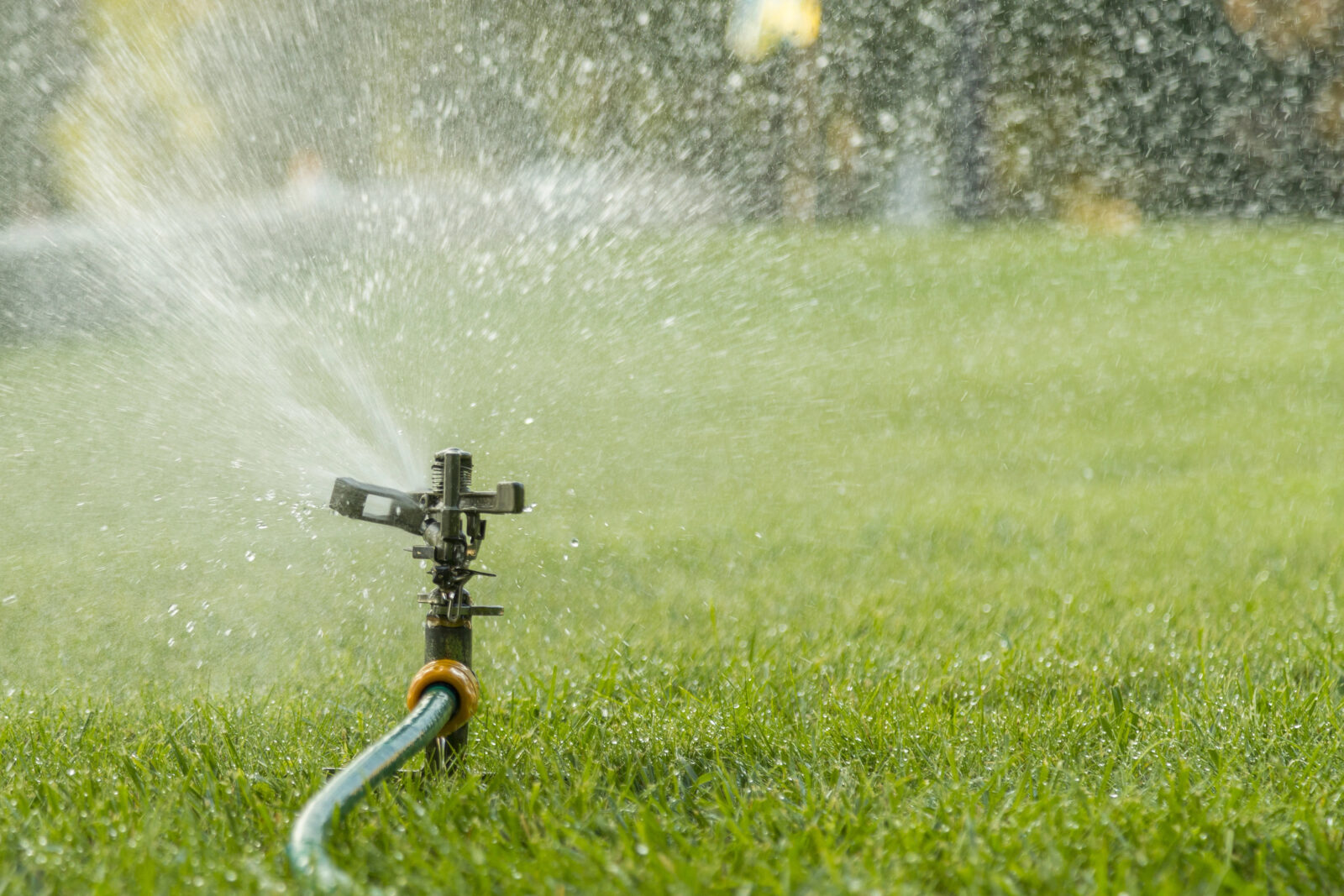
The goal of irrigation isn’t just to wet the surface, but to moisten the soil to roughly 10–15 cm deep. Run time depends on the nozzles, pressure, soil type, and temperature. Spray heads typically need about 5–15 minutes, rotors roughly 15–40 minutes, and drip irrigation along edges or narrow strips often 30–60 minutes.
Practical test: After watering, try pushing a screwdriver or steel rod into the ground. If it goes smoothly to a depth of 10–15 cm, the watering was sufficient. If you hit a dry layer, you need to add time or split watering into several shorter cycles.
Frequency by season and soil type
In spring (April–May), 2–3 waterings per week are often enough, depending on rainfall and night temperatures. In summer (June–August), you’ll commonly be at 3–5 waterings per week, and during heatwaves even more often if the soil can’t hold water. In September the need typically drops to 2–3 waterings a week, and in October 1–2 often suffice, with a gradual shift to natural rainfall.
Sandy soils dry out quickly, so it’s better to water more often but in shorter cycles. Clay soils, on the other hand, absorb water slowly, so they do best with less frequent but longer watering, or split into two back-to-back cycles with a pause so water doesn’t run off the surface.
Watering by weather and the benefit of smart sensors
The best schedule is one that responds to reality, not the calendar. After heavy rain, running irrigation is pointless; in windy conditions, water is easily blown off target. Smart control with a weather station, rain sensor, or soil-moisture sensor can delay watering during rain, shorten it when humidity is higher, and increase it during dry spells. The result is a healthier lawn and lower water use without constant monitoring.
The most common mistake is frequent, short sprinkling
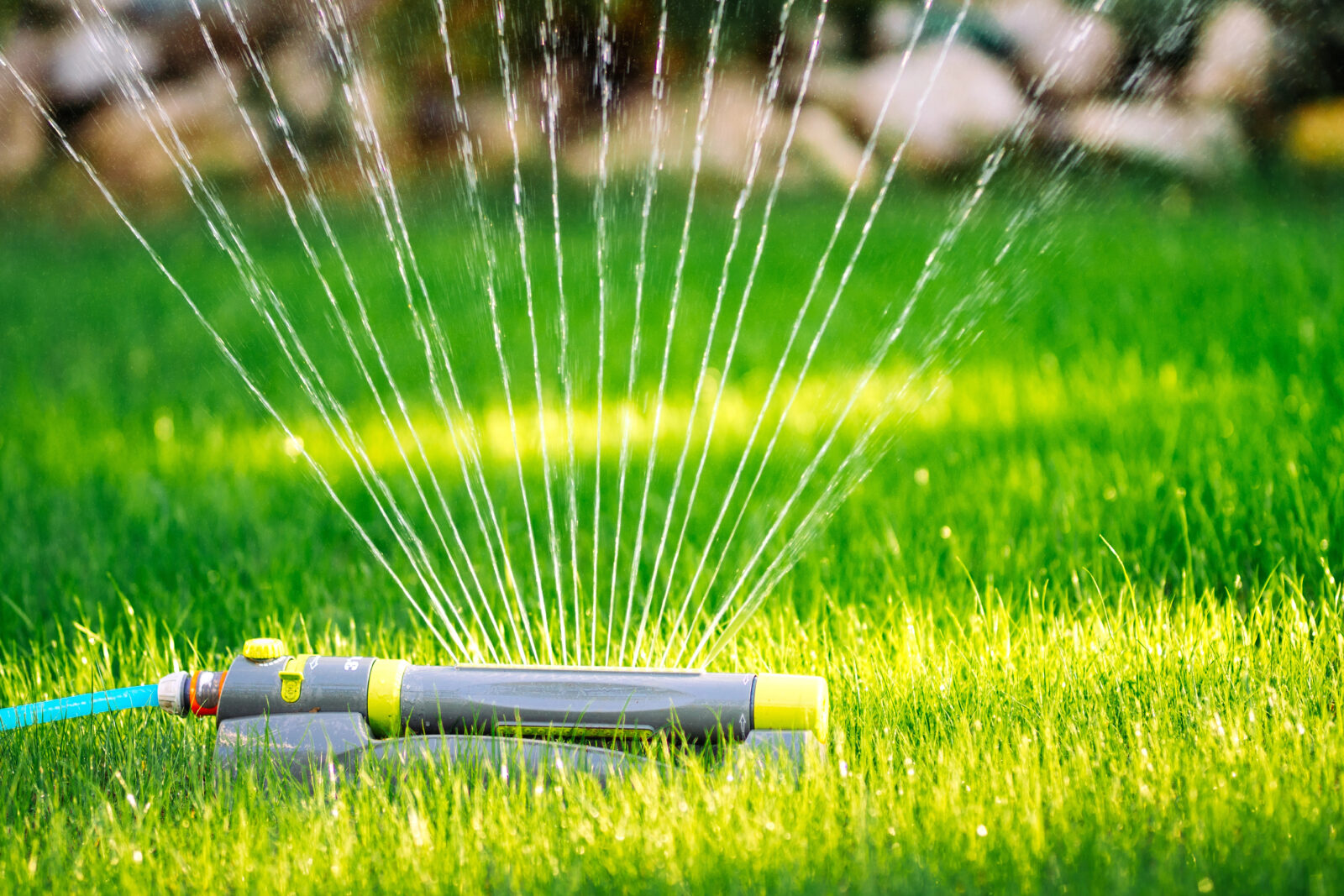
Many people water “just in case” every day for a short time. That only dampens the surface, roots stay shallow, and the lawn becomes more sensitive to heat and stress. It’s far better to water less often, but long enough for moisture to reach the root zone. Combine that with morning watering and sensible adjustments to the weather, and you’ll get a denser, tougher, and consistently better-looking lawn.
Source: Pestrazahrada.cz

A lover of nature, gardens, and everything that moves, blooms, or grows. He literally grows everything, from herbs to rare species, and he enjoys caring for animals just as much. In his work, he connects modern technology with tried-and-tested grandmotherly methods and is happy when both paths lead to the same goal.
Related articles
Autumn strawberry care takes an hour and you will be rewarded with plants laden with fruit with just three steps
After fruiting, strawberries benefit from a few timely autumn jobs that help them winter well and bounce back strongly in spring. A simple trim, the right feed, and a protective mulch can mean bigger, tastier berries next season.
Christmas cactus will bloom again even after years if you avoid one common mistake
A Christmas cactus can look perfectly healthy yet refuse to flower for years. With the right light, temperature, watering, and a gentle boost, it can set buds again and bloom reliably.
Take care with pruners on ornamental grasses Some are best cut back in autumn others in spring
Ornamental grasses bring movement and structure, but not all of them should be left standing until spring. For several warm-season and self-seeding types, an autumn cut-back keeps borders tidier and helps limit spread.
Comments (0)
Be the first to comment.