
 English
  Polski
  Deutsch
  Nederlands
  Svenska
  Norsk
Norsk  Dansk
Dansk  Français
  Italiano
  Español
  Português
  Slovenčina
  Suomi
Suomi  Gaeilge
 August decides whether cucumbers keep cropping or stay strong into October
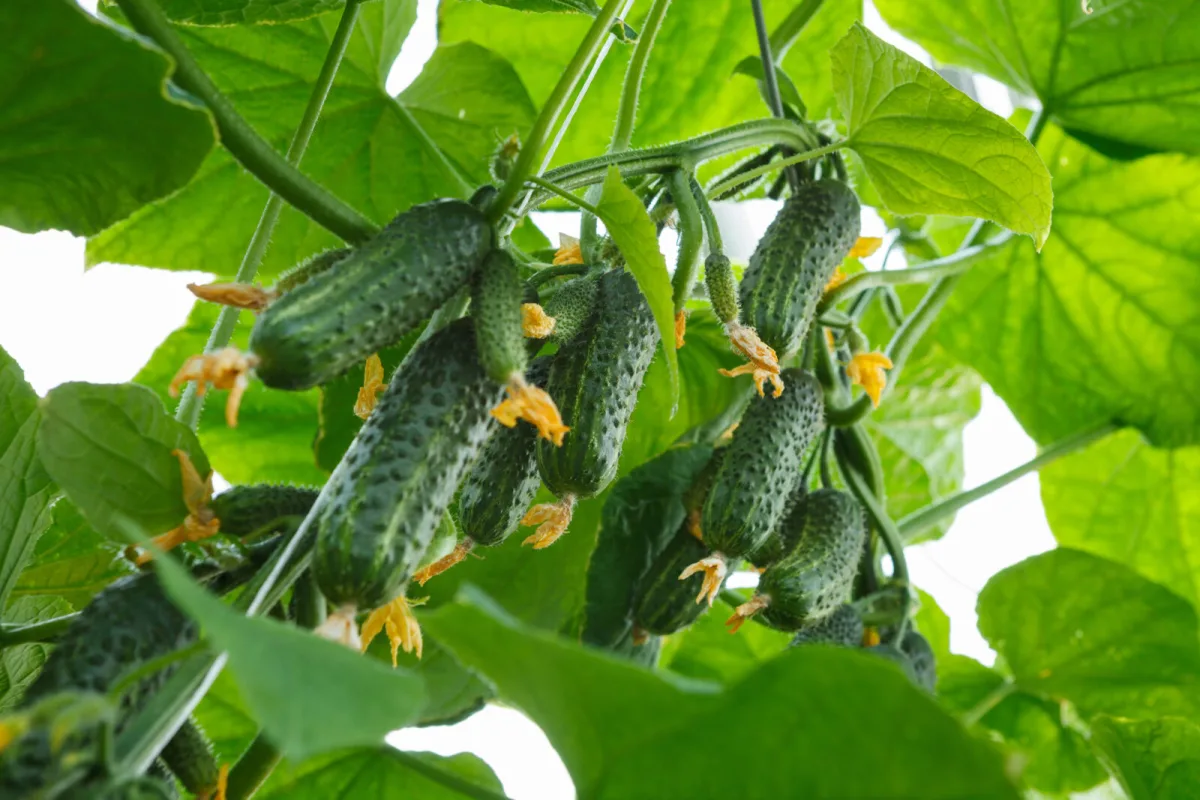
Cucumbers are among the most popular vegetables in gardens and greenhouses, but their performance changes over the season. In July they often grow like crazy, yet as summer turns toward autumn you may see plant fatigue, poorer nutrient uptake, or increased pressure from diseases and pests. August is therefore a key window when the crop can either gradually tail off or, with the right support, stay in very good condition and keep harvesting well past summer. One option to help plants during this period is a simple watering with a small addition of vinegar.
Vinegar as a helper for nutrient uptake
In August, cucumbers are still setting fruit, which means they need a steady supply of nutrients. This mentioned watering uses acetic acid, which can help make certain important elements more available in the soil. In practice, it’s said that cucumbers may then use nutrients such as potassium, calcium, and phosphorus more effectively—key for fruit set, strong tissues, and overall plant vigor. It’s not a miracle fertilizer, more a simple boost added to normal care that can help keep cucumbers in good shape for longer.
What you can gain from it
The goal of August support is to prevent the plant from stopping production at the first sign of stress. When cucumbers are taking up nutrients well and aren’t unnecessarily weakened, they usually keep forming flowers and fruit. With good weather and regular care, harvest can stretch into the autumn weeks—sometimes even into October.
A simple method for mixing the solution
Preparation is straightforward and follows a commonly recommended ratio. Use a container with roughly 10 liters of water and add 1 cup of 9% vinegar. Stir thoroughly so the vinegar disperses evenly. The solution is then applied to the roots, as a targeted drench at the base of the plant, not over the leaves.
An important detail before you apply it
Before using the solution, it’s best to moisten the soil first with plain water. This reduces the risk that the stronger mix could be too harsh on a dry root ball. Only then apply the vinegar watering to the roots so it soaks into the soil around the plant.
What to watch out for
This approach is described as suitable for cucumbers, but that doesn’t mean it will suit every vegetable. With more sensitive crops, a more acidic environment can have a different effect than you expect. That’s why it’s recommended to keep this use to cucumbers and not automatically apply the same routine to tomatoes or other beds, where results may not be the same.
Root support and preventing soil problems
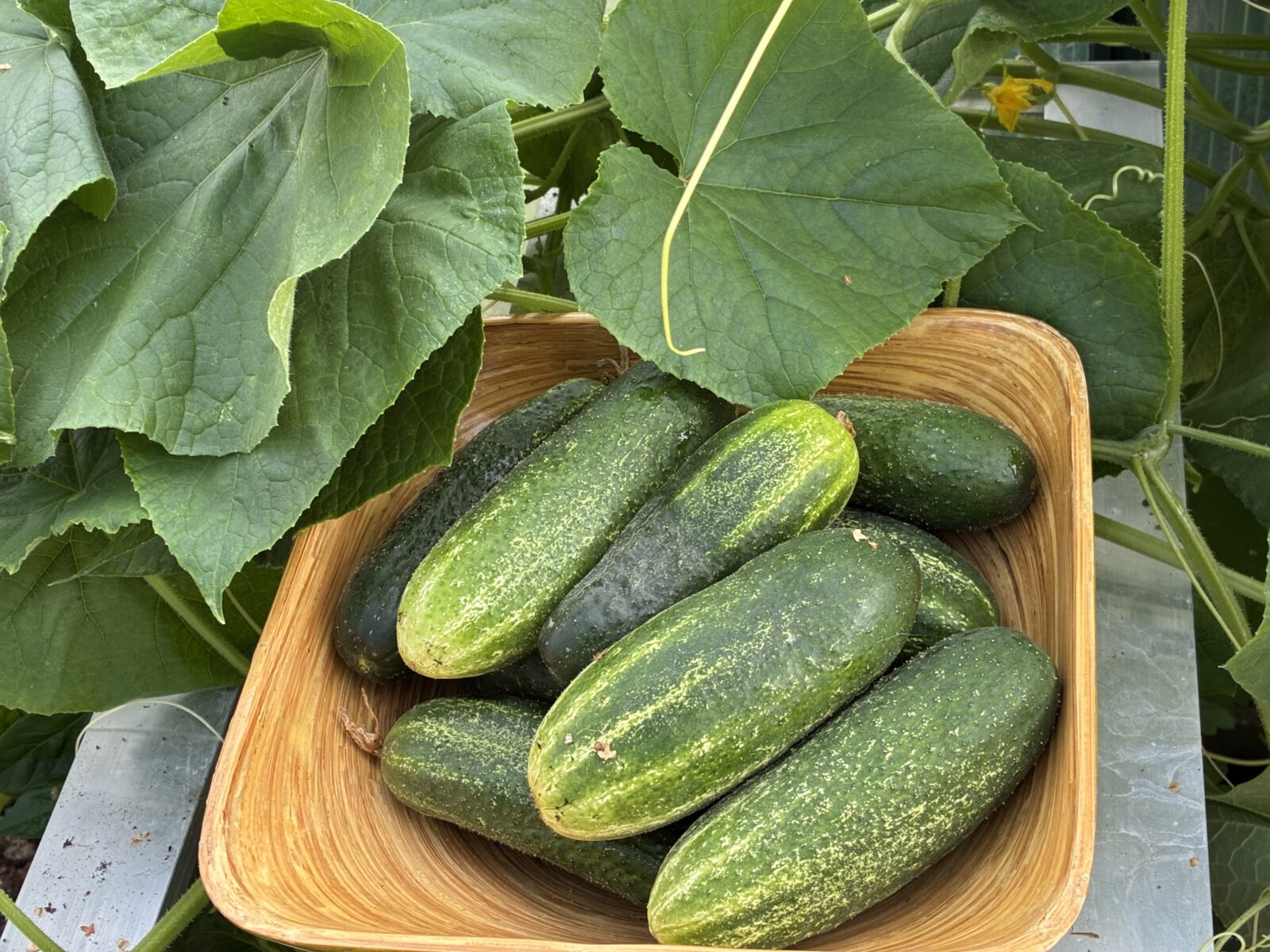
In the second half of summer, issues linked to roots show up more often—whether from uneven watering, higher temperatures, or a buildup of soil-borne pathogens. It’s said that vinegar can help create less favorable conditions for some diseases in the root zone, giving cucumbers some relief. It’s not a replacement for good growing practice, but one supportive step used specifically when plants are under the greatest load from heavy cropping.
In August, vinegar is used as a simple addition to routine care that may support nutrient uptake, strengthen the root zone, and contribute to a longer harvest.
Vinegar as an unpleasant environment for pests
Besides nutrition, another benefit is often mentioned. Cucumbers can be prone to pests, and in August their pressure sometimes increases because the garden offers plenty of food and shelter. The acidic conditions created by vinegar are unpleasant for some pests, so they may avoid it. In practice, an effect is most often cited against slugs, aphids, and mites, which can quickly weaken a planting and shorten the fruiting period.
How to get the most from it
For this support to be worthwhile, it pays to combine it with standard growing basics. Cucumbers need regular watering, evenly moist soil, and ongoing picking, because oversized fruit drains the plant unnecessarily. If you add a sensibly used vinegar solution and keep an eye out for the first signs of pests, you increase the chance the crop stays in good condition even at the end of summer.
Summary for the garden and greenhouse
If you want your cucumbers not to lose momentum in August and to keep the harvest going as long as possible, you can try a simple root drench with 9% vinegar at a ratio of 1 cup per 10 liters of water. Moisten the soil first with clean water, apply the solution to the roots, and use it specifically for cucumbers. Combined with regular care, this kind of support can help maintain plant vigor, reduce stress, and contribute to harvesting at a time when most of the garden is already slowly winding down for the season.
Source: Agronews, Agro Review, General’s Garden, Pestrazahrada.cz

A lover of nature, gardens, and everything that moves, blooms, or grows. He literally grows everything, from herbs to rare species, and he enjoys caring for animals just as much. In his work, he connects modern technology with tried-and-tested grandmotherly methods and is happy when both paths lead to the same goal.
Related articles
Autumn strawberry care takes an hour and you will be rewarded with plants laden with fruit with just three steps
After fruiting, strawberries benefit from a few timely autumn jobs that help them winter well and bounce back strongly in spring. A simple trim, the right feed, and a protective mulch can mean bigger, tastier berries next season.

Christmas cactus will bloom again even after years if you avoid one common mistake
A Christmas cactus can look perfectly healthy yet refuse to flower for years. With the right light, temperature, watering, and a gentle boost, it can set buds again and bloom reliably.
Take care with pruners on ornamental grasses Some are best cut back in autumn others in spring
Ornamental grasses bring movement and structure, but not all of them should be left standing until spring. For several warm-season and self-seeding types, an autumn cut-back keeps borders tidier and helps limit spread.
Comments (0)
Be the first to comment.