
 English
  Polski
  Deutsch
  Nederlands
  Svenska
  Norsk
Norsk  Dansk
Dansk  Français
  Italiano
  Español
  Português
  Slovenčina
  Suomi
Suomi  Gaeilge
 African Violets in Bloom Without a Break With a Few Simple Tweaks and Chemical Free Feeding
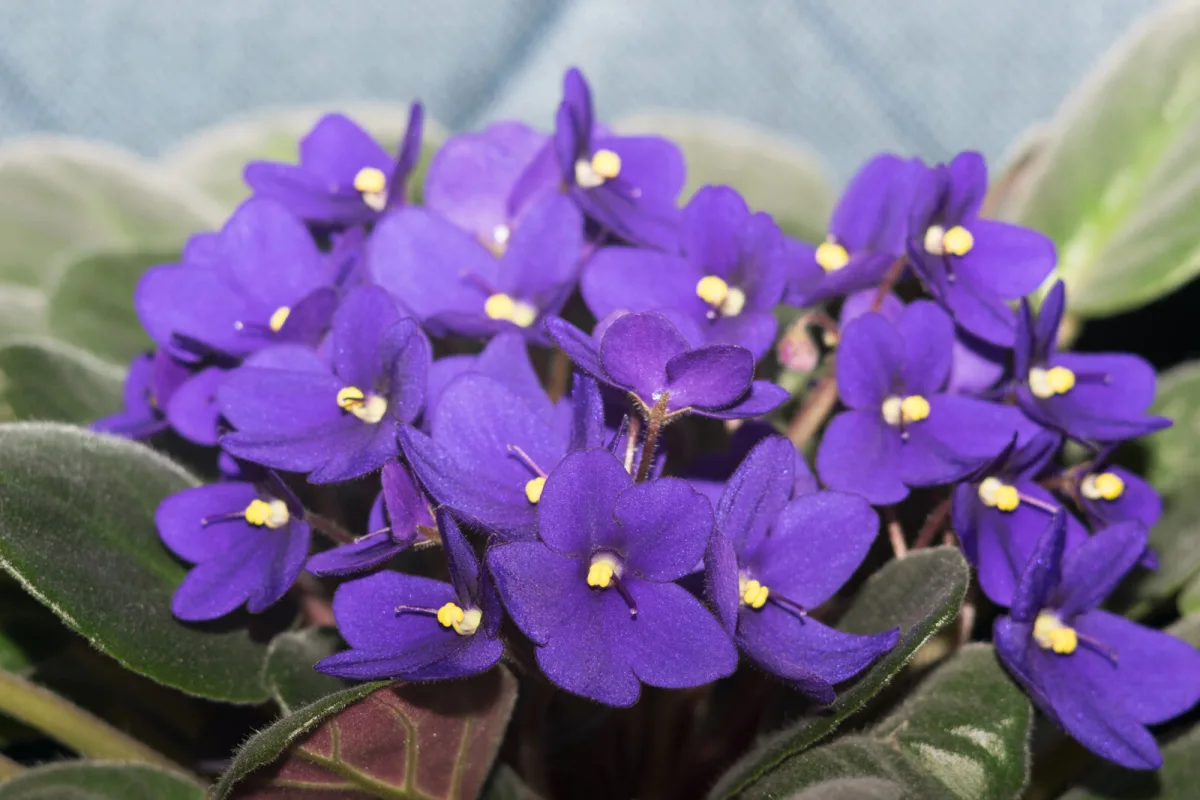
The African violet comes from the humid rainforests of East Africa and found its way into our homes long ago. It’s often described as a plant that brings calm, good spirits and a pleasant atmosphere into a room. Whether you believe in that kind of symbolism or not, one thing is certain: when it’s grey and cold outside, the little violet flowers can make an interior feel noticeably cosier and lift your mood simply by looking at them.
That’s exactly why violets are popular even with people who don’t have much time for complicated care. In the right conditions, they can flower for a very long time, often almost continuously. Below are methods and small, practical tricks that reliably work if you want healthy leaves and as many flowers as possible all year round.
Where to place a violet so it thrives without scorched leaves
Violets don’t need direct sun; if anything, they prefer to avoid it. The ideal spot is bright, with no harsh midday sun hitting the plant. A north-east window works well, or any position with filtered light. Strong sun can cause unsightly patches on the leaves, so in summer it’s worth shading the plant from intense light or moving it a little further back from the glass.
The pot matters too. A violet is happier in a container that isn’t overly spacious. When the root ball is comfortably snug, the plant often focuses on producing flowers rather than bulking up with leaves.
Watering without mistakes water goes from below, not onto the blooms
One rule makes a huge difference with violets: never water from above directly onto the plant. Wetting the leaves and flowers can lead to rot and spotting, especially if water sits in the crown. It’s much better to water into the saucer under the pot and let the compost draw moisture up from below. After a little while, check that there isn’t excess water left sitting in the saucer.
Watering once or twice a week is usually enough, depending on temperature and how quickly the compost dries out. Use water that has stood and is at room temperature. Violets hate being waterlogged for long periods, so the pot must have working drainage holes. Without them, moisture builds up and the roots suffer quickly.
Compost for violets and why it pays to add vermiculite
If you don’t want to waste time experimenting, the simplest option is a specialist compost made specifically for violets. These plants do best in a light, fine and airy growing medium. A proven improvement is to mix in vermiculite, which helps keep moisture more even while preventing the compost from staying too wet.
A practical mix is compost and vermiculite in equal parts. The result is an open, crumbly blend where roots can breathe more easily and the plant grows more steadily, which often shows up as longer, more generous flowering.
Simple homemade tea feeding for regular support
For long flowering, violets need ongoing nutrition. A gentle homemade fertiliser can be made from tea. Whether you use black or green tea, the compounds in tea can be a pleasant extra for some houseplants when used sparingly.
The method is simple: add leftover tea to your watering water, or pour water over a used tea bag once more and water the violets with this weak brew about once every two weeks. The key is not to overdo the strength or frequency, so you don’t burden the compost with an excess of substances.
Vitamin B12 as a boost to extend flowering
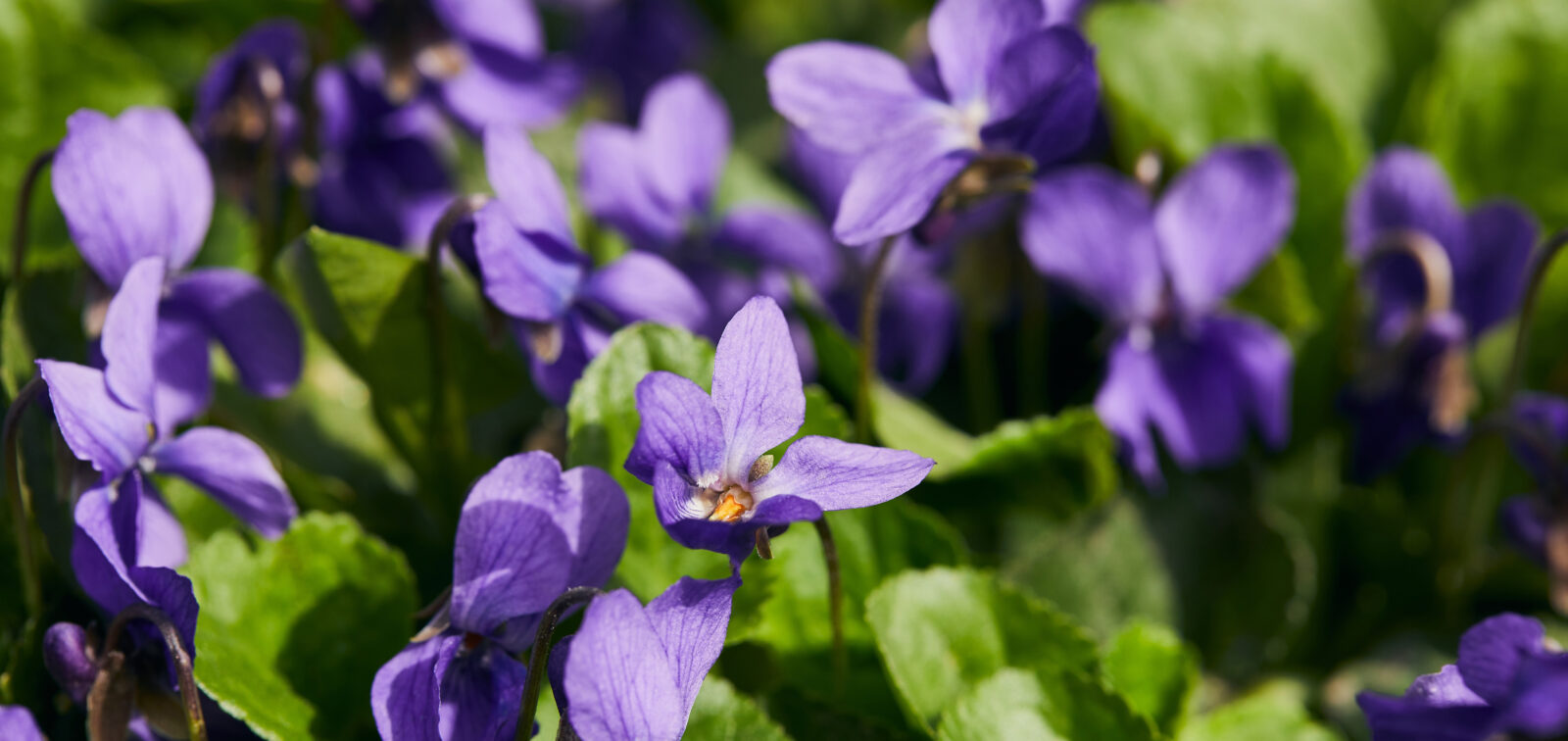
Another tip that circulates among growers to encourage flowering is vitamin B12. It’s easy to use: dissolve one tablet in 1 litre of water. You can water violets with this solution twice a month, ideally as an occasional supplement to normal watering and used moderately so the plant isn’t overwatered.
If you’re unsure, start with a lower frequency and watch how the plant responds. A healthy violet should have firm leaves, a compact rosette and gradually set buds.
Propagating violets from a leaf is easy even for a complete beginner
Violets are very easy to propagate from leaf cuttings. Choose a healthy, undamaged leaf with a longer stem. Remove it with a slanted cut, ideally using sharp scissors or a knife so the tissue isn’t crushed. This way you can prepare as many leaves as you want new plants.
You can treat the leaf stems with a rooting hormone, which also helps reduce the risk of infection from the compost. Then insert the leaf into a rooting medium, gently firm the compost around it and water lightly so it’s moist, not soggy. Cuttings can be planted individually into small pots or together in a larger container.
After that, cover the pot with a plastic bag to maintain higher humidity and place it in a bright spot out of direct sun. Check moisture occasionally and water only when the surface starts to dry. Within a few weeks, new plantlets will appear at the base of the leaf. Once they’ve strengthened, carefully separate them with as little root damage as possible and pot them up into their own containers. After repotting, keep them in a slightly shadier, calmer spot for two to three days. With good care, they can flower in about half a year, and a single leaf often produces several new violets.
Source: Gardeia, Gardener’s World, To je nápad, Pestrazahrada.cz

A lover of nature, gardens, and everything that moves, blooms, or grows. He literally grows everything, from herbs to rare species, and he enjoys caring for animals just as much. In his work, he connects modern technology with tried-and-tested grandmotherly methods and is happy when both paths lead to the same goal.
Related articles
Don’t Prune Hydrangeas in October
Tidying the garden in autumn is tempting, but October pruning can cost your hydrangeas next year’s flowers. Only two light interventions make sense this time of year; everything else is best left until the right season.
A Pineapple Top Will Root in Two Weeks, but Success Depends on the Step Most People Skip
Don’t throw away the leafy crown when you cut a pineapple. With the right prep, light, warmth and careful watering, you can root it and grow a houseplant that may eventually fruit.
Overwintering Geraniums in a Box Ensures Stronger Growth and More Abundant Spring Bloom
Many people throw balcony geraniums away after the season, even though they can overwinter very well. Stored correctly in a box in cool, dark, dry conditions, they’ll come back stronger and flower generously in spring.
Comments (0)
Be the first to comment.